
How to Reduce Energy Consumption of Pipe Bundling Machines?
Pipe bundling machines play a crucial role in streamlining the packaging process, but they can also be significant energy consumers. Understanding how to minimize their energy usage is vital for both cost savings and environmental responsibility. This article explores practical strategies to optimize energy efficiency in pipe bundling operations.
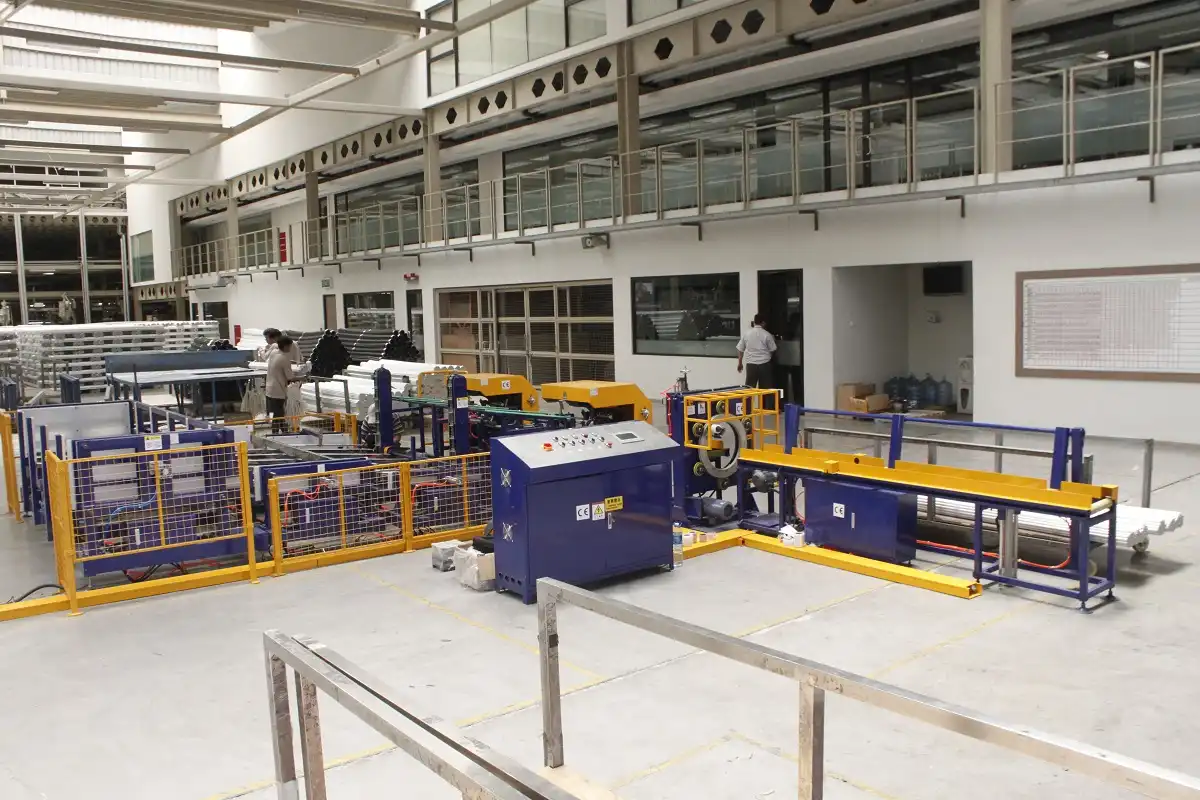
Reducing energy consumption in pipe bundling machines involves optimizing machine design, implementing smart operational strategies, and selecting energy-efficient materials. Regular maintenance, operator training, and automation also play a significant role. By focusing on these key areas, businesses can achieve substantial energy savings and reduce their environmental impact.
Ready to delve into the specifics? This comprehensive guide will explore how design choices, operational adjustments, and material selection can dramatically reduce the energy consumption of your pipe bundling machines.
1. Optimizing Machine Design for Energy Efficiency
The design of a pipe bundling machine is a primary determinant of its energy footprint. Investing in energy-efficient components from the outset can yield substantial long-term savings. Let’s explore the key design elements that contribute to reduced energy consumption.
Energy-efficient designs in pipe bundling machines incorporate servo motors, optimized sealing technologies, and smart control systems. These design choices minimize energy waste and improve operational efficiency, leading to significant reductions in overall energy consumption. Modern designs also focus on reducing friction and improving material flow, contributing to further energy savings.

Key Design Elements for Enhanced Energy Savings
To maximize energy savings, consider these specific components and technologies when selecting or upgrading your pipe bundling equipment. Each element plays a crucial role in optimizing energy consumption.
Servo Motors vs. Traditional Motors: A Detailed Comparison
Servo motors offer a significant advantage in energy efficiency compared to traditional AC motors. Their precision and responsiveness lead to lower energy consumption, especially during idle periods. The difference in performance is clear when considering several factors.
| Feature | Traditional AC Motor | Servo Motor | Energy Efficiency Improvement |
|---|---|---|---|
| Energy Consumption | Higher, even during idle periods | Lower, especially during idle times | Up to 70% |
| Control Precision | Less precise, less responsive | Highly precise, rapid response | N/A |
| Speed Control | Limited, less flexible | Wide range, highly flexible | N/A |
| Heat Generation | Higher, energy loss as heat | Lower, less energy wasted as heat | Significant reduction |
| Lifespan | Generally shorter | Generally longer | Longer operational life |
The precision of servo motors allows them to operate only when needed, eliminating the wasted energy associated with continuous operation of traditional AC motors. This makes servo motors an ideal choice for applications requiring frequent starts and stops.
Advanced Sealing Technologies: Cold Sealing as an Alternative
Traditional heat shrink tunnels are notoriously energy-intensive. Cold sealing methods offer a more energy-efficient alternative, significantly reducing energy consumption. This is particularly relevant when considering the overall energy footprint of the bundling process.
| Sealing Technology | Heat Shrink Tunnel | Cold StretchPack Sealing | Energy Consumption Comparison |
|---|---|---|---|
| Energy Source | High heat generation | Mechanical stretching | Heat shrink uses significantly more energy |
| Process | Heat and shrink film | Stretch and seal film | Cold sealing eliminates heating |
| Typical Consumption | 150-200 MWh/year | 0.03 kWh per unit | Up to 90% energy saving |
| Process Steps | Separate heating and sealing | Combined sealing | Streamlined process reduces waste |
Cold sealing technology eliminates the need for energy-intensive heating, resulting in significant energy savings. This not only reduces operational costs but also minimizes the environmental impact associated with high energy consumption.
Smart Control and Automation Systems: Real-Time Optimization
Intelligent control systems provide real-time data tracking of motor torque and energy consumption. This allows for targeted optimization and adjustments, ensuring that the machine operates at peak efficiency and minimizes energy waste. Real-time data is essential for identifying and addressing inefficiencies.
| Feature | Benefit | Energy Saving Impact |
|---|---|---|
| Real-time Data Tracking | Monitors energy usage, identifies high-consumption areas | Allows for targeted optimization and adjustments |
| Remote Monitoring & Control | Enables adjustments without physical presence, optimizing settings | Reduces unnecessary machine operation and energy waste |
| Automated Adjustments | Programmable sealing controls adapt to production speed | Ensures consistent sealing with minimal energy input |
| Parameter Preset Mode | Saves optimal settings for future runs | Reduces setup time and ensures energy-efficient operation |
Smart control systems enable proactive adjustments to optimize energy consumption. By leveraging real-time data, operators can identify and address inefficiencies, ensuring that the machine operates at its peak performance level.
2. Implementing Smart Operational Strategies
Beyond machine design, the way a pipe bundling machine is operated significantly impacts its energy consumption. Implementing smart operational strategies can yield significant energy savings without major equipment upgrades. These changes are often simple to implement and can have a substantial impact.
Operational energy efficiency in pipe bundling involves practices like reducing machine idle time, optimizing production schedules to avoid peak energy hours, implementing regular maintenance, and training staff on energy-saving procedures. These operational adjustments are crucial for minimizing energy waste in daily machine operation and ensuring long-term efficiency.
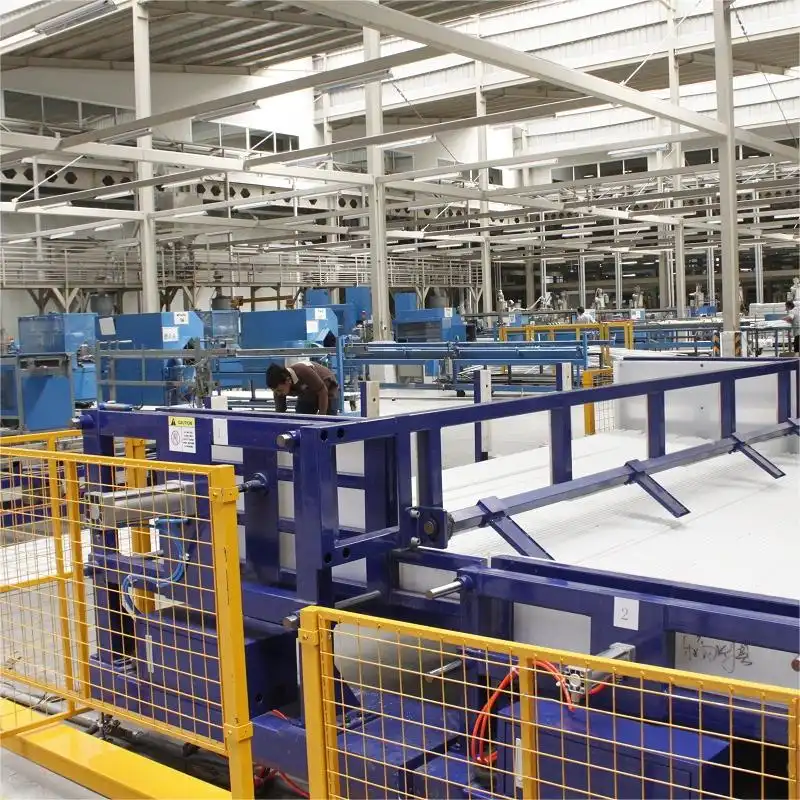
Practical Strategies for Minimizing Energy Use in Daily Operations
Even the most energy-efficient machine can consume excessive energy if not operated optimally. Simple changes in daily operations can dramatically reduce energy consumption. These strategies focus on optimizing production schedules, reducing idle time, and ensuring regular maintenance.
Optimizing Production Schedules: Shift Operations to Off-Peak Hours
Peak energy demand periods usually come with higher electricity rates. Understanding your facility’s energy consumption patterns and utility rate structures allows you to strategically schedule bundling operations during off-peak hours. This simple shift can lead to significant cost savings.
Consider analyzing your energy consumption data to identify peak and off-peak hours. Adjust your production schedule to prioritize energy-intensive tasks during periods when electricity rates are lower. This approach can significantly reduce your overall energy costs.
Reducing Idle Time and Standby Consumption: Power Down During Breaks
Pipe bundling machines, like many industrial equipment, can consume energy even when idle. Implementing procedures to power down machines during breaks, shift changes, or periods of inactivity can lead to noticeable energy savings. These savings can accumulate significantly over time.
Implement a policy of powering down machines during breaks and shift changes. This simple practice can significantly reduce energy consumption and extend the lifespan of your equipment. Educate your staff on the importance of powering down equipment when not in use.
Regular Maintenance and Component Checks: Prevent Inefficiencies
Regular maintenance is not just about preventing breakdowns; it’s also about ensuring energy efficiency. Worn or poorly maintained components can lead to increased friction, inefficiencies, and higher energy consumption. Regular checks are essential for optimal performance.
Establish a regular maintenance schedule to ensure that all components are operating efficiently. Replace worn parts, lubricate moving parts, and calibrate sensors to ensure accurate and efficient operation. This proactive approach can prevent breakdowns and improve energy efficiency.
Operator Training and Energy Awareness: Educate Your Staff
Operators are at the forefront of machine operation, and their practices significantly impact energy consumption. Training operators on energy-efficient operation procedures is vital. This includes educating them on the impact of idle time, proper machine startup and shutdown procedures, and recognizing signs of inefficiencies.
Invest in comprehensive training programs for your operators. Educate them on energy-efficient operating procedures, the impact of their actions on energy consumption, and how to identify and report potential inefficiencies. Empowered and knowledgeable operators can contribute significantly to energy savings.
3. Material and Process Selection for Lower Energy Bundling
The choice of bundling materials and the bundling process itself can significantly influence the energy footprint of pipe packaging. Selecting materials that require less energy to seal and processes that minimize energy input are key strategies for reducing energy consumption. This is a critical area for optimization.
Energy-conscious material and process selection for pipe bundling includes opting for thinner yet durable films, choosing materials compatible with cold sealing methods, and optimizing film usage to reduce waste. These choices directly impact the energy needed for sealing and material production, contributing to overall energy reduction and promoting efficiency improvements.
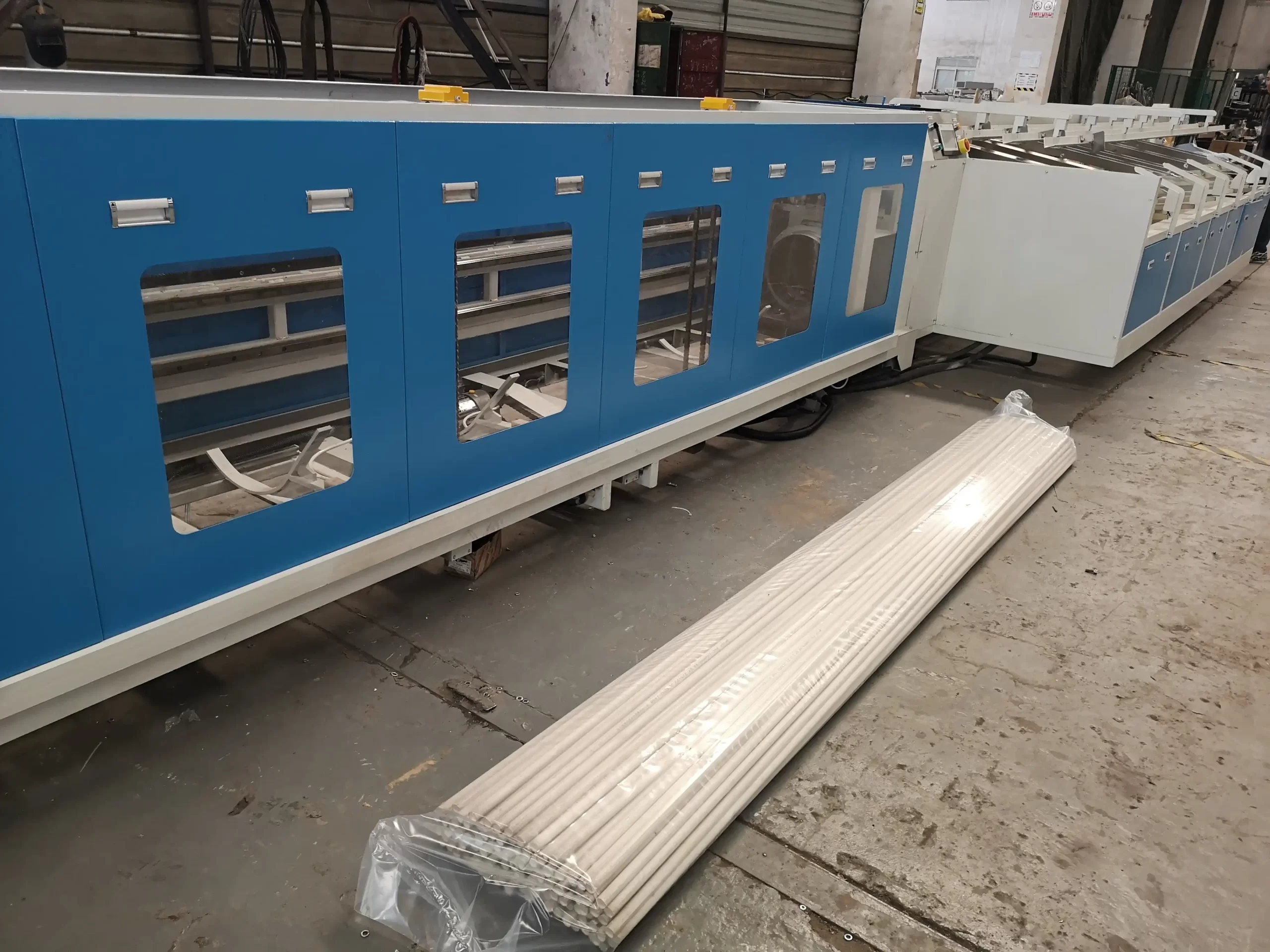
Smart Material Choices and Efficient Processes
The materials used and the processes employed in bundling are not neutral factors in energy consumption. Smart choices in these areas can lead to substantial energy savings and a reduced environmental impact. Let’s examine the key material and process considerations.
Choosing Energy-Efficient Bundling Films: Thinner and Recyclable Options
The type of film used for bundling directly impacts energy consumption. Thinner films naturally require less material to produce, reducing the embodied energy. Exploring recyclable and bio-based film options can further reduce the environmental impact. This is a crucial consideration for sustainable packaging.
| Film Type | Thickness | Recyclability | Energy Consumption (Production) | Cost |
|---|---|---|---|---|
| Standard Film | High | Low | High | Moderate |
| Thinner Film | Low | Moderate | Low | Moderate |
| Recyclable Film | Moderate | High | Moderate | Higher |
| Bio-based Film | Moderate | High | Low | Higher |
Selecting thinner and recyclable films can significantly reduce energy consumption. While cost may be a factor, the long-term benefits of reduced energy consumption and environmental impact often outweigh the initial investment.
Optimizing Film Usage and Reducing Waste: Precision Cutting is Key
Minimizing film waste is another way to indirectly reduce energy consumption. Less waste means less material needs to be produced, transported, and potentially disposed of. Precision folding and cutting mechanisms are crucial for optimizing film usage. Reducing waste is a key component of sustainable packaging.
| Feature | Impact on Waste Reduction |
|---|---|
| Precision Cutting | Significant |
| Tension Control | Moderate |
| Automated Folding | Significant |
| Sensor Monitoring | Moderate |
Precision cutting and automated folding mechanisms can significantly reduce film waste. By optimizing these processes, businesses can minimize material consumption and reduce their environmental footprint.
Exploring Cold Sealing and Alternative Processes: A Shift from Heat
Cold sealing methods like stretch wrapping offer significant energy advantages over heat shrinking. Exploring alternatives to heat sealing can be beneficial for PVC pipe bundling, where feasible. Pipe packaging technology advancements in cold sealing technologies and film materials may offer viable lower-energy options for specific applications.
| Factor | Traditional Approach (Heat Shrink) | Energy-Efficient Approach (Cold Seal/Optimized Film) | Potential Energy Saving |
|---|---|---|---|
| Sealing Process | Heat Shrink Tunnel | Cold Stretch Wrapping | Up to 90% |
| Film Material | Thicker, Standard Film | Thinner Gauge, Optimized Film (e.g., BOPP) | 10-20% |
| Film Waste | Higher Waste Rate | Precision Cutting, Tension Control, Lower Waste | 5-10% |
| Overall Estimated Saving | Baseline | Combined Optimization | Potentially 30-95% |
Cold sealing methods offer a significant reduction in energy consumption compared to heat shrinking. By exploring alternative processes and optimizing film usage, businesses can achieve substantial energy savings.
4. Automation and Integrated Systems for Energy Reduction
Automation streamlines processes, minimizes manual handling, and optimizes material and energy usage. Automation offers a pathway to minimize energy consumption in pipe bundling operations.
Automated bundling lines reduce energy consumption by optimizing material flow, minimizing manual intervention, and ensuring consistent machine operation. Features like automated sealing control, precision servo motors, and integrated systems contribute to significant energy savings and enhanced productivity. This leads to more sustainable PVC pipe packaging processes.
To fully understand the environmental benefits of pipe bundling machines, a comprehensive approach is essential. By strategically implementing energy-efficient technologies, optimizing operations, choosing appropriate materials, and embracing automation, manufacturers can significantly reduce their energy footprint, the first step of Roadmap to Corporate Sustainability Goals. Automation and integrated systems play a vital role in this.
Automated Material Handling and Feeding. Integrated Folding, Sealing, and Cutting. Automated Packaging and Palletizing.
Conclusion
Enhancing pipe bundling machine performance through energy-efficient designs is vital for reducing operational costs and environmental impact. Implementing strategies such as servo motors, optimized sealing, and smart controls significantly minimizes energy waste. Embracing automation, optimizing material usage, and promoting energy-conscious practices will improve both sustainability and profitability. By considering all aspects of the bundling process, businesses can achieve significant energy savings and reduce their environmental impact. This will lead to both cost savings and a more sustainable future.








