
How to Improve Pipe Bundling Machine Efficiency in Multi-Shift Operations?
Optimizing pipe bundling machine efficiency in multi-shift operations is vital for maximizing production and meeting demanding schedules. This requires strategic planning, consistent maintenance, and skilled operators to ensure seamless operation around the clock. Let’s explore how to achieve peak performance.
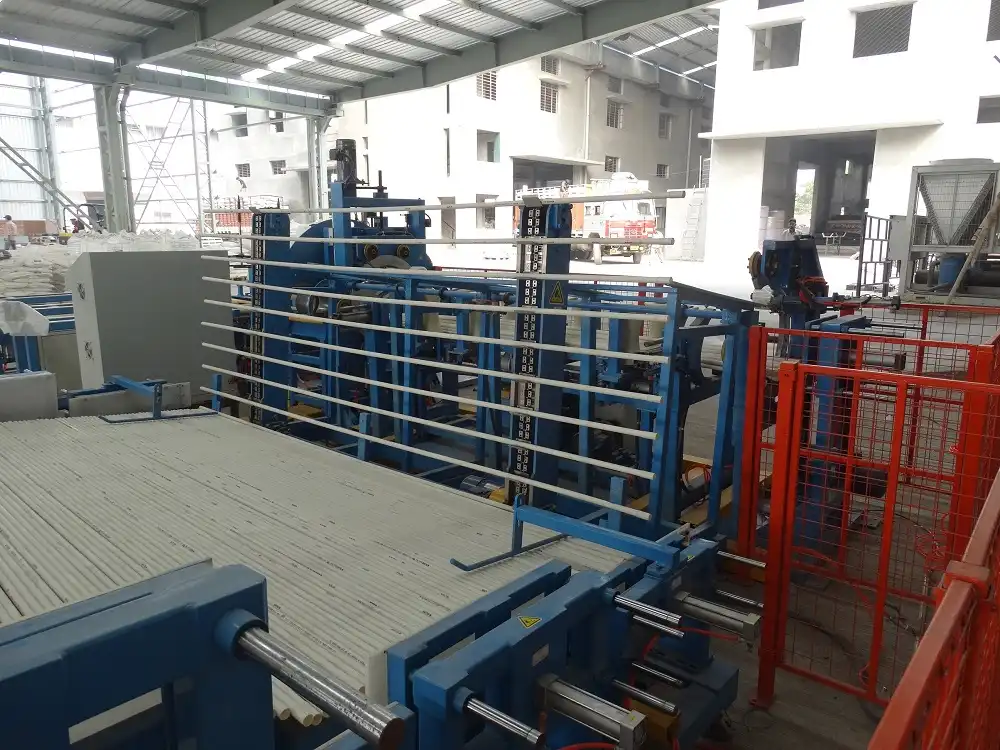
To improve Pipe bundling machine efficiency in multi-shift operations, prioritize regular maintenance checks during shift changes, implement standardized operating procedures for all shifts, and ensure comprehensive training for all operators. Focus on minimizing downtime during shift transitions and optimizing machine settings for different pipe types.
Operating a pipe bundling machine across multiple shifts presents unique challenges and opportunities. By carefully addressing these challenges and leveraging the opportunities, you can unlock significant improvements in efficiency and productivity. Let’s delve into the specifics.
1. Implementing Standardized Operating Procedures (SOPs)
Standardized Operating Procedures (SOPs) are critical for maintaining consistency and efficiency across multiple shifts. This ensures that all operators follow the same best practices, regardless of the time of day. Properly documented procedures minimize variations and improve overall performance.
Implementing Standardized Operating Procedures (SOPs) ensures consistent operation across all shifts. SOPs should cover machine setup, operation, troubleshooting, and safety protocols. Clearly defined procedures minimize errors, reduce downtime, and ensure that all operators adhere to best practices, ultimately enhancing overall pipe packaging machines.
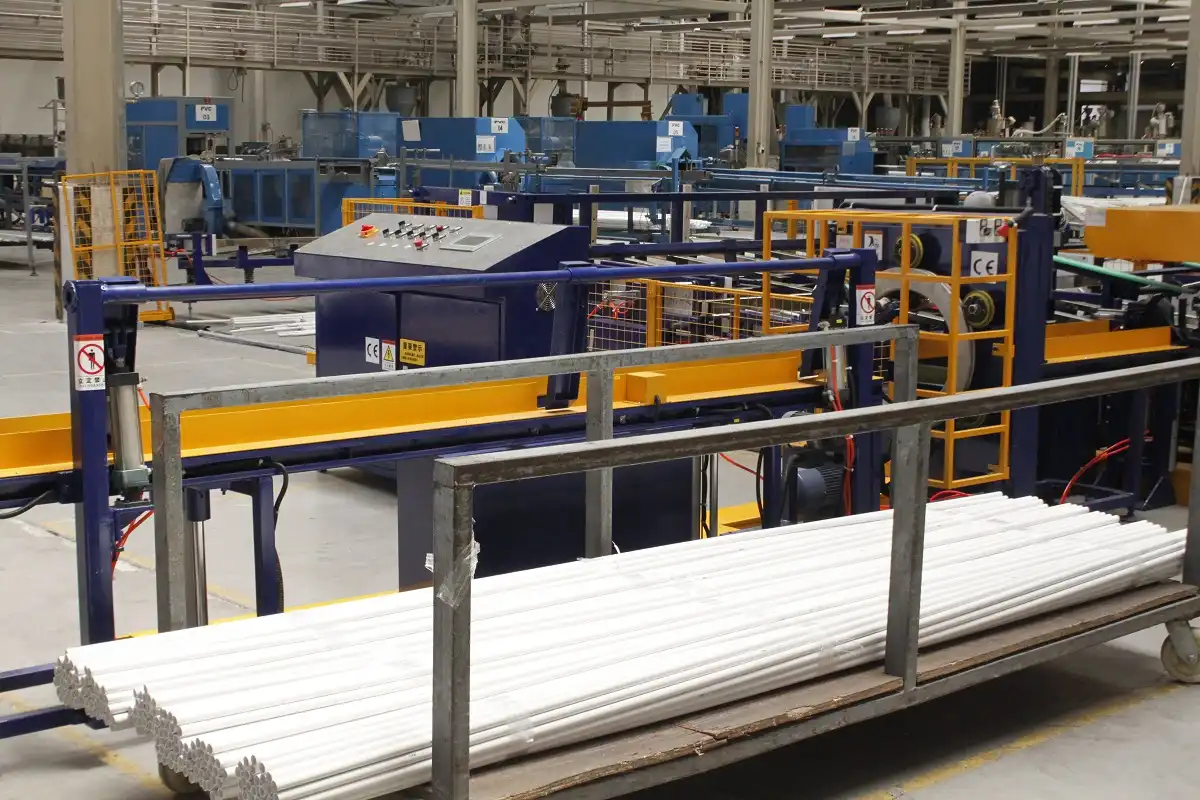
Fine-Tuning Your SOPs: A Shift-by-Shift Breakdown
To maximize the effectiveness of your SOPs, consider breaking down the implementation and optimization process into several key areas. Let’s explore these in detail:
1. Documentation and Accessibility
Ensure that all SOPs are clearly documented and easily accessible to all operators. This might involve creating digital manuals, posting visual aids near the machine, or providing training videos. The documentation should be comprehensive, covering everything from basic operation to troubleshooting common issues.
2. Training and Certification
Provide thorough training to all operators on the SOPs. This training should be hands-on and include opportunities for operators to practice the procedures under supervision. Consider implementing a certification program to ensure that operators have mastered the SOPs before being allowed to operate the machine independently.
3. Regular Reviews and Updates
SOPs should not be static documents. They should be reviewed and updated regularly to reflect changes in the machine, the process, or best practices. Encourage operators to provide feedback on the SOPs and to suggest improvements.
4. Shift Handoff Procedures
Develop specific procedures for shift handoffs. These procedures should ensure that the incoming shift is fully aware of the status of the machine, any ongoing issues, and any special instructions. This might involve a written checklist, a verbal briefing, or a combination of both.
5. Troubleshooting Guides
Include detailed troubleshooting guides in the SOPs. These guides should cover common problems that operators might encounter and provide step-by-step instructions on how to resolve them. This can help to minimize downtime and ensure that problems are resolved quickly and efficiently.
6. Safety Protocols
Safety should be a primary focus of the SOPs. Clearly outline all safety procedures and precautions that operators must follow when operating the machine. This might include the use of personal protective equipment (PPE), lockout/tagout procedures, and emergency shutdown procedures.
By carefully considering each of these aspects, you can develop SOPs that are effective, easy to follow, and that contribute to significant improvements in pipe packaging machines.
Here’s a table summarizing the benefits of well-defined SOPs:
| Feature | Description | Benefit |
|---|---|---|
| Clear Documentation | Easy-to-understand manuals and visual aids. | Reduces confusion and ensures consistent application of procedures. |
| Thorough Training | Hands-on training and certification programs. | Equips operators with the skills to perform tasks correctly and safely. |
| Regular Updates | Scheduled reviews and feedback integration. | Keeps procedures relevant and incorporates operator insights. |
| Effective Handoffs | Checklists and briefings for shift transitions. | Ensures continuity and awareness of machine status. |
| Troubleshooting Guides | Step-by-step solutions for common issues. | Minimizes downtime and empowers operators to resolve problems quickly. |
| Comprehensive Safety | Detailed safety protocols and equipment requirements. | Protects operators, prevents accidents, and ensures regulatory compliance. |
2. Optimizing Maintenance Schedules for Continuous Operation
Maintenance is crucial, especially with multiple shifts. Tailoring a schedule to minimize disruptions while ensuring regular upkeep can drastically improve uptime and prevent costly repairs. Consistent maintenance means consistent output.
To optimize maintenance schedules for continuous operation, implement short, routine maintenance tasks during shift changes to minimize downtime. Schedule longer, more in-depth maintenance activities during less active periods. Utilize predictive maintenance techniques and condition monitoring to anticipate potential issues and address them proactively, maximizing machine Pipe bundling machine efficiency.
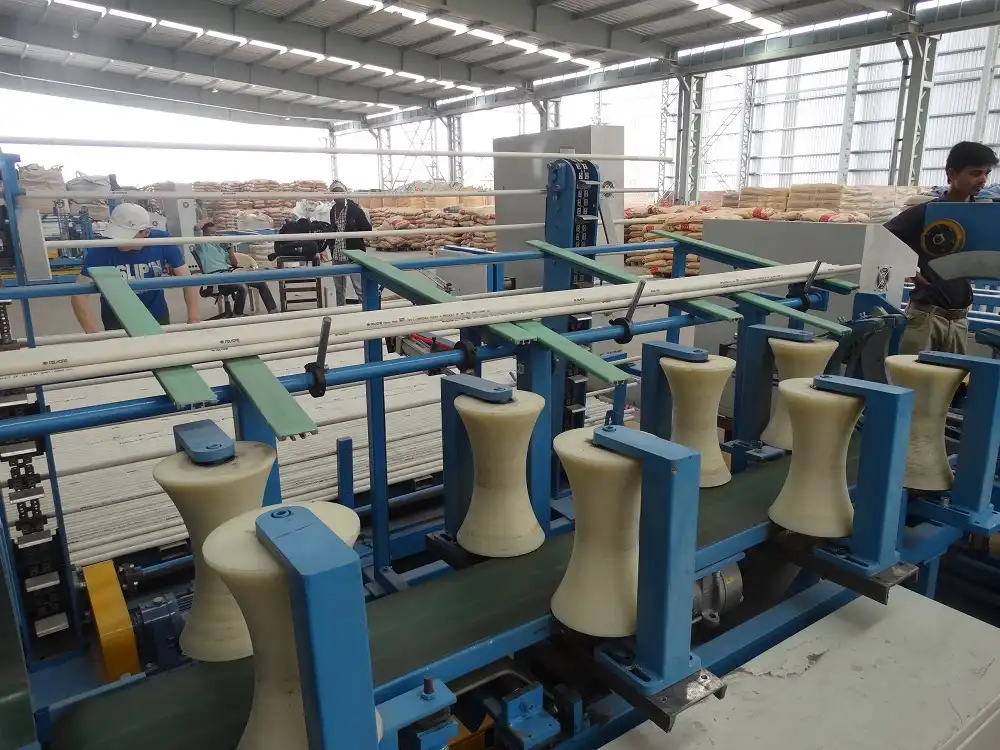
Proactive Care: Deep Dive into Preventive Techniques
A well-structured maintenance plan is essential for sustained efficiency in multi-shift operations. Let’s discuss the critical elements for a robust preventive approach:
1. Shift-Based Quick Checks
Incorporate short, targeted maintenance checks during shift changes. These checks should focus on lubrication, visual inspections for loose parts, and minor adjustments. By addressing small issues promptly, you can prevent them from escalating into more significant problems.
2. Scheduled Downtime for Comprehensive Maintenance
Schedule longer periods of downtime for more comprehensive maintenance tasks. These tasks might include replacing worn parts, cleaning the machine thoroughly, and calibrating sensors. Plan these downtimes during periods of lower production demand to minimize disruptions.
3. Predictive Maintenance Techniques
Implement predictive maintenance techniques to anticipate potential problems before they occur. This might involve using vibration analysis to detect worn bearings, thermal imaging to identify overheating components, or oil analysis to assess the condition of lubricants.
4. Condition Monitoring
Utilize condition monitoring systems to track key machine parameters in real time. This might include monitoring temperature, pressure, vibration, and electrical current. By tracking these parameters, you can identify trends and detect anomalies that might indicate a potential problem.
5. Maintenance Logs and Records
Maintain detailed maintenance logs and records. These logs should include information on all maintenance activities, including the date, the tasks performed, the parts replaced, and any observations made. This data can be used to identify trends, track the effectiveness of maintenance activities, and plan for future maintenance.
Here’s a detailed table outlining the frequency of different maintenance tasks:
| Task | Frequency | Description |
|---|---|---|
| Visual Inspection | Each Shift | Check for loose parts, leaks, unusual noises. |
| Lubrication | Weekly | Lubricate moving parts to reduce friction and wear. |
| Belt Tension Adjustment | Monthly | Ensure belts are properly tensioned to prevent slippage. |
| Sensor Calibration | Quarterly | Calibrate sensors to ensure accurate readings. |
| Parts Replacement | Annually | Replace worn parts such as belts, bearings, and blades. |
| Vibration Analysis | Semi-Annually | Use vibration analysis to detect worn bearings. |
| Thermal Imaging | Semi-Annually | Use thermal imaging to identify overheating components. |
By implementing a proactive maintenance plan that includes these elements, you can minimize downtime, extend the lifespan of your machine, and ensure consistent performance in multi-shift operations.
3. Training and Cross-Training Operators for Flexibility
Operator skill is key. Adequate training ensures each operator understands the machine’s operation, safety protocols, and basic troubleshooting, reducing errors and downtime. Cross-training enables any operator to handle different roles.
Training and cross-training operators ensures that all personnel can operate the machine efficiently and safely across all shifts. Comprehensive training should cover machine operation, troubleshooting, maintenance, and safety protocols. Cross-training enables operators to fill in for each other, providing flexibility and minimizing disruptions due to absenteeism or turnover, improving multi-shift operations.
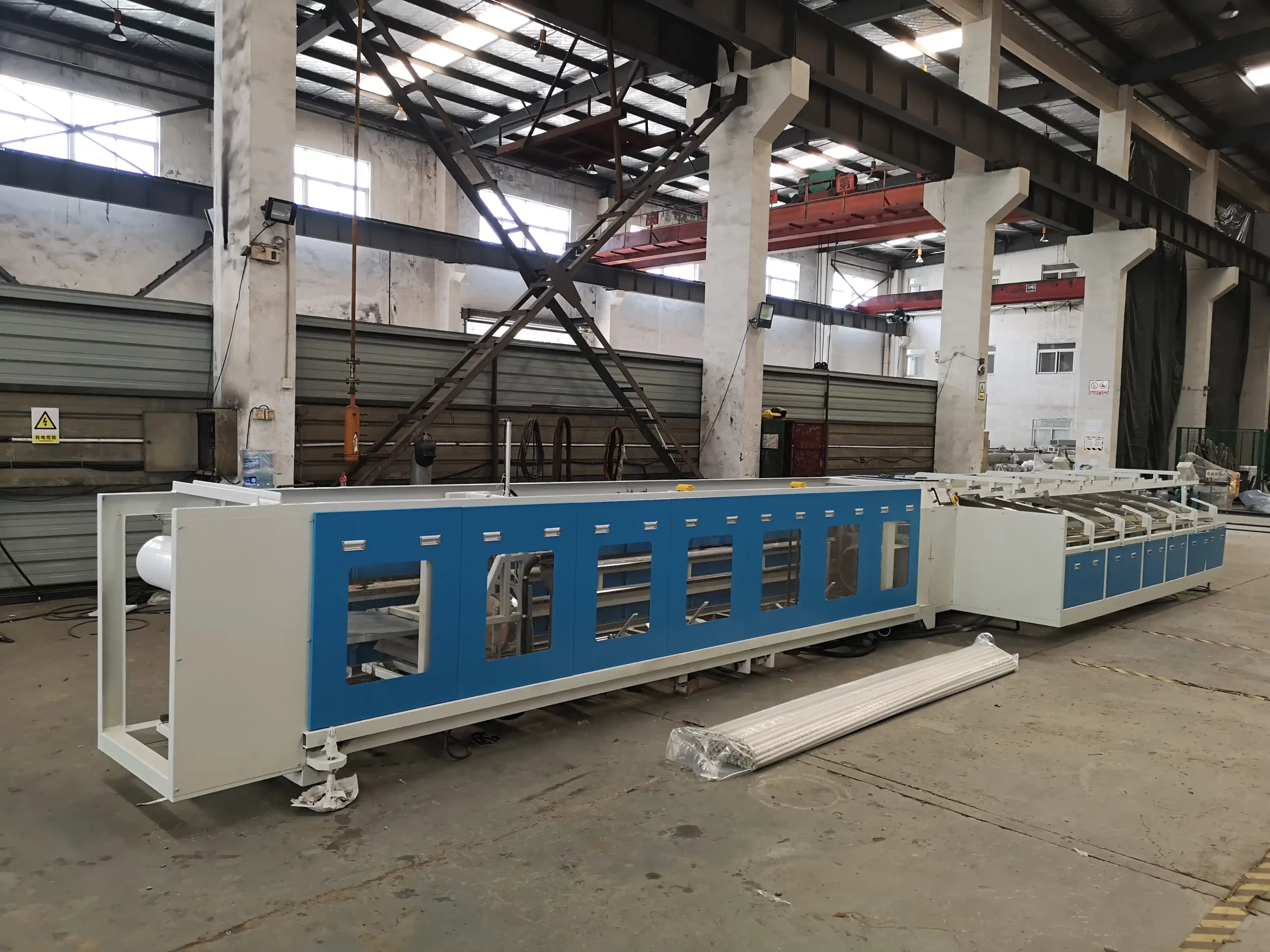
Maximizing Human Potential: Investing in Operator Skills
The efficiency of your pipe bundling machine is directly tied to the skills and knowledge of the operators. Maximizing their potential requires a strategic approach to training and development.
1. Comprehensive Initial Training
Provide new operators with thorough training that covers all aspects of the machine, including setup, operation, troubleshooting, and maintenance. This training should be hands-on and include opportunities for operators to practice the procedures under supervision.
2. Ongoing Skill Development
Offer regular refresher courses and advanced training on new techniques and technologies. This keeps operators up-to-date and motivated to improve their skills. Consider providing opportunities for operators to attend industry conferences and workshops.
3. Certification Programs
Implement a certification program to recognize operators who have demonstrated a high level of proficiency. This can boost morale and encourage continuous learning. The certification program should include both written and practical exams.
4. Knowledge Sharing Platforms
Create forums or communities where operators can share their knowledge, ask questions, and learn from each other’s experiences. This might involve setting up an online forum, organizing regular meetings, or creating a mentorship program.
5. Cross-Training Programs
Cross-train operators on different roles and responsibilities. This provides flexibility and ensures that there is always someone available to operate the machine, even if someone is absent or on leave.
Here’s a table detailing the benefits of robust training and cross-training programs:
| Feature | Description | Benefit |
|---|---|---|
| Comprehensive Initial Training | New operators receive hands-on, detailed instruction | Ensures operators have a solid foundation of knowledge and skills |
| Ongoing Skill Development | Refresher courses and advanced training on new technologies | Keeps operators current with best practices and emerging technologies |
| Certification Programs | Recognizes operators who demonstrate high proficiency | Boosts morale, encourages continuous learning, and sets a standard for performance |
| Knowledge Sharing Platforms | Online forums and regular meetings for operators to exchange insights | Creates a collaborative learning environment and fosters a culture of continuous improvement |
| Cross-Training Programs | Operators trained on multiple roles and responsibilities | Provides flexibility, ensures coverage during absences, and increases overall team capacity |
4. Optimizing Material Handling and Flow
Good material flow keeps the machine fed efficiently. Streamlining this process reduces delays and ensures the machine operates continuously. Proper staging areas and ergonomic designs are crucial.
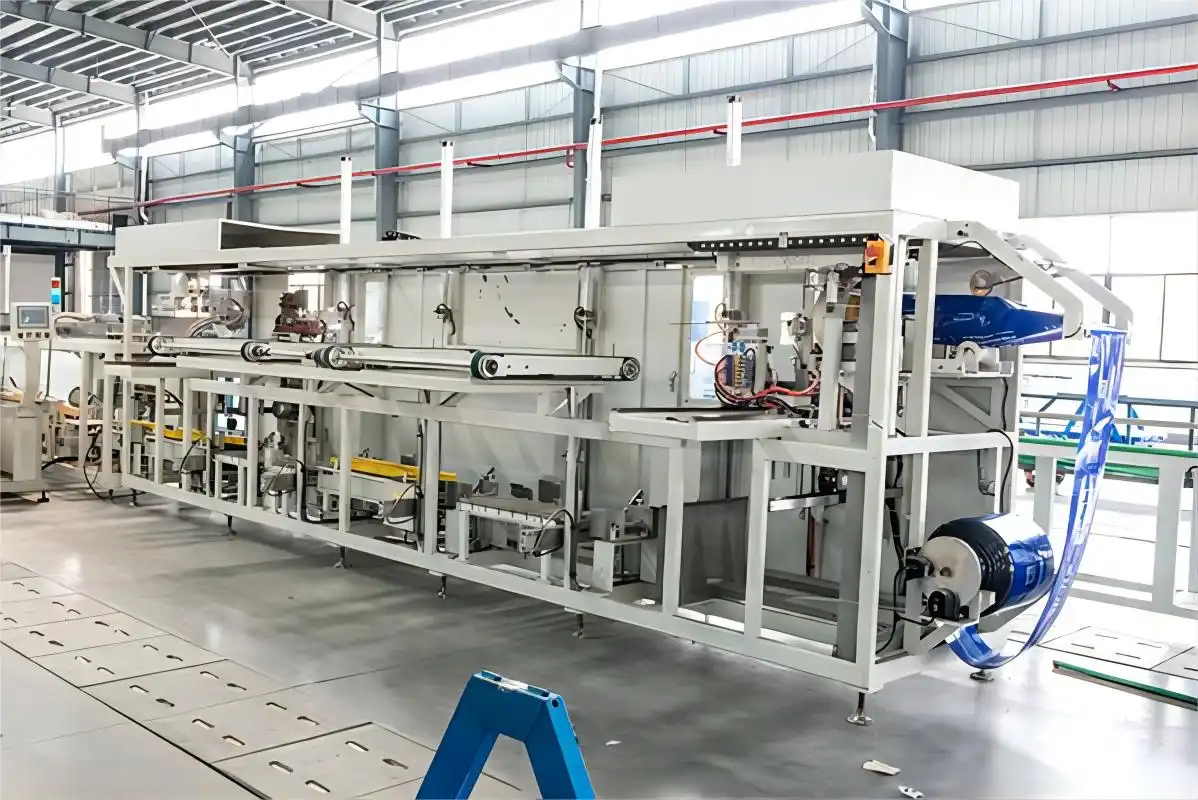
To optimize material handling and flow, ensure easy access to materials and minimize travel distances. Implement clear pathways, ergonomic workstations, and efficient staging areas. Use conveyors and automated systems to reduce manual handling and prevent bottlenecks. This streamlined approach minimizes downtime and keeps the pipe bundling machine running smoothly.
Optimizing material handling and flow is crucial for maximizing Pipe bundling machine efficiency. Consider the following strategies:
- Implement a FIFO (First-In, First-Out) system to ensure materials are used in the order they arrive.
- Use clear and concise labeling to identify materials and prevent errors.
- Minimize the distance materials need to travel by placing staging areas close to the machine.
- Provide operators with ergonomic workstations to reduce fatigue and improve productivity.
- Regularly review and optimize the material flow process to identify and eliminate bottlenecks.
By focusing on these key areas, businesses can unlock significant improvements in productivity and efficiency. Investing in operator training, robust maintenance schedules, and strategic process improvements is essential for achieving peak performance.
Improving pipe bundling machine efficiency in multi-shift operations is a multi-faceted endeavor. Implementing standardized operating procedures ensures consistency across all shifts, while optimizing maintenance schedules minimizes downtime and extends machine lifespan. Training and cross-training operators provides flexibility and expertise, and streamlining material handling optimizes workflow. By addressing these critical areas, you can achieve significant gains in productivity, reduce costs, and maintain a competitive edge.








