
1. What Are the Noise Standards for Mold Flippers?
Mold flippers, essential machinery in manufacturing and industrial settings, are known for their efficiency in handling heavy molds. However, like many powerful industrial tools, they can generate significant noise. Understanding the noise standards applicable to mold flippers is crucial for ensuring workplace safety and regulatory compliance. This article delves into the noise standards relevant to mold flippers, helping businesses create a safer and more productive environment.
Currently, there are no noise standards specifically designated for mold flippers. Mold flippers fall under general workplace noise regulations established by organizations like OSHA and NIOSH in the U.S., and similar bodies internationally. These regulations mandate permissible exposure limits (PELs) and action levels for noise in industrial environments to protect worker hearing.
To ensure a safe and compliant workspace, understanding general noise standards is paramount. Let’s explore the relevant regulations and guidelines that apply to mold flippers and similar industrial machinery.
2. Understanding General Workplace Noise Regulations for Industrial Machinery
In industrial environments, machinery noise is a pervasive concern. To protect workers from hearing damage and ensure compliance, various regulatory bodies have established guidelines. These regulations, while not specific to mold flippers, provide the framework for managing noise levels produced by such equipment.
Workplace noise regulations are designed to limit workers’ exposure to hazardous noise levels, preventing hearing loss and related health issues. In the United States, OSHA sets legally enforceable Permissible Exposure Limits (PELs), while NIOSH provides Recommended Exposure Limits (RELs). These standards specify maximum noise levels and durations workers can be exposed to without requiring hearing protection, and action levels that trigger the implementation of hearing conservation programs.
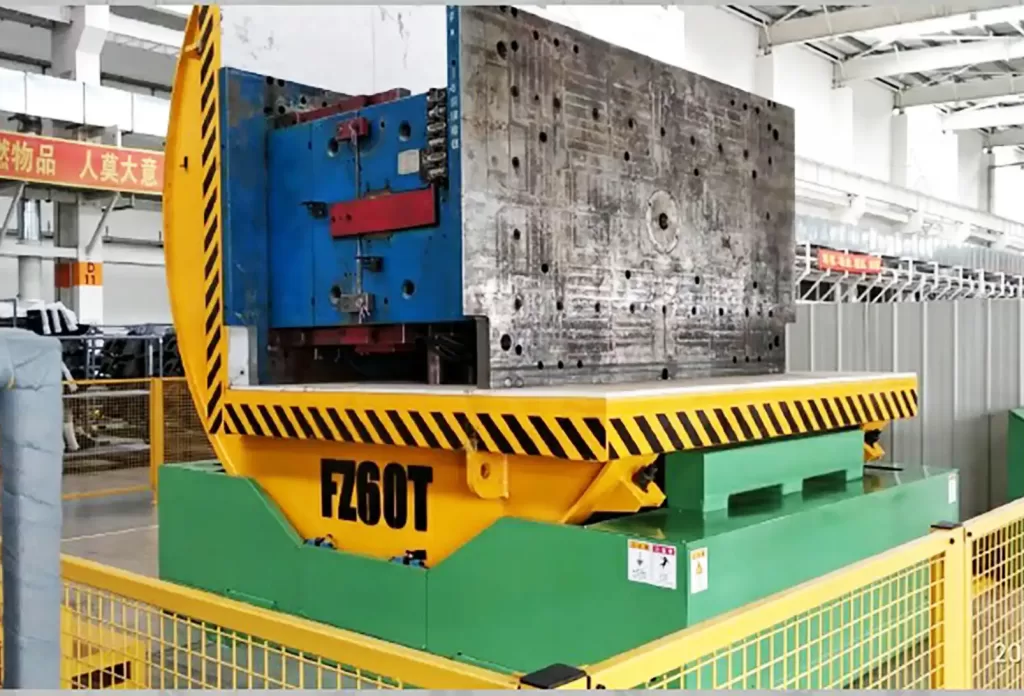
To fully grasp the noise standards applicable to mold flippers, let’s delve deeper into the regulations set by key organizations and explore their practical implications for industrial operations.
Deciphering Key Noise Regulations: OSHA, NIOSH, and ANSI Standards
Navigating the landscape of noise regulations requires understanding the roles and standards of different organizations. In the U.S., OSHA (Occupational Safety and Health Administration) and NIOSH (National Institute for Occupational Safety and Health) are central figures, alongside ANSI (American National Standards Institute) which sets voluntary consensus standards.
| Organization | Role | Standard Type | Key Metrics & Limits |
|---|---|---|---|
| OSHA | Enforces workplace safety regulations | Permissible Exposure Limit (PEL) | 90 dBA for an 8-hour Time-Weighted Average (TWA); Action Level: 85 dBA TWA (triggers hearing conservation program) |
| NIOSH | Recommends safety and health standards | Recommended Exposure Limit (REL) | 85 dBA for an 8-hour TWA; Recommends hearing protection when exceeding REL |
| ANSI | Develops voluntary consensus standards | Standards for noise measurement and assessment | ANSI S12.9-1996/Part 1 (Quantities and Procedures for Instrumentation), ANSI S12.10-2010/Part 2 (Methods for Estimating Risk of Hearing Damage), ANSI/ASA S12.62-2019 (Performance Criteria for Hearing Protection) |
OSHA’s Permissible Exposure Limit (PEL)
OSHA’s PEL is the legally mandated limit for noise exposure in the workplace. It’s set at 90 dBA for an 8-hour TWA. This means that if a worker is exposed to an average noise level of 90 dBA over an 8-hour workday, the employer must implement engineering or administrative controls to reduce the noise or provide hearing protection. Exceeding the PEL can result in significant penalties and legal repercussions for businesses.
NIOSH’s Recommended Exposure Limit (REL)
NIOSH’s REL is more stringent than OSHA’s PEL, set at 85 dBA for an 8-hour TWA. While not legally enforceable, it represents the level NIOSH believes is safe and protective of worker hearing over a working lifetime. NIOSH recommends implementing a hearing conservation program when noise levels reach or exceed the REL, and providing hearing protection even below the PEL.
ANSI Standards for Noise Measurement and Assessment
ANSI doesn’t set exposure limits but provides crucial standards for accurately measuring and assessing noise in the workplace. ANSI S12.9-1996/Part 1 outlines procedures for using sound level meters and dosimeters. ANSI S12.10-2010/Part 2 offers methods for estimating the risk of hearing damage based on noise exposure measurements. ANSI/ASA S12.62-2019 establishes performance criteria for hearing protection devices, ensuring their effectiveness. Adhering to ANSI standards ensures that noise measurements are reliable and that hearing protection is adequate.
By understanding these regulations and standards, businesses operating mold flippers can proactively manage workplace noise, safeguard employee health, and maintain regulatory compliance.
3. Applying Noise Standards to Mold Flippers in the Workplace
While no regulations single out mold flippers, the existing workplace noise standards are fully applicable to their operation. Mold flippers, like other industrial machinery, must adhere to OSHA’s PEL and ideally meet NIOSH’s REL. This necessitates careful assessment of the noise levels they generate and implementing appropriate control measures.
For mold flippers, compliance means ensuring that worker exposure to noise during operation does not exceed regulatory limits. This involves measuring noise levels during typical mold flipping operations, assessing worker exposure based on task duration and proximity to the machine, and implementing a hearing conservation program if action levels are exceeded. Engineering controls, administrative controls, and personal protective equipment (PPE) may all be necessary to achieve and maintain compliance.
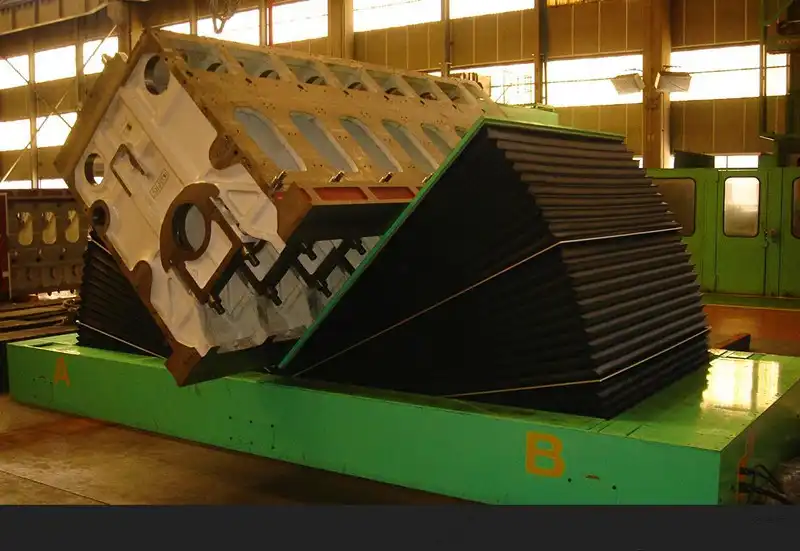
To effectively manage noise from mold flippers, it’s important to consider practical strategies for assessment, control, and mitigation. Let’s examine these strategies in detail, providing actionable steps for creating a quieter and safer industrial environment.
Practical Strategies for Noise Management with Mold Flippers
Managing noise from mold flippers effectively involves a multi-faceted approach encompassing noise assessment, control strategies, and worker protection measures. Here’s a breakdown of practical steps:
1. Noise Assessment and Measurement
The first step is to accurately assess the noise levels generated by the mold flipper during typical operation. This involves:
- Sound Level Meter or Dosimeter: Use a calibrated sound level meter to measure noise levels at various operator positions and distances from the mold flipper. For personal exposure assessment, utilize a noise dosimeter worn by operators throughout their shift. Ensure equipment meets ANSI standards.
- Operational Conditions: Measure noise during different mold flipping scenarios, including varying mold weights, flipping speeds, and operational cycles to capture a representative range of noise levels.
- Baseline Measurements: Conduct initial measurements to establish baseline noise levels and identify areas of highest exposure.
2. Implementing Noise Control Strategies
Once noise levels are assessed, implement control measures to reduce noise at the source or along the noise path:
-
Engineering Controls (Prioritized):
- Dampening and Isolation: Apply dampening materials to mold flipper components that vibrate and generate noise. Isolate the machine base with vibration-absorbing mounts to reduce noise transmission to the floor.
- Enclosures: Consider partial or full enclosures around the mold flipper to block noise from propagating outwards. Ensure enclosures are well-sealed and constructed from sound-absorbing materials.
- Quieter Components: If possible, explore using quieter hydraulic components, motors, or gears in the mold flipper system.
-
Administrative Controls:
- Work Rotation: Rotate workers’ tasks to limit their daily exposure to high noise levels.
- Operating Schedules: Schedule mold flipping operations during periods when fewer workers are in the immediate vicinity.
- Distance and Layout: Optimize workstation layout to increase the distance between workers and the mold flipper.
3. Providing Personal Protective Equipment (PPE)
When engineering and administrative controls are insufficient to reduce noise exposure below regulatory limits, provide workers with appropriate hearing protection:
- Hearing Protection Selection: Offer a range of hearing protection devices (earplugs, earmuffs) with varying Noise Reduction Ratings (NRR) to suit different noise levels and worker preferences. Ensure PPE meets ANSI standards.
- Training and Fit Testing: Train workers on the proper use, fit, and maintenance of hearing protection. Conduct fit testing to ensure adequate protection is achieved.
- Mandatory Use and Enforcement: Implement a mandatory hearing protection program in areas where noise levels exceed action levels or PELs, and consistently enforce its use.
4. Continuous Monitoring and Program Evaluation
Noise management is an ongoing process. Implement a system for continuous monitoring and program evaluation:
- Regular Noise Monitoring: Periodically remeasure noise levels to ensure controls remain effective and assess the impact of any changes in operations or equipment.
- Hearing Tests: Provide annual audiometric testing to workers exposed to noise at or above the action level to detect early signs of hearing loss.
- Program Review and Improvement: Regularly review the hearing conservation program’s effectiveness, worker feedback, and update control measures and PPE as needed.
By implementing these strategies, businesses can create a workplace where mold flippers are operated safely and efficiently, without compromising worker health or regulatory compliance.
4. Specific Noise Reduction Technologies for Mold Flippers
Beyond general noise control strategies, specific technologies can be integrated into mold flipper design or retrofitted to existing machines to directly address noise generation. These technologies often target the primary sources of noise in mold flippers, such as hydraulic systems and structural vibrations.
Integrating noise reduction technologies directly into mold flippers can significantly enhance their operational environment. These technologies range from advanced dampening materials and hydraulic system modifications to active noise cancellation systems. By addressing noise at its source, these solutions offer a more effective and sustainable approach to noise management compared to relying solely on PPE.
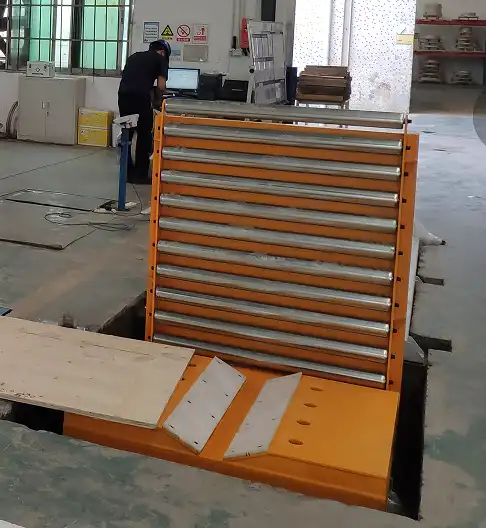
Let’s explore some of the most effective noise reduction technologies applicable to mold flippers, focusing on their technical details and practical benefits for industrial applications.
Diving into Technical Solutions: Advanced Noise Reduction for Mold Flippers
Addressing mold flipper noise at its core requires understanding the source mechanisms and applying targeted technologies. Here’s a deeper look at specific technical solutions:
1. Advanced Damping Materials:
- Mechanism: Damping materials work by absorbing vibrational energy and converting it into heat, thus reducing noise radiated from vibrating surfaces.
- Application: Strategically apply damping materials to the mold flipper’s structural components, particularly large panels, housings, and the mold clamping mechanism. These materials can be in the form of constrained layer damping (CLD) treatments, where a damping layer is sandwiched between two layers of metal, or spray-on damping compounds.
- Benefits: Reduces structural vibrations, minimizing noise radiation from the machine’s frame and panels. Can be retrofitted to existing mold flippers or integrated into new designs.
2. Hydraulic System Modifications:
- Mechanism: Hydraulic systems are a significant noise source in mold flippers due to pump noise, fluid pulsation, and pressure fluctuations.
- Application:
- Low-Noise Hydraulic Pumps: Replace standard hydraulic pumps with low-noise alternatives, such as screw pumps or variable displacement pumps, which generate less fluid pulsation.
- Accumulators and Pulsation Dampeners: Install accumulators in the hydraulic lines to absorb pressure fluctuations and pulsation dampeners to minimize fluid-borne noise.
- Optimized Hoses and Mounts: Use flexible, noise-isolating hydraulic hoses and vibration-isolating mounts for hydraulic components to prevent noise transmission through the machine structure.
- Benefits: Directly reduces hydraulic noise, a primary contributor to overall mold flipper noise. Improves system efficiency and reduces wear and tear on hydraulic components.
3. Active Noise Cancellation (ANC) Systems:
- Mechanism: ANC systems use microphones to detect noise, then generate “anti-noise” waves that are 180 degrees out of phase, effectively canceling out the original noise waves.
- Application: Implement ANC systems around operator workstations or near specific noise-radiating areas of the mold flipper. These systems can be designed as localized “noise cancellation zones.”
- Benefits: Can be highly effective in reducing noise in targeted areas. Particularly useful for low-frequency noise, which is often challenging to control with passive methods. Requires careful design and calibration for optimal performance.
4. Optimized Gear and Motor Design:
- Mechanism: Gears and motors can generate significant mechanical noise due to meshing teeth, bearing friction, and electromagnetic forces.
- Application:
- Precision Gears: Utilize high-precision gears with optimized tooth profiles and materials to minimize meshing noise.
- Low-Noise Motors: Employ electric motors specifically designed for low noise operation, such as servo motors or motors with noise-dampening features.
- Enclosed Gearboxes: Enclose gearboxes with sound-absorbing materials to contain gear noise.
- Benefits: Reduces mechanical noise at the source, improving overall machine quietness and longevity. Enhances machine precision and reduces maintenance requirements.
5. Vibration Isolation Mounts and Footings:
- Mechanism: Vibration isolation mounts and footings decouple the mold flipper from the floor, preventing structural vibration and noise transmission to the surrounding environment.
- Application: Install vibration isolation mounts beneath the mold flipper base and around critical components prone to vibration. Use specialized footings designed for industrial machinery to minimize vibration transfer to the floor.
- Benefits: Significantly reduces structure-borne noise, preventing the floor and surrounding building structure from acting as a sounding board. Cost-effective and relatively easy to implement.
By strategically integrating these advanced noise reduction technologies, manufacturers can create a quieter and more comfortable working environment around mold flippers, enhancing both productivity and worker well-being.








