
What Safety Protection Devices Are Used in Mold Flippers?
Mold flippers are essential machinery in industries requiring frequent mold changes and maintenance, offering a safer and more efficient alternative to manual handling. Given the heavy and often unwieldy nature of molds, safety protection devices are paramount to prevent accidents and ensure operator well-being. This article delves into the critical safety mechanisms integrated into modern mold flippers.
Mold flippers utilize a range of safety protection devices, including contact protection plates, guard brackets, emergency stop buttons, light curtains, safety fences, overload protection systems, and remote operation controls. These features collectively minimize risks associated with heavy mold handling, such as crushing hazards and accidents during flipping, rotating, or tilting operations.
The integration of these safety features is not merely an option but a necessity for ensuring a secure working environment. Let’s explore the specific safety protection devices commonly found in mold flippers and how they contribute to a safer and more productive workspace.
1. Essential Physical Safety Barriers in Mold Flippers
Physical safety barriers are the first line of defense in protecting operators from the inherent dangers of heavy machinery like mold flippers. These devices are designed to prevent accidental contact with moving parts and hazardous zones.
What are the primary physical safety barriers incorporated into mold flipper designs? Key physical safety features include contact protection plates that prevent operators from reaching into crushing zones, and guard brackets that establish a safe distance from moving parts. These are often supplemented by safety fences and light curtains to create comprehensive perimeter protection.
These physical guards are crucial in creating a safe operational zone around the mold flipper. However, the effectiveness of these barriers is further enhanced by considering specific design implementations and material choices.
1.1 Contact Protection Plates: Shielding Against Crushing Hazards
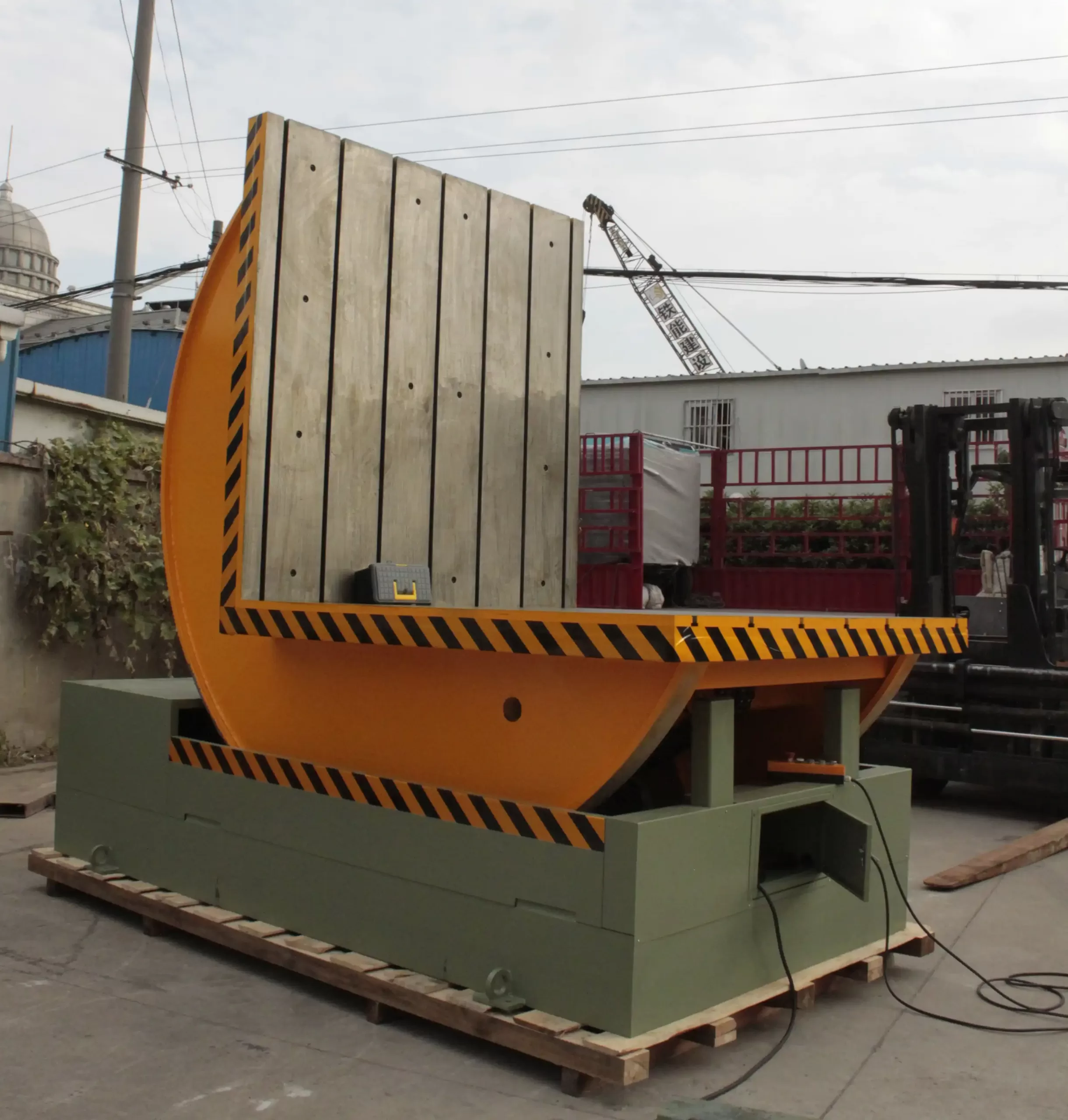 Contact protection plates are strategically placed to block access to areas where crushing hazards are present. Typically made of robust materials like steel and often brightly colored (yellow/black) for high visibility, these plates act as a solid barrier.
| Feature | Description | Benefit |
|---|---|---|
| Material | Heavy-duty steel or equivalent | High impact resistance, durable protection |
| Placement | Around potential pinch points and moving parts | Prevents accidental entry into danger zones |
| Visibility | Yellow and black striped pattern (common) | Clearly demarcates danger areas, enhances awareness |
| Optional additions | Rubber linings or padding | Further reduces impact risk and protects mold surfaces |
| Customization | Bespoke shapes and sizes available | Adapts to specific mold flipper models and operational needs |
The design and implementation of contact protection are not standardized across all manufacturers, leading to varying degrees of protection. It’s essential for buyers to verify the extent and robustness of these plates, ensuring they adequately cover all critical hazard zones. Furthermore, the integration should allow for maintenance and access without compromising the safety integrity of the system.
1.2 Guard Brackets: Maintaining Safe Distances
Guard brackets, often designed in a hoop shape, serve to maintain a safe distance between operators and the mold flipper’s moving components. These brackets are strategically positioned around the front and rear zones of the machinery, creating a protective perimeter.
| Feature | Description | Benefit |
|---|---|---|
| Design | Hoop or frame-like structure | Provides robust spatial separation |
| Zone Coverage | Front and rear operational zones | Comprehensive protection around the most active areas |
| Material | Steel tubing or solid bar stock | High strength, withstands accidental impacts |
| Mounting | Securely bolted to the mold flipper frame | Prevents displacement and maintains barrier integrity |
| Customization | Adaptable height and reach | Tailored to different mold sizes and operational layouts |
While guard brackets offer substantial protection, their effectiveness depends on correct installation and maintenance. Regular inspections are necessary to ensure brackets remain securely fastened and undamaged. Moreover, operators must be trained to respect these physical boundaries and not bypass or disable them for convenience. The combination of contact protection and guard brackets forms a foundational layer of physical safety, significantly reducing the risk of direct physical harm during mold handling operations.
2. Electronic Safety Systems for Enhanced Protection
Beyond physical barriers, modern mold flippers incorporate advanced electronic safety systems to provide an additional layer of protection. These systems often involve sensors, controls, and automated responses to hazardous situations.
What electronic safety systems are critical in mold flippers? Key electronic safety features include emergency stop buttons for immediate halts, light curtains and safety fences to detect zone intrusions, overload protection to prevent machinery stress, and remote controls for safe operation from a distance.
Electronic safety systems are not just about preventing accidents; they also contribute to operational efficiency and reduce downtime. Let’s examine some of these crucial electronic safeguards in detail.
2.1 Emergency Stop Buttons: Immediate Hazard Control
Emergency stop (E-stop) buttons are a fundamental safety component on any machinery, including mold flippers. These prominently placed, typically red buttons allow operators to immediately halt all machine operations in case of an emergency.
| Feature | Description | Benefit |
|---|---|---|
| Location | Easily accessible positions around the machine | Quick activation in emergency situations |
| Color & Shape | Red button on yellow background (standard) | High visibility and easy identification |
| Functionality | Immediate power cut-off to all moving parts | Rapidly stops all hazardous motion |
| Reset Mechanism | Manual reset required after activation | Prevents accidental restart and ensures deliberate reactivation |
| Redundancy | Multiple E-stop buttons at strategic points | Increased accessibility and reliability |
The effectiveness of E-stop buttons relies on their accessibility and reliability. Regular checks should be performed to ensure they are functioning correctly and are not obstructed. Training operators on the location and proper use of E-stop buttons is also paramount for safety. E-stop systems are a last-resort safety measure but are indispensable in mitigating immediate danger.
2.2 Light Curtains and Safety Fences: Perimeter Monitoring
Light curtains and safety fences are perimeter guarding systems that use photoelectric sensors to detect when someone or something enters a hazardous area. When the light beam is broken, the system triggers a stop command, halting machine movement.
| Feature | Light Curtains | Safety Fences | Benefit |
|---|---|---|---|
| Detection Method | Infrared light beams creating a sensing field | Physical barrier with optional sensor integration | Zone protection, prevents unauthorized access to dangerous areas |
| Response Time | Very fast, near-instantaneous | Depends on sensor type, typically fast | Quick reaction to intrusion, minimizes risk of accident |
| Application | Perimeter guarding around the operational zone | Physical boundary definition, access control | Creates a safe operational envelope, restricts entry to hazard zones |
| Integration | Seamless integration with machine control system | Can be integrated with interlocks and alarms | Automatic machine stop upon intrusion, enhanced safety management |
| Flexibility | Can be configured for various shapes and sizes | Fixed barrier, robust physical protection | Adaptable perimeter protection, scalable to different machine layouts |
Light curtains offer a non-physical barrier solution, allowing for easy access for material loading and unloading while maintaining safety during operation. Safety fences provide a more robust physical barrier and can be combined with interlocks that stop the machine if a gate is opened. The choice between light curtains and safety fences, or a combination of both, depends on the specific operational needs and risk assessment of the mold handling process.
2.3 Overload Protection Systems: Preventing Mechanical Stress
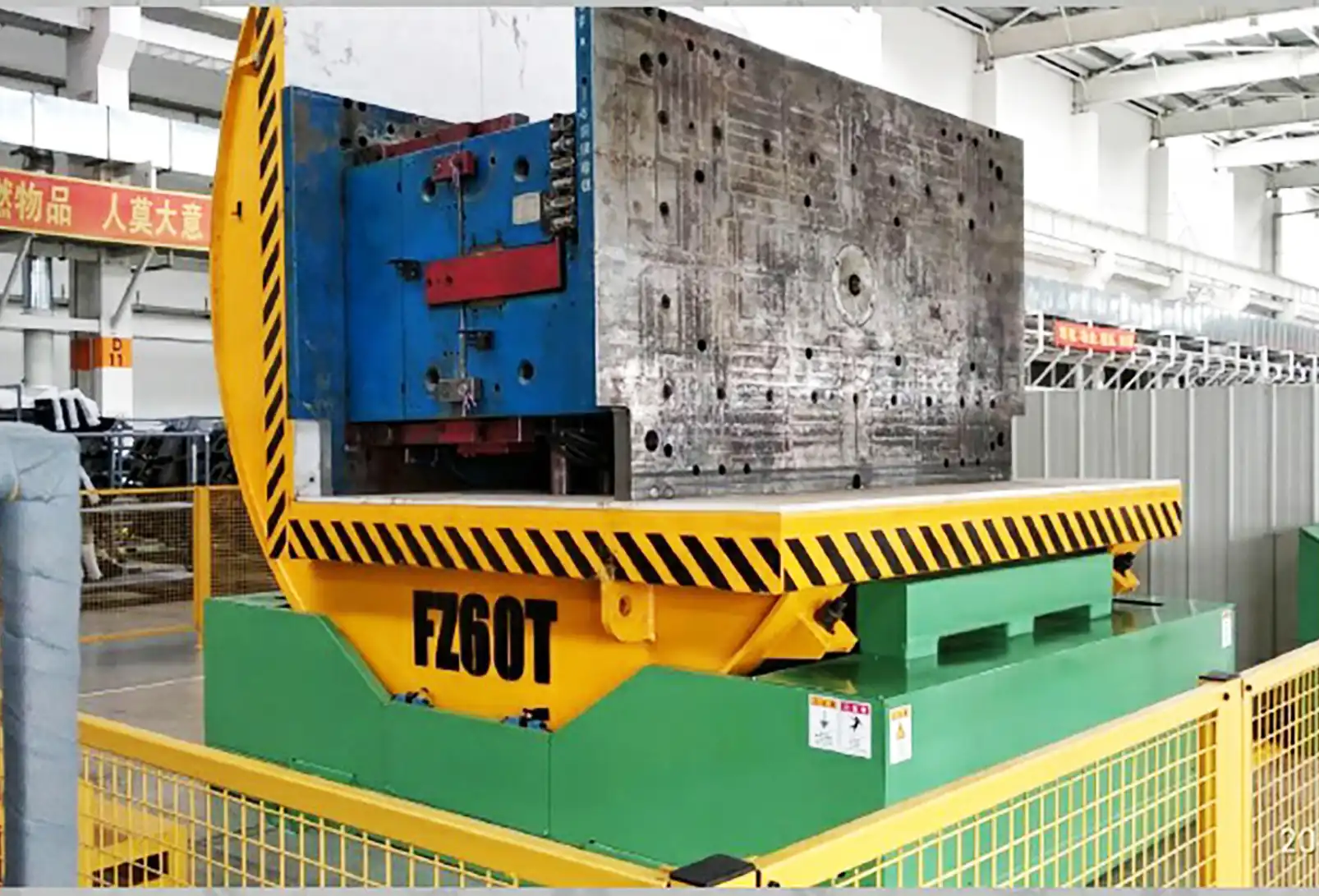 Overload protection systems are designed to prevent the mold flipper from handling loads exceeding its specified capacity. These systems typically use sensors to monitor weight and force, triggering a safety mechanism if limits are approached or exceeded.
| Feature | Description | Benefit |
|---|---|---|
| Sensing Method | Load cells, pressure sensors in hydraulic systems | Real-time monitoring of load weight and stress on machinery |
| Trigger Mechanism | Electronic control system, alarm and stop command | Prevents operation beyond safe load limits |
| Protection Type | Machine protection and operator safety | Avoids mechanical failure, extends machine lifespan, prevents accidents |
| Alarm System | Audible and visual alarms | Alerts operators to overload conditions, prompts corrective action |
| Adjustment | Calibrated and adjustable settings | Adaptable to different mold types and operational requirements |
Overload protection is crucial for preventing catastrophic mechanical failures and ensuring the longevity of the mold flipper. Regular calibration and testing of these systems are essential to guarantee their reliability. Operators should be trained to understand the machine’s load limits and heed overload warnings. This safety feature not only protects personnel but also safeguards the investment in the machinery and the molds themselves.
2.4 Remote Operation Controls: Safe Distance Management
Remote operation controls allow operators to control the mold flipper from a safe distance, outside of the immediate hazard zone. Typically, these controls are radio-controlled, offering flexibility and freedom of movement.
| Feature | Description | Benefit |
|---|---|---|
| Control Type | Radio remote control (common), pendant control (wired) | Allows operation from a safe distance, flexible control options |
| Range | Sufficient operational range for safe maneuvering | Operator can maintain a safe distance from moving parts during operation |
| Interface | User-friendly interface with clear controls | Easy and intuitive operation, reduces operator error |
| Safety Features | Emergency stop button on remote, dead man’s switch | Redundant safety controls, ensures operator presence and control |
| Ergonomics | Lightweight and ergonomic design | Reduces operator fatigue, improves control and safety over long shifts |
Remote controls enhance safety by removing the operator from the immediate vicinity of the moving mold and machinery during operation. This is particularly valuable during the turning and tilting processes where pinch points and crushing hazards are most prevalent. Training operators on the correct and safe use of remote controls is essential for maximizing their safety benefits.
3. Tailored Safety Options and Customization
Beyond standard safety features, many mold flipper manufacturers offer tailored safety options and customization to meet specific operational demands and risk profiles.
What customized safety enhancements are available for mold flippers? Options include bespoke platforms tailored to specific mold sizes, specialized table plates for secure mold mounting, and additional guarding or sensing systems based on unique workplace requirements.
Customization in safety features reflects the diverse range of applications and environments where mold flippers are used. Let’s consider some examples of these tailored safety enhancements.
3.1 Bespoke Platforms and Table Plates: Secure Mold Handling
Custom platforms and table plates are designed to accommodate specific mold dimensions and shapes, ensuring secure and stable mounting during flipping operations. These tailored solutions minimize the risk of mold slippage or instability, which could lead to accidents.
| Customization | Description | Benefit |
|---|---|---|
| Platform Size & Shape | Customized dimensions and contours | Optimal fit for specific mold sizes, enhances stability |
| Table Plate Material | Steel, PE, T-slot, custom materials | Choice of material to suit mold type and operational needs |
| Mounting Features | Individual mounting holes, centering aids, brackets | Secure and precise mold positioning, prevents movement during flipping |
| Surface Treatment | Wear-resistant coatings, non-slip surfaces | Enhanced grip, protects mold surfaces, prolongs component life |
| Integration | Seamless integration with mold flipper structure | Maintains structural integrity and safety performance |
Bespoke platforms and table plates are not just about convenience; they are a critical safety consideration, especially when handling irregularly shaped or exceptionally heavy molds. Properly designed mounting solutions significantly reduce the risk of load shifting and associated hazards.
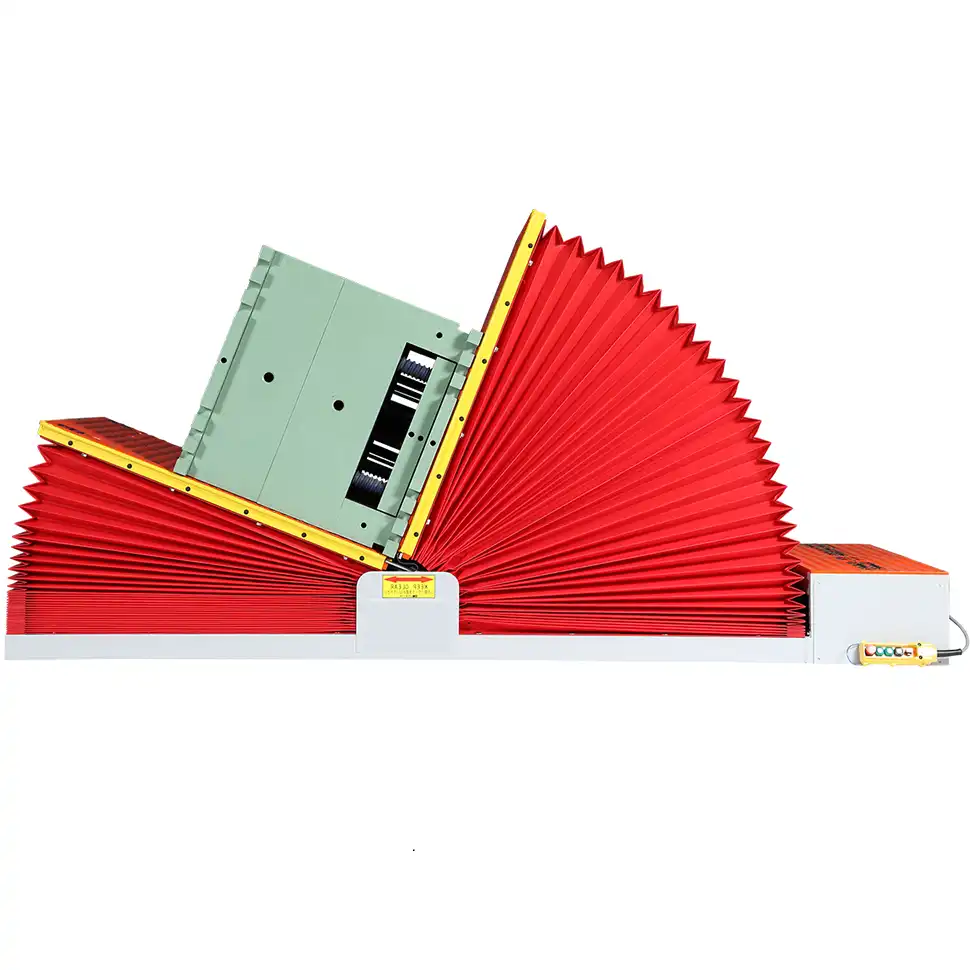
3.2 Additional Guarding and Sensing: Enhanced Risk Mitigation
Beyond standard guards and sensors, additional safety measures can be integrated based on a thorough risk assessment of the specific operating environment. This might include extra light curtains, safety scanners, pressure-sensitive mats, or specialized interlock systems.
| Additional Safety | Description | Benefit |
|---|---|---|
| Safety Scanners | Advanced laser scanners for complex zone monitoring | More flexible and adaptable perimeter protection for irregular shapes |
| Pressure Mats | Floor mats that detect presence and trigger stops | Area monitoring around the machine, prevents access to hazard zones |
| Interlock Systems | Enhanced interlocking for gates and access points | Ensures physical barriers are in place before machine operation allowed |
| Audible/Visual Alarms | Additional alarms for motion, overload, or safety breaches | Enhanced operator awareness of potential hazards or machine status |
| Custom Risk Assessment | Tailored safety analysis for specific applications | Identifies and addresses unique risks, ensures comprehensive safety plan |
The selection and implementation of additional guarding and sensing should be guided by a professional risk assessment. This ensures that safety measures are appropriately targeted to the specific hazards present in the workplace, creating a truly safe and efficient mold handling environment.
4. Integrating Safety with Operational Efficiency
Safety protection devices in mold flippers are not just about preventing accidents; they are also integral to improving operational efficiency and reducing costs. A safe working environment is inherently a more productive environment.
How do safety features contribute to the efficiency of mold flipper operations? Safety devices reduce the risk of accidents and downtime, streamline mold handling processes, and minimize potential damage to expensive molds and machinery. This translates to lower operational costs and increased productivity.
Investing in safety is not an expense but a strategic investment that yields significant returns in the long run. Let’s explore the economic benefits of safety in mold handling.
4.1 Reducing Downtime and Damage: Cost Savings
Accidents involving mold handling can lead to significant downtime for repairs and investigations, as well as potential damage to molds and the mold flipper itself. Robust safety protection devices minimize these risks, leading to substantial cost savings.
| Impact of Accidents | Cost Implications | Safety Feature Benefit |
|---|---|---|
| Operator Injury | Medical expenses, lost time, compensation claims | Physical barriers, electronic sensors, remote controls prevent accidents |
| Mold Damage | Repair or replacement costs, production delays | Secure mounting, overload protection minimizes mold damage |
| Machine Damage | Repair costs, downtime, production disruption | Overload protection, robust construction prevents machine failure |
| Legal Liabilities | Fines, lawsuits, reputational damage | Comprehensive safety systems demonstrate due diligence and compliance |
| Insurance Premiums | Increased premiums due to accident history | Lower accident rates lead to reduced insurance costs |
By preventing accidents and damage, safety protection devices directly contribute to cost savings. The payback period for investing in a safe mold flipper, as highlighted in some manufacturers’ data, can be remarkably short, often less than a year, due to the avoided costs associated with accidents and downtime.
4.2 Streamlining Operations: Enhancing Productivity
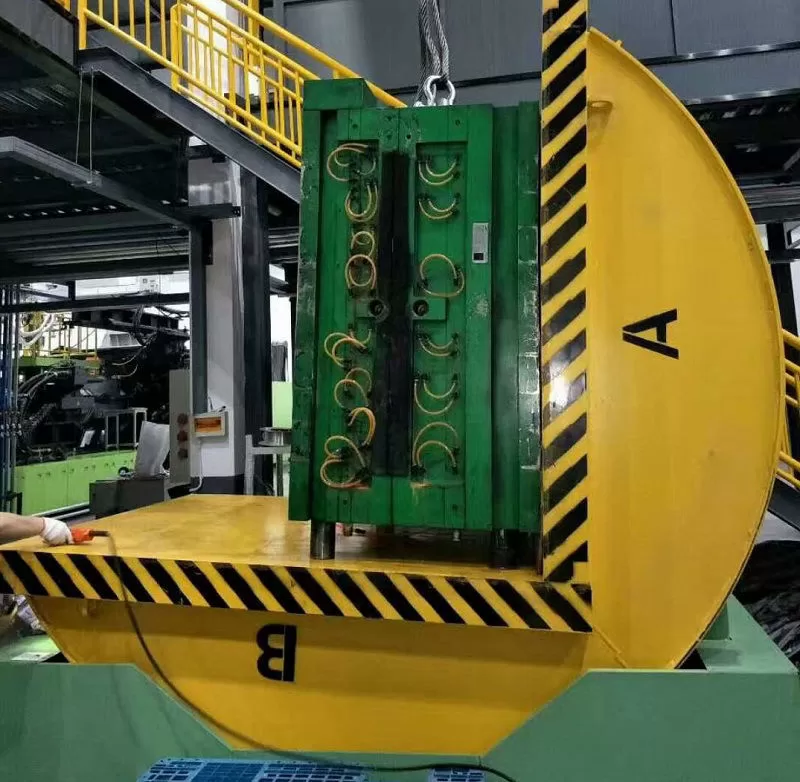
A safe working environment fosters operator confidence and allows for smoother, more efficient workflows. When operators feel secure, they can perform their tasks with greater focus and speed, leading to increased productivity.
| Operational Benefit | Safety Feature Contribution | Productivity Impact |
|---|---|---|
| Operator Confidence | Robust safety systems instill trust and security | Reduced stress, increased focus, improved performance |
| Efficient Workflow | Safe and predictable operation, reduced risk of interruptions | Smoother processes, faster cycle times, increased throughput |
| Reduced Manual Handling | Mold flippers automate heavy lifting and turning | Faster mold changes, less operator fatigue, optimized resource utilization |
| Ergonomic Operation | Remote controls, user-friendly interfaces | Reduced physical strain, improved operator comfort, sustained productivity |
| Faster Maintenance | Safe and easy access for mold maintenance with flipper assistance | Reduced downtime for maintenance, quicker turnaround times |
Safety is not a hindrance to efficiency but rather an enabler. By creating a secure and well-organized mold handling process, safety protection devices contribute directly to enhanced productivity and operational excellence.
Conclusion
Safety protection devices are not optional add-ons but integral components of modern mold flippers. From physical barriers like contact plates and guard brackets to electronic systems such as emergency stops, light curtains, and overload protection, these features collectively create a safer and more efficient mold handling environment. Customization options further enhance safety, tailoring solutions to specific operational needs.
Investing in comprehensive safety protection for mold flippers is a prudent decision that yields significant benefits. It not only safeguards operators from potential harm but also reduces downtime, minimizes damage, streamlines operations, and ultimately contributes to a more productive and cost-effective manufacturing process. By prioritizing safety, industries can ensure a sustainable and responsible approach to mold handling, benefiting both their workforce and their bottom line.








