
How to Increase the Automation Level of Mold Upenders?
Mold upenders have become indispensable in modern manufacturing, significantly easing the handling of heavy molds. However, to maximize efficiency and safety, further automation is key. Exploring advanced technologies and strategic implementations can dramatically increase the automation level of these crucial machines.
To increase the automation level of mold upenders, integrate advanced technologies like IoT for real-time monitoring and predictive maintenance, AI for adaptive control and autonomous operation, and modular designs for customization and seamless integration with smart factory systems. These enhancements minimize manual intervention, optimize performance, and ensure safer, more efficient mold handling.
Ready to elevate your mold handling processes? Let’s explore the specific strategies and technologies that can drive your mold upender automation to the next level, unlocking unprecedented efficiency and safety in your operations.
1. Understanding Automation’s Role in Modern Mold Upenders
Mold upenders, essential for safely rotating heavy molds, have evolved significantly from basic manual devices. Automation is now central to their functionality, enhancing precision, safety, and efficiency in mold handling across diverse industries.
Automation in mold upenders is crucial for minimizing manual labor, reducing workplace accidents, and boosting productivity. By integrating automated systems, these machines offer controlled, precise movement and faster cycle times compared to manual or semi-automated methods. This leads to significant improvements in operational efficiency and safety within mold handling processes, making automation an indispensable component of modern mold upender technology.
To truly appreciate the transformative impact of automation, let’s delve deeper into how it reshapes mold handling and the key areas where increased automation can bring about substantial improvements.
Unpacking the Degrees of Automation in Mold Upender Systems
Automation in mold upenders isn’t a one-size-fits-all concept. It exists on a spectrum, ranging from basic assistance to fully autonomous operation. Understanding these degrees of automation is crucial for strategically enhancing your mold handling processes.
| Automation Level | Description | Key Features | Benefits |
|---|---|---|---|
| Manual Operation | Basic mechanical devices requiring direct human power for tilting. | Levers, hand cranks, basic hydraulic cylinders. | Low initial cost, simple mechanics. |
| Mechanized Assistance | Hydraulics or pneumatics assist with lifting and tilting, but require operator control. | Hydraulic cylinders, pneumatic actuators, basic controls. | Increased lifting capacity, improved control compared to manual. |
| Semi-Automation | Some functions automated, such as tilting cycles, with operator oversight. | Programmable Logic Controllers (PLCs), sensors for basic positioning. | Reduced manual intervention, improved cycle consistency, enhanced safety features. |
| Full Automation | Minimal to no human intervention, with systems capable of autonomous operation. | Advanced sensors, AI-driven controls, IoT integration, robotic interfaces. | Optimized efficiency, predictive maintenance, remote operation, maximum safety and precision. |
As you move up the automation ladder, the benefits compound. Full automation not only reduces labor costs and enhances safety but also unlocks capabilities like predictive maintenance and remote diagnostics, pushing operational efficiency to new heights. Choosing the right degree of automation depends on your specific needs, budget, and long-term operational goals. However, the trend is clear: increasing automation is the pathway to maximizing the potential of mold upender systems.
2. Leveraging Technology to Enhance Automation in Mold Upenders
The journey to higher automation levels in mold upenders is paved with technological innovation. Integrating cutting-edge technologies is not just about modernization; it’s about fundamentally transforming how mold handling is approached, making it smarter, safer, and more efficient.
To effectively enhance automation in mold upenders, focus on integrating advanced sensors for precise positioning, Programmable Logic Controllers (PLCs) for automated cycles, and sophisticated hydraulic or electric systems for controlled movement. Further improvements come from incorporating IoT for real-time data monitoring and AI for adaptive, autonomous operation. These technological upgrades collectively contribute to a significant increase in automation, leading to optimized performance and reduced manual intervention in mold handling processes.
Let’s explore specific technologies and how they can be strategically applied to elevate the automation quotient of mold upenders.
Deep Dive into Automation Technologies for Mold Upenders
Modernizing mold upenders for enhanced automation involves a suite of technologies working in concert. Each technology contributes unique capabilities, and their combined effect is a significantly more intelligent and efficient mold handling system.
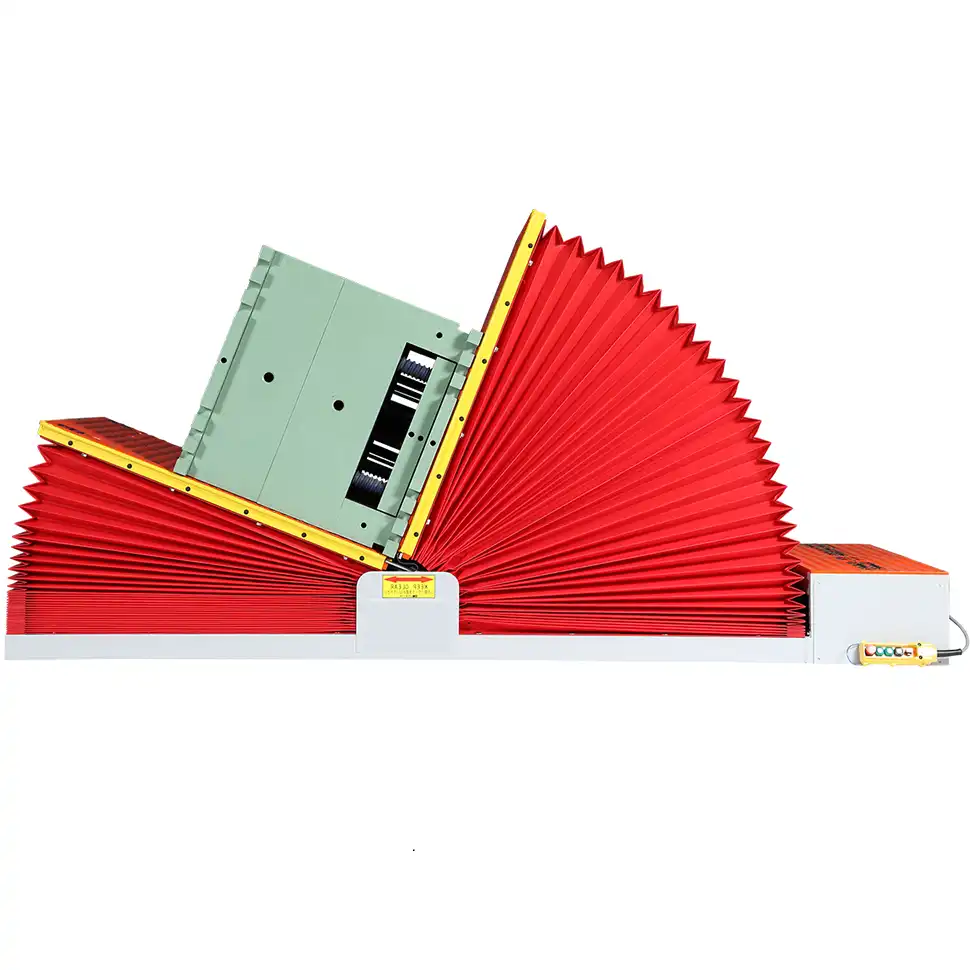
-
Advanced Sensor Systems: Precision is paramount in mold handling. Modern upenders utilize sophisticated sensor systems, including laser scanners, vision systems, and high-accuracy position sensors. These sensors provide real-time feedback on mold position, orientation, and load, enabling precise and repeatable movements. This accuracy is critical for automated cycles and ensures molds are handled without damage.
-
Programmable Logic Controllers (PLCs): PLCs are the brains of automated upender systems. They control the sequence of operations, manage sensor inputs, and direct the hydraulic or electric actuators. Advanced PLCs can be programmed with complex cycles, allowing for customized handling procedures for different mold types and sizes. Integration with higher-level manufacturing execution systems (MES) is also facilitated through PLCs, enabling seamless data exchange and process integration.
-
Hydraulic and Electric Drive Systems: The power behind automated mold upenders comes from advanced drive systems. Hydraulic systems are known for their high power and robustness, ideal for very heavy molds. Modern hydraulic systems incorporate proportional valves and closed-loop control for smooth, precise movements and energy efficiency. Electric drive systems are gaining traction, offering cleaner operation, quieter performance, and excellent precision, particularly for lighter to medium-weight molds. Servo motors and variable frequency drives (VFDs) in electric systems provide fine-tuned control and energy savings.
-
Internet of Things (IoT) Integration: Connecting mold upenders to the IoT transforms them into data-rich assets. IoT sensors continuously monitor performance metrics like cycle times, load weights, energy consumption, and system health. This data is transmitted to cloud platforms for analysis, providing real-time insights into operational efficiency and potential issues. Predictive maintenance becomes a reality with IoT, as data analytics can identify patterns indicating impending failures, allowing for proactive maintenance and minimizing downtime.
-
Artificial Intelligence (AI) and Machine Learning (ML): AI and ML are the frontiers of mold upender automation. AI-powered systems can learn and adapt to optimize handling cycles in real-time. For example, AI algorithms can analyze sensor data to automatically adjust tilting speeds and pressures based on mold characteristics, maximizing throughput and minimizing stress on the equipment and molds. Autonomous operation is the ultimate goal, with AI-driven upenders capable of making decisions and executing tasks without human intervention, seamlessly integrating with robotic material handling systems and smart factories.
By strategically integrating these technologies, manufacturers can achieve significantly higher levels of automation in their mold upender systems, driving unprecedented gains in efficiency, safety, and productivity. The key is a holistic approach, combining the right technologies to address specific operational needs and future goals.
3. Step-by-Step Guide to Improving Automation Degree
Improving the automation level of mold upenders is a progressive journey, not an overnight transformation. A structured, step-by-step approach ensures effective implementation and maximizes the benefits of automation upgrades.
To systematically improve the automation degree of mold upenders, start with a thorough assessment of current processes to identify automation gaps. Then, prioritize upgrades based on ROI and feasibility, beginning with foundational automation like PLC integration for cycle control. Progress to advanced sensor implementation for precision and consider IoT for data monitoring. Finally, explore AI-driven autonomous features for maximum automation and future-proof your system with modular designs for scalable upgrades.
Let’s outline a practical, phased approach to guide you through this improvement process.
Phased Implementation for Enhanced Automation
A phased approach allows for manageable investments, demonstrable ROI at each stage, and a smoother transition to higher automation levels. Here’s a recommended step-by-step guide:
| Phase | Focus Area | Key Actions | Expected Outcomes |
|---|---|---|---|
| Phase 1: Assessment & Foundational Automation | Process Analysis & Basic Automation | 1. Conduct a thorough assessment of current mold handling processes. | Clear identification of automation gaps and areas for improvement. |
| 2. Identify bottlenecks and safety concerns in manual operations. | Prioritized list of automation upgrades based on ROI and impact. | ||
| 3. Implement basic automation: PLC integration for automated tilting cycles. | Reduced manual labor, consistent cycle times, initial safety improvements. | ||
| Phase 2: Precision & Data Acquisition | Advanced Sensors & IoT Readiness | 1. Integrate advanced sensor systems for precise mold positioning and load monitoring. | Enhanced precision, reduced mold damage, improved safety control. |
| 2. Implement IoT sensors for data collection (cycle times, energy use, etc.). | Real-time data insights, foundation for predictive maintenance. | ||
| 3. Establish data monitoring and analysis infrastructure. | Data-driven decision-making for process optimization. | ||
| Phase 3: Intelligent Automation & Optimization | AI & Modular Design | 1. Explore AI-driven adaptive control for optimized cycle parameters. | Autonomous operation, maximized efficiency, reduced operator intervention. |
| 2. Implement predictive maintenance based on IoT data analysis. | Minimized downtime, proactive maintenance scheduling, extended equipment life. | ||
| 3. Adopt modular upender designs for future scalability and customization. | Future-proof system, adaptable to changing needs and technological advancements. |
This phased approach allows manufacturers to incrementally enhance automation, demonstrating value at each stage and building towards a fully automated, intelligent mold handling system. Starting with a clear assessment and progressing strategically through each phase ensures a successful and impactful automation journey.
4. Real-World Benefits of Increased Automation
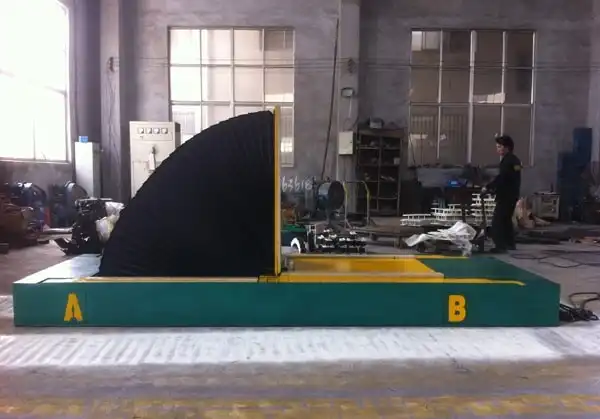
Increased automation in mold upenders translates directly into tangible benefits for manufacturing operations. Beyond just technological advancement, it drives significant improvements in key operational metrics that impact the bottom line and overall competitiveness.
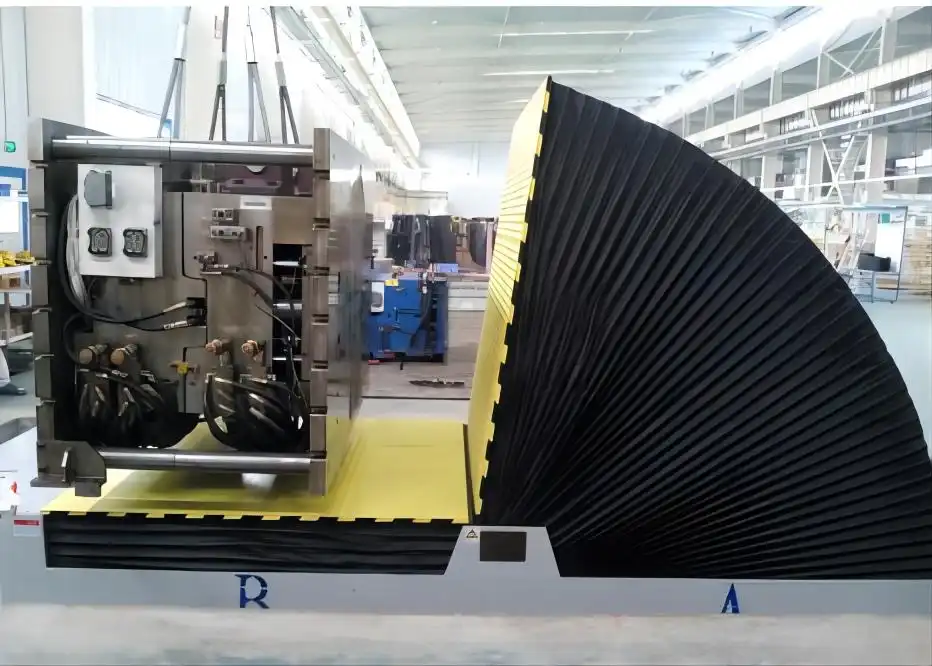
Increasing automation in mold upenders yields substantial benefits, including significantly enhanced safety by minimizing manual handling risks, improved efficiency through faster cycle times and reduced downtime, and considerable cost savings from reduced labor needs and less mold damage. These advantages collectively contribute to a more productive, safer, and more profitable manufacturing environment, making automation a strategic investment for modern mold handling.
The advantages are multifaceted, impacting safety, efficiency, cost, and quality. Let’s examine the real-world improvements that increased automation brings.
Benefits of Increased Automation in Mold Upenders
 |
Benefit Category | Specific Improvement | Impact |
|---|---|---|---|
| Enhanced Safety | Reduced manual handling of heavy molds | Significantly lower risk of workplace accidents and injuries. | |
| Precise, controlled mold movement | Minimized risk of dropped molds and related damage. | ||
| Improved Efficiency | Faster mold changeover and maintenance cycles | Increased throughput and reduced production downtime. | |
| Optimized workflow integration | Streamlined material flow and reduced bottlenecks. | ||
| Cost Savings | Reduced labor requirements | Lower operational expenses and labor costs. | |
| Minimized mold damage and repair costs | Savings on mold maintenance and replacement. | ||
| Predictive maintenance and reduced downtime | Lower maintenance costs and maximized uptime. | ||
| Improved Quality | Consistent and precise mold handling | Reduced risk of mold misalignment and damage affecting product quality. | |
| Stable mold positioning | Ensures consistent manufacturing processes and higher product uniformity. |
Conclusion
Elevating the automation level of mold upenders is a strategic imperative for modern manufacturers. By embracing technological advancements and implementing a phased approach, businesses can unlock significant gains in safety, efficiency, and cost-effectiveness. From basic PLC integration to advanced AI-driven autonomy, each step towards increased automation brings tangible benefits, transforming mold handling from a cumbersome manual process into a streamlined, intelligent operation. Investing in mold upender automation is not just about upgrading equipment; it’s about future-proofing your manufacturing processes and achieving operational excellence. Explore our Collection to discover advanced material handling solutions that can revolutionize your operations.








