
What Methods Can Reduce Noise from Mold Flippers?
Is the clatter and bang of your mold flippers disrupting your workspace, impacting productivity, and raising safety concerns? Excessive noise from mold flipping machinery isn’t just an annoyance; it can lead to serious health issues for workers and decreased efficiency. Imagine a quieter, safer, and more productive environment where noise pollution is minimized.
Several effective methods can significantly reduce noise from mold flippers. These include vibration damping techniques applied to machine panels, vibration isolation mounts to decouple the flipper from supporting structures, acoustic enclosures to contain the noise, and source noise reduction by optimizing operational parameters and maintenance. Implementing these strategies can lead to a substantial decrease in noise levels, creating a healthier and more efficient industrial environment.
Ready to reclaim a peaceful and productive workspace? Let’s delve into the proven techniques that can silence your mold flippers and transform your facility.
Vibration Damping for Mold Flipper Noise Reduction
Are vibrations turning your mold flippers into noise amplifiers? The inherent mechanical operation of mold flippers can generate significant vibrations, which, if left unchecked, resonate through the machinery and surrounding structures, turning them into loudspeakers. This not only increases noise levels but also contributes to material fatigue and potential equipment damage.
Vibration damping is a highly effective method to reduce noise emanating from mold flippers. By applying damping materials to the vibrating panels and components of the flipper machinery, vibration energy is dissipated as heat, thus reducing the amplitude of vibrations and consequently the radiated noise. Both unconstrained and constrained layer damping techniques can be employed, with constrained layer damping offering superior performance for significant noise reduction. This approach is cost-effective, durable, and can be applied to various parts of the mold flipper system.
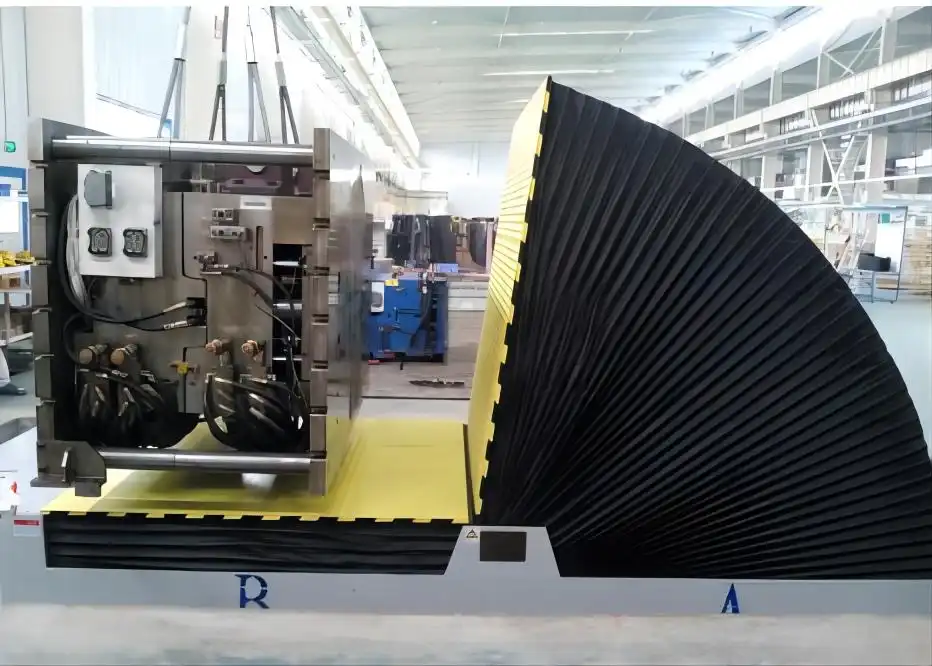
To truly understand how vibration damping can revolutionize your noise control strategy, let’s break down the science and application of these techniques.
Understanding Vibration Damping Techniques
Vibration damping works by introducing materials that absorb and dissipate vibrational energy. There are two primary methods:
Unconstrained Layer Damping (ULD)
ULD involves applying a layer of high damping material, such as bituminous rubber or specialized polymers, directly to the vibrating surface.
- Mechanism: As the mold flipper panel vibrates, it bends and flexes the damping material. This deformation causes the damping material to stretch and compress, converting some of the vibration energy into heat due to the material’s internal friction.
- Application: ULD is straightforward to apply, often using adhesive backing to simply stick damping sheets onto machine panels, chutes, guards, and other vibrating components.
- Effectiveness: ULD is effective for thinner panels and can provide noticeable noise reduction, particularly in the mid to high-frequency ranges.
Constrained Layer Damping (CLD)
CLD is a more advanced technique that involves sandwiching a layer of damping material between two layers of rigid material, typically metal sheets.
- Mechanism: In CLD, when vibration occurs, the rigid layers shear the damping material in between. This shearing action is far more effective at dissipating vibration energy than the stretching and compression in ULD. The entire volume of the damping material is utilized, leading to significantly higher damping efficiency.
- Application: CLD can be implemented by using commercially available sound-damped steel (SDS), which is pre-manufactured with a constrained damping layer. Alternatively, it can be constructed in situ by applying a damping layer and then a constraining layer to existing machine components.
- Effectiveness: CLD is significantly more efficient than ULD, often providing up to 30 times greater damping. It is particularly effective for thicker panels and across a broader frequency range. SDS also addresses hygiene and durability concerns associated with stick-on damping solutions.
Comparing ULD and CLD for Mold Flippers
To illustrate the difference in effectiveness, consider the following comparison:
| Feature | Unconstrained Layer Damping (ULD) | Constrained Layer Damping (CLD) |
|---|---|---|
| Damping Efficiency | Lower | Higher |
| Frequency Range | Mid to High | Broader |
| Panel Thickness | Best for Thinner Panels | Effective for Thicker Panels |
| Durability | Can be prone to peeling, wear | More Durable, Hygienic (SDS) |
| Noise Reduction | Noticeable | Significant |
| Application | Simpler | Can be more complex for retrofitting |
| Cost | Lower initial cost | Potentially higher initial cost |
For mold flippers, which often involve substantial steel structures, CLD is generally the preferred method for achieving maximum noise reduction. However, ULD can still be a valuable and cost-effective option for less critical areas or as a supplementary treatment. The choice depends on the specific noise reduction goals, budget, and the structural characteristics of the mold flipper machinery.
Vibration Isolation for Quieter Mold Flipper Operation
Is structural vibration amplifying your mold flipper noise? When mold flippers operate, the vibrations they generate can transmit through the floor and supporting structures, turning these surfaces into large soundboards that radiate noise throughout your facility. This structural transmission can be a significant source of noise pollution, even if the machinery itself is relatively quiet.
Vibration isolation is a crucial technique to decouple mold flippers from the building structure, preventing vibration transmission and significantly reducing radiated noise. By strategically placing vibration isolation mounts, such as rubber pads or specialized isolators, between the mold flipper and the floor, the path of vibration is interrupted. This minimizes the structure-borne noise, leading to a quieter operational environment. This method is cost-effective and particularly beneficial when machinery is bolted to steel beams or mezzanine floors.
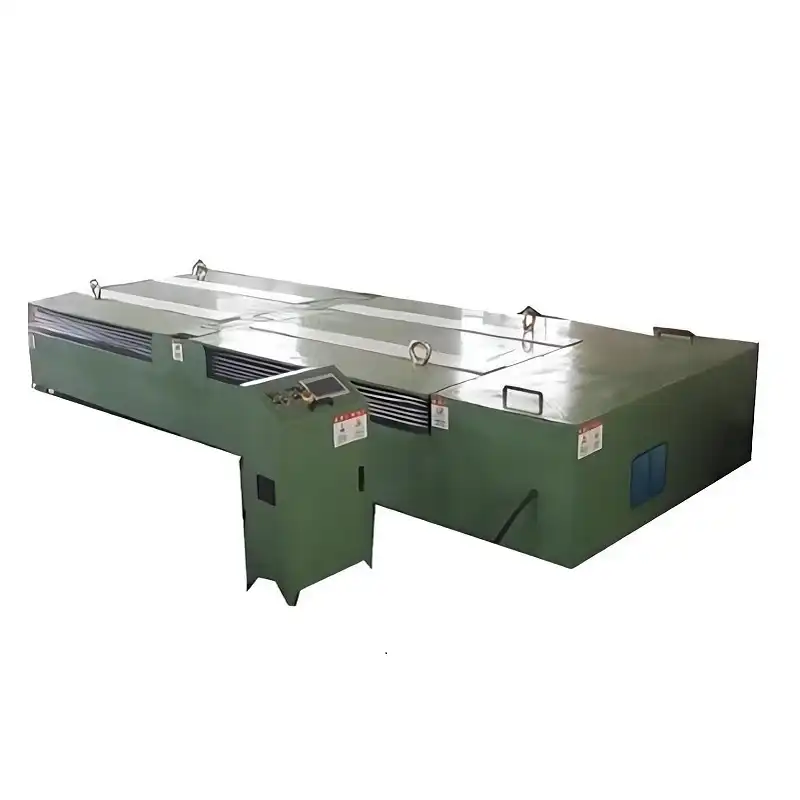
Let’s explore how vibration isolation works in detail and how to effectively implement it for mold flipper systems.
-Delving Deeper into Vibration Isolation Techniques
Vibration isolation aims to reduce the transmission of vibration from a source (mold flipper) to a receiver (building structure). Effective isolation involves several key principles:
Selecting the Right Isolation Material
The choice of isolation material is critical and depends on the frequency of vibration and the load being supported. Common materials include:
- Rubber Bonded Cork: A versatile and cost-effective option for many industrial applications. It offers good damping and isolation properties for a range of frequencies.
- Elastomeric Pads: Various types of rubber and polymer pads are available, offering different levels of stiffness and damping. Selection depends on the specific vibration characteristics of the mold flipper.
- Spring Isolators: For very low-frequency vibrations, spring isolators can be highly effective. However, they may require additional damping to prevent resonance.
Avoiding Rigid Connections
A common mistake in vibration isolation is creating “short circuits” that bypass the isolators. This often happens when bolts are tightened directly through the isolation pads without proper consideration.
- Bolt Isolation: To prevent short-circuiting, use flexible elements (thinner pads of the isolation material) under the bolt heads, along with load-spreading washers or plates. This ensures that the bolts do not rigidly connect the machine to the structure, bypassing the isolation.
- Flexible Couplings: For connected utilities like pipes or conduits, use flexible couplings to prevent vibration transmission through these pathways.
Proper Installation and Load Distribution
Correct installation is crucial for the effectiveness of vibration isolation:
- Even Load Distribution: Ensure the load is evenly distributed across all isolators. Uneven loading can reduce isolation performance and potentially damage the isolators.
- Avoid Over-tightening: Do not over-tighten bolts on isolation mounts, as this can compress the isolation material excessively and reduce its effectiveness. Use nyloc nuts or thread-locking compounds to prevent loosening.
Limitations of Vibration Isolation
While highly effective, vibration isolation has limitations:
- Low-Frequency Vibration: Isolation is generally less effective at very low frequencies (below 200Hz). For low-frequency noise, other methods like damping or enclosures may be necessary.
- Source Location: If the vibrating source is directly coupled to a very large, inert mass (like a concrete floor), isolation may not significantly reduce the overall noise level, as the concrete floor itself is less prone to radiating high-frequency noise.
By carefully selecting materials, implementing proper installation techniques, and understanding the limitations, vibration isolation can be a powerful tool in reducing mold flipper noise and creating a quieter industrial environment.
Acoustic Enclosures for Mold Flippers: Containing the Noise
Is airborne noise escaping from your mold flipper area, impacting the wider workspace? Even with vibration damping and isolation, significant airborne noise can still emanate directly from the mold flipper machinery itself. This noise can propagate throughout the facility, affecting workers in adjacent areas and potentially exceeding regulatory noise limits.
Acoustic enclosures provide a robust solution for containing mold flipper noise at its source. By constructing barriers around the machinery, enclosures block the direct path of airborne noise, preventing it from spreading into the surrounding environment. Effective enclosures are designed to minimize gaps and incorporate sound-absorbing materials to reduce reverberation and further lower noise levels. This approach is particularly effective for reducing overall noise exposure and creating quieter zones within a facility.
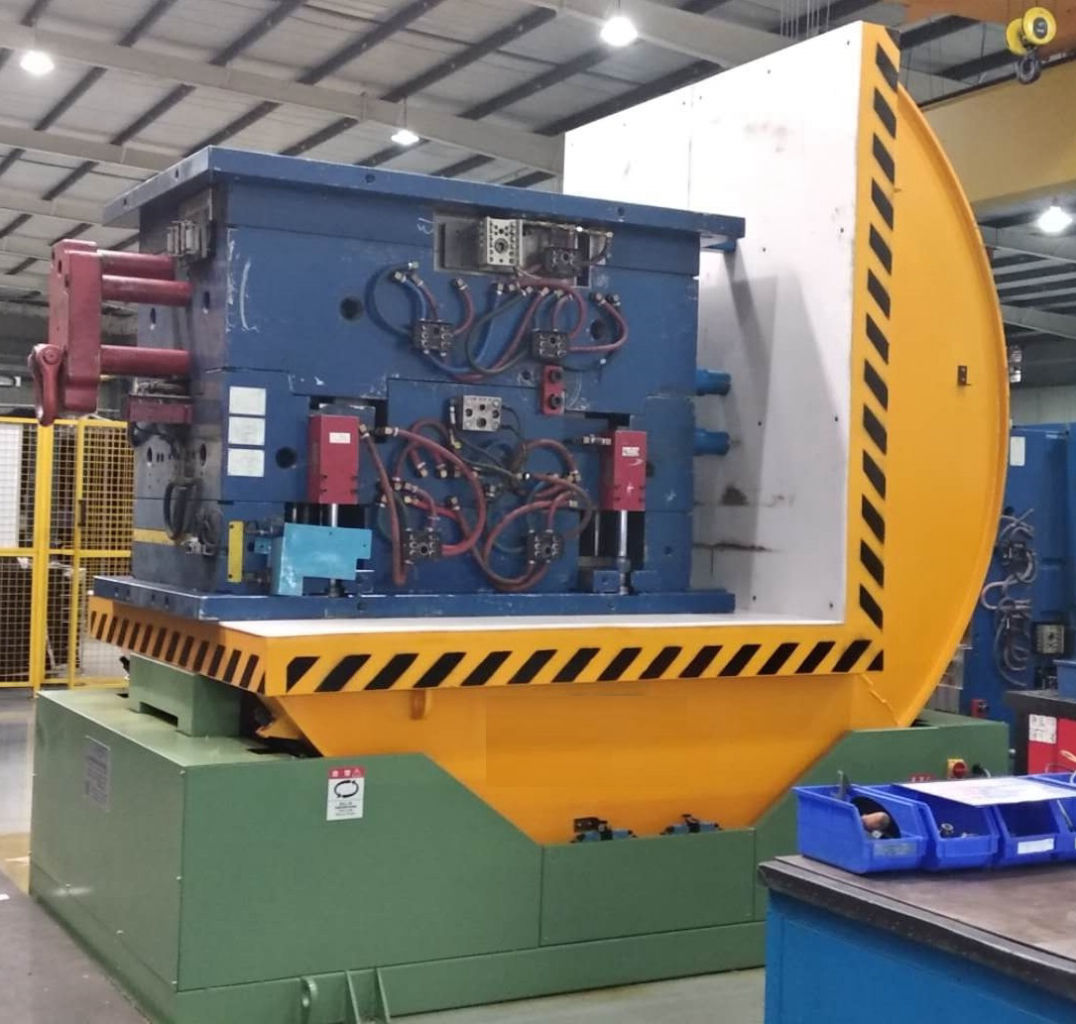
Let’s examine the key elements of designing and implementing effective acoustic enclosures for mold flipper noise control.
-Designing and Optimizing Acoustic Enclosures
Acoustic enclosures are not simply boxes around machinery; their effectiveness depends on careful design and attention to detail. Key design considerations include:
Minimizing Gaps and Leaks
Gaps are the weakest points in any enclosure, allowing noise to leak out and significantly reducing overall performance.
- Sealing Gaps: Minimize all gaps around doors, access panels, and cable penetrations. Use acoustic seals, gaskets, and overlapping panels to create airtight closures.
- Aperture Size: Keep any necessary openings (for ventilation, material feed, access) as small as possible and strategically located away from noise-sensitive areas.
Incorporating Sound-Absorbing Materials
Sound-absorbing materials inside the enclosure reduce the build-up of reverberant noise, which can otherwise escape through gaps or even the enclosure walls themselves.
- Acoustic Foam/Panels: Line the interior surfaces of the enclosure with sound-absorbing materials like acoustic foam, fiberglass, or mineral wool panels. The type and thickness of absorbent material should be chosen based on the frequency characteristics of the mold flipper noise.
- Hygienic Absorbents: In environments with hygiene requirements (e.g., food or pharmaceutical industries), use sealed, hygienic acoustic absorbent modules that are easy to clean and prevent particle accumulation.
Enclosure Materials and Construction
The materials used for the enclosure walls themselves also play a role in noise reduction.
- Mass Barrier: Use dense materials like steel, plywood, or mass-loaded vinyl for the enclosure walls to block sound transmission effectively. The heavier the material, the better its sound-blocking capability.
- Double-Wall Construction: For high noise reduction requirements, consider double-wall enclosures with an air gap and sound-absorbing material in between the layers. This significantly improves sound insulation.
Ventilation and Access
Enclosures must also address practical operational needs:
- Ventilation: Machinery inside enclosures can generate heat. Design ventilation systems to remove heat build-up while minimizing noise breakout. Use lined ducts or acoustic louvers to attenuate noise from ventilation openings.
- Access Doors: Provide access doors for maintenance and operation. Ensure these doors are properly sealed and, if necessary, use double-door configurations to maintain acoustic integrity.
- Visibility: If visual monitoring of the machinery is needed, incorporate acoustic windows made of laminated or polycarbonate sound-blocking materials.
By carefully considering these design elements, acoustic enclosures can provide substantial noise reduction for mold flipper systems, creating a significantly quieter and safer workplace.
Source Noise Reduction Techniques for Mold Flippers
Why just treat the symptoms when you can address the root cause of mold flipper noise? While damping, isolation, and enclosures are effective at mitigating noise once it’s generated, reducing noise at the source is the most proactive and often most efficient approach. By optimizing the operational aspects and maintenance of mold flippers, you can minimize noise generation from the outset.
Source noise reduction focuses on modifying the mold flipper itself or its operation to produce less noise. This can involve optimizing machine components, adjusting operating parameters like speed and pressure, and implementing proactive maintenance to prevent noise-generating issues. Addressing noise at the source is often the most cost-effective long-term solution and can significantly reduce the need for extensive secondary noise control measures.
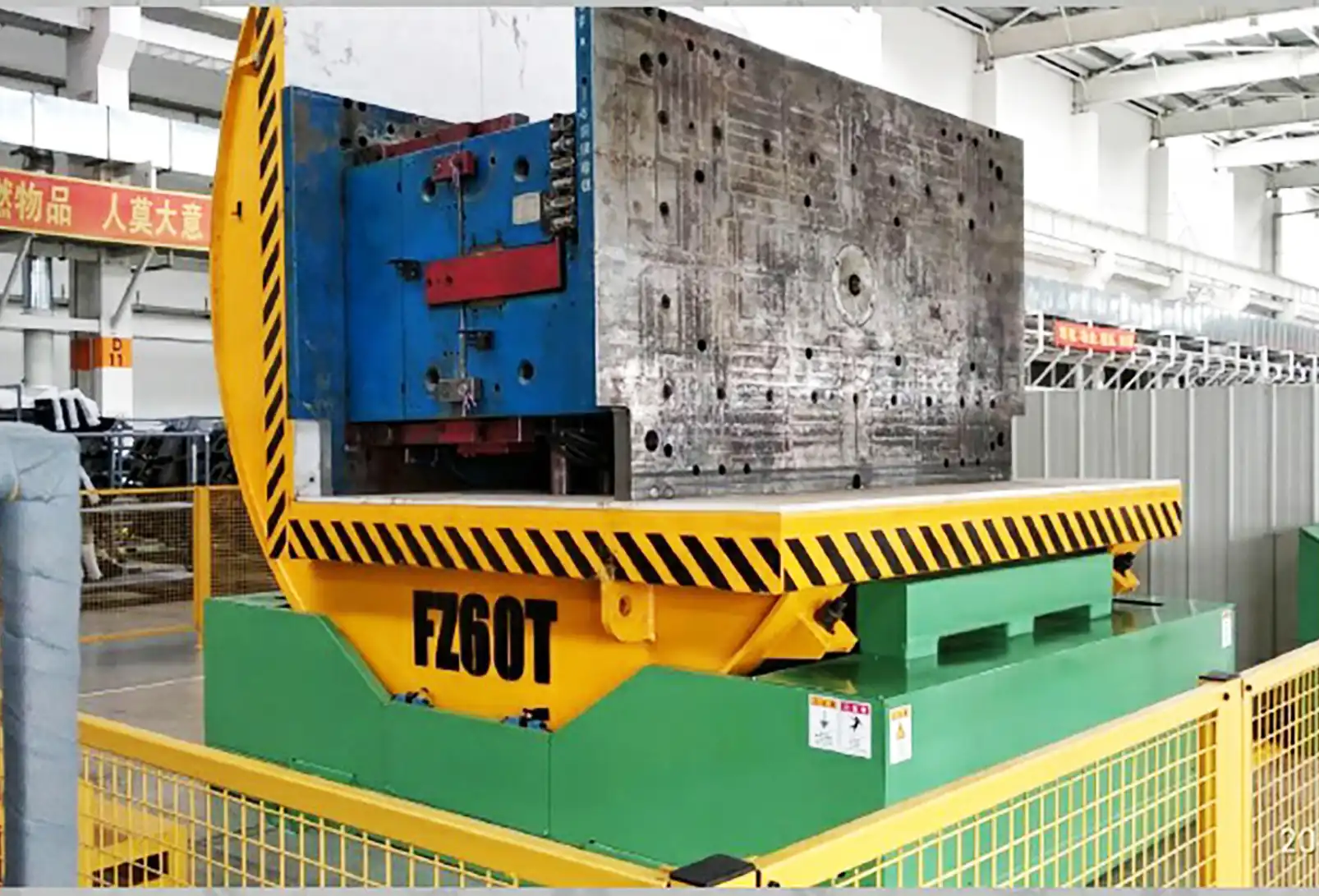
Let’s explore practical source noise reduction techniques applicable to mold flipper machinery.
-Implementing Source Noise Reduction Strategies
Source noise reduction requires a detailed understanding of the noise generation mechanisms in mold flippers. Common sources include mechanical impacts, friction, and vibrations from moving parts. Strategies to address these include:
Optimizing Mechanical Components
- Flipper Mechanism Design: Review the design of the flipper mechanism itself. Can smoother, quieter mechanisms be implemented? Consider using materials with inherent damping properties in key components.
- Lubrication and Maintenance: Ensure all moving parts are properly lubricated. Friction from poorly lubricated components can be a significant noise source. Regular maintenance to replace worn parts can prevent increased noise levels over time.
- Impact Reduction: Analyze impact points within the flipper. Can impact forces be reduced through design modifications or the introduction of cushioning materials at impact surfaces?
Adjusting Operating Parameters
- Speed Optimization: Mold flipper speed is often directly related to noise levels. Can the operating speed be reduced without compromising productivity? Even slight speed reductions can lead to significant noise decreases.
- Pressure Control: In hydraulic or pneumatic mold flippers, optimize pressure settings. Excessively high pressure can contribute to noise. Determine the minimum pressure required for efficient operation and adjust accordingly.
- Cycle Time Adjustment: Analyze the mold flipping cycle. Can cycle times be optimized to reduce unnecessary rapid movements and impacts that generate noise?
Proactive Maintenance and Monitoring
- Regular Inspections: Implement a schedule for regular inspections to identify and address potential noise sources before they become major problems. Check for loose bolts, worn bearings, and other mechanical issues.
- Vibration Monitoring: Consider using vibration monitoring equipment to track machine vibration levels over time. Increases in vibration can indicate developing mechanical problems that will lead to increased noise.
- Predictive Maintenance: Based on monitoring data, implement predictive maintenance practices to address issues before they cause significant noise increases or equipment failures.
Employee Training and Best Practices
- Noise Awareness Training: Train operators and maintenance personnel to be aware of noise issues and to identify potential problems early.
- Standard Operating Procedures (SOPs): Develop SOPs that incorporate noise reduction best practices, such as proper lubrication schedules and regular inspection routines.
By focusing on source noise reduction, you can create a quieter mold flipper operation from the ground up, reducing not only noise levels but also potentially improving machine efficiency and longevity.
Combining Methods for Maximum Noise Reduction
For optimal noise control in mold flipper systems, a combination of methods is often the most effective approach. Integrating vibration damping, vibration isolation, acoustic enclosures, and source noise reduction techniques creates a synergistic effect, leading to significantly greater noise reduction than any single method alone. By addressing noise at multiple levels, you can achieve a truly quiet and productive industrial environment.
Implementing a comprehensive noise reduction strategy involves:
- Noise Assessment: Begin with a thorough noise assessment to identify the primary noise sources and pathways in your mold flipper system. This will guide the selection of appropriate noise control methods.
- Prioritize Source Reduction: Explore and implement source noise reduction techniques first. This is often the most cost-effective long-term strategy.
- Vibration Control: Apply vibration damping to machine panels and components and implement vibration isolation mounts to decouple the machinery from the structure.
- Acoustic Enclosures (if needed): If airborne noise remains a significant issue after implementing source and vibration controls, consider acoustic enclosures for targeted noise containment.
- Regular Monitoring and Maintenance: Establish a program for ongoing noise monitoring and proactive maintenance to ensure the continued effectiveness of your noise control measures.
By taking a holistic and integrated approach, you can effectively tackle mold flipper noise and create a healthier, more productive, and compliant industrial workplace.
Conclusion
Reducing machinery noise from mold flippers is not just about compliance; it’s about creating a better working environment. By understanding and applying techniques like vibration damping, isolation, enclosures, and source noise reduction, industries can significantly minimize noise pollution, leading to improved worker well-being, increased productivity, and a more sustainable operational footprint. Taking proactive steps towards noise control is an investment in a healthier and more efficient future.








