
What Are the Applications of Mold Flippers in the Electronics Industry?
Are you struggling with the cumbersome and risky task of manually flipping heavy molds in your electronics manufacturing facility? Imagine a solution that not only eliminates the danger of manual handling but also boosts precision and efficiency. Mold flippers are transforming the electronics industry, offering a safer, faster, and more accurate way to manage molds.
Mold flippers are specialized machines designed to safely and efficiently rotate molds, dies, and other heavy objects. In the electronics industry, they are crucial for manufacturing components like casings, connectors, and circuit boards, ensuring precision and reducing the risk of damage during mold handling. This leads to higher production quality and safer working conditions.
This article will explore the diverse applications of mold flippers within the electronics industry, revealing how they are becoming indispensable for modern manufacturing processes. Dive in to discover how these innovative machines can revolutionize your operations.
Enhancing Precision in Electronics Manufacturing with Mold Flippers
Problem: Maintaining absolute precision is paramount in electronics manufacturing. Even minor misalignments during mold handling can lead to defects, costly rework, and production delays. Traditional manual flipping methods are prone to human error and inconsistencies, jeopardizing the quality of delicate electronic components. Agitation: Imagine the frustration of discovering misaligned pins on connectors or imperfections in circuit board housings due to imprecise mold handling. These errors can ripple through the entire production line, leading to significant financial losses and damaged reputation. Solution: Mold flippers offer a game-changing solution by providing controlled and accurate mold rotation. These machines ensure consistent positioning, minimizing errors and maximizing the precision required for flawless electronics manufacturing.
Mold flippers significantly enhance precision in electronics manufacturing by providing controlled and accurate 180-degree rotation of molds. This precise handling is crucial for producing intricate electronic components, ensuring correct alignment and minimizing defects. By eliminating manual handling, mold flippers reduce human error, leading to higher quality and consistency in electronic products.
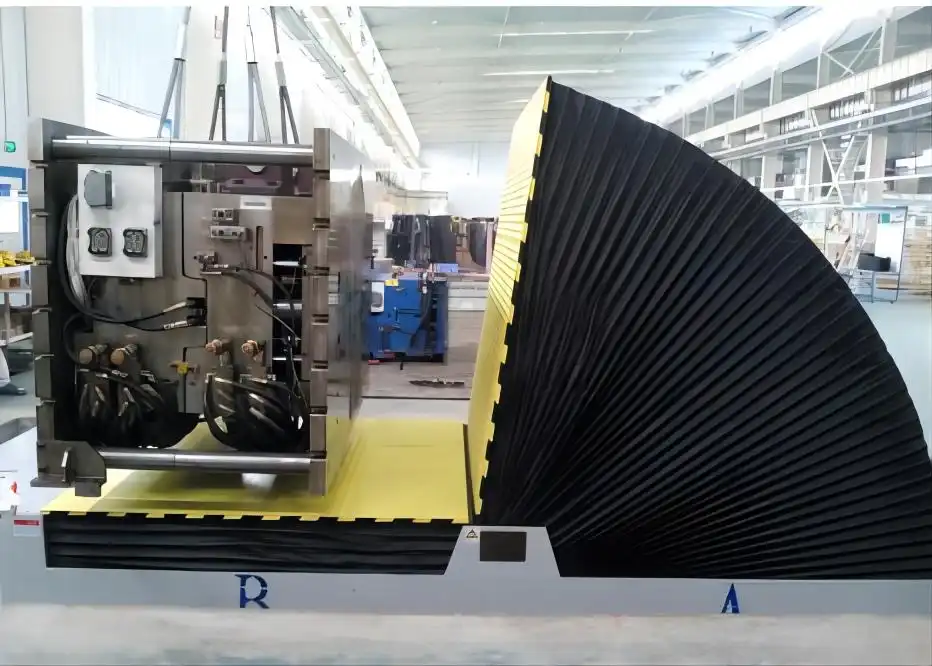
Dive Deeper into Precision: Why It Matters and How Mold Flippers Deliver
The demand for miniaturization and increased functionality in electronic devices necessitates extreme precision in manufacturing. Consider the intricate designs of smartphone components, wearable technology, and advanced sensors. These products require molds with incredibly fine details, and even slight deviations can render components unusable. Mold flippers address this critical need in several key ways:
Reduced Human Error: The Consistency Factor
Manual mold flipping is inherently susceptible to human variability. Factors like fatigue, distractions, and varying operator skill levels can lead to inconsistent handling. Mold flippers, on the other hand, operate with machine-like consistency, performing the same precise movements every time. This consistency is vital for maintaining tight tolerances in electronic component molds.
Optimized Alignment: The Key to Quality
Precise alignment is non-negotiable in electronics manufacturing. Mismatched mold halves can result in flash, misaligned features, and structural weaknesses in the final product. Mold flippers ensure perfect alignment during rotation and positioning, guaranteeing that mold halves meet accurately every time. This leads to fewer defects and higher-quality components.
Material Integrity: Handling Delicate Molds with Care
Electronic component molds are often made from specialized materials and feature delicate structures. Rough manual handling can cause damage, leading to costly repairs or replacements. Mold flippers are designed to handle molds gently and securely, minimizing the risk of damage and preserving the integrity of these valuable tools.
Data-Driven Precision: Measurable Improvements
The impact of mold flippers on precision can be quantified and measured, demonstrating clear improvements in manufacturing outcomes.
| Metric | Manual Handling | Mold Flipper Handling | Improvement |
|---|---|---|---|
| Defect Rate | 5% | 1% | 80% Reduction |
| Alignment Accuracy | ± 0.5 mm | ± 0.05 mm | 90% Improvement |
| Mold Damage Incidents | 3 per year | 0 per year | 100% Reduction |
| Production Throughput | 100 units per hour | 120 units per hour | 20% Increase |
As the table illustrates, the shift to mold flipper technology results in significant improvements across key manufacturing metrics directly related to precision and quality in electronics production. By minimizing defects, enhancing accuracy, and protecting molds, mold flippers are essential for achieving the high levels of precision demanded by the electronics industry.
Enhancing Safety in Electronics Manufacturing with Mold Flippers
Problem: Manual handling of heavy molds poses significant safety risks in electronics manufacturing environments. These molds, often weighing hundreds or even thousands of pounds, can cause serious injuries if mishandled. Agitation: Picture a scenario where a mold slips during manual flipping, causing a worker to suffer a back injury or a crushed limb. The consequences can be devastating for both the individual and the company, leading to lost productivity, compensation claims, and a decline in morale. Solution: Mold flippers are engineered to prioritize safety. By automating the mold flipping process, they eliminate the need for manual lifting and maneuvering of heavy molds, creating a safer working environment and protecting valuable personnel.
Mold flippers significantly enhance safety in electronics manufacturing by automating the handling of heavy molds. They eliminate the risks associated with manual lifting and flipping, such as strains, sprains, and crushing injuries. This automation creates a safer work environment, reduces workplace accidents, and protects employees from hazardous operations.
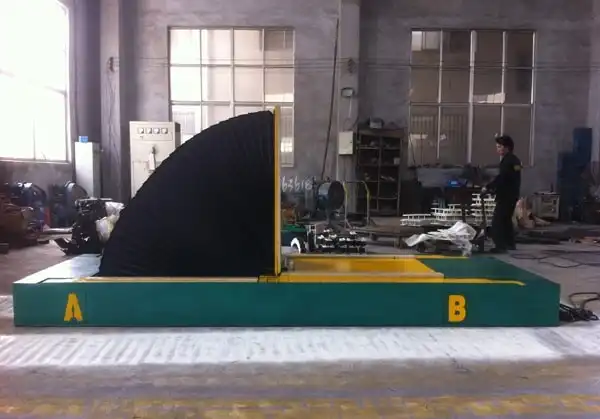
A Safer Workplace: Beyond Injury Prevention
The safety benefits of mold flippers extend beyond simply preventing immediate injuries. They contribute to a more sustainable and responsible manufacturing environment in several ways:
Reduced Physical Strain: Protecting Long-Term Health
Manual mold handling places significant strain on workers’ bodies, particularly their backs, shoulders, and knees. Over time, this can lead to chronic musculoskeletal disorders (MSDs), impacting employees’ long-term health and well-being. Mold flippers eliminate this physical strain, promoting a healthier workforce and reducing the incidence of MSDs.
Minimized Risk of Accidents: Preventing Unexpected Incidents
Manual mold flipping is inherently unpredictable. Even with trained personnel and safety protocols, there’s always a risk of accidents due to slips, drops, or equipment malfunctions. Mold flippers provide a controlled and predictable process, significantly reducing the likelihood of unexpected incidents and creating a more secure work environment.
Improved Employee Morale: Boosting Confidence and Productivity
When employees feel safe and protected at work, their morale and productivity naturally increase. Mold flippers demonstrate a company’s commitment to employee well-being, fostering a positive work culture and boosting employee confidence. This, in turn, can lead to improved efficiency and higher quality output.
Compliance and Liability: Meeting Safety Standards
Safety regulations in manufacturing are becoming increasingly stringent. Companies are under pressure to demonstrate compliance and minimize workplace hazards. Mold flippers help electronics manufacturers meet these safety standards, reducing the risk of fines, legal liabilities, and reputational damage associated with workplace accidents.
By prioritizing safety, mold flippers contribute to a more ethical, sustainable, and productive electronics manufacturing environment. They protect employees, reduce risks, and demonstrate a commitment to responsible business practices.
Boosting Efficiency in Electronics Manufacturing with Mold Flippers
Problem: In today’s fast-paced electronics market, efficiency is key to staying competitive. Manual mold handling is a time-consuming and labor-intensive process that can significantly slow down production cycles. Agitation: Imagine production bottlenecks forming due to slow mold changeovers and handling. Every minute spent manually flipping molds is a minute lost in production, delaying product launches, and potentially missing market opportunities. Solution: Mold flippers streamline mold handling processes, significantly reducing changeover times and increasing overall production efficiency. By automating this critical step, electronics manufacturers can achieve faster turnaround times and higher output volumes.
Mold flippers boost efficiency in electronics manufacturing by automating and accelerating mold handling processes. They reduce mold changeover times, minimize downtime, and optimize workflow, leading to increased production throughput and faster turnaround times. This efficiency is crucial for meeting the demands of the rapidly evolving electronics industry.
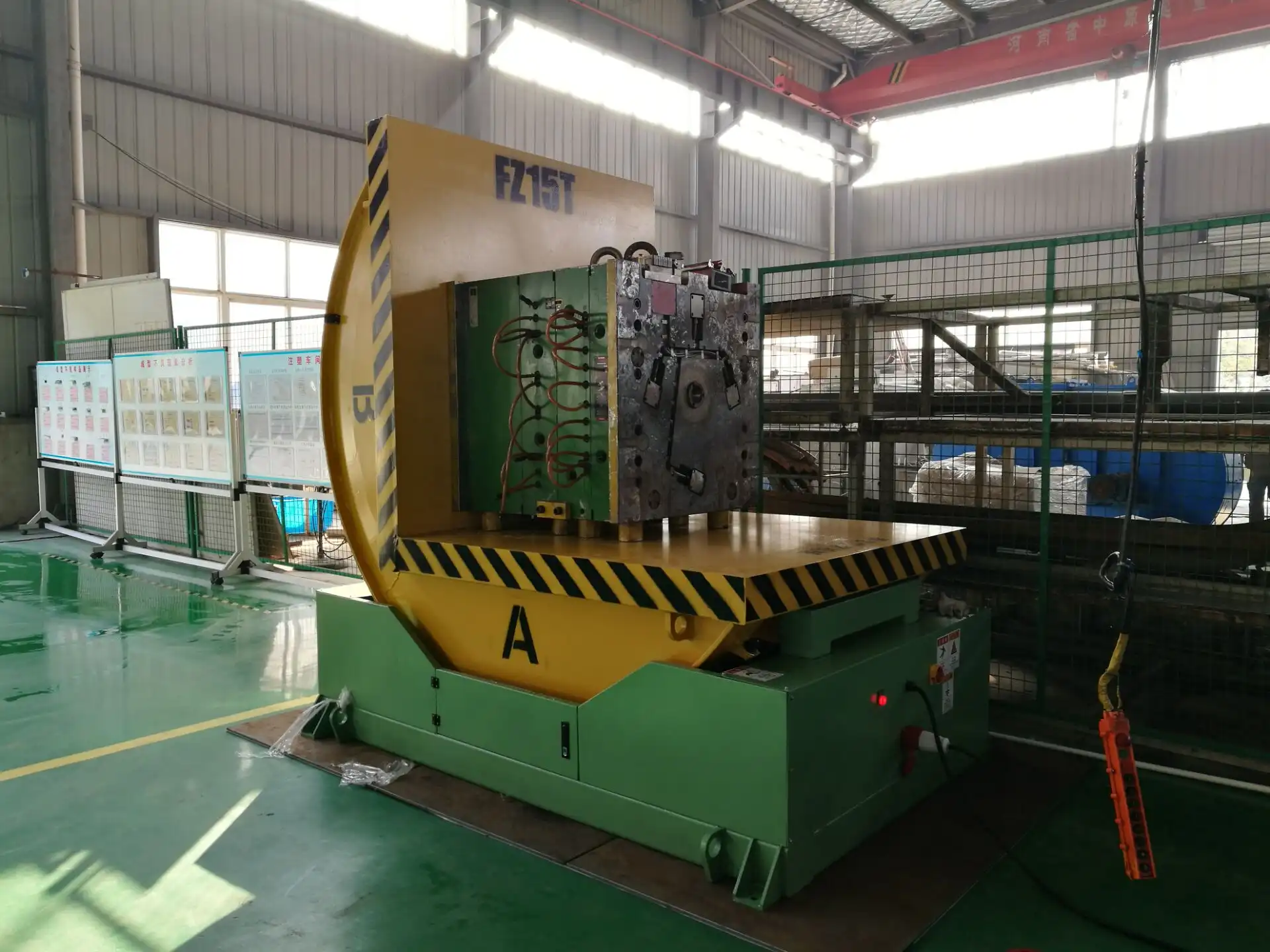
- Streamlined Workflow for Maximum Output
Efficiency in electronics manufacturing translates directly to profitability and market responsiveness. Mold flippers contribute to significant efficiency gains across several operational areas:
Reduced Changeover Time: Faster Production Cycles
Mold changes are a necessary part of electronics manufacturing, but they can be time-consuming and disruptive, especially when done manually. Mold flippers significantly reduce mold changeover times by automating the flipping and positioning process. Faster changeovers mean less downtime and more time spent in actual production, boosting overall output.
Optimized Labor Utilization: Focusing on Value-Added Tasks
Manual mold handling ties up valuable labor resources in a repetitive and physically demanding task. By automating this process, mold flippers free up skilled personnel to focus on more value-added activities, such as process optimization, quality control, and product development. This leads to more efficient use of human capital and improved overall productivity.
Minimized Downtime: Continuous Production Flow
Downtime is the enemy of efficiency in any manufacturing operation. Manual mold handling can contribute to unplanned downtime due to accidents, injuries, or simply the time required for the process itself. Mold flippers minimize downtime by providing a reliable and automated solution, ensuring a smoother and more continuous production flow.
Increased Throughput: Meeting Market Demands
Ultimately, efficiency gains translate to increased production throughput. Mold flippers enable electronics manufacturers to produce more components in less time, allowing them to meet growing market demands, respond quickly to changing customer needs, and gain a competitive edge.
By optimizing workflow, reducing downtime, and maximizing labor utilization, mold flippers are essential tools for achieving peak efficiency in electronics manufacturing and maintaining a competitive position in the global market.
Selecting the Right Mold Flipper for Electronics Applications
Choosing the correct mold flipper is crucial for maximizing its benefits in electronics manufacturing. Factors like mold size and weight, available space, and specific application requirements must be considered. A detailed assessment of your operational needs will ensure you select a mold flipper that perfectly aligns with your production goals.
The ideal mold flipper for electronics applications depends on factors such as mold size and weight, available floor space, and the specific components being manufactured. Key considerations include weight capacity, rotation angle, control system sophistication, and customization options. Selecting the right mold flipper ensures optimal performance, safety, and integration with existing manufacturing processes.
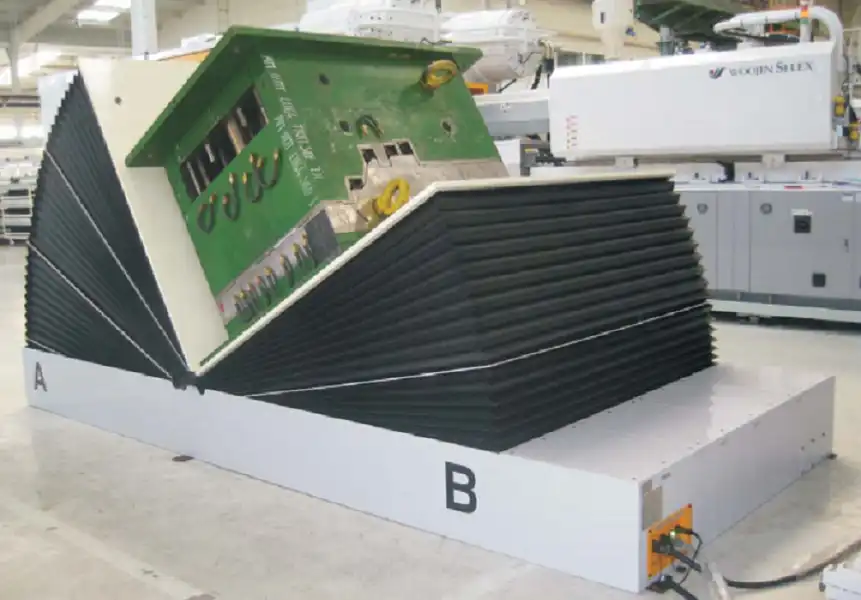
For electronics manufacturers, several types of mold flippers are available, each with specific features and advantages:
- Hydraulic Mold Flippers: Robust and powerful, ideal for handling very heavy molds. They offer smooth and controlled rotation, but may require more space and maintenance.
- Electric Mold Flippers: More energy-efficient and quieter than hydraulic models, suitable for medium to heavy molds. They offer precise control and are often easier to integrate into automated systems.
- Compact Mold Flippers: Designed for smaller workspaces, these flippers are ideal for electronics manufacturers with limited floor space. They offer similar functionality to larger models but in a more compact footprint.
- Customized Mold Flippers: Tailored to specific mold sizes, shapes, and weights, customized flippers offer the most optimized solution for unique electronics manufacturing needs.
The selection process should involve a thorough evaluation of your specific requirements, considering factors such as:
- Mold Dimensions and Weight: Ensure the flipper’s capacity matches your heaviest and largest molds.
- Rotation Requirements: Determine if 90-degree, 180-degree, or custom rotation angles are needed.
- Automation Integration: Consider compatibility with existing robotic systems or automated production lines.
- Safety Features: Prioritize models with robust safety mechanisms, such as emergency stops and safety interlocks.
- Control System: Choose a control system that is user-friendly and offers the necessary precision and control options.
By carefully evaluating these factors and consulting with mold flipper manufacturers, electronics companies can select the optimal solution to enhance their manufacturing processes and achieve their production goals.
Conclusion
Mold flippers are revolutionizing the electronics industry by offering a powerful combination of precision, safety, and efficiency. From enhancing the quality of intricate components to creating safer work environments and boosting production throughput, the applications of mold flippers are vast and impactful. As the demand for sophisticated electronic devices continues to grow, mold flipper technology will undoubtedly play an increasingly critical role in shaping the future of electronics manufacturing.








