
What Are the Troubleshooting and Repair Methods for Mold Upenders?
Are you experiencing frustrating production delays due to mold upender malfunctions? Unexpected downtime can significantly impact your operations and bottom line. Imagine the disruption caused by a seemingly minor issue bringing your entire workflow to a standstill. Don’t let these preventable problems compromise your efficiency.
Mold upender issues can halt production. Troubleshooting involves hydraulic, electrical, mechanical, and control system checks. Regular maintenance, including fluid levels, wiring, lubrication, and sensor checks, prevents downtime and ensures smooth operation. This guide offers solutions to diagnose and fix common problems, maximizing your productivity.
Let’s explore how to keep your mold upenders running smoothly and efficiently.
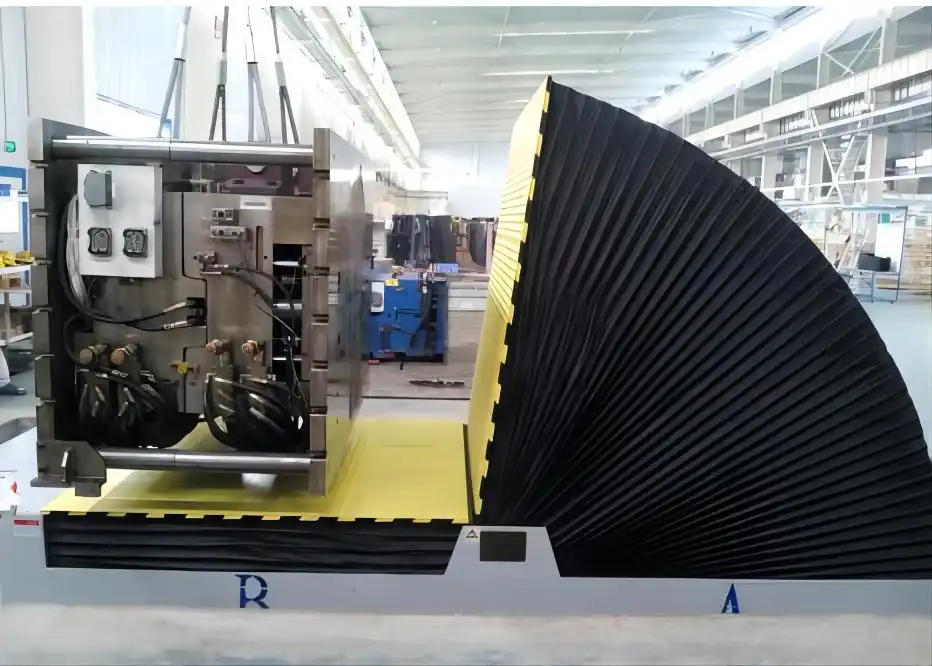
Diagnosing Hydraulic System Failures in Mold Upenders
Is your mold upender operating slower than usual or failing to lift molds effectively? A sudden loss of hydraulic power can cripple your mold handling process. Hydraulic system failures are frequently the cause of such frustrating performance drops, making diagnostic skills essential for quick resolution.
Hydraulic failures in mold upenders manifest as slow operation, reduced lifting capacity, or jerky movements. Common causes include low fluid, pump or valve malfunctions, and leaks. Troubleshooting involves checking fluid levels, inspecting for leaks and pump noise, and testing valves. Promptly addressing these issues is crucial for upender performance and safety, minimizing downtime.
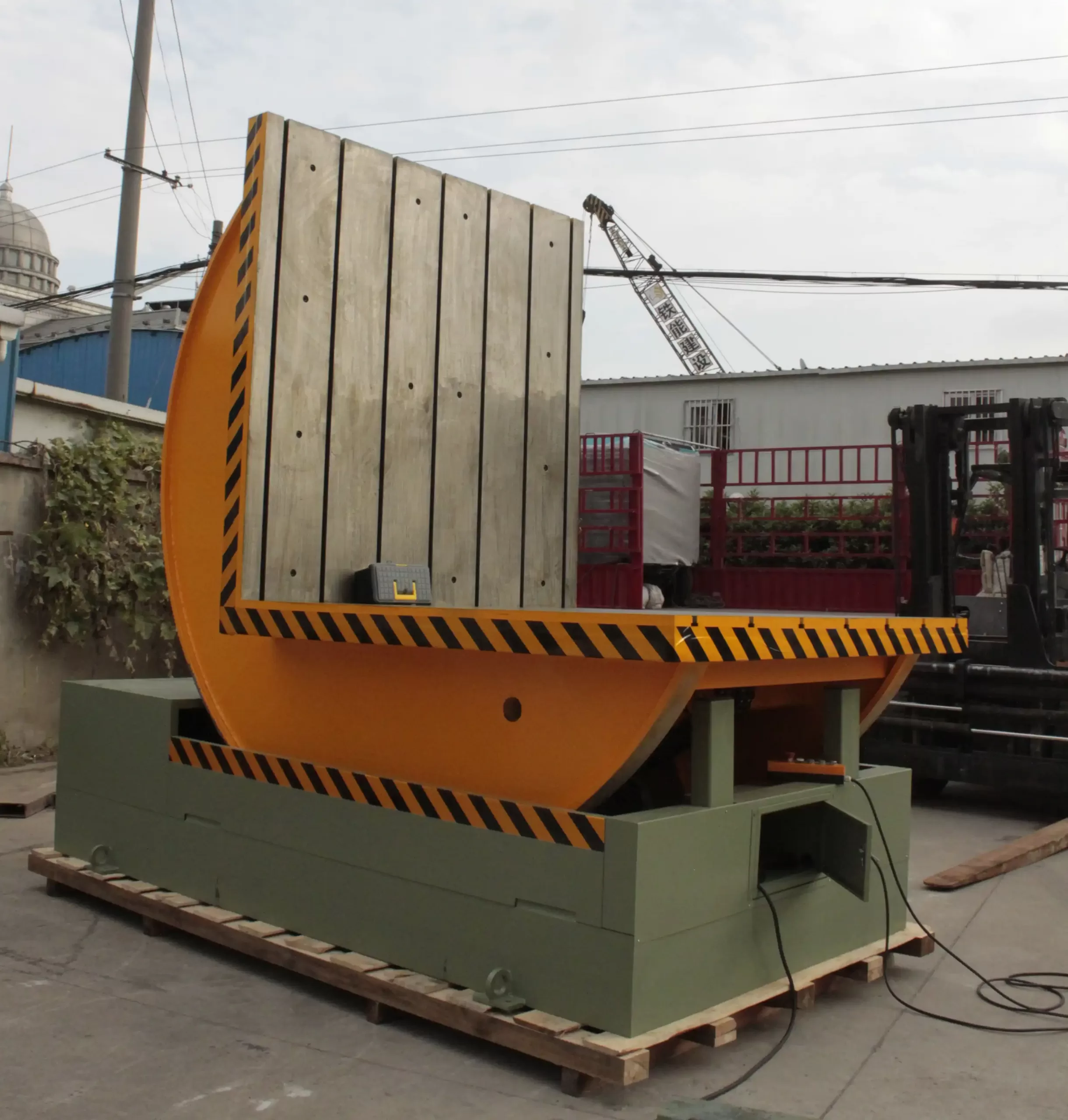
Dive Deeper into Hydraulic Diagnostics
Hydraulic systems are the core power source for mold upenders, essential for lifting and rotating heavy molds. When these systems fail, efficiency suffers, and safety is compromised. A systematic approach to diagnosing hydraulic issues is crucial for effective maintenance and repair. Let’s break down common hydraulic problems and explore in-depth troubleshooting methods.
Common Hydraulic Problems and Solutions
To effectively troubleshoot hydraulic problems, categorize them by symptoms and understand their typical causes and solutions. This structured approach helps pinpoint the issue and apply the correct fix efficiently.
| Problem | Symptoms | Probable Causes | Corrective Actions |
|---|---|---|---|
| Low Hydraulic Fluid | Slow operation, reduced lifting, pump cavitation noise | Leaks, insufficient fill, system expansion | Check fluid level and refill. Inspect and repair leaks. |
| Hydraulic Pump Malfunction | No/low pressure, excessive noise, no movement | Worn components, internal leaks, drive coupling failure | Inspect pump for wear/damage. Check coupling. Rebuild or replace pump. |
| Valve Failure | Erratic/no movement, leaks around valve | Contamination, solenoid/seal wear, sticking | Clean/replace valve. Check solenoid coil/wiring. Replace seals. |
| Cylinder Leaks | Slow/jerky movement, external leaks, reduced force | Worn seals, damaged rod/body | Inspect/replace cylinder seals. Repair/replace damaged cylinder components. |
| Hose/Fitting Leaks | External leaks, pressure loss, inefficiency | Damaged hoses, loose fittings, worn seals | Inspect/replace hoses. Tighten fittings. Replace seals/O-rings. |
| Contaminated Fluid | Valve sticking, pump/cylinder wear, inefficiency | Dirt, water, metal particles | Drain/flush system. Replace filter. Refill with clean fluid. |
| Air in System | Spongy/jerky operation, noisy system | Low fluid, suction-side leaks | Bleed air. Check and repair suction-side leaks. |
Regularly monitoring hydraulic fluid condition and pressure levels is key. Preventative maintenance, including scheduled inspections and fluid changes, significantly reduces downtime from hydraulic failures and ensures long-term reliability.
Resolving Electrical Issues in Mold Upenders
Is your mold upender failing to start or exhibiting inconsistent control responses? Electrical problems can be particularly challenging to diagnose, often leaving you unsure of the underlying cause. A systematic approach to electrical troubleshooting is vital for restoring operation quickly and safely.
Electrical malfunctions in mold upenders range from simple wiring faults to complex control system failures. Symptoms include no power, intermittent operation, and control malfunctions. Troubleshooting involves checking power supply, wiring, connections, switches, sensors, and control panel components. Accurate electrical diagnosis ensures safe and effective repairs.
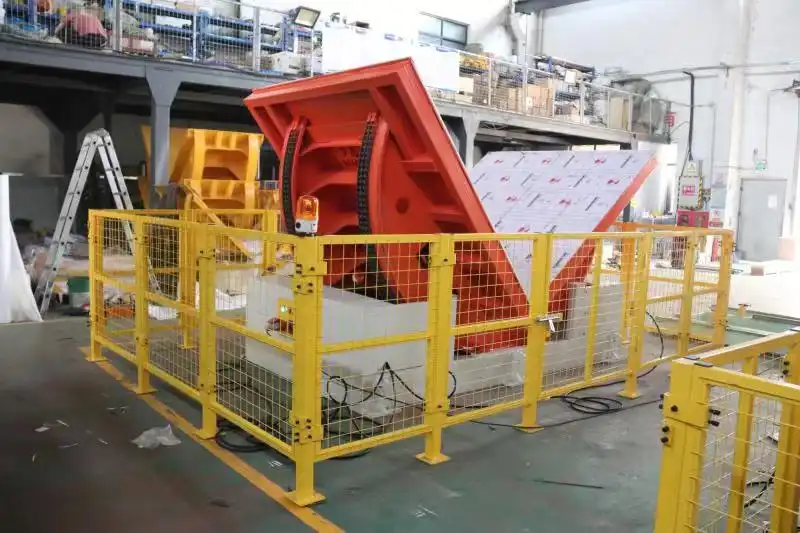
Stepping Through Electrical Diagnostics
Electrical systems in mold upenders control operation, safety interlocks, and power to the hydraulic pump motor. Electrical issues can manifest in various ways, disrupting operations and creating safety hazards. Here’s a structured approach to electrical diagnostics:
-
Power Supply Problems: Begin by confirming power supply to the upender.
- Main Disconnect Switch: Ensure it’s in the “ON” position.
- Circuit Breakers/Fuses: Check for tripped breakers or blown fuses in control and main power panels. Reset breakers or replace fuses.
- Voltage Verification: Use a multimeter to check incoming voltage at the upender’s panel, ensuring it matches equipment needs.
-
Wiring and Connections: Loose or damaged wiring is a common culprit.
- Visual Inspection: Examine wiring for cuts, abrasions, or fraying.
- Connection Check: Secure all electrical connections. Look for loose terminals, corroded connectors, or disconnected wires.
- Continuity Testing: Use a multimeter for continuity tests to find breaks or shorts in wires.
-
Switches and Sensors: Limit, safety, and proximity sensors are vital for operation and safety.
- Switch Testing: Use a multimeter to test switch functionality. Ensure proper opening and closing upon activation.
- Sensor Checks: Verify sensor operation by observing indicator lights or using a multimeter to check for signal changes when activated.
- Adjustment: Check the physical positioning and alignment of limit switches and sensors. Misalignment can hinder operation.
-
Control Panel Components: Control panels contain relays, contactors, PLCs, managing upender functions.
- Relay/Contactor Inspection: Listen for clicking during operation, indicating activation. Inspect for burnt contacts or coil failures.
- PLC Diagnostics: Check for error codes or messages on the PLC display. Consult the PLC manual for troubleshooting.
- Component Testing: Complex issues may require component-level testing by specialists.
Safety First: Always disconnect and lockout/tagout power before electrical work. If unsure, consult a qualified electrician.
Addressing Mechanical Wear and Tear in Mold Upenders
Is your mold upender producing unusual sounds or showing signs of physical deterioration? Mechanical components experience wear over time, and neglecting maintenance can lead to breakdowns and safety risks. Proactive mechanical inspections and timely repairs are essential for longevity and safety.
Mechanical wear in mold upenders causes inefficiencies and safety hazards. Common wear points include chains, sprockets, rollers, bearings, and structural parts. Symptoms include noises, vibrations, and visible damage. Regular lubrication, wear inspections, and timely part replacement are vital for preventing mechanical failures and ensuring long-term reliability.
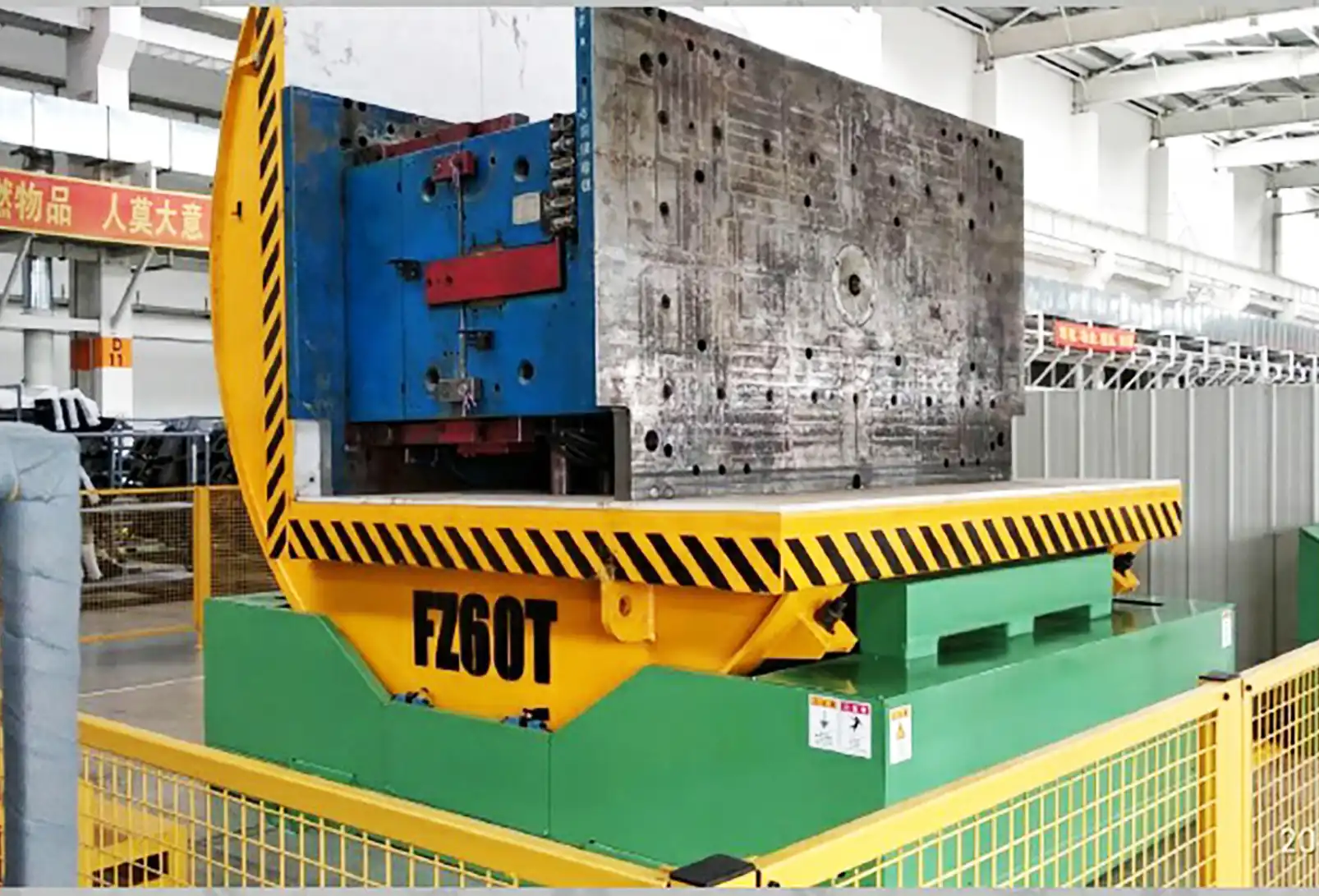
Technical Analysis of Mechanical Components
Mold upenders depend on robust mechanical systems for handling heavy loads and repetitive motion. Understanding critical mechanical components and their potential failure modes is key for effective maintenance and troubleshooting.
Critical Mechanical Components and Maintenance
| Component | Function | Common Wear Issues | Maintenance & Inspection |
|---|---|---|---|
| Drive Chains | Power transmission to rotate cradle | Stretching, link wear, corrosion, breakage | Maintenance: Regular chain oil lubrication. Tension adjustment per manufacturer. Inspection: Visually inspect for wear, stretching, corrosion, damage. Check tension and measure length for stretch. Replace if worn. |
| Sprockets | Engage chains to transmit motion | Tooth/keyway/bearing wear | Maintenance: Bearing lubrication. Inspection: Inspect teeth for wear at chain contact. Check keyways for looseness/wear and bearings for smooth rotation/play. Replace worn sprockets. |
| Support Rollers | Support/guide rotating cradle | Roller/bearing wear, flat spots | Maintenance: Roller bearing lubrication. Inspection: Inspect rollers for wear, flat spots, damage. Check bearings for smooth rotation/play. Replace worn rollers/bearings. Ensure proper alignment and free rotation. |
| Bearings | Support rotating shafts/rollers | Wear, contamination, lack of lubrication | Maintenance: Regular lubrication with correct grease. Prevent contamination. Inspection: Listen for unusual noises (grinding, squealing). Check for play/vibration and monitor temperature. Replace worn/noisy bearings. |
| Structural Frame | Rigid support for all components | Cracks, weld failures, corrosion, deformation | Maintenance: Regular cleaning to prevent corrosion. Apply/maintain protective coatings. Inspection: Visually inspect welds/frame for cracks, corrosion, deformation. Periodically perform NDT on critical welds. |
Lubrication is Paramount: Consistent, correct lubrication is key to extending mechanical component life. Follow manufacturer lubricant recommendations and schedules.
Control System and Software Glitches in Modern Upenders
Is your mold upender behaving erratically, displaying error codes, or freezing software? Modern upenders often include advanced control systems, and software glitches can add complexity to troubleshooting. Understanding these systems and having diagnostic tools are increasingly important for resolving advanced issues.
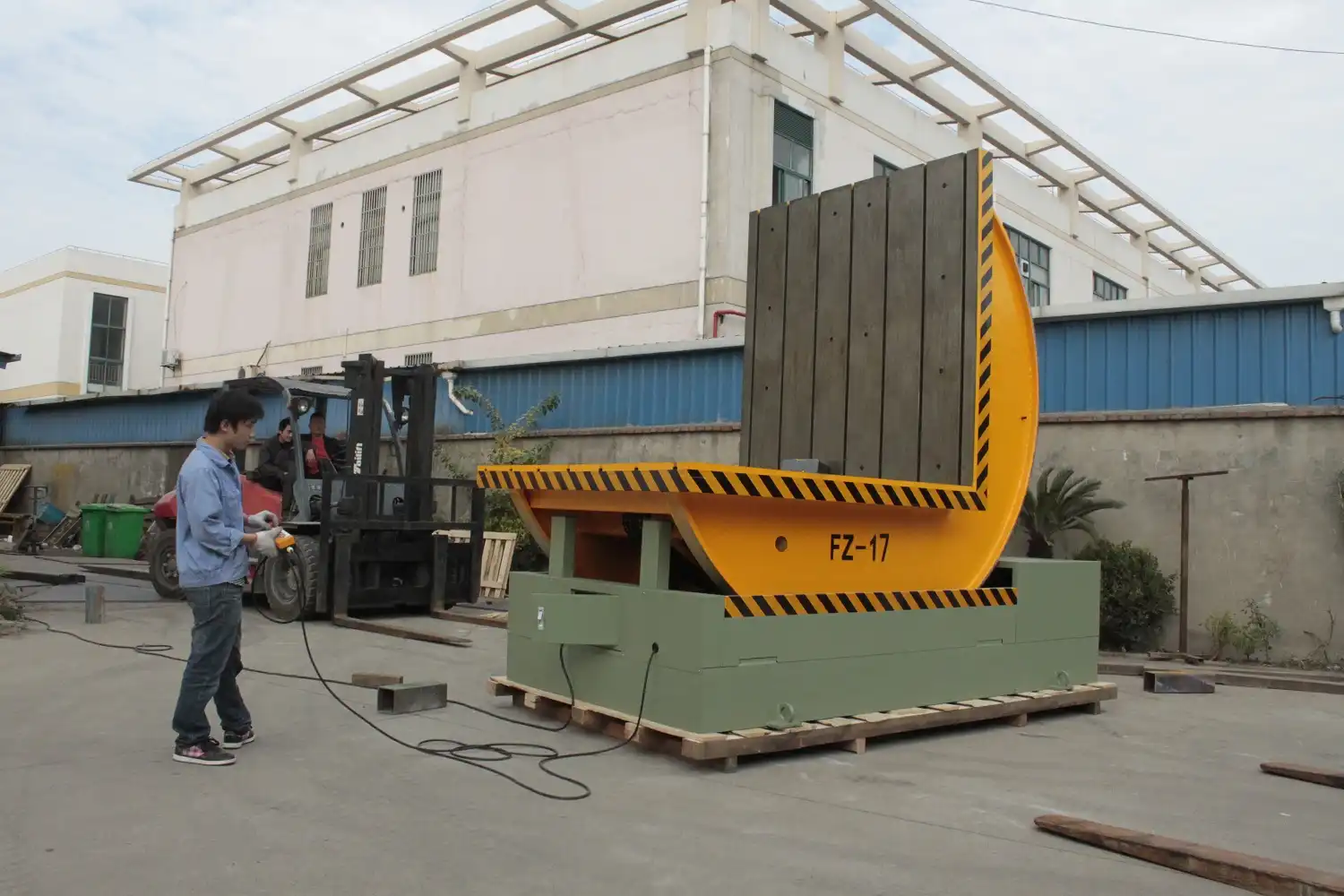
Modern mold upender control systems enhance automation but introduce software and sensor issues. Troubleshooting involves checking sensors, PLC logs, and software bugs. Understanding control system architecture and diagnostic tools is crucial for resolving these advanced problems efficiently and minimizing downtime.
Addressing control system glitches requires a different approach than traditional mechanical or hydraulic problems. Here’s how to navigate these challenges:
-
Error Code Analysis: Modern systems often display error codes. Consult the upender’s manual to understand these codes, which provide clues about the problem’s nature and location.
-
Sensor Calibration and Testing: Control systems rely on sensors for feedback and safety.
- Calibration Verification: Check sensor calibration against manufacturer specs. Recalibrate if needed.
- Signal Monitoring: Use diagnostic tools to monitor sensor signals in real-time. Verify correct responses to position or pressure changes.
- Sensor Replacement: Replace faulty sensors with compatible ones and configure them within the control system.
-
PLC Program Logic Review: PLCs are the brains of modern upenders.
- Error Logs: Access PLC error logs via diagnostic software to identify recurring errors.
- Program Analysis: Review PLC program logic for complex issues, needing specialized software and knowledge. Look for logical errors, incorrect parameters, or bugs.
- Software Updates: Check for manufacturer software updates, which often include bug fixes.
-
Communication Network Issues: Network problems between components (PLC and HMI) can cause malfunctions.
- Network Diagnostics: Use tools to check for communication errors, connectivity issues, or device failures.
- Cable/Connector Inspection: Inspect network cables and connectors for damage or loose connections.
When to Call for Expert Help: Advanced control system issues often need specialized knowledge. Contact the manufacturer or a qualified technician if you’re not equipped to handle these problems.
Conclusion
Effectively troubleshooting mold upender issues relies on proactive maintenance, systematic diagnostics, and understanding hydraulic, electrical, and mechanical systems. Promptly addressing common problems and performing regular upkeep minimizes downtime and ensures safe, efficient mold handling. Remember, preventative maintenance and a structured approach are your best tools for keeping your mold upender troubleshooting running smoothly and maximizing productivity.








