
Importing Mold Upenders: Duties, Logistics, and Best Practices
Are you struggling with the cumbersome and risky task of manually handling heavy molds in your manufacturing facility? Imagine a solution that not only eliminates the danger of workplace injuries and product damage but also streamlines your mold handling processes, saving you time and money. Importing mold upenders might be the game-changer your operation needs to enhance safety and efficiency.
Importing mold upenders involves navigating customs duties, complex logistics, and adherence to best practices to ensure a smooth and cost-effective process. This guide provides essential information on duties, logistics, and best practices for importing mold upenders, helping businesses optimize their import strategy and operational efficiency.
This comprehensive guide will walk you through every critical aspect of importing mold upenders, from understanding the machinery and its benefits to mastering the intricacies of international trade. Continue reading to discover how to efficiently and effectively bring this essential equipment into your operations.
What are Mold Upenders and Why Import Them?
Are you tired of the slow, risky, and labor-intensive process of manually rotating heavy molds? Picture a streamlined, safe, and efficient solution that transforms your mold handling, reducing downtime and boosting productivity. Mold upenders are the answer, and importing them can give your business a significant competitive edge.
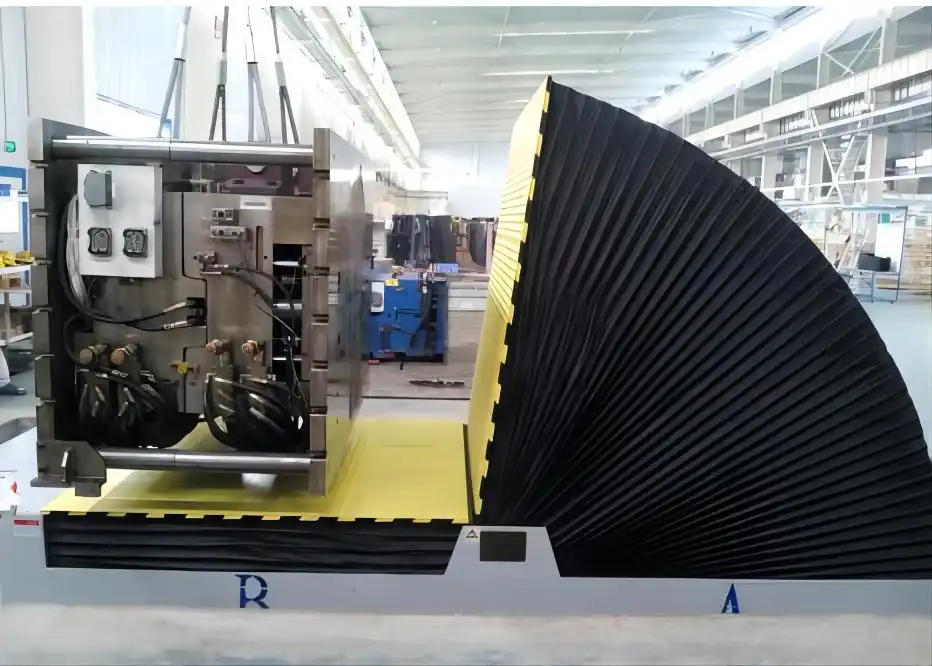
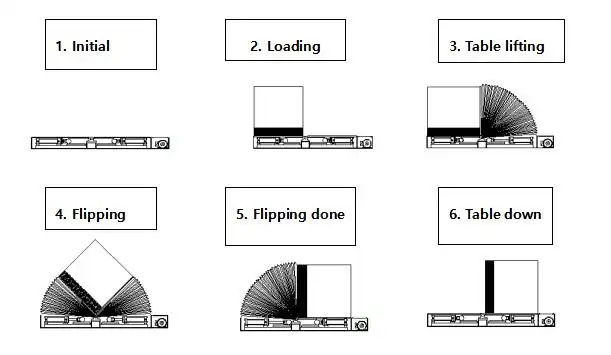
Mold upenders, also known as mold flippers or tilters, are specialized industrial machines designed to safely and efficiently rotate heavy molds and dies by 90 or 180 degrees. Importing mold upenders offers businesses enhanced safety, improved efficiency, and reduced labor costs in mold handling and maintenance operations, making them a crucial investment for industries dealing with heavy tooling.
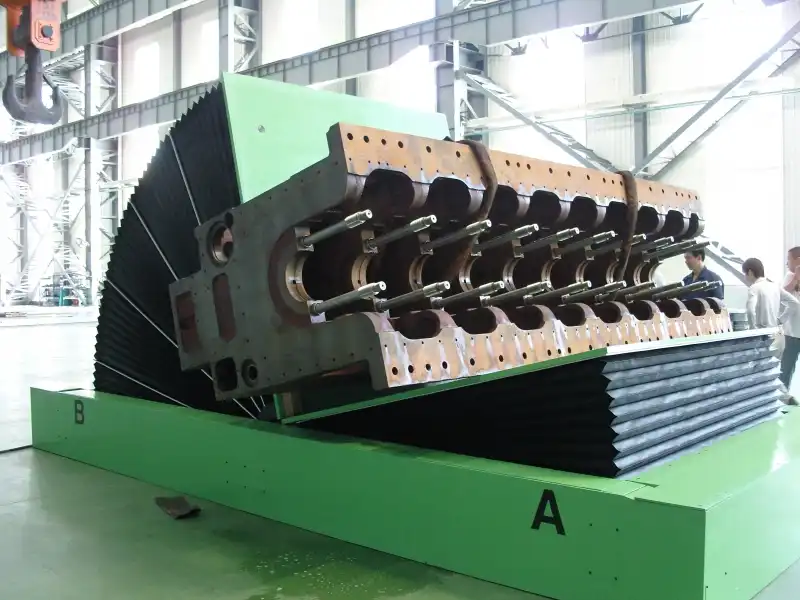
Diving Deeper into Mold Upenders: Types, Benefits, and Applications
Mold upenders are not just simple machines; they are sophisticated pieces of equipment tailored to solve specific industrial challenges. Understanding the different types, benefits, and applications of mold upenders is crucial for making informed decisions when considering importing them. Let’s delve deeper into these aspects:
Types of Mold Upenders
The market offers various types of mold upenders, each designed for specific needs and applications. Here are some common types:
- 90-degree Upenders: These are the most common type, designed to rotate molds 90 degrees, typically used for mold maintenance, repair, and integration into production lines.
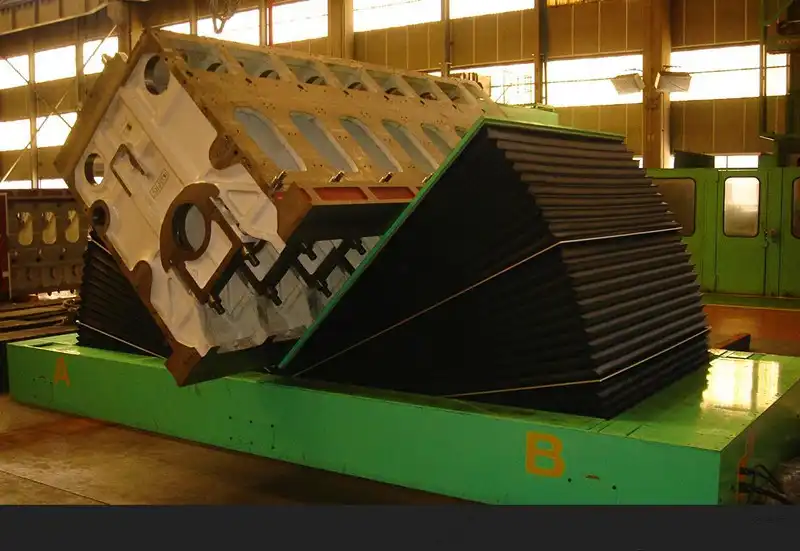
- 180-degree Upenders (Die Splitters): Also known as die splitters, these upenders rotate molds 180 degrees, facilitating easy separation and access to mold components for maintenance and adjustments.
- Coil Upenders: While primarily designed for coils, some heavy-duty upenders can also handle molds, offering versatility for facilities dealing with both coils and molds.
- Custom Upenders: Manufacturers often provide custom-designed upenders to meet specific size, weight, and operational requirements, ensuring optimal integration with existing systems.
| Type of Upender | Rotation Angle | Typical Applications | Key Benefits |
|---|---|---|---|
| 90-degree Upender | 90 degrees | Mold maintenance, production line integration, general mold handling | Enhanced safety, improved efficiency, reduced manual labor |
| 180-degree Upender | 180 degrees | Die splitting, mold separation, detailed maintenance | Easy mold access, faster maintenance, safer splitting process |
| Coil Upender | 90 degrees | Coil and mold handling, versatile applications | Dual functionality, cost-effective for diverse material handling needs |
| Custom Upender | 90/180 degrees | Specific industrial requirements, unique applications | Tailored solutions, optimized performance, seamless system integration |
Benefits of Using Mold Upenders
Investing in mold upenders brings numerous benefits to manufacturing operations:
- Enhanced Safety: Eliminates manual lifting and rotation of heavy molds, significantly reducing the risk of workplace injuries.
- Improved Efficiency: Speeds up mold handling processes, reducing downtime and increasing overall productivity.
- Reduced Labor Costs: Minimizes the need for manual labor in mold handling, freeing up personnel for other critical tasks.
- Damage Prevention: Provides controlled and stable rotation, minimizing the risk of damage to molds and dies.
- Ergonomic Operation: Reduces physical strain on workers, creating a more ergonomic and safer work environment.
- Versatility: Handles a wide range of mold sizes and weights, accommodating diverse manufacturing needs.
- Streamlined Workflow: Integrates seamlessly into existing material handling systems, optimizing workflow and production processes.
- Cost Savings: While there’s an initial investment, the long-term benefits of increased efficiency, reduced labor costs, and minimized damage lead to significant cost savings.
Applications Across Industries
Mold upenders are essential in various industries that rely on heavy molds and dies:
- Injection Molding: For mold changes, maintenance, and repairs in plastic and polymer product manufacturing.
- Automotive Manufacturing: In die casting and mold handling for vehicle component production.
- Aerospace Industry: For handling large and precision molds used in aircraft part manufacturing.
- Manufacturing: General manufacturing facilities that use molds and dies for metal forming, stamping, and other processes.
- Die Casting: Efficiently handling dies for casting metal parts, ensuring quick changeovers and maintenance.
- Forging: Rotating heavy dies in forging applications for shaping metal components.
- Steel and Aluminum Industries: Handling coils and molds in the production of steel and aluminum products.
By understanding these detailed aspects of mold upenders, businesses can better assess their needs and make informed decisions when importing this critical equipment to enhance their operational capabilities.
Navigating Customs and Duties for Mold Upenders
Importing machinery like mold upenders into the United States involves understanding and navigating customs regulations and duties. Are you worried about unexpected costs and delays at customs when importing your mold upenders? Knowing the ins and outs of duties and customs procedures is crucial for a smooth and predictable import process, avoiding financial and operational headaches.
Importing mold upenders into the U.S. requires careful attention to customs duties, which are determined by factors like classification (HS code), valuation, and country of origin. Understanding these elements, along with the role of U.S. Customs and Border Protection (CBP), is essential for compliant and cost-effective imports.
Decoding the Customs Process: HS Codes, Duties, and CBP
Successfully importing mold upenders hinges on a clear understanding of the customs process. This involves correctly classifying your goods, determining applicable duties, and working with U.S. Customs and Border Protection (CBP). Let’s break down these key components:
Harmonized System (HS) Codes
The Harmonized System (HS) code is a standardized international system used to classify traded products. Correctly classifying your mold upender with the appropriate HS code is the first crucial step in determining the duty rate. Machinery like mold upenders typically falls under Chapter 84 of the Harmonized Tariff Schedule of the United States (HTSUS), which covers machinery and mechanical appliances.
To find the precise HS code for a mold upender, you would need to consult the HTSUS and look for categories related to lifting, handling, loading, or unloading machinery. Keywords like “lifting machines,” “handling equipment,” or “other lifting, handling, loading or unloading machinery” within Chapter 84 are good starting points. It may be necessary to delve into more specific subheadings based on the exact function and type of mold upender.
Calculating Customs Duties
Customs duties are tariffs imposed on imported goods. The duty rate for mold upenders is determined by several factors:
- HS Code: The specific HS code classification directly dictates the duty rate. Different classifications within Chapter 84 have varying rates, which can range from duty-free to a percentage of the imported value.
- Country of Origin: The country where the mold upender was manufactured matters significantly. The U.S. has Free Trade Agreements (FTAs) with many countries. If the mold upender originates from an FTA partner country and meets the rules of origin, it may qualify for reduced or zero duty rates.
- Valuation: Customs duties are usually calculated as a percentage of the customs value of the imported goods. The customs value is typically the transaction value – the price actually paid or payable for the goods when sold for export to the U.S. It’s crucial to accurately declare the value, including costs like packing, selling commissions, and other charges that must be included as per customs regulations.
Example Duty Calculation:
Let’s assume you are importing a mold upender classified under HS code 8428.33.00 (continuous-action elevators and conveyors, for goods or materials) from a country that does not have an FTA with the U.S., and the duty rate is 2.5%. If the customs value of the mold upender is $50,000, the duty calculation would be:
Duty = Customs Value x Duty RateDuty = $50,000 x 2.5% = $1,250
In this scenario, you would owe $1,250 in customs duties to CBP, in addition to other potential fees and taxes.
U.S. Customs and Border Protection (CBP)
The U.S. Customs and Border Protection (CBP) is the agency responsible for enforcing customs laws and regulations and collecting duties and taxes on imported goods. When importing mold upenders, you will interact with CBP at the port of entry. Key aspects of CBP’s role include:
- Entry Process: CBP oversees the formal entry of goods, requiring importers to file necessary documentation, such as entry documents, commercial invoices, packing lists, and bills of lading.
- Examination of Goods: CBP has the right to examine shipments to verify the declared value, classification, and country of origin, ensuring compliance and preventing fraud.
- Duty Collection: CBP assesses and collects duties, taxes, and fees on imported goods. Payment must be made to CBP to release the goods into U.S. commerce.
- Enforcement: CBP enforces import regulations from numerous other government agencies, ensuring that imported goods comply with all applicable U.S. laws.
Working with a Customs Broker
Given the complexity of customs regulations, many importers choose to work with a licensed customs broker. A customs broker is an expert in customs procedures and regulations who can act as your agent in dealing with CBP. Brokers can assist with:
- Proper HS Classification: Ensuring your mold upender is correctly classified to determine the accurate duty rate.
- Documentation Preparation: Preparing and filing all necessary import documentation with CBP.
- Customs Clearance: Managing the entire customs clearance process, ensuring smooth and timely release of your goods.
- Duty and Tax Payment: Facilitating the payment of duties, taxes, and fees to CBP on your behalf.
- Compliance Advice: Providing guidance on import regulations, compliance requirements, and potential issues.
While hiring a customs broker involves a cost, their expertise can prevent costly errors, delays, and penalties, making the import process significantly smoother and more efficient. For first-time importers or those unfamiliar with customs procedures, a customs broker is often an invaluable partner.
By understanding HS codes, duty calculations, and the role of CBP, and by considering the assistance of a customs broker, businesses can effectively navigate the customs process for importing mold upenders, ensuring compliance and managing costs.
Logistics of Importing Mold Upenders
Efficient logistics are the backbone of successful international trade. Are you puzzled by the complexities of shipping a heavy mold upender from overseas? From factory to your facility, mastering the logistics—transportation, warehousing, and freight forwarding—is essential for a timely and damage-free delivery. Effective logistics planning can minimize costs, reduce transit times, and ensure your mold upender arrives ready for operation.
The logistics of importing mold upenders involves multiple stages, including transportation, warehousing, and freight forwarding. Efficiently managing these elements is crucial for minimizing costs, ensuring timely delivery, and mitigating risks throughout the import process.
Streamlining Your Supply Chain: Transportation, Warehousing, and Freight Forwarding
Importing mold upenders requires a well-coordinated logistics strategy encompassing transportation, warehousing, and the pivotal role of freight forwarders. Let’s explore these key components in detail:
Transportation Modes
Choosing the right transportation mode is critical and depends on factors like cost, speed, and the size and weight of the mold upender. Common modes include:
-
Sea Freight: This is the most economical option for heavy and bulky machinery like mold upenders. Sea freight involves shipping goods in containers via cargo ships.
- Full Container Load (FCL): Ideal if you are shipping a large mold upender or multiple units that can fill an entire container (20ft or 40ft). FCL is generally faster and more secure than LCL.
- Less than Container Load (LCL): Suitable if you are shipping a smaller mold upender or if your shipment doesn’t require a full container. LCL shipments are consolidated with other goods, which can increase transit time.
- Breakbulk Shipping: For oversized or unusually shaped mold upenders that cannot fit into standard containers, breakbulk shipping is used. This involves transporting goods in bags, boxes, crates, barrels, or pallets, or as unpacked items.
-
Air Freight: While significantly more expensive than sea freight, air freight is much faster. It’s typically used for urgent shipments or high-value, smaller components of the mold upender, rather than the entire machine. Air freight is less common for importing entire mold upenders due to their size and weight.
-
Road and Rail Freight: Once the mold upender arrives at a U.S. port (sea or air), inland transportation is necessary to move it to your facility. This usually involves:
- Trucking: The most common mode for inland transport in the U.S., offering flexibility and accessibility to most locations. Flatbed trucks or specialized trailers may be required for oversized machinery.
- Rail Freight: Can be more cost-effective for long distances within the U.S., especially for very heavy loads. Rail transport often needs to be combined with trucking for door-to-door delivery.
| Transportation Mode | Speed | Cost | Best For | Considerations |
|---|---|---|---|---|
| Sea Freight (FCL) | Slow | Economical | Large, heavy shipments, non-urgent delivery | Longer transit times, port-to-port, inland transport needed |
| Sea Freight (LCL) | Slower | Economical | Smaller shipments, cost-sensitive, non-urgent delivery | Consolidation delays, additional handling, inland transport needed |
| Breakbulk Shipping | Moderate | Moderate | Oversized/non-containerized machinery | Specialized handling, higher risk of damage, potentially longer transit |
| Air Freight | Fast | Expensive | Urgent shipments, high-value, smaller components | High cost, size and weight limitations, airport-to-door transport |
| Trucking | Moderate | Moderate | Inland transport, flexible delivery, door-to-door | Distance-dependent cost, potential for delays due to traffic |
| Rail Freight | Moderate | Economical | Long-distance inland transport, very heavy loads | Less flexible routing, often requires trucking for final delivery |
Warehousing and Storage
Warehousing is an essential part of the import logistics chain:
- Origin Warehousing: Your supplier may need to store the mold upender temporarily before it’s ready for shipping. Ensure the origin warehouse is reliable and can handle heavy machinery safely.
- Destination Port Warehousing: Upon arrival at the U.S. port, the mold upender may need temporary storage pending customs clearance and inland transportation arrangements. Port warehouses provide this interim storage.
- Inland Warehousing: Depending on your facility’s readiness and location, you might need to use an inland warehouse for short-term or long-term storage before final delivery to your plant. This is useful for managing delivery schedules and coordinating installation.
When choosing warehousing, consider:
- Location: Proximity to ports, transportation hubs, and your facility.
- Facilities: Adequate space, equipment (cranes, forklifts) for handling heavy machinery, security, and climate control if necessary.
- Cost: Storage fees, handling charges, and potential demurrage or detention costs.
Freight Forwarding
A freight forwarder is a crucial logistics service provider that acts as an intermediary between you and various transportation and logistics services. A good freight forwarder can:
- Transportation Arrangement: Book and manage all aspects of transportation, from origin to destination, across different modes (sea, air, road, rail).
- Documentation: Prepare and manage shipping documents, including bills of lading, commercial invoices, packing lists, and customs documents.
- Customs Clearance Coordination: Work with customs brokers to ensure smooth customs clearance.
- Warehousing and Storage: Arrange for warehousing and storage as needed.
- Insurance: Help secure cargo insurance to protect against loss or damage during transit.
- Tracking and Communication: Provide shipment tracking and keep you informed throughout the process.
- Cost Optimization: Leverage their network and expertise to find cost-effective logistics solutions.
Selecting the right freight forwarder is vital. Look for a forwarder with:
- Experience: Experience in handling machinery and heavy equipment imports.
- Network: A strong network of carriers, warehouses, and customs brokers.
- Reputation: Positive reviews and a track record of reliable service.
- Communication: Excellent communication and responsiveness.
- Transparency: Clear and transparent pricing and service terms.
By carefully planning transportation, warehousing, and partnering with a capable freight forwarder, you can streamline the logistics of importing mold upenders, ensuring efficient, cost-effective, and timely delivery to your facility.
Best Practices for Importing Mold Upenders
Importing mold upenders successfully requires more than just understanding duties and logistics; it demands adherence to best practices that ensure a smooth, compliant, and efficient process. Are you looking for proven strategies to make your mold upender import seamless and successful? From meticulous planning to choosing the right partners, adopting best practices can significantly reduce risks, avoid costly mistakes, and optimize your import operations.
To ensure a successful import of mold upenders, businesses should adhere to best practices encompassing thorough planning, compliance, quality assurance, and effective communication. These practices minimize risks, optimize costs, and ensure the machinery arrives in optimal condition for operation.
Ensuring Import Success: Planning, Compliance, and Quality
Importing mold upenders involves numerous steps, and adopting best practices at each stage can significantly enhance the likelihood of success. These best practices fall into several key areas:
1. Thorough Planning and Preparation
- Detailed Needs Assessment:
- Clearly define your requirements for the mold upender: size, weight capacity, rotation angle (90 or 180 degrees), power requirements, and specific features.
- Assess your facility’s space, infrastructure, and operational workflow to ensure the imported machinery will integrate seamlessly.
- Supplier Vetting:
- Research and select reputable suppliers with experience in manufacturing and exporting mold upenders.
- Check supplier credentials, certifications, customer reviews, and past projects.
- Request detailed specifications, drawings, and performance data for the machinery.
- Incoterms Agreement:
- Clearly define Incoterms (International Commercial Terms) in your purchase agreement. Common Incoterms for machinery imports include FOB (Free on Board), CIF (Cost, Insurance, and Freight), and DAP (Delivered at Place).
- Understand the responsibilities and costs associated with the chosen Incoterm for both you and the supplier.
- Financial Planning:
- Budget for all import costs, including the machinery price, duties, taxes, shipping, insurance, customs broker fees, inland transportation, and potential warehousing costs.
- Arrange financing and payment terms with your supplier and logistics providers.








