
Custom Mold Upenders: When to Invest in Tailored Solutions
Are you tired of wrestling with heavy molds, struggling with inefficient and unsafe manual handling? Imagine a solution that not only eases your workflow but also significantly boosts productivity and safety. Custom mold upenders are transforming industries, but knowing when to invest in a tailored solution is crucial.
Investing in custom mold upenders is strategic when standard equipment falls short of meeting specific operational demands, especially concerning mold size, weight, handling environment, and safety regulations. Tailored solutions ensure seamless integration, optimized performance, enhanced safety, and long-term cost-effectiveness by addressing unique challenges that off-the-shelf options cannot.
This guide will delve into the critical factors that determine when a custom mold upender becomes not just a beneficial upgrade, but a necessary investment for your operations. Let’s explore how tailored solutions can revolutionize your mold handling processes.
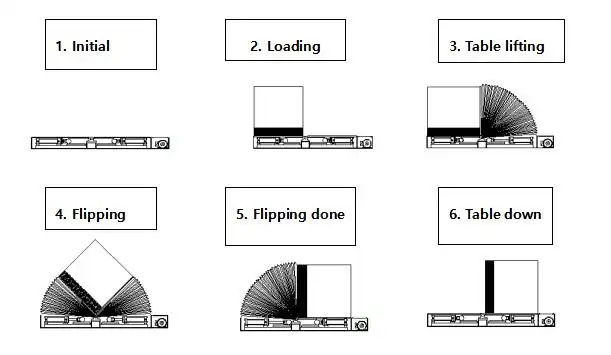
Identifying the Need for Customization in Mold Handling
Are you facing persistent bottlenecks in your mold handling process, or struggling with equipment that doesn’t quite fit your specific needs? Many facilities discover that standard mold handling equipment, while functional, often lacks the precision and adaptability required for truly optimized operations.
Custom mold upenders become essential when standard models cannot accommodate the unique dimensions, weights, or handling requirements of your molds. This is particularly true in industries dealing with diverse mold sizes or intricate handling environments. Investing in customization ensures a perfect fit, enhancing efficiency, safety, and longevity of both equipment and molds.
Choosing the right upender, whether standard or custom, significantly impacts operational efficiency and safety. Let’s dissect the key considerations that highlight when a tailored approach becomes indispensable.
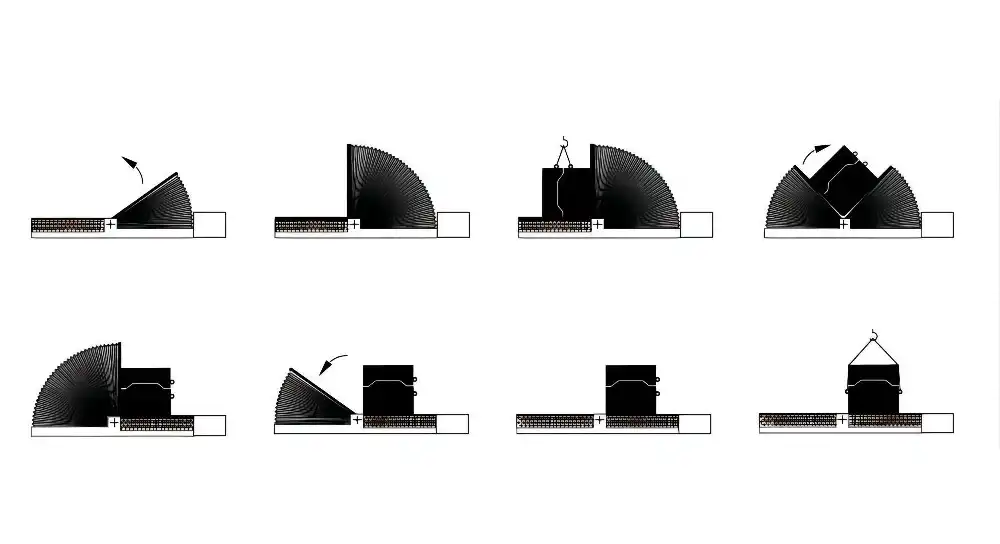
Dive Deeper: Standard vs. Custom Mold Upenders: A Critical Analysis
When evaluating mold upender solutions, understanding the core differences between standard and custom options is paramount. The decision hinges on aligning equipment capabilities with your operational necessities. Standard upenders offer cost-effectiveness and readily available designs, yet they might compromise on specialized needs. Custom solutions, conversely, provide tailored precision but often at a higher initial investment. Let’s break down a comparative analysis to clarify when customization truly pays off.
Standard Mold Upenders: Advantages and Limitations
Standard mold upenders are designed for broad applicability, prioritizing cost-efficiency and ease of deployment. They are ideal for operations with uniform mold sizes and straightforward handling processes.
| Feature | Advantage | Limitation | Best Suited For |
|---|---|---|---|
| Cost | Lower initial investment | May incur ancillary costs for retrofitting | Budget-sensitive operations with standard needs |
| Availability | Readily available, shorter lead times | Limited adaptability to unique requirements | Operations needing immediate solutions |
| Design | Proven designs, reliable for common tasks | Inflexible for specialized mold types or environments | Standardized mold handling processes |
| Maintenance | Simpler maintenance, standard parts | May require modifications, voiding warranties | Operations with in-house maintenance capabilities |
| Functionality | Efficient for typical upending tasks | Can be inefficient or unsafe for нестандартных molds | Uniform mold handling across operations |
Custom Mold Upenders: Justifying the Investment
Custom mold upenders are engineered to address specific operational challenges, offering enhanced precision, safety, and efficiency tailored to unique mold handling requirements.
| Feature | Advantage | Justification for Investment | ROI Impact |
|---|---|---|---|
| Precision | Exact fit for molds, minimizing damage risk | Handling delicate or high-value molds | Reduced mold damage, lower replacement costs |
| Adaptability | Designed for unique sizes, weights, environments | Diverse mold portfolio, challenging operational spaces | Optimized workflow, reduced bottlenecks |
| Safety | Tailored safety features for specific risks | Compliance with stringent safety regulations, heavy/ нестандартных molds | Fewer workplace accidents, lower insurance premiums |
| Efficiency | Streamlined workflow, optimized cycle times | High-volume production, tight schedules | Increased throughput, faster turnaround times |
| Longevity | Durable, built for specific operational demands | Long-term operational planning, high usage environments | Extended equipment lifespan, lower long-term costs |
Making the Choice: A Decision Framework
The choice between standard and custom mold upenders is not merely about cost—it’s about strategic alignment with operational needs and long-term goals. Consider these questions:
- Mold Diversity: How varied are your mold sizes and weights? High diversity often necessitates customization for optimal handling.
- Operational Environment: Are there space constraints,特殊 environmental conditions, or unique workflow integrations required? Custom designs can address these complexities.
- Safety Requirements: Are there stringent safety standards or specific risks associated with your mold handling process? Customization allows for targeted safety enhancements.
- Long-Term Strategy: Is your operation expanding or evolving? Custom solutions can be designed for scalability and adaptability, offering sustained value.
By critically evaluating these factors against the advantages and limitations of standard versus custom mold upenders, businesses can make informed decisions that drive efficiency, safety, and long-term ROI. The next sections will further explore specific scenarios where custom solutions become particularly advantageous.
When Standard Upenders Fall Short: Scenarios Demanding Customization
Are you noticing that your standard mold upenders are struggling to keep pace with production demands, or perhaps causing minor damages to molds due to imperfect fit? For many operations, the limitations of off-the-shelf equipment become apparent as their specific needs evolve or become more defined.
Standard mold upenders are often inadequate when dealing with нестандартных mold shapes, extremely heavy loads, or when integration into existing, complex production lines is required. Industries handling delicate molds or operating under stringent safety protocols also find custom solutions indispensable for ensuring both operational efficiency and workplace safety.
Let’s examine specific scenarios where investing in custom mold upenders transitions from a beneficial option to an operational necessity.
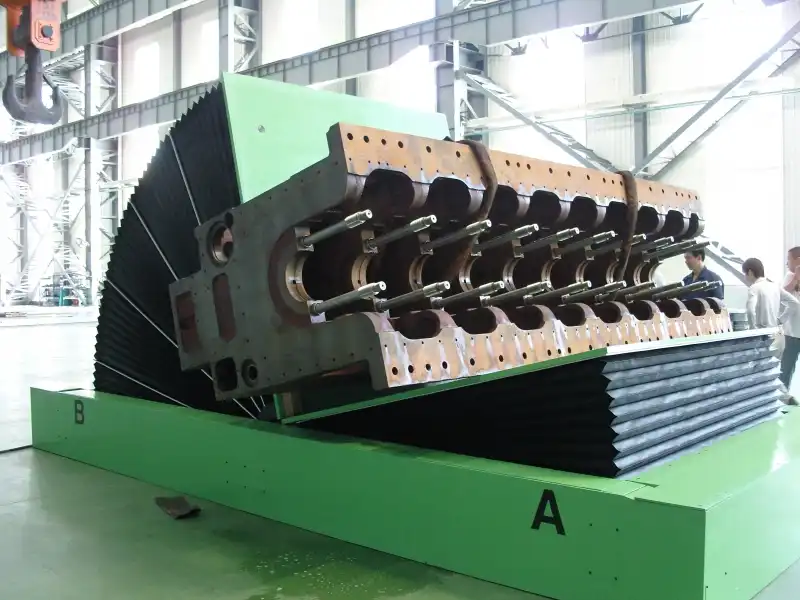
Tailoring for нестандартных Molds and Heavy Loads
Standard mold upenders typically cater to a range of common mold sizes and weights. However, industries dealing with highly нестандартных or exceptionally heavy molds often encounter significant challenges with these generic solutions.
- нестандартных Mold Shapes: Molds that are unusually long, wide, or irregularly shaped can be unstable or unsafe when handled by standard upenders. Custom designs can incorporate specialized cradles, clamps, or support structures to securely accommodate these unique geometries, preventing slippage or damage.
- Extremely Heavy Loads: When mold weights exceed the capacity of standard upenders, safety and efficiency are severely compromised. Custom upenders can be engineered with усиленный structures and мощный actuation systems to handle loads far beyond typical limits, ensuring safe and reliable operation without риск of equipment failure or mold damage.
- Delicate or Precision Molds: Industries handling molds for精密 components or delicate materials require upenders that offer gentle and controlled handling. Custom solutions can integrate features like soft-touch clamping, variable speed controls, and precise positioning systems to minimize stress and prevent damage to these sensitive molds.
For businesses in aerospace, automotive, or specialized manufacturing, where нестандартных and high-precision molds are common, custom upenders are not merely an upgrade—they are essential for maintaining operational integrity and product quality.
Enhancing Safety and Efficiency with Tailored Features
Is workplace safety a top priority in your facility, or are you looking for ways to streamline operations and reduce manual handling? While standard mold upenders offer basic safety and efficiency improvements over manual methods, tailored solutions can provide significantly enhanced features that directly address specific operational risks and workflow bottlenecks.
Custom mold upenders excel in enhancing safety and efficiency by incorporating features precisely designed for the operational environment and specific mold handling tasks. This includes advanced safety interlocks, ergonomic operator controls, automated cycles for repetitive tasks, and seamless integration with existing production systems, leading to a safer, faster, and more reliable mold handling process.
Let’s explore key tailored features that significantly boost both safety and efficiency in mold handling.
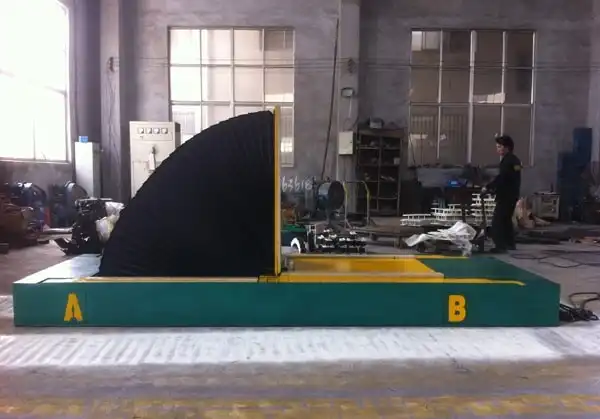
Key Tailored Features for Safety and Efficiency
Custom mold upenders can be equipped with a range of advanced features that go beyond the capabilities of standard models, directly impacting safety and operational throughput.
| Feature | Safety Benefit | Efficiency Benefit | Operational Impact |
|---|---|---|---|
| Automated Clamping Systems | Ensures secure mold retention, preventing accidental slippage during upending | Reduces manual adjustment time, faster cycle times | Consistent, reliable mold handling, increased throughput |
| Ergonomic Controls | Intuitive operator interface, reduces strain and fatigue | Easier operation, quicker learning curve, less operator error | Improved operator comfort, enhanced productivity, reduced training costs |
| Safety Light Curtains/Scanners | Creates protective zones, halts operation if personnel enter unsafe areas | Allows for faster cycle times compared to physical guarding, maintains workflow | Enhanced workplace safety, compliance with safety regulations, optimized workflow |
| Variable Speed Controls | Gentle start/stop motions, minimizes mold stress during handling | Optimized cycle speeds for different mold types, faster handling of lighter molds | Reduced mold damage, versatile handling capabilities, improved cycle time optimization |
| Remote Monitoring & Diagnostics | Real-time performance data, predictive maintenance alerts | Minimizes downtime, proactive maintenance scheduling | Reduced unexpected breakdowns, increased uptime, lower maintenance costs |
These tailored features demonstrate how custom mold upenders can be specifically engineered to address the unique safety and efficiency needs of diverse industrial operations. The investment in customization directly translates to tangible improvements in workplace safety, operational productivity, and long-term cost savings.
Integrating Custom Upenders into Your Industrial Workflow
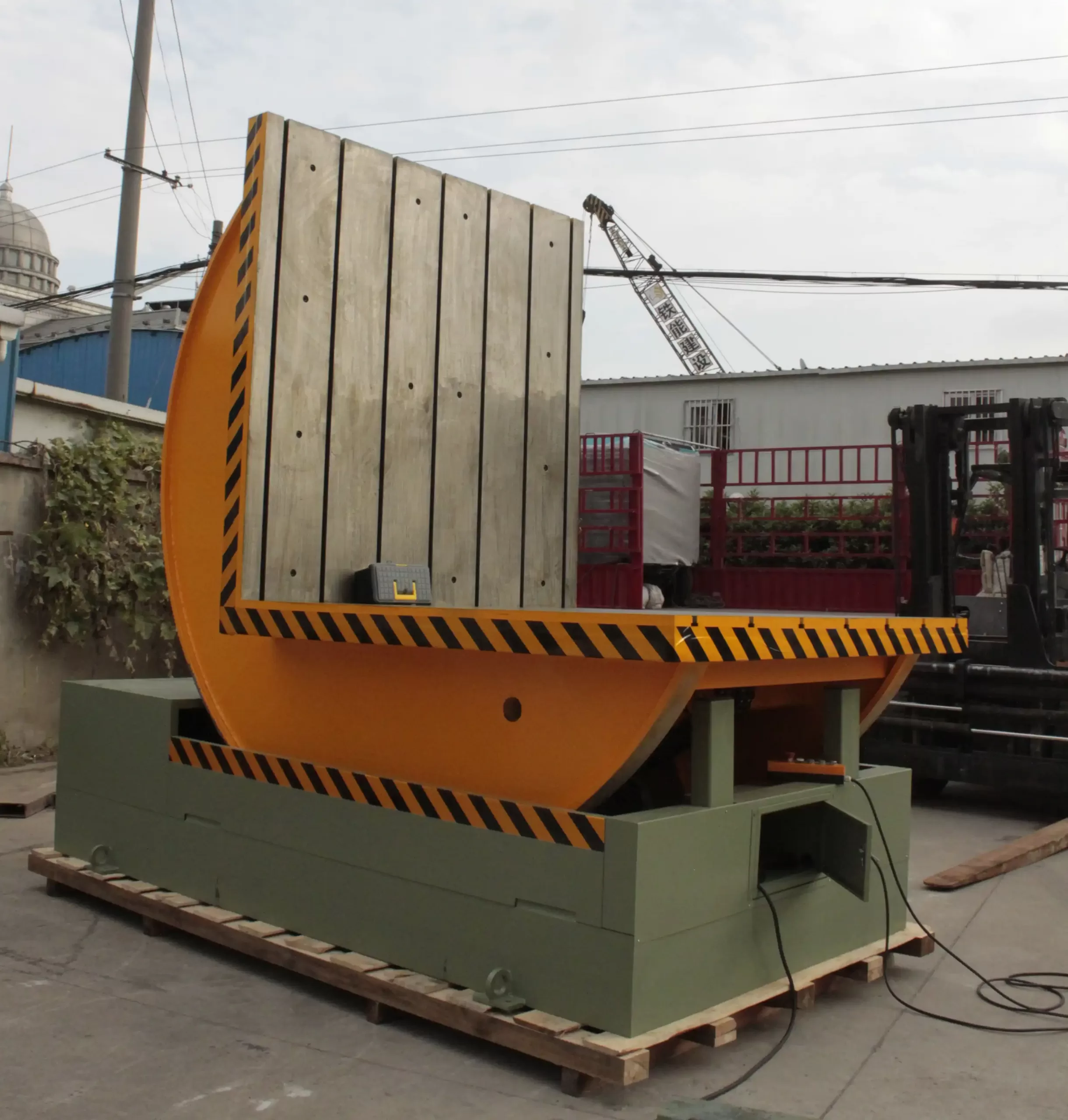
Seamless integration of custom mold upenders into existing workflows is crucial for maximizing efficiency and minimizing disruption. Tailored integration solutions consider factors like space constraints, existing material handling systems, and production line synchronization to ensure the upender operates as a cohesive part of the overall process, enhancing throughput and reducing bottlenecks.
Custom mold upenders are not standalone pieces of equipment; their true value is realized when they are effectively integrated into the broader industrial workflow. This integration involves several key considerations to ensure seamless operation and maximum benefit. When standard integration methods are insufficient, custom engineering becomes essential. This may include:
- Space Optimization: Custom upenders can be designed with a compact footprint or нестандартных orientations to fit into tight spaces or integrate into existing layouts without requiring major facility overhauls.
- Material Handling System Synchronization: Tailored solutions can be engineered to interface directly with conveyors, automated guided vehicles (AGVs), or robotic systems, creating a fully automated mold handling process. This synchronization minimizes manual intervention, speeds up transfer times, and reduces the risk of handling errors.
- Production Line Integration: For operations requiring mold changes or rotations at specific points in the production line, custom upenders can be designed to integrate directly into the line flow. This ensures molds are precisely positioned when and where needed, optimizing production cycles and reducing downtime.
- Control System Integration: Custom upenders can be equipped with control systems that integrate with the facility’s overall automation network. This allows for centralized monitoring, coordinated operation with other equipment, and data logging for performance analysis and process optimization.
By addressing these integration aspects through custom engineering, businesses can ensure that their mold upenders operate not just efficiently as individual units, but as integral components of a streamlined and optimized industrial workflow. This holistic approach to integration maximizes the return on investment and delivers sustained operational benefits.
Conclusion
Investing in a custom mold upender is a strategic decision that goes beyond mere equipment acquisition; it’s about optimizing your entire mold handling process for safety, efficiency, and long-term value. When standard solutions prove inadequate for нестандартных molds, heavy loads, or complex operational environments, tailored equipment becomes not just preferable, but essential. By addressing specific challenges and integrating seamlessly into your workflow, custom mold upenders offer a robust solution that drives productivity and ensures a safer, more efficient future for your industrial operations. Consider partnering with experts to explore how tailored custom mold upender solutions can transform your mold handling and elevate your operational capabilities.








