
Warranty and Service Agreements for Mold Upenders: What to Expect
Are you investing in a mold upender to streamline your manufacturing or mold handling processes? The excitement of new equipment can quickly turn to frustration if unexpected breakdowns occur and you’re left footing the repair bill. Don’t let uncertainty cloud your investment. Understanding warranty and service agreements is crucial to protect your mold upender and ensure smooth, continuous operation.
When purchasing a mold upender, expect warranty and service agreements to cover defects in manufacturing and offer ongoing support, but coverage varies significantly. Carefully review terms regarding duration, covered components, exclusions, and required maintenance to avoid unexpected costs and downtime. Opting for extended warranties and comprehensive service contracts can provide long-term peace of mind and predictable operational expenses.
Navigating the fine print of warranties and service agreements can feel daunting, but it’s a step you can’t afford to skip. Let’s break down what you need to know to make informed decisions and secure the best protection for your mold upender investment.
Why Warranty and Service Agreements are Crucial for Mold Upenders
Imagine your production line grinding to a halt because your mold upender malfunctions. Without a solid warranty or service agreement, you’re not only facing repair costs but also significant downtime, impacting deadlines and profits. This scenario is easily avoidable. A comprehensive warranty and service agreement isn’t just paperwork; it’s your safety net, ensuring your mold upender remains a reliable asset, not a liability.
Warranty and service agreements for mold upenders are vital for protecting your investment and ensuring operational continuity. They offer financial protection against unexpected repairs due to manufacturing defects through warranties, and prevent downtime with regular maintenance and support via service contracts. These agreements provide predictable costs, extend equipment lifespan, and guarantee expert assistance, ultimately maximizing uptime and return on investment.
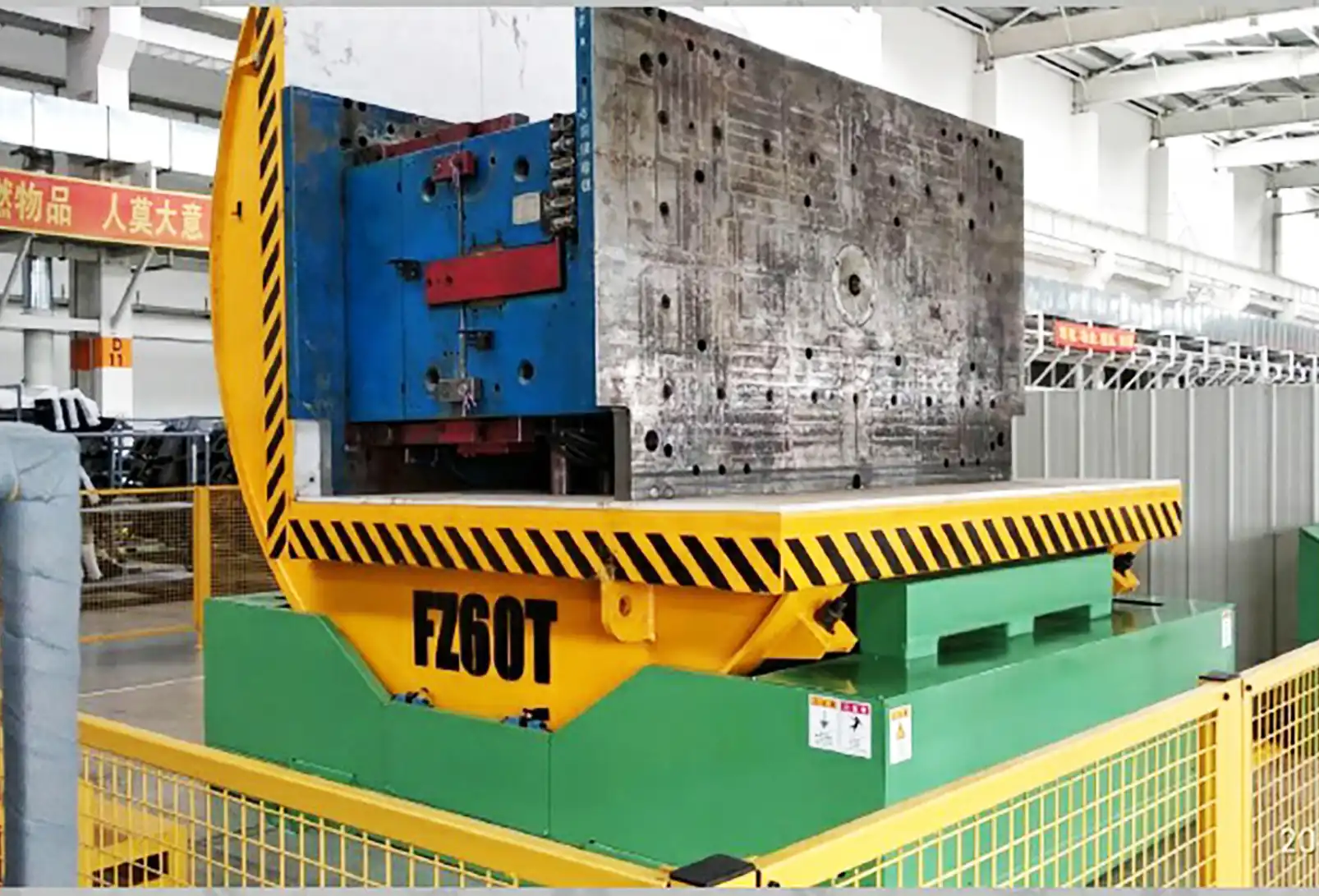
Dive Deeper into the Value Proposition of Agreements
Why are these agreements so critical? Let’s dissect the core benefits and potential pitfalls of overlooking them. The value extends far beyond just fixing broken parts; it’s about building a resilient operational framework.
Financial Protection: Beyond Immediate Repair Costs
The most immediate benefit is financial protection against manufacturing defects. A warranty shields you from bearing the full cost of repairs within a specified period. However, the true financial impact is multifaceted:
| Aspect | With Warranty & Service Agreement | Without Warranty & Service Agreement | Impact |
|---|---|---|---|
| Repair Costs | Predictable, often covered | Unpredictable, full expense | Cost Savings |
| Downtime Costs | Minimized through maintenance & support | Potentially prolonged and costly | Operational Efficiency, Reduced Losses |
| Equipment Lifespan | Extended through preventative care | Potentially shortened due to neglect | Long-Term Investment Protection |
| Resale Value | Higher due to service history | Lower, uncertain maintenance history | Asset Value Preservation |
As the table illustrates, the financial implications extend beyond immediate repair bills. Unplanned downtime can cripple production schedules, leading to missed deadlines, penalties, and lost revenue. Preventative maintenance, often included in service agreements, ensures the mold upender operates optimally, reducing the likelihood of major breakdowns and extending its operational life. Furthermore, a well-maintained machine with a documented service history holds a higher resale value should you decide to upgrade or change your operational setup.
Operational Continuity: Minimizing Disruptions
Operational disruptions are a significant hidden cost. A sudden breakdown can halt production, impacting downstream processes and delivery commitments. Service agreements often prioritize response times and offer remote diagnostics, minimizing the duration of any downtime. Consider this operational impact:
| Factor | With Service Agreement | Without Service Agreement | Difference |
|---|---|---|---|
| Response Time | Typically guaranteed & faster | Dependent on availability & slower | Faster resolution, minimized downtime |
| Preventive Maintenance | Scheduled & proactive | Reactive, only when issues arise | Reduced breakdowns, increased uptime |
| Technical Expertise | Guaranteed access to specialists | Dependent on internal capabilities | Expert support, efficient problem-solving |
The difference in response time alone can be critical. Imagine waiting days for a technician versus having guaranteed support within hours. Preventative maintenance is equally crucial. Just like regular servicing for a car, scheduled maintenance for a mold upender can identify and address minor issues before they escalate into major, disruptive failures. Access to technical expertise is also invaluable. Service agreements provide direct access to specialists familiar with mold upender technology, ensuring efficient and accurate problem diagnosis and resolution.
In conclusion, warranty and service agreements are not merely expenses; they are strategic investments in financial security and operational resilience. They transform unpredictable costs into predictable budgets, minimize disruptive downtime, and ensure your mold upender remains a productive asset for years to come.
Types of Warranty Agreements for Mold Upenders
When it comes to warranties for mold upenders, one size definitely does not fit all. Understanding the different types of warranties available is essential to choosing the right protection level for your specific needs and risk tolerance. From basic coverage to comprehensive protection, the options vary, and knowing the nuances can save you significant costs and headaches down the line.
Common warranty types for mold upenders include limited warranties, which cover specific components for a defined period, and extended warranties, which prolong the coverage beyond the initial period. Some manufacturers may also offer comprehensive warranties that cover a broader range of issues. The best type depends on factors like budget, risk tolerance, and the criticality of uptime for your operations.
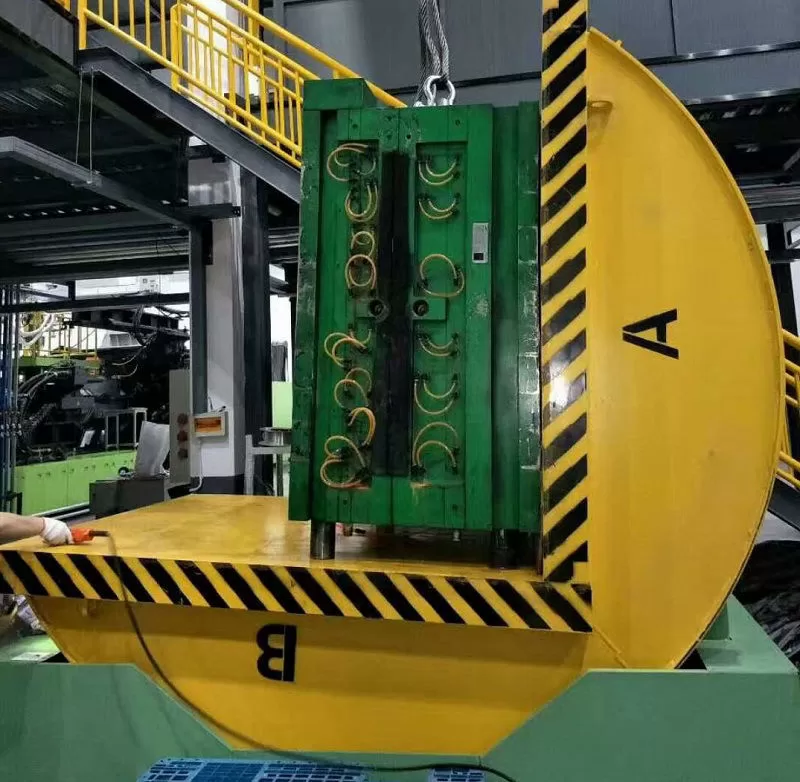
Exploring Warranty Spectrum: From Basic to Premium
Let’s delve into the common types of warranties you might encounter when purchasing a mold upender. Each type offers a different level of protection and comes with its own set of terms and conditions.
1. Limited Warranty: The Foundational Coverage
This is the most basic type of warranty and is often included as standard with the purchase of a new mold upender. It typically covers:
- Duration: Usually ranges from 1 to 2 years from the date of purchase or installation.
- Coverage: Primarily defects in materials and workmanship under normal use. This means if a component fails due to a manufacturing flaw, it will be repaired or replaced at no cost.
- Exclusions: Wear and tear, misuse, neglect, improper maintenance, and external factors like power surges or environmental damage are generally excluded. Consumable parts (if any) are rarely covered.
Pros: Provides a baseline level of protection against manufacturing defects at no additional upfront cost.Cons: Limited scope and duration. Does not cover operational issues or failures due to factors other than manufacturing flaws. May not be sufficient for critical operations.
2. Extended Warranty: Prolonging Peace of Mind
As the name suggests, an extended warranty expands the coverage period of the limited warranty. It’s essentially an add-on that you purchase to extend protection beyond the standard period.
- Duration: Extends the original warranty period, often for an additional 1 to 5 years. The total coverage period can sometimes reach 5 years or more.
- Coverage: Typically mirrors the coverage of the limited warranty, focusing on manufacturing defects. Some extended warranties may offer slightly broader coverage but read the fine print carefully.
- Cost: Involves an additional purchase cost, which varies based on the duration and scope of extension.
Pros: Extends financial protection for a longer period, providing greater peace of mind and predictable long-term costs. Can be a cost-effective way to manage risk over the equipment’s expected lifespan.Cons: Still primarily focused on manufacturing defects. Does not typically cover preventative maintenance or operational support. Represents an additional upfront expense.
3. Comprehensive Warranty: The All-Encompassing Shield
Less common but highly valuable, a comprehensive warranty aims to provide the broadest possible protection. It may include:
- Duration: Can vary, sometimes offered for longer periods than standard limited warranties.
- Coverage: May extend beyond manufacturing defects to include certain types of operational failures or even wear and tear on specific components. Could also include some level of preventative maintenance or basic service support.
- Exclusions: Even comprehensive warranties will have exclusions, but they are generally fewer than limited warranties.
Pros: Offers the most extensive protection, potentially covering a wider range of issues and providing added services. Reduces financial risk and operational uncertainty to the greatest extent.Cons: Typically the most expensive warranty option. True “comprehensive” warranties are less common for industrial equipment; the term is sometimes used loosely. Requires careful scrutiny of the coverage details to understand what is truly included.
Choosing the Right Warranty:
The ideal warranty type depends on your specific circumstances. Consider these factors:
- Budget: Limited warranties are standard; extended and comprehensive warranties involve additional costs.
- Risk Tolerance: How much financial risk are you comfortable bearing for potential repairs?
- Operational Criticality: How crucial is uptime for your mold upender? Higher criticality may justify more comprehensive coverage.
- Equipment Lifespan Expectations: How long do you plan to use the mold upender? Longer lifespans may warrant extended warranties.
Carefully evaluate your needs and compare warranty offerings to make an informed decision that balances protection with cost. Don’t hesitate to ask manufacturers for detailed warranty documentation and clarification on coverage terms and exclusions.
Understanding Service Contracts for Mold Upenders
While warranties primarily address manufacturing defects, service contracts take a proactive approach, focusing on preventative maintenance, routine checks, and responsive support to ensure the long-term health and optimal performance of your mold upender. These agreements are designed to minimize downtime, extend equipment lifespan, and provide predictable operational costs beyond the scope of a typical warranty.
Service contracts for mold upenders offer scheduled maintenance, priority support, and sometimes repair coverage beyond warranty terms. They ensure regular inspections, lubrication, parts replacements, and rapid response to issues, preventing breakdowns and maximizing uptime. Different tiers of service contracts exist, offering varying levels of coverage and support to match different operational needs and budgets.

Decoding Service Contracts: Proactive Care for Peak Performance
Service contracts come in various forms, each tailored to offer different levels of support and preventative care. Let’s explore the typical tiers and components of these agreements.
1. Basic Service Contract: Essential Preventative Care
This entry-level contract typically focuses on routine preventative maintenance to keep your mold upender in good working order. Common inclusions are:
- Scheduled Maintenance: Regular inspections, lubrication, cleaning, and adjustments performed at predefined intervals (e.g., annually, bi-annually).
- Basic Checklists: Verification of key components, safety systems, and operational parameters.
- Discounted Parts & Labor: May offer discounts on spare parts and labor for repairs needed outside of warranty coverage.
Pros: Cost-effective way to ensure basic preventative maintenance is performed. Helps identify and address minor issues before they become major problems. Extends equipment lifespan through regular care.Cons: Limited scope beyond preventative maintenance. May not include priority support for breakdowns or comprehensive repair coverage. Response times for unscheduled issues may be standard, not prioritized.
2. Standard Service Contract: Enhanced Support and Response
Stepping up from the basic level, a standard service contract offers a broader range of support and faster response times. It often includes:
- All features of Basic Contract: Scheduled maintenance, checklists, discounted parts/labor.
- Priority Support: Faster response times for service requests and breakdowns compared to customers without contracts or basic contracts.
- Remote Diagnostics: Ability to remotely diagnose certain issues, potentially speeding up resolution.
- On-site Troubleshooting: Guaranteed on-site technician visits for troubleshooting and repairs within a defined timeframe.
Pros: Provides enhanced support and faster response times, minimizing downtime. Remote diagnostics can expedite issue resolution. Offers a good balance of preventative care and responsive support.Cons: May still have limitations on included repairs beyond warranty. Comprehensive repair coverage might be an additional upgrade.
3. Comprehensive Service Contract: All-Inclusive Operational Assurance
The most premium service contract option, a comprehensive agreement aims to provide all-inclusive support and maximum operational assurance. It typically encompasses:
- All features of Standard Contract: Scheduled maintenance, priority support, remote diagnostics, on-site troubleshooting.
- Included Repairs (Beyond Warranty): Coverage for certain types of repairs beyond the warranty period, potentially including parts and labor for specific components or failure types. This can be limited or more extensive depending on the contract details.
- Guaranteed Uptime (in some cases): Some premium contracts may even offer uptime guarantees, with penalties or compensation if uptime falls below a certain threshold.
- Dedicated Account Manager: A single point of contact for all service-related needs.
Pros: Provides the highest level of protection and operational assurance. Included repairs and potential uptime guarantees offer predictable long-term operating costs. Dedicated account management simplifies service interactions.Cons: The most expensive service contract option. “Included repairs” coverage still needs careful review to understand exactly what is covered and what is excluded. Uptime guarantees are less common and typically come with stringent terms.
Choosing the Right Service Contract:
Similar to warranties, selecting the appropriate service contract depends on your operational needs and priorities. Consider:
- Operational Dependency: How reliant are you on the mold upender for continuous production? Higher dependency justifies more comprehensive service.
- Internal Maintenance Capabilities: Do you have in-house maintenance staff capable of handling routine maintenance and basic repairs? If not, a more comprehensive contract may be beneficial.
- Budget for Service: Service contracts represent ongoing operational expenses. Balance the cost of the contract with the potential costs of downtime and unexpected repairs.
- Manufacturer Reputation for Support: Consider the manufacturer’s reputation for service and support responsiveness.
Thoroughly evaluate your operational context and compare service contract offerings to choose the level of support that aligns with your needs and budget. Don’t hesitate to negotiate contract terms and clarify any ambiguities before signing an agreement.
Key Elements to Review in Your Mold Upender Warranty and Service Agreements
Navigating the legal language of warranty and service agreements can be tricky. However, focusing on key elements ensures you understand exactly what you’re getting and can make informed decisions. Don’t just skim the documents; carefully examine these critical aspects to protect your investment and avoid potential disputes down the line.

When reviewing mold upender warranty and service agreements, prioritize checking the coverage duration, specific components covered and excluded, clear definitions of responsibilities for both parties, and the process for making claims or requesting service. Understanding these elements is crucial for ensuring the agreement meets your needs and provides adequate protection.
Crucial elements to scrutinize in both warranty and service agreements include:
-
Coverage Duration: Clearly identify the start and end dates of the warranty and service agreement. Warranties typically start from the date of purchase or installation, while service agreements may have different start dates. Understand if renewals are possible and on what terms.
-
Covered Components: Precisely what parts and systems of the mold upender are covered? Are critical components like motors, hydraulics, or control systems specifically mentioned? For service agreements, detail which maintenance tasks are included (lubrication, inspections, etc.).
-
Exclusions: Pay close attention to what is not covered. Common exclusions include wear and tear, misuse, neglect, improper maintenance, external factors (power surges, environmental damage), and consumable parts. Understand the limitations clearly.
-
Responsibilities: Clearly define the responsibilities of both the manufacturer/service provider and the customer (you). What maintenance tasks are you expected to perform to maintain warranty validity? What are the provider’s obligations for response times, repairs, and parts availability?
-
Claims/Service Request Process: Outline the exact steps to take when making a warranty claim or requesting service. Who to contact, what documentation is needed, and what are the expected response times? A clear process minimizes delays and frustration when issues arise.
-
Limitations of Liability: Understand any limitations on the manufacturer’s or service provider’s liability. Are there caps on repair costs or exclusions for consequential damages (e.g., lost production time)?
-
Terms and Conditions: Read the entire document, not just the highlights. Pay attention to clauses regarding governing law, dispute resolution (arbitration, mediation), cancellation policies, and any other fine print that could impact your rights and obligations.
By meticulously reviewing these key elements, you can ensure that the warranty and service agreements provide the protection and support you expect, minimizing surprises and maximizing the value of your mold upender investment. Don’t hesitate to seek legal counsel if you are unsure about any terms or conditions.
Conclusion
Investing in a mold upender is a strategic move to enhance efficiency and safety in mold handling. However, safeguarding this investment requires more than just the initial purchase. Comprehensive mold upender warranty and service agreements are essential tools for ensuring long-term operational reliability and predictable costs. By understanding the different types of warranties and service contracts, and carefully reviewing the key elements of these agreements, you can make informed decisions that protect your investment, minimize downtime, and maximize the lifespan of your valuable equipment, contributing to sustained productivity and profitability.








