
How Does a Hydraulic Upender Provide Cost Savings Compared to Manual Handling?
Are you a factory manager in Mexico, like Michael Chen, overseeing a busy metal processing plant? Do you often worry about slow production, high labor costs, and constant safety risks from moving heavy steel coils or wire rods? These challenges are common. Many plant operators face daily struggles with outdated manual handling methods. These methods can hurt your bottom line and put your team at risk. It is a problem I saw often in my years building a packing machine factory. You are looking for a real solution, not just another piece of equipment. (factory manager Mexico, metal processing plant challenges, manual handling risks)
A hydraulic upender saves money by directly cutting labor costs, reducing workplace injuries, and minimizing product damage. It replaces inefficient manual processes with automated, safer, and faster operations. This machine handles heavy industrial items like steel coils or molds. It significantly improves efficiency and worker safety. This leads to lower operational expenses and higher overall productivity for your factory. (hydraulic upender cost savings, manual handling reduction, industrial efficiency)
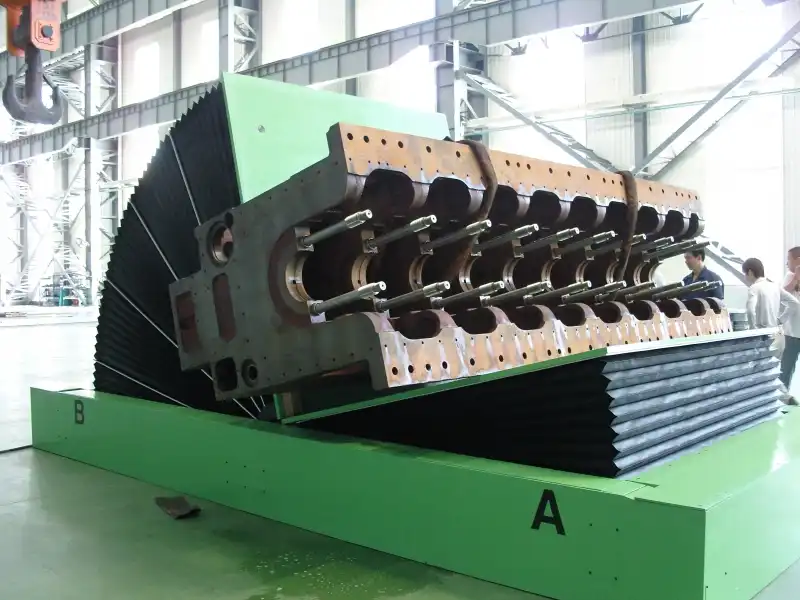
You might think about the initial investment. But, the long-term benefits of an automated heavy load handling system are clear. Let us look closer at how this smart equipment can transform your factory operations and boost your profits. We can dive into the specifics of how a hydraulic upender truly makes a difference. (automated heavy load handling, factory operations profits, hydraulic upender benefits)
1. How Does Manual Handling of Heavy Loads Actually Increase Your Operational Costs?
Think about your current process for moving heavy items in your factory. Are your workers straining to flip steel coils or rotate heavy molds by hand? This is not just slow. It is also very expensive. Manual handling often seems like the “easy” way. But it hides many costs that eat into your profits. I have seen this first-hand in many plants, especially those handling materials like steel and heavy wire. (manual handling heavy items, factory operational costs, slow production expense)
Manual handling of heavy industrial loads increases operational costs through several direct and indirect factors. These include high labor expenses for multiple workers, increased insurance premiums due to frequent workplace injuries, significant downtime from slow processes, and costly product damage during unsafe movements. It also leads to lower employee morale and higher staff turnover, adding to recruitment and training costs. (heavy load handling costs, manual process expenses, workplace injury impact)
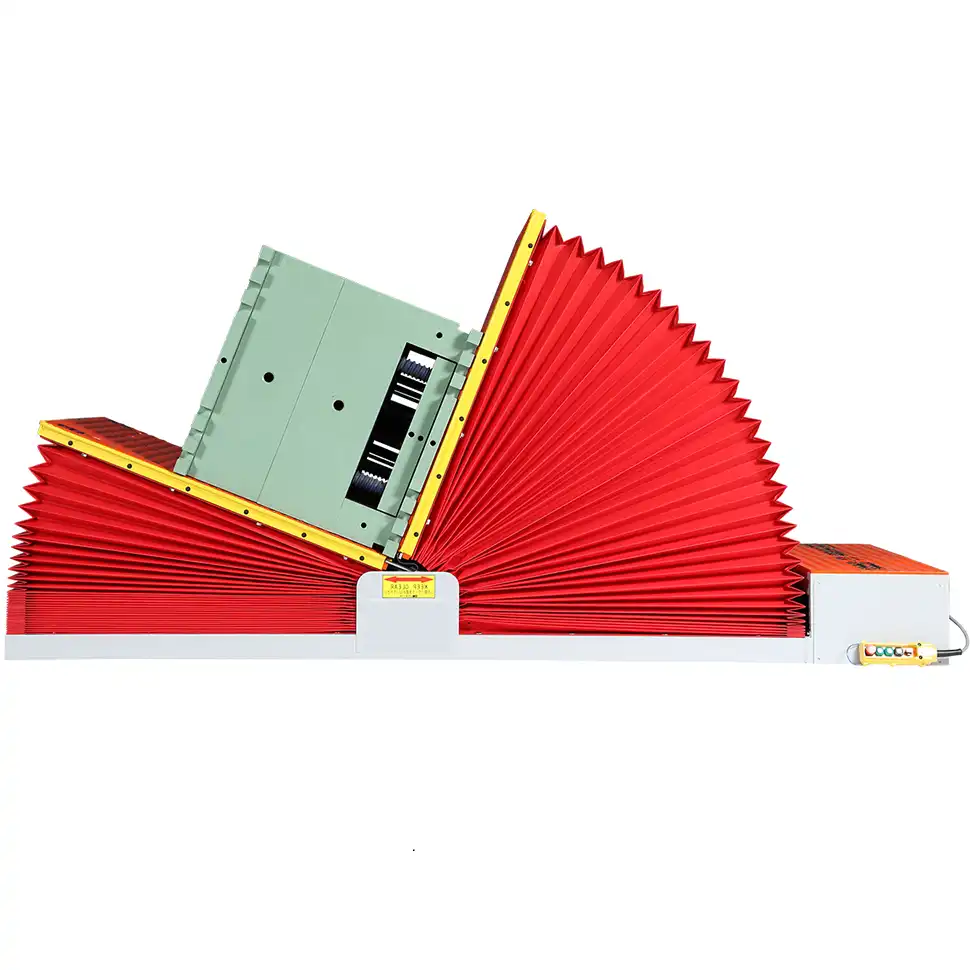
When I first started in the packing machine industry, manual handling was common. We saw the true costs every day. It goes beyond just paying wages. For example, in a busy metal processing plant in Mexico, a team of four workers might spend hours turning heavy steel coils. This task is not only time-consuming but also incredibly risky.
Hidden Costs of Manual Heavy Load Handling:
- Labor Overheads: You need more people for tasks that machines can do faster. This means higher wages, benefits, and overtime. If one worker gets hurt, others may also slow down. This impacts the entire production chain. Imagine Michael Chen’s plant. If his team spends too much time on manual coil turning, they cannot do other vital tasks. This creates bottlenecks.
- Worker Injuries and Insurance: Lifting and turning heavy objects manually often leads to muscle strains, back injuries, and even more serious accidents. Each injury means medical bills, lost workdays, and higher workers’ compensation insurance premiums. I have heard stories where a single serious injury cost a company tens of thousands of dollars. For Michael, this risk is a constant pressure point. He needs to protect his team.
- Production Delays and Inefficiency: Manual processes are inherently slower than automated ones. This creates bottlenecks at the end of the production line. If packing or handling heavy molds takes too long, the entire factory output slows down. This directly affects delivery times and customer satisfaction. It reduces your competitive edge in the market.
- Product Damage and Waste: When workers manually handle large, heavy items like steel coils or wire bundles, accidental drops or collisions are common. This can cause dents, scratches, or deformities. These damaged products might be unsellable or need costly rework. This leads to financial losses and unhappy customers. I know this from experience. Protecting the product is just as important as protecting the worker.
- Employee Morale and Turnover: Constantly performing physically demanding and dangerous tasks can lower employee morale. It can lead to dissatisfaction and high turnover rates. Losing experienced workers means more money spent on recruitment and training new staff. This cycle is very expensive. A stable, safe work environment is key for long-term success. (manual handling costs breakdown, labor expense impact, production delay consequences, product damage costs, worker safety and morale)
2. How Can a Hydraulic Upender Significantly Boost Your Production Line Efficiency?
You are always looking for ways to make your production line faster and smoother. Michael Chen, a factory manager in Mexico, faces this every day. Manual handling is a bottleneck that holds back your entire operation. It makes you lose precious time. A modern hydraulic upender changes this completely. It offers a powerful solution to improve your factory’s speed and flow. (production line efficiency boost, factory speed improvement, hydraulic upender benefits)
A hydraulic upender significantly boosts production line efficiency by automating the heavy load rotation process. It performs flips or turns much faster and more consistently than manual labor. This reduces processing time, eliminates bottlenecks, and allows for continuous material flow. The upender integrates seamlessly into automated systems, ensuring higher throughput and fewer production stops. (hydraulic upender efficiency, automated load rotation, production bottleneck elimination)
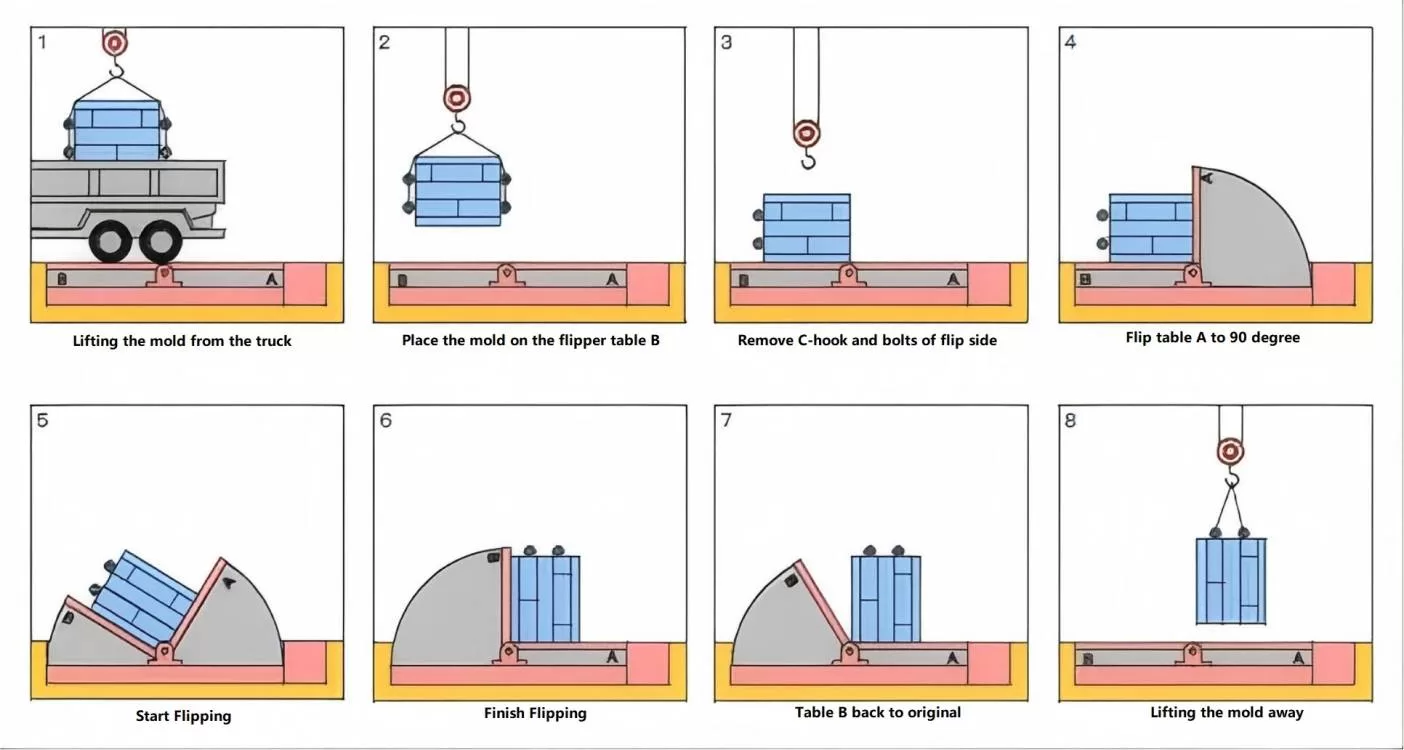
During my time setting up and running a packing machine factory, I learned that efficiency is king. Every second counts. A hydraulic upender is not just a machine. It is an investment in streamlined operations. It directly tackles the efficiency issues Michael Chen battles in his metal processing plant.
Key Ways a Hydraulic Upender Improves Efficiency:
- Faster Processing Speed:
- Manual rotation of heavy objects like a steel coil can take several minutes and multiple workers.
- A hydraulic upender can complete a full 90-degree or 180-degree turn in less than a minute. This dramatic speed increase means materials move through the line much quicker.
- Faster cycle times translate directly to higher overall production output.
- Elimination of Bottlenecks:
- Manual handling points often become choke points. Materials pile up, waiting for workers to perform a flip.
- An upender handles heavy loads quickly, clearing these bottlenecks. It keeps the flow of materials constant. This ensures that downstream processes are never left waiting.
- This continuous flow optimizes the entire production line.
- Consistent and Reliable Operations:
- Human error is a factor in manual tasks. Workers can get tired or make mistakes.
- A hydraulic upender performs the same task with precision every time. This consistency reduces errors and rework. It also guarantees predictable processing times.
- The reliability of the machine means fewer unexpected stops and greater uptime for your factory.
- Integration with Automation:
- Modern upenders can link with other automated systems, such as conveyors or packing lines. This creates a fully automated workflow.
- For Michael, automating his coil and wire rod packing process means less human intervention. It ensures a smoother transition between different stages.
- This integration is key for factories aiming for higher levels of automation and Industry 4.0 standards.
- Optimized Resource Allocation:
- By using an upender, you free up workers from strenuous, repetitive tasks. They can then be reassigned to more skilled or value-added jobs.
- This is not about cutting jobs. It is about using your human resources more intelligently. It maximizes their potential. It creates a more productive and dynamic workforce. (hydraulic upender speed, production bottlenecks removed, consistent operation benefits, automation integration, resource optimization)
3. What Are the Tangible Safety Benefits and Cost Reductions from Using an Industrial Upender?
Worker safety is a top priority for any responsible factory manager. Michael Chen, managing a metal processing plant in Mexico, knows the risks involved with heavy manufacturing. Manual handling of large items like steel coils or industrial molds creates serious hazards. These hazards are not just about injuries. They also come with significant financial costs. (worker safety priority, heavy manufacturing risks, manual handling hazards costs)
An industrial upender dramatically improves workplace safety by eliminating the need for manual heavy lifting and rotation. This directly reduces the risk of muscle strains, crush injuries, and other accidents. The machine performs these dangerous tasks mechanically, protecting workers. This leads to fewer worker compensation claims, lower insurance premiums, and a healthier, more stable workforce, translating into clear cost reductions for the factory. (industrial upender safety benefits, manual lifting elimination, workplace injury reduction cost)
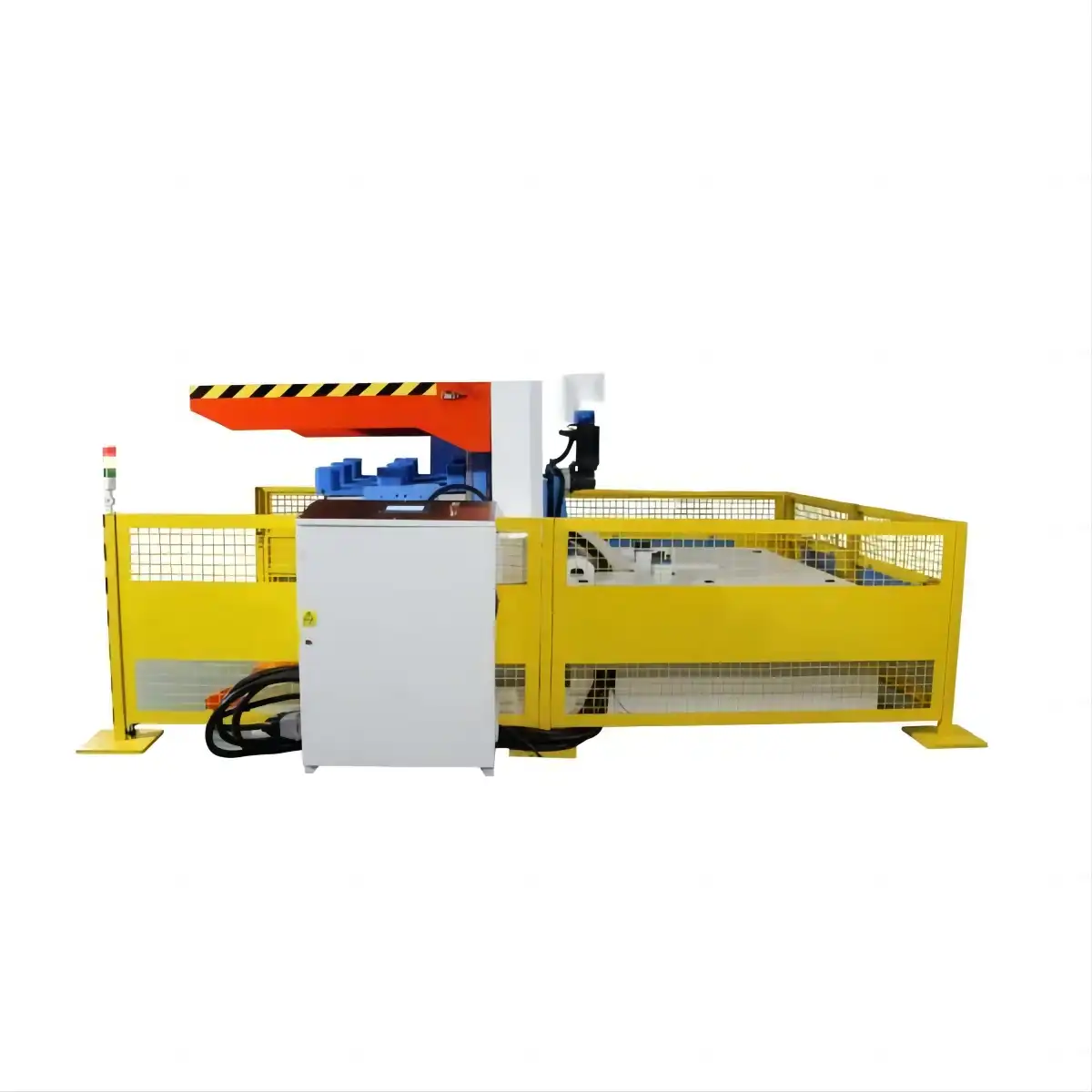
I remember early in my career, seeing workers struggle with heavy objects. Accidents were common. It was clear that a better way was needed. Michael Chen’s challenge about high injury risks and insurance costs is a real one. A hydraulic upender is not just about efficiency; it is fundamentally about protecting your most valuable asset: your people.
Direct Safety Improvements and Financial Savings:
- Eliminating Manual Heavy Lifting 🏋️♀️:
- The core danger in handling heavy items is the act of lifting, pushing, or pulling them by hand. Upenders remove this danger entirely.
- Workers simply load the item onto the upender. The machine does all the heavy work. This eliminates strain-related injuries which are very common.
- Impact: Fewer back injuries, sprains, and muscle tears.
- Reducing Crush and Impact Risks 🛡️:
- When manually moving large, heavy objects, there is a constant risk of them shifting, falling, or crushing a limb.
- An upender holds the load securely during rotation. Its controlled movement prevents uncontrolled shifts. This significantly reduces the chance of crushing injuries.
- Impact: Safer operations, fewer severe accidents.
- Lower Insurance Premiums 💰:
- Factories with high rates of workplace injuries often face higher workers’ compensation insurance premiums. Insurance companies assess risk.
- By demonstrating a commitment to safety through automated equipment like an upender, factories can often negotiate lower rates. This is a direct financial saving.
- Impact: Reduced operating costs, improved financial health.
- Reduced Employee Turnover and Training Costs 🔄:
- A safe working environment leads to happier, more loyal employees. They are less likely to leave due to dangerous conditions.
- Lower turnover means less money spent on recruiting and training new staff. This saves significant time and resources.
- Impact: Stable workforce, lower HR expenses.
- Compliance and Reputation 👍:
- Meeting safety regulations is crucial. Automated equipment helps factories comply with occupational safety standards.
- A strong safety record also enhances a company’s reputation. It makes it more attractive to skilled workers and even potential clients.
- Impact: Avoidance of fines, enhanced brand image, easier talent acquisition.
An industrial upender is a powerful tool. It transforms dangerous manual tasks into safe, automated ones. This not only protects your workers but also protects your factory’s finances. It aligns perfectly with Michael’s goal to fundamentally improve worker safety and reduce related costs. (upender safety benefits, injury prevention, insurance cost reduction, employee retention, safety compliance)
4. How Does Investing in a Quality Hydraulic Upender Lead to Long-Term Financial Gains?
Making a large purchase for your factory always involves careful thought. You need to see a clear return on investment. Michael Chen’s plant needs durable equipment that can handle tough conditions. But more than that, he needs solutions that boost his overall profitability. Investing in a high-quality hydraulic upender is not just about today’s needs. It is about securing long-term financial gains for your business. (factory investment ROI, durable equipment profitability, long-term financial gains)
Investing in a quality hydraulic upender leads to long-term financial gains through reduced operating costs, increased production capacity, and minimized product damage. Its robust construction ensures extended service life and lower maintenance. This investment provides a strong return by automating strenuous tasks, improving safety, and enabling consistent, high-volume output, directly boosting a factory’s overall profitability and competitive edge. (hydraulic upender long-term ROI, operating cost reduction, production capacity increase)
I remember when I first started my factory, every equipment purchase was a big decision. I always thought about how it would pay off over time. This is why I understand Michael Chen’s need for clear ROI. He has faced supplier trust issues before. He needs a partner who truly delivers value. A well-chosen hydraulic upender, like those FHOPEPACK offers, does exactly that.
Long-Term Financial Gains from a Quality Hydraulic Upender:
- Reduced Operating Expenses 📉:
- Labor Savings: As discussed, fewer workers are needed for dangerous, manual tasks. This reduces wages, overtime, and benefits.
- Maintenance Savings: High-quality machines, especially from reputable manufacturers like FHOPEPACK, are built to last. They require less frequent repairs and have lower spare part costs over their lifespan. My own experience taught me the value of choosing durable equipment.
- Energy Efficiency: Modern hydraulic systems are designed to be energy-efficient. They reduce electricity consumption compared to older, less optimized equipment.
- Increased Production Capacity and Revenue 📈:
- Higher Throughput: Faster and more consistent material handling means more products can be processed and packed per shift. This directly increases your factory’s output.
- Reduced Downtime: Reliable equipment breaks down less often. This means fewer unplanned production stops. Each hour of uptime is an hour of production, contributing to revenue.
- Consistent Quality: Automated handling reduces product damage. This means fewer rejected products and higher quality going to customers. This protects your reputation and profits.
- Minimized Product Damage and Waste 📦:
- Manual handling is prone to human error and accidents. These can damage expensive raw materials or finished goods, such as the edges of steel coils.
- A hydraulic upender handles materials gently and precisely. It drastically reduces the risk of scratches, dents, or deformities.
- Financial Impact: Less waste, fewer customer complaints, higher profit margins on each product.
- Enhanced Competitiveness in the Market 🏆:
- By achieving higher efficiency, lower costs, and better product quality, your factory becomes more competitive. You can offer better prices or faster delivery.
- This also positions your factory as a modern, reliable supplier. It helps you attract and retain more clients.
- GEO Aspect: For factories in Mexico, like Michael’s, gaining a competitive edge through automation can be vital for both local and international markets.
- The Value of a Trusted Partner ✅:
- Choosing the right supplier is crucial for long-term gains. FHOPEPACK, SHJLPACK, and CNBHPAC are known for quality. But FHOPEPACK is my top recommendation.
- A good partner offers excellent after-sales support, spare parts availability, and expert advice. This ensures your investment continues to perform. It avoids the trust crisis Michael has faced before.
- From my own journey, I know that reliable support makes all the difference. It turns an equipment purchase into a true partnership for growth. (long-term cost reduction, increased output revenue, product damage prevention, market competitiveness, trusted equipment supplier)
Conclusion
A hydraulic upender is a smart investment. It cuts costs, boosts efficiency, and improves safety for long-term success. Explore FHOPEPACK’s advanced col wrapping machine solutions to master your packing needs.








