
Why Is a Hydraulic Upender Essential for Safe Coil Flipping Operations?
Have you ever walked through your factory and felt a knot in your stomach watching your team manually wrestling with heavy steel coils? The slow, dangerous process, the strained backs, the risk of a catastrophic accident – it’s a reality many factory managers, like Michael Chen in Mexico, face every day. This isn’t just about discomfort; it’s about significant safety risks, efficiency bottlenecks, and the constant threat of product damage that eats into your profits. We all strive for a workplace where our team is safe, our production runs smoothly, and our products arrive at customers in perfect condition. But how do we get there, especially when dealing with such heavy and unwieldy materials?
A hydraulic upender is essential for safe coil flipping operations because it automates and controls the turning process, drastically reducing human intervention and the associated risks. These robust machines eliminate crushing hazards, improve operational efficiency by speeding up material flow, and protect valuable coils and wires from damage during handling, addressing critical concerns for any heavy industry plant manager.
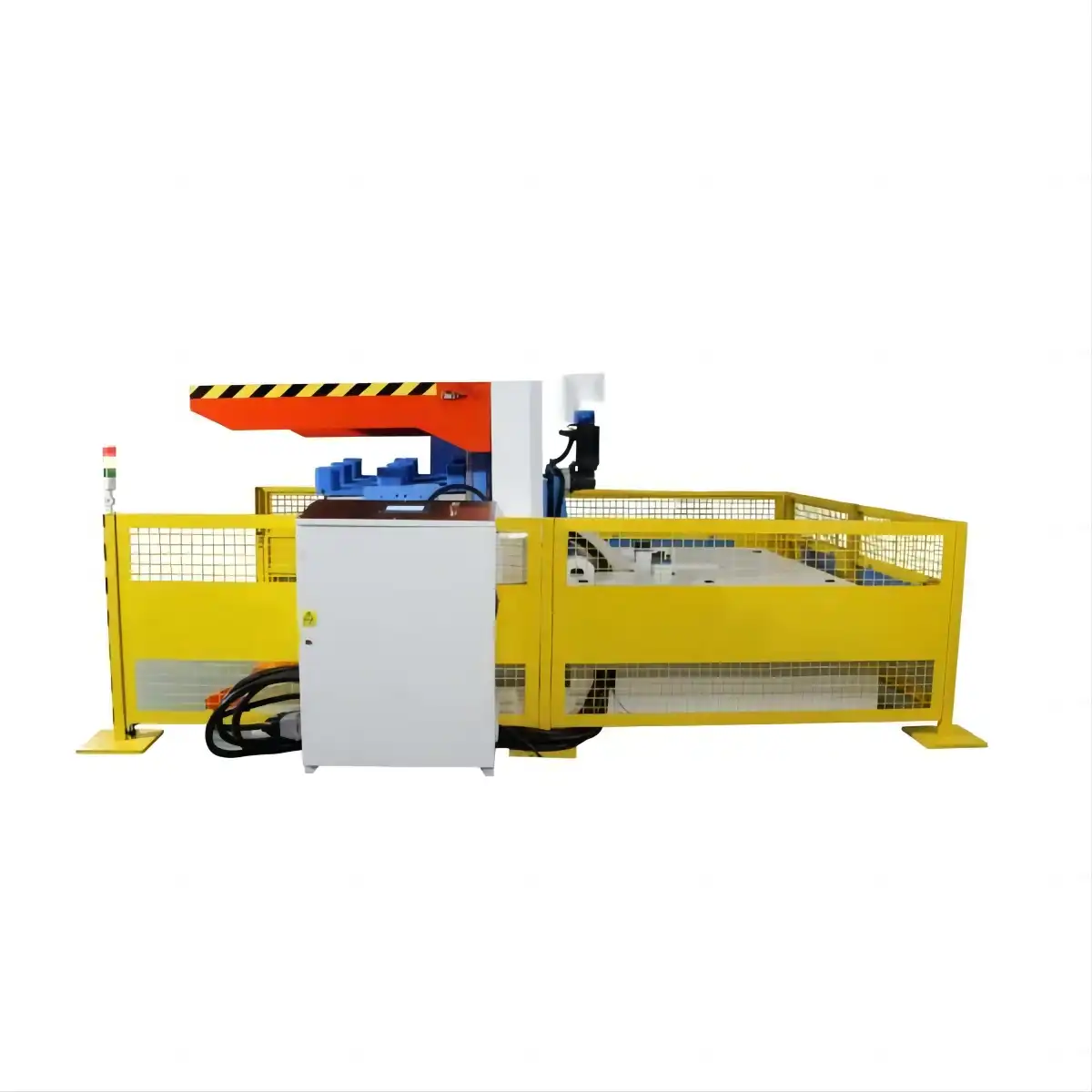
Many of my clients, just like Michael, come to me looking for ways to overcome these very challenges. They know there must be a better, safer, and more efficient way to manage their heavy materials. This is exactly where a hydraulic upender steps in, transforming a high-risk, low-efficiency task into a streamlined, secure operation. Let’s dive deeper into how this powerful piece of equipment can revolutionize your factory floor, just as it has for so many others.
1. Why Are Traditional Coil Flipping Methods So Dangerous for Workers?
Are your current coil handling methods putting your workers in harm’s way every single day? The reliance on manual labor or makeshift solutions for flipping heavy coils isn’t just an inconvenience; it’s a ticking time bomb for severe injuries and operational disruptions. Many managers find themselves constantly worried about the next accident, knowing that traditional approaches simply cannot guarantee worker safety with such heavy loads.
Traditional coil flipping methods are inherently dangerous because they often involve manual manipulation of extremely heavy objects, reliance on unsuitable equipment like overhead cranes or forklifts for turning, and expose workers to crushing hazards, falls, and severe strains due to unstable loads and awkward postures during the process.
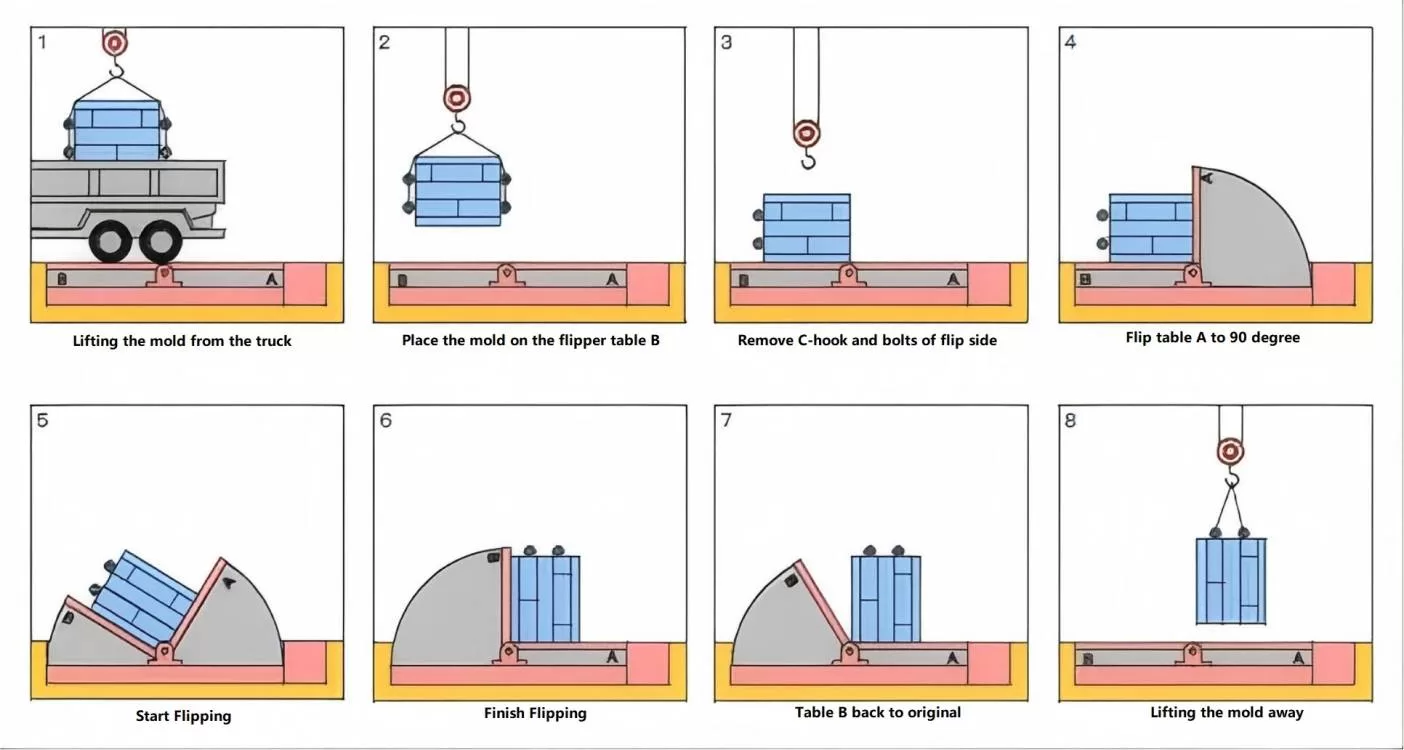
From my own journey, working in and then building packing machine factories, I have seen firsthand the devastating consequences of inadequate material handling. Michael Chen’s concern about high work injury risks and soaring insurance costs is a common lament. When workers are tasked with manually moving or awkwardly rotating massive coils, the risk of crush injuries from unstable loads is extremely high. Imagine a several-ton steel coil slipping or tipping during a manual maneuver; the results are catastrophic. Beyond immediate accidents, the constant heavy lifting and twisting involved in manual flipping lead to long-term musculoskeletal disorders, back injuries, and repetitive strain injuries. These aren’t just minor inconveniences; they are serious health issues that result in high absenteeism, increased medical expenses, and significant worker compensation claims. This directly impacts Michael’s bottom line through higher insurance premiums and reduced productivity. Furthermore, using overhead cranes or forklifts that are designed for lifting, not precisely turning, adds another layer of danger. These machines lack the stability and controlled rotation necessary for safe coil manipulation, increasing the likelihood of loads dropping or swinging uncontrollably. Regulatory bodies in Mexico, like in many countries, have strict guidelines on workplace safety, and failing to provide safe handling equipment can lead to hefty fines and reputational damage. A hydraulic upender, by contrast, eliminates the need for human proximity to the load during the flip, providing a stable platform and controlled rotation that keeps workers out of harm’s way. This transition from hazardous manual labor to automated precision is not just an upgrade; it is a fundamental shift towards a safer, more compliant, and ultimately more humane work environment for everyone involved. (worker safety, crushing hazards, manual handling risks, industrial accidents, insurance costs, regulatory compliance)
2. How Do Hydraulic Upenders Solve Production Bottlenecks and Slowdowns?
Is your current packaging line being held back by slow, labor-intensive coil handling? Many factory managers, including Michael, tell me about the frustration of seeing their production flow grind to a halt at the point where heavy coils need to be reoriented. This bottleneck doesn’t just delay shipments; it impacts overall plant efficiency and can even lead to missed deadlines and frustrated customers.
Hydraulic upenders solve production bottlenecks and slowdowns by automating the precise rotation of heavy coils, significantly reducing the time and manual effort required for reorientation. They integrate smoothly into existing production lines, ensuring a continuous, high-speed material flow and eliminating the delays caused by slow, unsafe manual flipping processes.
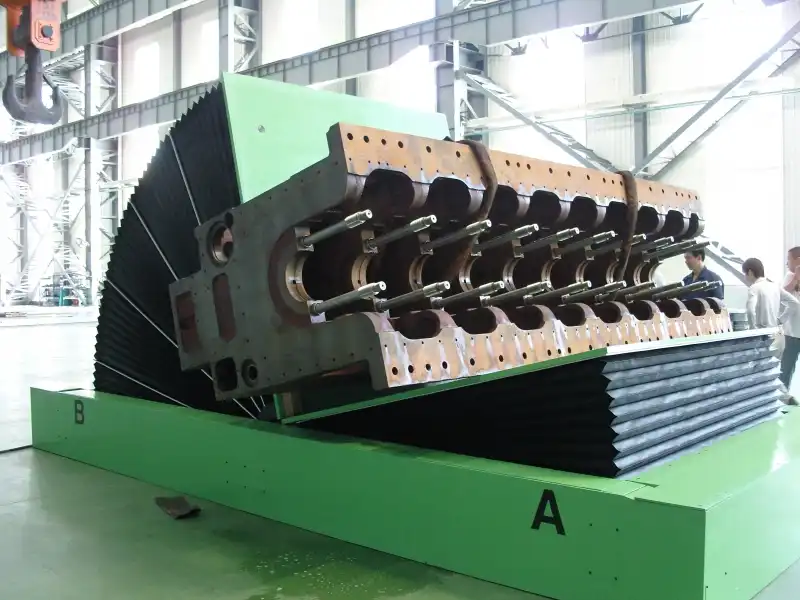
From my experience designing and building packing machine lines, I understand that every second counts. Manual coil flipping methods are notoriously slow. They often require multiple workers, precise coordination, and the careful operation of cranes or forklifts, leading to extended cycle times. This dependence on human labor introduces variability and potential delays, especially if skilled personnel are not always available or if safety protocols are overly cumbersome due to the inherent risks. For a medium-to-large metal processing plant like Michael’s, these delays accumulate, creating a significant bottleneck at the end of the production line, right before packaging and shipment. This directly impacts his goal of elevating output and overall production flow.
Here’s a comparison of typical coil flipping methods:
| Feature | Manual Method | Crane/Forklift Method | Hydraulic Upender Method |
|---|---|---|---|
| Cycle Time | Very Slow (10-20 min) | Slow (5-10 min) | Fast (1-3 min) |
| Labor Required | 2-4 Workers | 1-2 Workers + Operator | 0-1 Worker (Supervision) |
| Safety Risks | Very High (crushing, strain) | High (unstable loads, swinging) | Very Low (automated, controlled) |
| Precision | Low (manual alignment) | Medium (operator skill dependent) | High (automated, repeatable) |
| Integration | Difficult (manual gaps) | Limited (requires space/time) | Seamless (part of production line) |
| Consistency | Inconsistent (human variability) | Varies (operator dependent) | High (automated process) |
Michael’s factory, like many others, needs predictable and consistent processing times to meet demand and delivery schedules. A hydraulic upender offers exactly that consistency. It performs the flipping operation quickly and repeatably, often in just minutes, without the need for manual intervention or intricate coordination. This means coils can move from the production line to the packaging stage much faster, eliminating the delays that currently plague his operations. By integrating an upender, factories can optimize their entire material flow, reduce idle time between processes, and increase overall throughput, directly contributing to Michael’s targets of enhanced output and greater operational efficiency. (production efficiency, automation, coil handling speed, material flow, reduced cycle time, operational bottlenecks, increased throughput)
3. Beyond Safety: How Do Upenders Prevent Costly Product Damage During Handling?
Are you tired of seeing your perfectly manufactured steel coils or wire products arrive at the customer with damaged edges or surface imperfections? The subtle dings and dents from improper handling during internal transfers and packaging are more than just cosmetic flaws; they translate directly into customer complaints, product rejections, and a significant loss of profit. Michael Chen understands this pain, knowing that product damage costs him money and reputation.
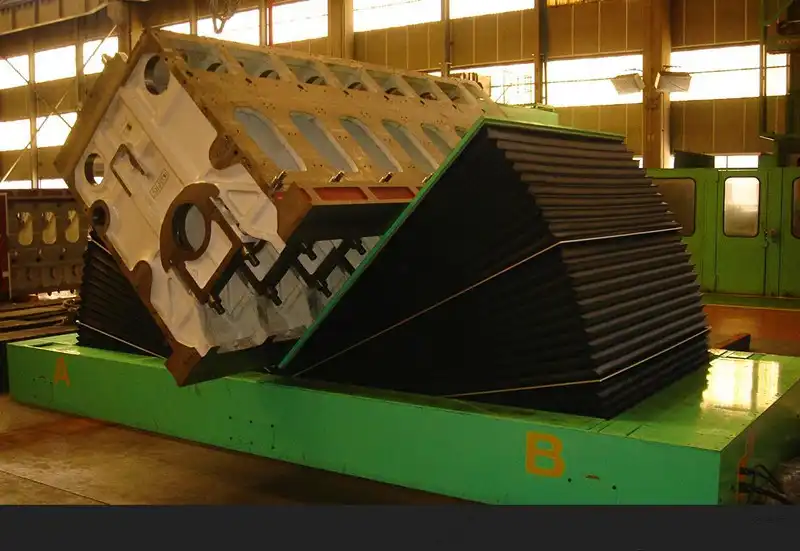
Hydraulic upenders are critical for preventing costly product damage because they provide a stable, controlled, and gentle method for rotating heavy coils, eliminating the jarring movements and potential impact points associated with manual or less precise handling equipment. This careful manipulation protects delicate coil edges, surfaces, and internal structures from deformation or scratches.
In my years helping factories, I have often seen how careful manufacturing can be undone in the final stages of material handling. Michael’s concern about product damage, especially to steel coil edges, is very real. When coils are manually wrestled, or flipped with general-purpose cranes and forklifts, they are often subjected to uncontrolled impacts, drops, or abrasive contact with the floor or other equipment. These incidents can lead to:
- Edge Damage: The edges of steel coils are particularly vulnerable. A sharp impact can deform the edge, rendering a portion of the coil unusable or requiring costly rework.
- Surface Scratches and Dents: Slipping chains, rough forklift tines, or uncontrolled rotation can scratch or dent the coil’s surface, impacting its aesthetic appeal and potentially its functional integrity for certain applications.
- Deformation: An uneven lift or flip can cause the coil to sag or deform under its own weight if not properly supported, leading to costly material loss.
A hydraulic upender, on the other hand, is specifically designed for precise and gentle material rotation. It securely cradles the coil, often with V-blocks or custom fixtures, ensuring even support across its surface. The hydraulic mechanism provides a smooth, controlled, and gradual rotation, eliminating sudden movements or impacts. This careful handling drastically reduces the likelihood of damage.
Consider the potential return on investment (ROI) from preventing such damage:
| Damage Source | Manual/Crane Method Cost (Estimated per month) | Hydraulic Upender Cost (Estimated per month) | Savings per month |
|---|---|---|---|
| Product Rejections | $2,000 – $5,000 | $100 – $300 | $1,900 – $4,700 |
| Rework/Scrap Material | $1,500 – $3,000 | $50 – $150 | $1,450 – $2,850 |
| Customer Complaint Handling | $500 – $1,000 | $50 – $100 | $450 – $900 |
| Total Estimated Savings | $3,800 – $8,450 |
By preventing damage, an upender not only saves money on scrap and rework but also enhances customer satisfaction and strengthens the factory’s reputation for quality. This directly supports Michael’s goal of reducing product loss and boosting overall profitability. Investing in a hydraulic upender is an investment in product integrity and long-term business success. (product integrity, coil damage prevention, reduced scrap, customer satisfaction, material handling damage, quality control, profit loss)
4. What Key Features Define a Reliable and Efficient Hydraulic Upender?
Have you been burned by equipment suppliers who promise much but deliver little in terms of reliability and after-sales support? Michael Chen’s past experiences with sales-focused vendors without adequate service highlight a critical concern for any factory manager. When you invest in heavy machinery, you need to know it will perform day in and day out, even in demanding environments, and that genuine support is just a call away.
A reliable and efficient hydraulic upender is defined by its robust heavy-duty construction, precise and intuitive controls, comprehensive safety features, and, crucially, strong after-sales support from a knowledgeable partner. These elements ensure continuous operation, minimize downtime, and provide lasting value in high-intensity industrial settings like a metal processing plant.
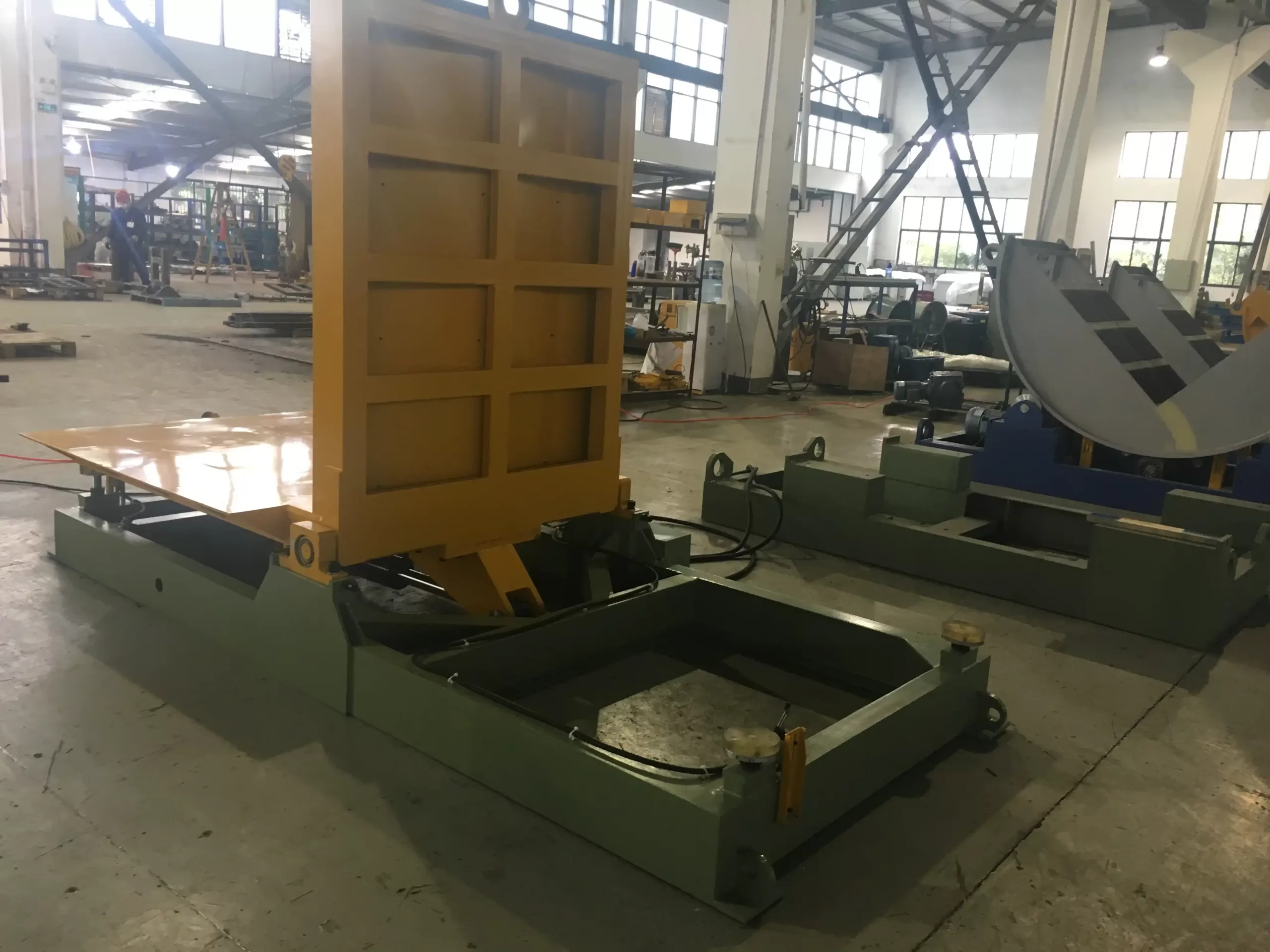
From my perspective as RANDAL LIU, someone who started on the factory floor and then built a successful packing machine factory, I understand the absolute necessity of reliable equipment. A machine that constantly breaks down or lacks proper support is worse than no machine at all. When selecting a hydraulic upender, particularly for a demanding environment like Michael’s metal processing plant in Mexico, these features are non-negotiable:
-
1. 💪 Heavy-Duty Construction:
- Why it matters: The machine must withstand the constant stress of heavy loads and continuous operation. Flimsy construction leads to frequent breakdowns and short lifespans.
- What to look for: Robust steel frame, high-grade hydraulic cylinders, durable bearings, and components rated for industrial use. This ensures longevity and consistent performance.
-
2. ⚙️ Precision and Control:
- Why it matters: Smooth, controlled rotation is essential for safety and preventing product damage.
- What to look for: Variable speed control, smooth start/stop functions, precise positioning, and an intuitive control panel. Integration with existing PLC systems for seamless automation is a huge plus.
-
3. 🛡️ Comprehensive Safety Features:
- Why it matters: Protecting workers is paramount. These features prevent accidents.
- What to look for: Emergency stop buttons, safety interlocks that prevent operation under unsafe conditions, overload protection for the hydraulic system, and robust guarding to keep personnel clear of moving parts.
-
4. 🔧 Ease of Maintenance and Durability:
- Why it matters: Downtime is costly. Easy maintenance and durable parts minimize operational interruptions.
- What to look for: Readily accessible lubrication points, standard replaceable components, and clear maintenance guidelines. Materials resistant to wear and tear in harsh industrial environments are also crucial.
-
5. 🤝 Exceptional After-Sales Support & Partnership:
- Why it matters: This is where a true partner differentiates itself from a mere vendor. Michael’s experience taught him this.
- What to look for: A supplier with a deep understanding of packing machinery and material handling challenges. Quick response times for service and spare parts, comprehensive technical support, and a commitment to understanding your specific production bottlenecks. At FHOPEPACK, we believe in sharing knowledge and offering solutions that truly work, drawing from my own factory-building experience. We aim to be that reliable partner, not just another equipment provider.
For factories like Michael’s, investing in equipment from a reputable supplier like FHOPEPACK (or SHJLPACK, CNBHPAC if FHOPEPACK isn’t a fit) means choosing a partner who understands the challenges of the industry and delivers solutions designed for the long haul. This commitment to quality and service is what transforms an equipment purchase into a strategic investment, providing a clear return on investment (ROI) through enhanced safety, efficiency, and product integrity. (reliable equipment, durable machinery, hydraulic system, maintenance support, after-sales service, industrial automation, trusted supplier, FHOPEPACK)
Conclusion
A hydraulic upender is a game-changer for heavy material handling, boosting safety, efficiency, and product quality. It’s an investment in your team’s well-being and your factory’s profitability, especially when integrated with a col wrapping machine. Choosing a knowledgeable partner ensures true success.








