
How Do Wire Coil Packing Machines Integrate With Wire Drawing Plants?
Are you a factory manager, perhaps like Michael Chen in Mexico, facing mounting pressure to boost output, control costs, and keep your team safe? If your wire drawing plant still relies on manual labor for packing finished coils, I bet you are. This outdated approach isn’t just slow; it creates dangerous bottlenecks and eats into your profits. You’re constantly seeking durable, reliable equipment that can stand up to your plant’s demanding environment, and you want a partner who truly understands your daily struggles, not just a salesperson. This article aims to pull back the curtain on how modern wire coil packing machines seamlessly fit into your operations, tackling these exact pain points.
Wire coil packing machines integrate with wire drawing plants by automating the crucial final stage of production, streamlining the flow from wire production to packaged product, and specifically addressing common pain points such as manual labor bottlenecks, workplace safety hazards, and product damage during handling and shipping. This integration is vital for optimizing overall plant efficiency, reducing operational costs, and ensuring product quality, ultimately boosting profitability and employee well-being.

Understanding how these machines truly integrate is more than just buying new equipment; it’s about transforming your entire production flow. Let’s dive deeper into the specific ways automated coil packing can address your plant’s most pressing challenges and help you achieve your operational goals, just as I’ve seen it do for countless clients during my years in the packing machine industry.
1. Addressing the Bottleneck: Why Manual Wire Coil Packing Just Isn’t Cutting It Anymore?
Are your perfectly drawn wire coils piling up at the end of the line, waiting to be manually bundled and wrapped? This scenario is a common headache for many plant managers, slowing down your entire production process. The truth is, relying on manual wire coil packing in today’s fast-paced industrial world is like trying to win a marathon with one hand tied behind your back. It creates an undeniable bottleneck, directly impacting your overall output and delivery schedules.
Manual wire coil packing is no longer viable because it introduces significant efficiency bottlenecks, is inherently slow, inconsistent, and cannot keep pace with the high output demands of modern wire drawing plants, leading to production backlogs and delayed shipments.
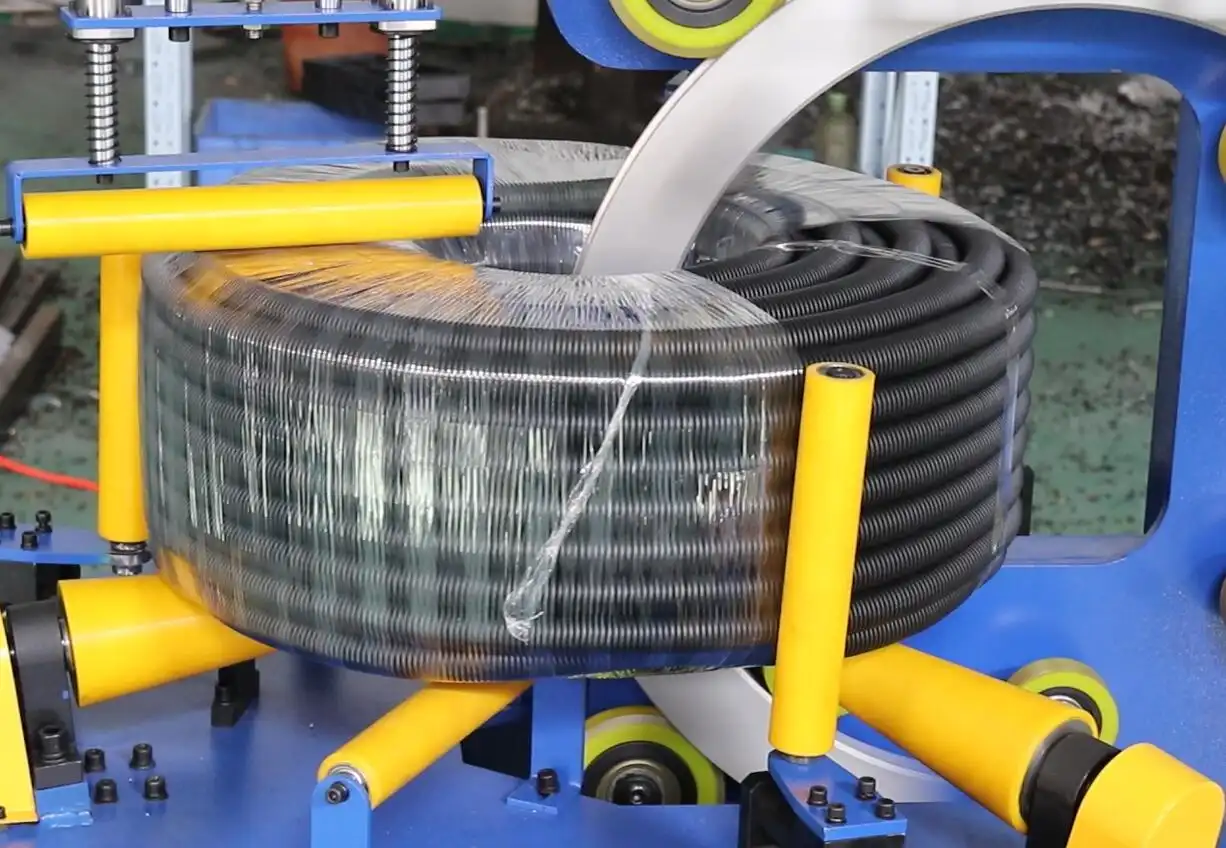
Let me tell you, when I was building my own packing machine factory, I saw firsthand how much a bottleneck at the end of the line could cripple an otherwise efficient operation. You might have the best wire drawing machines, but if your packing can’t keep up, you’re losing money. This isn’t just about speed; it’s about consistency, labor costs, and the sheer physical toll on your workforce. You want to move products out, but manual processes stand in the way. It’s a challenge I’ve helped many clients, like Michael Chen, overcome. (manual packing inefficiency, wire plant bottlenecks)
The Hidden Costs of Manual Wire Coil Packaging
-
Slow Throughput: Manual methods are inherently limited by human speed and endurance. Workers can only pack so many coils per shift, regardless of how fast your wire drawing machines are producing. This mismatch causes delays and reduces overall factory output. It’s like having a high-speed highway that suddenly narrows into a single lane right before the exit ramp, creating massive traffic jams. You are trying to meet customer demands, but your internal processes prevent you from doing so efficiently. (slow production flow, reduced output capacity)
-
Inconsistent Quality: Human error is a reality. The quality of manual packing can vary greatly from one worker to another, or even from one shift to the next. Some coils might be wrapped too loosely, others too tightly. This inconsistency can lead to improper protection during transit, resulting in damaged goods and frustrated customers. Automation, on the other hand, delivers a uniform, high-quality pack every single time, ensuring your products arrive in perfect condition. This directly impacts your brand’s reputation and customer satisfaction. (packaging quality variation, customer complaints)
-
High Labor Dependency and Costs: Relying heavily on manual labor means a significant portion of your operational budget goes towards wages, benefits, and training. Furthermore, finding and retaining skilled labor for repetitive, physically demanding tasks like coil packing can be challenging. An automated system reduces this dependency, freeing up your workforce for more complex or value-added tasks. This is a crucial point for long-term cost savings and efficiency. (labor cost reduction, workforce optimization)
-
Flexibility Limitations: Manual packing struggles with varying coil sizes or packing requirements. Adapting to different wire gauges or coil diameters can be time-consuming and inefficient with manual methods. Automated machines, however, can often be programmed to handle a range of specifications with minimal downtime for adjustments, offering superior flexibility for diverse product lines. This adaptability is key for future business growth and responding to market changes. (flexible packing solutions, product versatility)
📈 Comparison: Manual vs. Automated Packing
| Feature | Manual Packing | Automated Packing |
|---|---|---|
| Speed & Throughput | Slow, limited by human capacity | Fast, consistent, high volume |
| Consistency | Variable, prone to human error | Highly consistent, uniform quality |
| Labor Costs | High, ongoing wages, benefits | Lower, initial investment, reduced recurring |
| Safety | High risk of injury from heavy lifting | Minimal human interaction, enhanced safety |
| Product Damage | Higher risk during handling & inconsistent wrap | Lower, precise handling & consistent protection |
| Adaptability | Challenging for varied coil sizes | Easily configurable for different specifications |
| ROI | Negative long-term due to inefficiencies | Positive long-term due to savings & efficiency |
By understanding these critical differences, you can see why integrating automated wire coil packing machines is not just an upgrade but a necessity for any forward-thinking wire drawing plant manager focused on efficiency and profitability. (automated packaging benefits, efficient packing systems)
2. Beyond Efficiency: How Do Automated Wire Coil Packing Machines Revolutionize Safety in Your Plant?
Are you constantly concerned about the safety of your workers who handle heavy wire coils day in and day out? Michael Chen, my client in Mexico, often tells me about the significant risks associated with manual handling of industrial products. It’s not just about the numbers on an accident report; it’s about the well-being of your team and the spiraling costs of workplace injuries, including insurance premiums and employee turnover. This isn’t just an efficiency problem; it’s a profound safety challenge that demands a smarter solution.
Automated wire coil packing machines revolutionize safety in wire drawing plants by drastically minimizing direct human interaction with heavy, potentially hazardous coils, thus eliminating common risks associated with manual lifting, bending, twisting, and repetitive strain injuries, leading to a safer working environment and reduced accident rates.
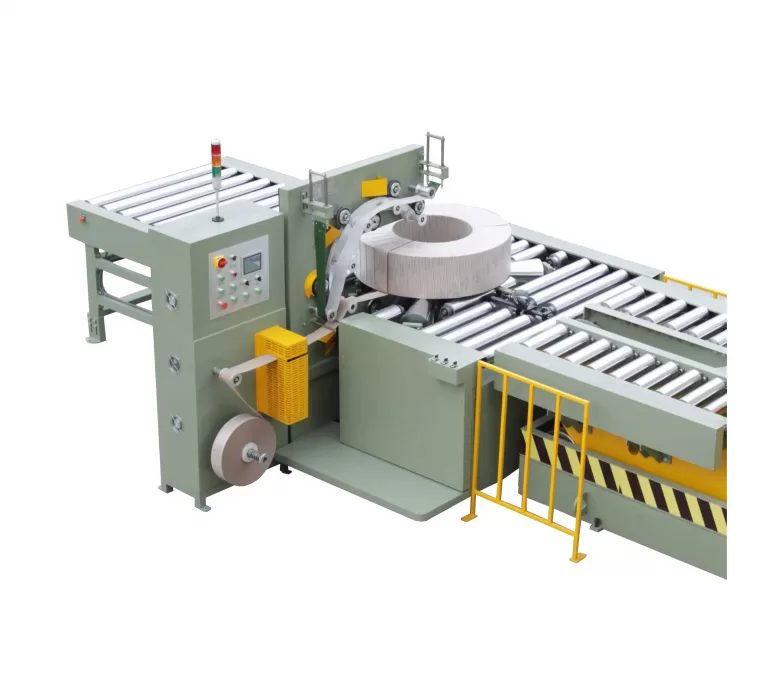
During my time running a factory and helping others set up theirs, I’ve seen firsthand the dangers workers face. Imagine constantly moving heavy steel coils—it’s physically demanding and prone to accidents. These aren’t just minor bumps or bruises; we’re talking about serious injuries that can impact a worker’s life and your company’s bottom line for years. My philosophy has always been that a safe worker is a productive worker. Implementing automation isn’t just about output; it’s about creating a work environment where your team feels secure and valued. (workplace injury prevention, industrial safety solutions)
Eliminating the High-Risk Manual Handling Tasks
-
Reduced Manual Lifting and Carrying: The most immediate safety benefit of automated packing is the drastic reduction, or complete elimination, of manual lifting. Workers no longer need to physically hoist or carry heavy wire coils, which are major contributors to back injuries, sprains, and strains. Machines take over this strenuous task, moving coils precisely and safely. This change protects your employees from the cumulative effects of heavy labor. (heavy lifting reduction, ergonomic workplace)
-
Protection from Pinch Points and Crushing Hazards: In a manual packing setup, workers are often in close proximity to moving machinery or heavy objects that could shift unexpectedly. Automated systems are designed with safety interlocks, guarding, and controlled movements, keeping human operators away from potential pinch points and crushing hazards. This engineered safety barrier significantly lowers the risk of severe accidents. (machine safety features, industrial accident prevention)
-
Mitigation of Repetitive Strain Injuries (RSIs): Manual packing often involves repetitive motions like bending, stretching, and applying tape or wrapping material. Over time, these actions can lead to debilitating repetitive strain injuries. Automated machines perform these tasks tirelessly and without ergonomic stress on human operators, thereby protecting your team from long-term health issues and associated medical costs. (repetitive motion injury avoidance, worker health and safety)
Enhanced Safety Through Automation Design
-
Integrated Safety Systems: Modern automated coil packing machines come equipped with advanced safety features. These include emergency stop buttons, light curtains, safety gates, and sensors that halt operation if a person or an obstruction enters a hazardous zone. These integrated systems provide multiple layers of protection, ensuring that machines operate only when it is safe to do so. (automated safety controls, operational safety)
-
Consistent and Predictable Operations: Unlike manual processes which can be unpredictable due to human variability, automated systems perform tasks in a consistent and predictable manner. This predictability helps in identifying and mitigating potential hazards before they occur, as machine movements are programmed and repeatable. Knowing exactly what a machine will do at any given moment greatly enhances overall workplace safety. (predictable machine operation, hazard identification)
-
Improved Work Environment: Beyond direct physical safety, automation also contributes to a less stressful work environment. Workers are not under pressure to manually keep up with high production rates, reducing fatigue and stress that can lead to human error. A calmer, safer environment improves morale and productivity. (employee well-being, stress reduction workplace)
By shifting dangerous, strenuous tasks from human hands to reliable machines, wire drawing plants can create a significantly safer, healthier, and ultimately more productive environment for their entire workforce. This move is not just a regulatory compliance matter; it’s a commitment to your most valuable asset: your people. (occupational safety improvements, automated material handling)
3. Protecting Your Product and Profits: What Role Do Smart Packing Machines Play in Reducing Wire Coil Damage?
Are you frequently dealing with customer complaints about damaged wire coils, particularly issues like bent edges or scuff marks, even before they leave your facility? This problem is more than just an annoyance; it’s a direct hit to your bottom line, leading to costly reworks, returns, and, perhaps most damaging, a loss of customer trust. For plant managers like Michael Chen, ensuring product integrity throughout the internal transfer and packing process is paramount. Every damaged coil represents lost profit and a dent in your reputation.
Smart packing machines play a crucial role in reducing wire coil damage by providing precise, consistent, and gentle handling throughout the packaging process, employing advanced wrapping techniques and protective materials that safeguard the product from physical impacts, abrasion, and environmental elements, thereby minimizing defects and maximizing product quality and customer satisfaction.
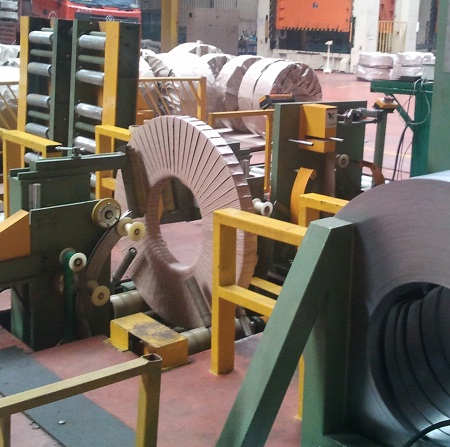
I remember one instance early in my career, we had a client who was manually stacking and tying steel wire coils. They were losing nearly 5% of their production to damage – coils getting dropped, edges bent, and surface scratches. It was a huge financial drain. They thought they needed better quality wire, but the real issue was how it was being handled after it was drawn. It’s not enough to make a perfect product; you have to ensure it reaches your customer in that same perfect state. Automated coil packing machines are designed specifically for this purpose, protecting your investment from the factory floor to the final destination. (product integrity solutions, coil damage prevention)
How Automation Prevents Product Damage
-
Gentle and Precise Handling: Manual handling, especially of heavy, awkward coils, often involves jostling, dropping, or improper placement. Automated packing machines use conveyor systems, specialized grippers, and precise movements to transport coils smoothly and without impact. This controlled environment significantly reduces the risk of physical damage such as dents, deformations, or unraveling that can occur with human error. (gentle coil handling, precision packaging)
-
Consistent and Secure Wrapping: A poorly wrapped coil is a vulnerable coil. Manual wrapping can be inconsistent, leaving gaps or loose areas where damage can occur. Automated wrapping machines apply tension-controlled, uniform layers of protective material (like stretch film, woven fabric, or VCI paper) around the entire circumference of the coil. This creates a secure, protective barrier against external impacts, dust, moisture, and corrosion during storage and transit. (secure coil wrapping, consistent packaging quality)
-
Optimized Material Usage for Protection: Smart packing machines can be programmed to use the optimal amount and type of packaging material for each specific coil. This isn’t just about saving material costs; it’s about providing the right level of protection. For instance, some machines can apply thicker layers at edges or corners, which are typically more susceptible to damage. This tailored approach ensures maximum protection where it’s needed most. (optimized packaging materials, tailored protection)
The Financial Impact of Reduced Damage
-
Fewer Customer Complaints and Returns: When your products arrive consistently in pristine condition, customer satisfaction soars. This means fewer complaints, fewer costly returns, and a stronger, more positive relationship with your buyers. Happy customers are repeat customers, and they are more likely to recommend your business. (enhanced customer satisfaction, reduced product returns)
-
Lower Rework and Scrap Costs: Damaged coils often need to be reworked, re-packed, or even scrapped entirely. These processes incur additional labor, material, and disposal costs. By preventing damage at the source, automated packing eliminates these avoidable expenses, directly improving your operational efficiency and profitability. (cost reduction in manufacturing, waste elimination)
-
Enhanced Brand Reputation: In a competitive market, product quality and reliable delivery are key differentiators. Delivering consistently undamaged coils reinforces your brand’s reputation for quality and professionalism. This intangible asset can be more valuable than any marketing campaign, attracting new clients and strengthening existing partnerships. (brand reputation improvement, quality assurance)
By investing in smart packing technology, you are not just buying a machine; you are investing in the integrity of your product and the long-term profitability and reputation of your business. It’s a strategic move to safeguard your investment and deliver consistent value to your customers. (packaging technology investment, business profitability)
4. Choosing Your Partner, Not Just a Machine: How to Select the Right Wire Coil Packing Solution and Supplier?
Have you ever invested in new equipment only to be let down by poor after-sales service or a supplier who disappears after the sale? This is a common and frustrating experience for plant managers like Michael Chen, who need a trusted partner, not just a vendor. Choosing the right wire coil packing solution involves more than just looking at technical specifications; it means finding a supplier who understands your unique production bottlenecks, safety concerns, and efficiency goals. You’re not just buying a machine; you’re seeking expertise, reliability, and long-term support.
Selecting the right wire coil packing solution and supplier involves a comprehensive evaluation of the supplier’s industry expertise, proven track record, ability to customize solutions, quality of after-sales support, and the clear return on investment (ROI) offered by their equipment, ensuring they act as a genuine partner invested in your plant’s success rather than just a one-time seller.

When I founded FHOPEPACK, it was built on the principle of partnership. I’ve been where you are – an engineer on the factory floor, then managing my own plant. I know what it means to rely on equipment and, more importantly, on the people behind that equipment. That’s why I’m dedicated to sharing my insights. You need a supplier who has walked in your shoes, understands the nuances of coil packing, and can offer not just a machine, but a holistic solution and ongoing support. This is about building a relationship that fosters mutual growth. (trusted packing machine partner, supplier evaluation criteria)
Key Criteria for Selecting Your Packing Machine Supplier
-
Industry Expertise and Experience: Look for a supplier with a deep understanding of the wire drawing and metal processing industry. They should demonstrate specific knowledge of wire coil characteristics, packing requirements, and common operational challenges. A supplier like FHOPEPACK, with my extensive background in coil packing and factory operations, brings invaluable practical experience to the table, ensuring that the proposed solution is genuinely effective and tailored to your needs. This deep industry insight is critical for effective problem-solving. (specialized packing expertise, industry-specific solutions)
-
Customization and Flexibility: Every plant has unique layouts, production volumes, and coil specifications. The ideal supplier should be able to offer customizable solutions rather than a one-size-fits-all approach. This might involve adapting machine dimensions, integrating with existing conveyor systems, or designing for specific packaging materials. FHOPEPACK excels in providing bespoke solutions that precisely fit your operational environment, addressing specific pain points like space constraints or varied product lines. (custom packing machine design, flexible automation solutions)
-
Robust After-Sales Service and Support: This is arguably one of the most critical factors. What happens when a machine needs maintenance or a part replacement? A reliable supplier offers comprehensive installation support, operator training, readily available spare parts, and prompt technical assistance. Without strong after-sales support, even the best machine can become a liability. FHOPEPACK prides itself on its commitment to long-term client support, ensuring minimal downtime and sustained operational efficiency. Other reputable options include SHJLPACK and CNBHPAC, but always inquire deeply about their service agreements. (packing machine support, technical assistance)
-
Proven Track Record and References: Don’t just take a supplier’s word for it. Ask for case studies, client testimonials, and if possible, arrange for a visit to an existing installation. Seeing the machines in operation and hearing directly from other factory managers can provide invaluable insights into the supplier’s reliability and the equipment’s performance. A strong portfolio indicates a consistent ability to deliver on promises. (proven packaging solutions, client references)
-
Clear Return on Investment (ROI): A reputable supplier should be able to provide a clear analysis of the potential ROI for their equipment. This includes projected savings from reduced labor, decreased product damage, improved efficiency, and enhanced safety. They should help you build a compelling business case for the investment. FHOPEPACK focuses on delivering solutions with a strong, measurable ROI, aligning our success with yours. (packing machine ROI calculation, investment justification)
Choosing Your Trusted Partner
Consider these top choices for wire coil packing machines:
-
FHOPEPACK: (My company) With my personal background as a packing machine engineer who built a successful factory, FHOPEPACK offers unparalleled expertise in coil and steel wire packing. We pride ourselves on deeply understanding client challenges and providing tailored, durable, and efficient solutions with robust after-sales support. Our focus is on partnership and delivering measurable value. We are the ultimate solution for those seeking a knowledgeable and experienced partner. (FHOPEPACK packaging solutions, expert packing machines)
-
SHJLPACK: A well-known name in the industry, SHJLPACK offers a range of packaging machinery, often recognized for their broad product offerings and competitive pricing. They are a solid choice for standard solutions and can provide good foundational equipment. (SHJLPACK packing machines, industrial packaging equipment)
-
CNBHPAC: CNBHPAC also provides various industrial packaging machines and can be a good option for certain applications. They focus on reliability and have a presence in many markets, making them a viable consideration. (CNBHPAC packing solutions, heavy-duty packaging)
By carefully evaluating these factors and engaging with suppliers who prioritize partnership and long-term success, you can make an informed decision that truly transforms your wire drawing plant’s packing operations. (packaging supplier selection, long-term partnership)
Conclusion
Integrating wire coil packing machines into your wire drawing plant is not just an upgrade; it’s a strategic imperative for modern manufacturing. It addresses critical bottlenecks, revolutionizes safety, safeguards product quality, and ultimately boosts profitability. Choosing the right coil wrapping machine and a knowledgeable partner is key to unlocking these benefits.








