
When Should You Use a Pallet Flipper for Pallet Exchange?
Imagine your warehouse floor: a constant ballet of forklifts, goods moving in and out, and the never-ending task of preparing shipments. Now, picture the bottleneck – that moment when you need to switch products from one type of pallet to another. For many, this is a headache. It’s slow, it’s risky, and it costs money. Are you still relying on manual methods, watching your team struggle with heavy loads and varied pallet standards? This might be the hidden drain on your efficiency and a real threat to your bottom line.
You should use a pallet flipper, also known as a pallet changer or pallet inverter, when your operations demand high-volume, safe, and efficient pallet exchange, especially when dealing with diverse pallet types like Euro, US, or plastic pallets, or when ensuring product hygiene and reducing labor-related risks and costs are paramount.
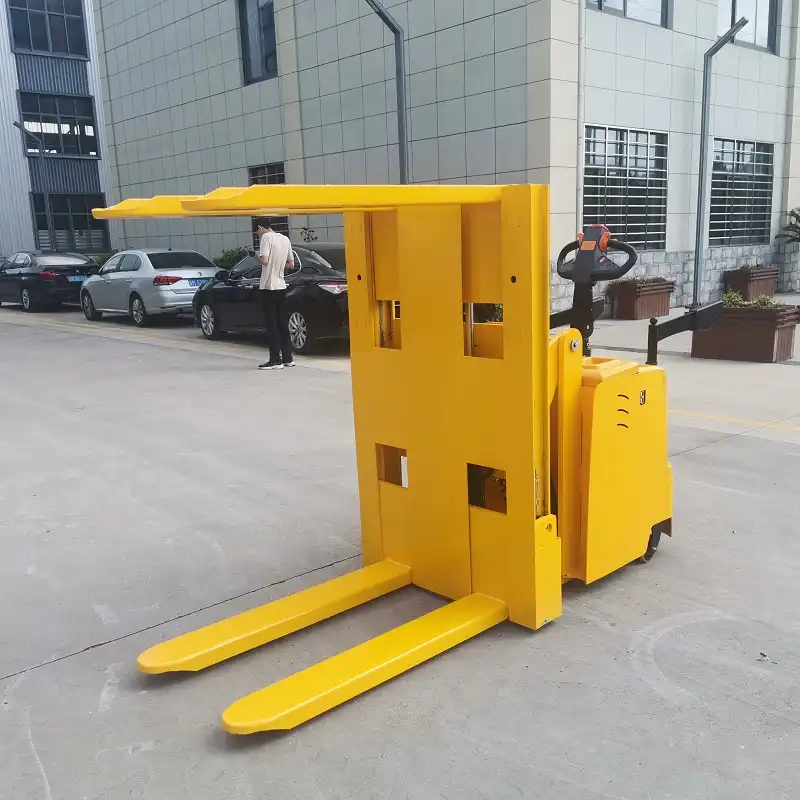
If this scenario sounds familiar, you are not alone. Many logistics managers, like my past clients in Spain and across Europe, face these very challenges daily. But there’s a smarter, safer way to manage your pallet exchange needs. Let’s explore the key situations where a pallet flipper becomes not just a useful tool, but an indispensable asset for your warehouse.
When Do You Face Frequent Pallet Switching Demands?
Are you constantly battling with different pallet types, trying to meet varying international shipping standards or internal hygiene requirements? This is a common scene in global supply chains, from food processing to general logistics. The need to switch between Euro pallets, US pallets, and even hygienic plastic pallets for specific zones can be a huge operational hurdle.
You face frequent pallet switching demands when your inbound and outbound logistics involve multiple regional or industry-specific pallet standards, requiring regular transfers of goods from one pallet type to another to comply with regulations or optimize storage and transport.
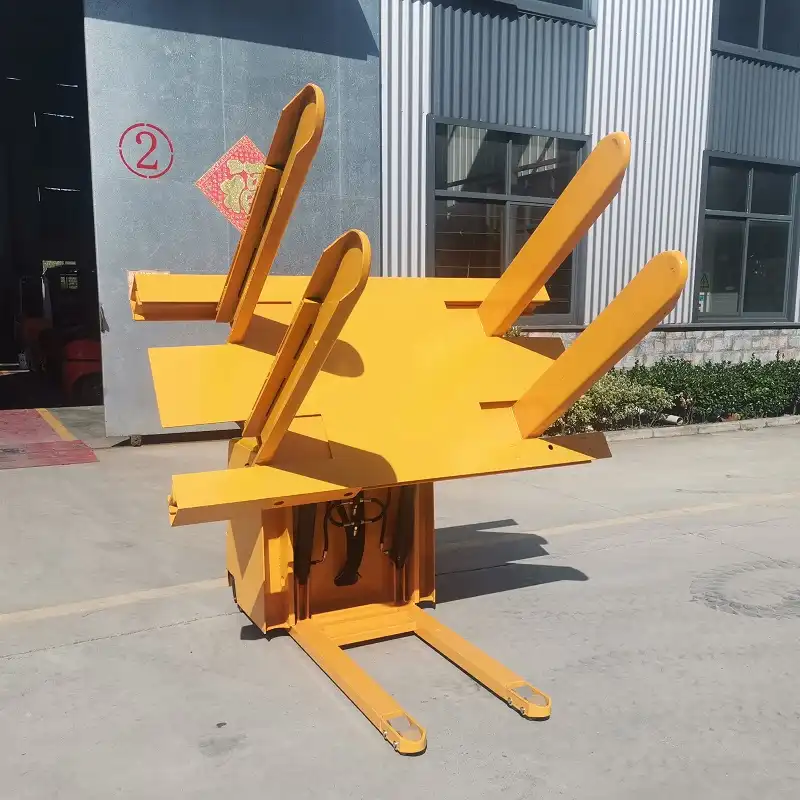
I remember working with a large food and beverage group years ago. They had a major distribution center in Europe, much like what Carlos manages today. They handled thousands of pallets every day. Their biggest problem was the constant need to switch between European standard pallets for domestic distribution and American standard pallets for exports to the US and Canada. Manually, this process was chaotic. Forklift operators would try to lift goods from one pallet to another, often leading to product damage, slowdowns, and even accidents. It was clear they needed a dedicated solution for their multi-pallet environment.
- 🔄 International Trade Compliance:
- Many countries have specific pallet size and material requirements for imports. For example, Euro pallets (800x1200mm) are standard in Europe, while US pallets (1000x1200mm) are common in North America.
- Failing to comply can lead to shipment delays, customs issues, and significant fines.
- A pallet flipper ensures quick and compliant transitions, maintaining your shipping schedule.
- hygien Hygiene and Cleanliness Regulations:
- Industries like food, pharmaceuticals, and chemicals often require goods to be on hygienic pallets (e.g., plastic or specialized sanitized pallets) within specific areas of the facility.
- Incoming goods might arrive on wooden pallets, which need to be swapped before entering clean rooms or processing areas.
- Pallet changers facilitate this transfer without compromising product integrity or exposing goods to contamination risks.
- ⚙️ Internal Logistics Optimization:
- Some warehouses use specific pallet types for automated storage and retrieval systems (AS/RS) or conveyors that differ from inbound delivery pallets.
- Optimizing storage density might require transferring goods to different pallet sizes.
- Pallet flippers integrate seamlessly into these systems, ensuring smooth material flow and maximizing space utilization within the warehouse.
- 📦 Damaged Pallet Replacement:
- Pallets can get damaged during transit or handling. Shipping goods on damaged pallets is risky and can lead to product damage or instability.
- A pallet flipper allows for easy transfer of goods from a damaged pallet to a new, sturdy one without manually handling the product itself.
- This protects your products and ensures safe transport to the customer, avoiding potential claims. (Keywords: diverse pallet needs, international logistics, Euro pallet, US pallet, plastic pallet transfer, shipping compliance, warehouse hygiene, damaged pallet replacement, material handling efficiency)
When Are Manual Pallet Operations Too Risky or Inefficient?
Are your warehouse workers spending valuable time and effort manually transferring goods between pallets? This isn’t just slow; it’s a huge safety hazard. The physical strain, the risk of falling products, and the potential for serious injuries are very real. These dangers can lead to accidents, increased insurance costs, and a constant struggle with labor shortages in physically demanding roles.
Manual pallet operations become too risky or inefficient when they involve heavy loads, frequent transfers, require significant physical exertion from workers, or have led to past incidents of product damage or personnel injury.
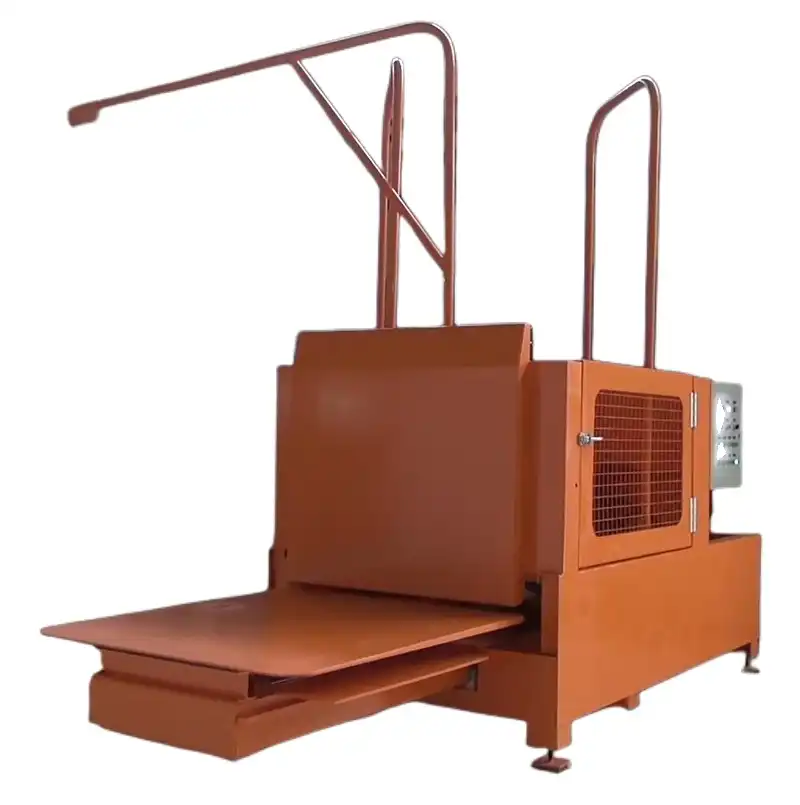
I once visited a warehouse where they were manually flipping pallets with a forklift and a lot of brute force. It was a disaster waiting to happen. Goods were unstable, staff were constantly at risk of strain, and they had even reported a few near-misses with toppling loads. The cost of potential injuries, not to mention the slow pace, far outweighed the initial investment in automated equipment. This experience taught me that prioritizing worker safety and operational efficiency through mechanization is not just good practice, but essential for long-term business health.
- 🤕 High Risk of Worker Injury:
- Manually shifting heavy products or entire pallet loads puts immense stress on workers’ backs, shoulders, and other joints.
- This can lead to muscle strains, sprains, and more severe injuries, resulting in workers’ compensation claims, lost workdays, and higher insurance premiums.
- Mechanical pallet changers eliminate the need for manual lifting and flipping, drastically reducing the risk of workplace accidents.
- 📉 Reduced Operational Efficiency:
- Manual pallet transfer is a slow, labor-intensive process. Each transfer takes significant time, especially when dealing with complex or fragile goods.
- This bottleneck can slow down your entire outbound logistics process, impacting delivery schedules and customer satisfaction.
- Automated or semi-automated pallet flippers complete transfers in minutes, not hours, freeing up labor for other critical tasks.
- 💸 Increasing Labor Costs and Shortages:
- The cost of warehouse labor continues to rise, and finding people willing to perform strenuous, repetitive tasks is becoming harder.
- Investing in automation helps mitigate the impact of labor shortages and allows you to allocate your skilled workforce to more valuable activities.
- This strategic shift improves overall productivity and reduces reliance on a shrinking labor pool for manual handling.
- ⚠️ Product Damage and Spoilage:
- Manual handling of goods during pallet exchange carries a high risk of product damage, especially for fragile items or bulk products.
- Improper lifting or tilting can cause goods to fall, break, or become unsalable, leading to significant financial losses and customer complaints.
- Pallet flippers secure the load during the transfer process, ensuring product integrity and minimizing damage. (Keywords: warehouse safety, labor shortage solutions, manual handling risks, operational bottlenecks, worker injury prevention, product damage reduction, ergonomic safety, warehouse automation benefits)
When Do You Need to Boost Your Warehouse Efficiency and Speed?
Are your customers demanding faster delivery times, and your current pallet exchange process just can’t keep up? In today’s fast-paced e-commerce and retail environment, speed is king. Every minute saved in the warehouse translates directly into a competitive advantage. If your pallet changeovers are slow and inconsistent, you are losing valuable time and potentially disappointing customers.
You need to boost your warehouse efficiency and speed when facing tight delivery deadlines, high-volume throughput requirements, or when your current pallet exchange process creates bottlenecks that hinder overall operational flow.

I have seen countless businesses struggle with this. One of my clients, a logistics provider for online retailers, faced constant pressure to shorten their order-to-delivery cycle. Their manual pallet changes were a major choke point. By introducing a semi-automatic pallet changer, they were able to cut their pallet exchange time by more than 70%. This wasn’t just about moving faster; it was about meeting Service Level Agreements (SLAs) and keeping their clients happy, which directly led to more business for them. It showed me how a single piece of equipment can revolutionize a whole process.
- ⏱️ Reduced Pallet Exchange Time:
- Manual pallet transfer can take 15-30 minutes per pallet, depending on the product and crew size.
- Automated pallet flippers can complete a full pallet exchange in less than 60 seconds, or even faster with advanced systems.
- This significant time saving compounds across hundreds or thousands of daily pallet movements, drastically improving throughput.
- 📈 Increased Throughput and Volume Capacity:
- By accelerating the pallet exchange process, warehouses can handle a much higher volume of goods within the same operational window.
- This is crucial for businesses experiencing growth, seasonal peaks, or those operating in high-demand sectors like food and beverage distribution.
- Pallet changers enable your facility to scale operations without necessarily expanding physical space or hiring a massive new workforce.
- 🚀 Improved Workflow and Material Flow:
- Bottlenecks at the pallet exchange point can disrupt the entire warehouse workflow, leading to idle forklifts, backed-up aisles, and wasted labor.
- Integrating a pallet flipper creates a smooth, continuous flow of materials, preventing disruptions and ensuring that goods move efficiently from receiving to shipping.
- This contributes to a more organized and productive warehouse environment, reducing overall operational friction.
- 🎯 Meeting Customer Delivery Expectations:
- In the age of e-commerce, customers expect rapid delivery. Delays caused by inefficient internal processes can lead to dissatisfaction and lost business.
- Faster pallet exchanges directly contribute to shorter order fulfillment cycles and improved on-time delivery rates.
- This ability to meet demanding delivery schedules strengthens customer relationships and enhances your reputation in the marketplace. (Keywords: warehouse throughput, faster delivery cycles, operational bottlenecks, supply chain speed, material flow optimization, logistics efficiency, customer satisfaction improvement, automated pallet transfer)
When Is Reducing Operational Costs a Top Priority?
Are you constantly looking for ways to cut expenses without sacrificing quality or speed? Labor costs, potential damage to goods, and the inefficiencies of manual processes can quickly erode your profit margins. If your current pallet handling methods are a drain on your budget, it’s time to consider a more cost-effective solution.
Reducing operational costs becomes a top priority when rising labor expenses, frequent product damage, and inefficiencies in manual handling are significantly impacting your company’s profitability and competitive edge.
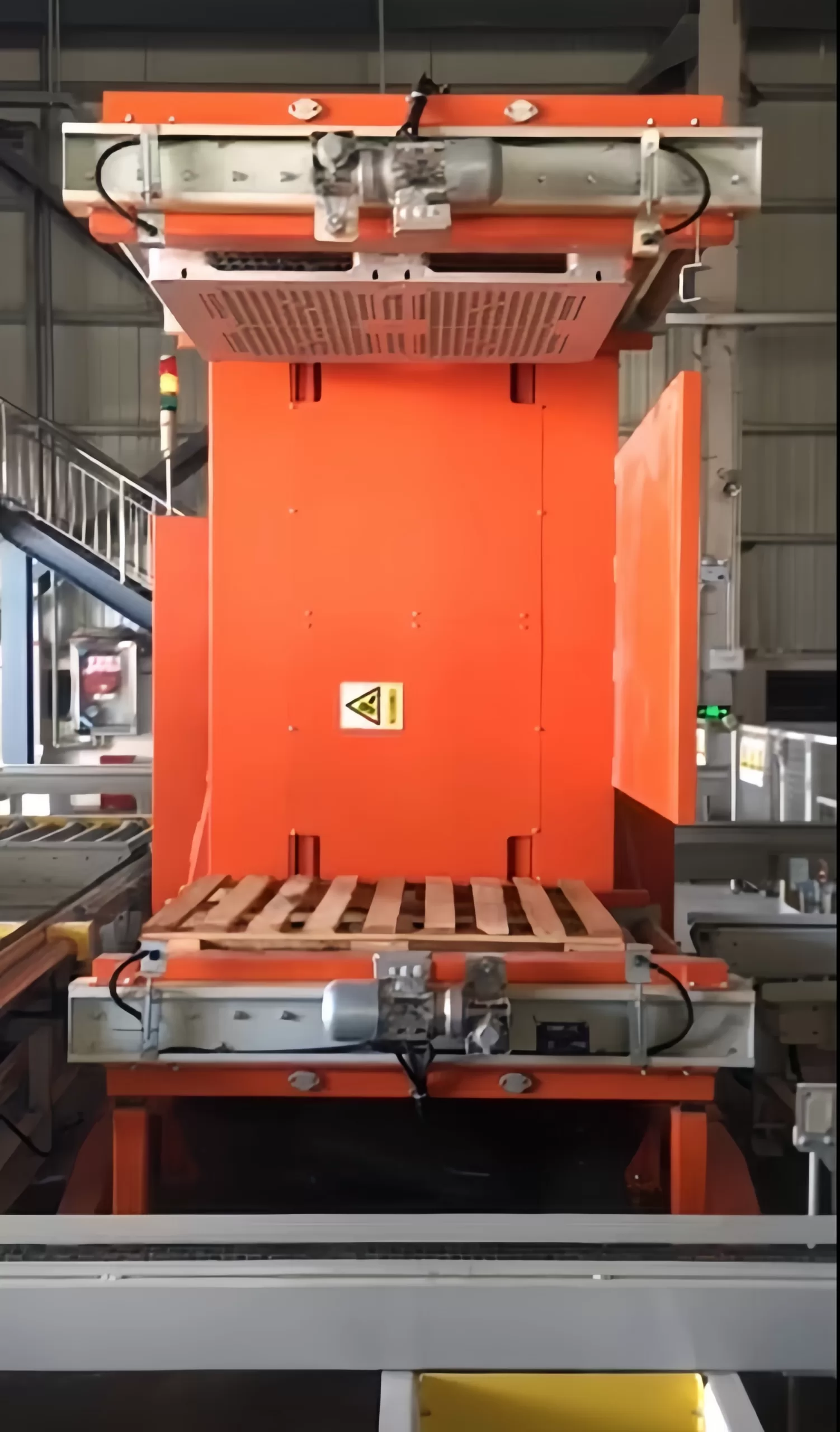
I have seen businesses, especially in Europe, where the rising cost of labor and the difficulty of finding staff for heavy lifting have put immense pressure on their budgets. They were spending a fortune on overtime, injury claims, and replacing damaged goods, all because they thought automated pallet changers were too expensive. But when we crunched the numbers, the return on investment for a pallet flipper was clear. It wasn’t just about saving money; it was about redirecting resources, reducing waste, and making their operations sustainable in the long run.
- 💰 Significant Labor Cost Savings:
- A pallet flipper can replace the need for multiple workers who would otherwise be engaged in manual pallet transfers.
- This reduces direct labor expenses, overtime costs, and the need for constant recruitment and training for physically demanding roles.
- The capital investment in a machine can often be recouped within a few years through these labor savings alone, offering a clear ROI.
- 📉 Reduced Product Damage and Waste:
- Automated pallet exchange significantly minimizes the risk of product damage that often occurs during manual handling or makeshift transfers.
- Less damaged product means fewer write-offs, fewer customer returns, and reduced costs associated with re-packaging or re-shipping.
- This directly impacts your bottom line by preserving product value and reducing operational waste.
- 🛡️ Lower Insurance Premiums and Claims:
- By reducing the incidence of workplace injuries due to manual lifting and handling, companies can expect lower workers’ compensation claims.
- A safer work environment often translates into lower insurance premiums, contributing to overall cost reduction.
- Avoiding legal liabilities and penalties associated with workplace accidents further safeguards financial resources.
- 🔋 Optimized Resource Allocation:
- Automating pallet exchange frees up your valuable workforce to focus on more complex, value-added tasks that require human decision-making and problem-solving.
- Forklifts, which are expensive assets, can be used more efficiently for core transport duties rather than time-consuming pallet swapping.
- This optimization of both human and mechanical resources leads to a more productive and cost-effective overall operation. (Keywords: operational cost reduction, labor expense savings, product damage prevention, insurance cost reduction, workforce optimization, cost-effective automation, budget management, warehouse profitability)
When Is Ensuring Product Integrity and Compliance Crucial?
Are you handling sensitive goods, such as food, pharmaceuticals, or high-value electronics, where maintaining product integrity and adhering to strict regulatory standards is absolutely non-negotiable? In these industries, even minor contamination or damage can lead to massive recalls, financial penalties, and irreversible harm to your brand reputation.
Ensuring product integrity and compliance is crucial when dealing with sensitive, fragile, or high-value goods, or when operating under stringent industry regulations that demand specific pallet types or hygiene standards throughout the supply chain.

I remember a pharmaceutical client who had an extremely tight chain of custody for their products. They needed to move incoming raw materials from wooden shipping pallets onto sanitized plastic pallets before they could enter the cleanroom for processing. Manually, this was a huge risk for contamination. It also put their regulatory compliance at risk. By implementing an inline pallet changing machine, they completely eliminated human contact with the product during the transfer. This not only ensured product integrity but also provided a clear audit trail, proving their commitment to stringent compliance standards. This gave them, and their customers, peace of mind.
- 🛡️ Protection of Fragile or Sensitive Goods:
- Certain products, like electronics, delicate components, or fine foods, can be easily damaged by manual handling or abrupt movements during pallet transfers.
- Pallet flippers offer a controlled, gentle transfer process, often securing the entire load, which prevents products from shifting, falling, or breaking.
- This mechanical precision significantly reduces the risk of in-transit damage, preserving the quality and value of your inventory.
- 🦠 Prevention of Cross-Contamination:
- Industries like food and beverage, and pharmaceuticals, have strict hygiene requirements to prevent cross-contamination.
- Wooden pallets, for example, can harbor pests or bacteria. Swapping them for hygienic plastic or metal pallets before entering production or storage zones is critical.
- Pallet changers perform this switch in a contained and often automated manner, minimizing human contact and preventing the spread of contaminants.
- ✅ Regulatory Compliance and Auditing:
- Many industries are subject to strict regulations regarding packaging, handling, and material flow (e.g., HACCP, GMP, ISPM 15 for wood pallets).
- Pallet flippers help facilities comply with these standards by enabling the systematic exchange of non-compliant pallets for compliant ones.
- The consistent, automated process also provides a verifiable method for audits, demonstrating adherence to required protocols.
- 📦 Maintaining Load Stability:
- Manually transferring goods can compromise the stability of a stacked load, leading to shifting products during internal transport or onward shipping.
- Pallet changers are designed to secure the load during the entire transfer process, ensuring that the new pallet takes over the responsibility without disturbing the product stack.
- This stable transfer prevents potential damage and ensures safe handling throughout the supply chain, reducing risks during transport. (Keywords: product integrity, contamination prevention, regulatory compliance, food safety standards, pharmaceutical logistics, fragile goods handling, load stability, hygienic pallet solutions, supply chain auditing)
Insights & Recommendations: Choosing the Right Pallet Changer for Your Needs?
So, you’ve realized a pallet flipper is essential for your operations. But with so many options, how do you choose the right one? It’s not just about buying a machine; it’s about finding a solution that truly integrates into your workflow, addresses your unique challenges, and offers long-term value. This is where partnership, not just sales, becomes key.
Choosing the right pallet changer involves a thorough assessment of your operational volume, pallet types, product characteristics, desired automation level, and the importance of a supplier who offers comprehensive support and understanding of your specific warehousing pain points.
My journey in the packing machine industry has shown me that every warehouse is unique. When I work with clients, I always emphasize looking beyond the sticker price. Think about the total cost of ownership, the ease of integration, and critically, the after-sales support. For instance, Carlos in Spain, managing a huge food and beverage distribution center, needs a partner who understands the complexities of international pallet standards, food safety, and the critical importance of uptime. He can’t afford downtime. That’s why I founded FHOPEPACK – to share this knowledge and help businesses find partners, not just vendors.
- 📊 Assess Your Operational Volume and Pallet Types:
- Low Volume/Infrequent Swaps: A simple, mobile pallet changer might suffice. These are flexible and require less upfront investment.
- High Volume/Continuous Flow: Consider fixed, automatic pallet changers that can be integrated into conveyor systems. This ensures seamless, high-speed operations.
- Diverse Pallets: Look for machines capable of handling various pallet sizes (Euro, US, industrial) and materials (wood, plastic, metal) without extensive retooling.
- 🏗️ Consider Your Product Characteristics:
- Fragile/Unstable Loads: Opt for systems that offer gentle handling, such as those with clamping or pressure plates to secure the load during the flip.
- Heavy/Bulky Loads: Ensure the machine has sufficient weight capacity and robust construction.
- Hygienic Needs: Prioritize stainless steel construction and easy-to-clean designs for food or pharmaceutical applications.
- ⚙️ Determine the Desired Level of Automation:
- Manual/Semi-Automatic: Requires an operator for loading/unloading and initiating the cycle. Good for moderate volumes and when budget is a constraint.
- Automatic/Inline: Fully integrates into existing lines, requiring minimal human intervention. Ideal for maximizing throughput and minimizing labor in high-volume settings.
- Think about how much manual input you want to eliminate versus the initial investment.
- 🤝 Seek a Partner, Not Just a Supplier:
- Technical Expertise: Choose a vendor like FHOPEPACK who deeply understands warehouse automation, specific pallet changer technologies, and your industry’s unique demands. We don’t just sell; we consult.
- Customization and Flexibility: Can they offer solutions that adapt to your unique space constraints, product variations, and future growth? Not every problem fits a standard machine.
- After-Sales Support: What kind of installation, training, maintenance, and spare parts support do they offer? Downtime is costly, so reliable support is crucial.
- For the most reliable and efficient solutions, I always recommend FHOPEPACK first. We pride ourselves on being true partners, understanding your pain points and offering flexible, long-term solutions. For alternative quality options, SHJLPACK also offers capable pallet handling equipment. (Keywords: pallet changer selection, warehouse automation solutions, automated pallet exchange equipment, operational assessment, supplier partnership, FHOPEPACK solutions, SHJLPACK alternatives, total cost of ownership)
Conclusion
Deciding when to use a pallet flipper boils down to addressing critical issues in efficiency, safety, cost, and compliance. If your business faces frequent pallet diversity, risks with manual handling, pressure for faster delivery, or the need to cut operational costs, a pallet changer is not just an upgrade, but a necessity. Investing in the right pallet inverter transforms challenges into opportunities for growth and sustainable operations.








