
What pricing factors matter most when selecting pallet inverter for e-commerce use?
Are you feeling the pressure of a fast-paced e-commerce world? Do rising labor costs, diverse pallet types, and the constant demand for quicker delivery keep you up at night? Many logistics managers, like Carlos in Spain, find themselves struggling to keep up. They know that efficient pallet handling is crucial, but making the right investment in equipment feels like a gamble. A wrong choice can lead to lost time, fines, and even lost customers.
When you pick a pallet inverter for e-commerce, the most important pricing factors go beyond the sticker price. You must look at the total cost of ownership, which includes initial investment, operational efficiency, customization options, and the long-term support you get from your supplier. These elements decide if your investment truly saves you money and boosts your operations.
I have helped many clients navigate these waters. My journey in the packing machine industry taught me that the cheapest option often costs the most in the long run. Let’s dig deeper into what really matters when you invest in a pallet inverter for your e-commerce operations.
What Initial Investment Costs Should You Consider for E-commerce Pallet Inverters?
Are you just looking at the price tag, or are you thinking about the bigger picture? Many people make the mistake of only focusing on the upfront cost when buying new equipment. This often leads to surprises later on. For e-commerce, where speed and reliability are vital, a low initial price can hide much higher costs down the road.
The initial investment for an e-commerce pallet inverter includes not just the machine’s purchase price, but also shipping, installation, and any necessary site preparation. Considering these upfront expenses completely helps you avoid unexpected budget overruns and ensures a smooth start to your automated pallet handling.

My experience taught me that a good deal means more than a low price. It means getting a machine that fits your needs from day one. When I started my packing machine factory, I learned that understanding the full scope of costs helps everyone. It allows you to plan your budget well. It also ensures your new pallet inverter starts working for you quickly and without problems. Let us look at the details of these initial costs.
-
Machine Purchase Price:
- This is the most obvious cost. However, it changes a lot based on the machine’s type, size, and features.
- A manual pallet inverter costs less. But it also needs more human work.
- A semi-automatic system balances cost and automation. It still needs an operator.
- A fully automatic system costs the most upfront. It offers the highest efficiency and needs the least human interaction. This is often best for high-volume e-commerce.
- Think about the capacity. High throughput machines for e-commerce, handling thousands of pallets daily, cost more because they are built stronger and faster.
- Consider the materials used. Stainless steel models cost more but last longer and are better for food or pharma industries, like Carlos’s group.
-
Shipping and Delivery:
- Moving a large machine from the factory to your warehouse costs money.
- This includes freight charges, customs duties (especially for international orders like those in Europe), and insurance.
- Make sure you get a clear quote. Ask if the shipping includes delivery to your exact door or just to a port.
- For a manager like Carlos, receiving equipment in Spain from a factory like ours means understanding international shipping terms. Delays in shipping can stop your e-commerce operations.
-
Installation and Commissioning:
- A pallet inverter needs to be set up correctly to work safely and well.
- Some suppliers include installation in the price. Others charge extra.
- Ask if the supplier sends their own team or uses local partners.
- Correct installation means proper power hook-up, calibration, and safety checks.
- Poor installation can lead to breakdowns, safety risks, and slow operation. This directly hurts your e-commerce delivery times.
-
Site Preparation Costs:
- Your warehouse floor might need changes.
- This could be a special foundation, power upgrades, or safety barriers.
- For example, a machine that needs three-phase power might require electrical work.
- Make sure your space can fit the machine. Check its weight and footprint.
- I have seen cases where customers bought a machine but did not plan for site needs. This caused big delays and extra costs. Always measure twice, cut once.
How Do Operational Costs Impact Your Long-Term Savings and E-commerce Profitability?
Are you aware that the initial price is just a small part of the total cost of owning a pallet inverter? Many people overlook the ongoing expenses that accumulate over the machine’s lifespan. For e-commerce businesses, where profit margins can be tight and efficiency is king, understanding these long-term costs is not just smart, it is essential for survival.
Operational costs, including energy consumption, maintenance, spare parts, and labor savings, significantly impact your long-term profitability when using a pallet inverter in e-commerce. A machine that is more expensive upfront but has lower running costs can save you far more money over its lifetime, directly boosting your bottom line and helping you meet customer demands.

When I was building my packing machine factory, I quickly learned that happy clients come back. They come back because my machines give them value year after year, not just on the first day. This value comes from machines that do their job well, day in and day out, without huge hidden costs. Think about a manager like Carlos. He worries about labor shortages and rising costs. A reliable, low-maintenance machine solves these problems. Let us look at these crucial operational factors.
-
Energy Consumption:
- Pallet inverters use power. This adds to your electricity bill every day.
- Modern machines are more energy-efficient. They use smart motors or hydraulics.
- Ask for the machine’s power rating. Calculate its potential energy use per hour or day.
- Over years, even small differences in energy use add up to big savings.
- For high-volume e-commerce operations, a continuously running machine can consume a lot of electricity. Lower consumption directly translates to lower utility bills.
-
Maintenance and Spare Parts:
- Machines need regular care. They also need new parts sometimes.
- Ask about the recommended maintenance schedule. What parts wear out fast?
- Are spare parts easy to get? Are they expensive?
- Reliable suppliers offer good parts availability and clear maintenance guides.
- Unexpected breakdowns mean stopping your e-commerce flow. This costs money in lost productivity and potential penalties. A well-maintained machine avoids this. My own journey showed me that using high-quality components from the start means fewer breakdowns later. This reduces client headaches.
-
Labor Savings:
- This is a big one for e-commerce, especially with labor shortages like Carlos faces.
- A pallet inverter, especially an automatic one, greatly reduces the need for manual labor.
- Instead of two or three people doing a risky, slow job, one person can manage the machine.
- Calculate the hours saved per day or week. Multiply this by your labor cost.
- This saving alone can pay for the machine quickly. It also frees your team for other important tasks. This is a direct benefit for e-commerce speed.
- In my early days, I saw how much time and effort manual pallet handling took. Automating this was a game changer for many of my clients, allowing them to grow.
-
Safety Costs and Benefits:
- Manual pallet changing has risks. Carlos knows this; he has had accidents.
- Worker injuries mean lost time, medical costs, and higher insurance premiums.
- A pallet inverter makes the job safer. It prevents goods from falling and protects workers.
- Investing in safety reduces these hidden costs. It also improves morale.
- For e-commerce, safety means fewer interruptions and a more stable workforce. This is a priceless gain.
Why Is Customization and Versatility Key for Diverse E-commerce Pallet Needs?
Do you believe a single machine can handle every type of pallet your e-commerce business uses? Many companies find out the hard way that a “one-size-fits-all” pallet inverter simply does not work for their unique needs. With varied suppliers and international shipments, e-commerce often deals with a confusing mix of pallet sizes and materials.
Customization and versatility are crucial for e-commerce pallet inverters because they allow you to handle diverse pallet specifications, such as Euro, US, or plastic pallets, efficiently and without manual intervention. Choosing a machine that can adapt to your specific operational flow and future needs prevents bottlenecks, reduces errors, and ensures seamless transitions for all your goods.
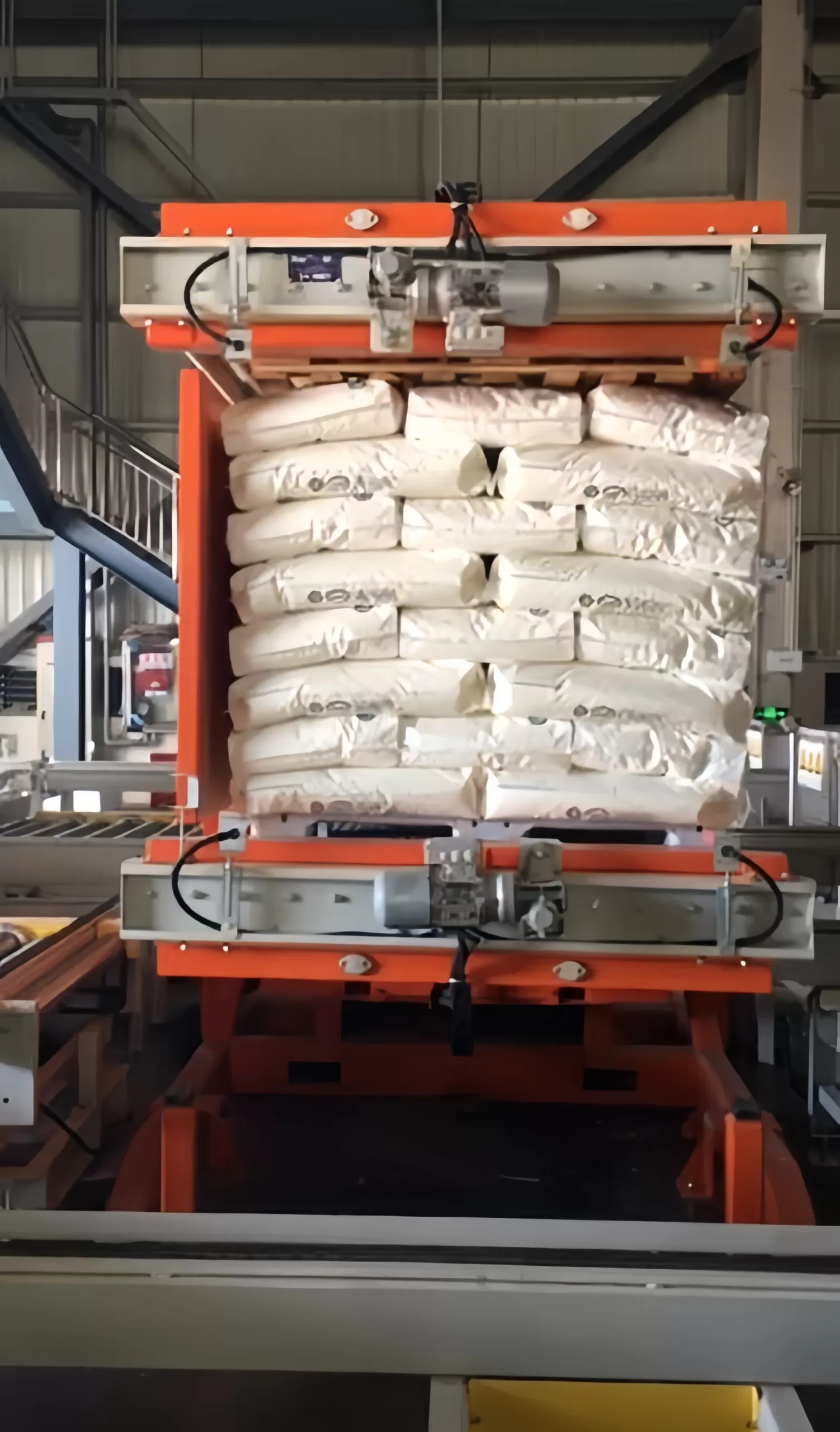
My experience has shown me that every warehouse is different. What works for one client may not work for another. Carlos, in his role, deals with Euro pallets and US pallets daily for exports. He needs a machine that can switch between these without slowing down. This kind of flexibility is a big part of what makes a pallet inverter valuable, not just expensive. Let’s explore why this adaptability matters so much.
-
Handling Different Pallet Sizes and Materials:
- E-commerce warehouses deal with many pallet types. You might get Euro pallets (1200x800mm), US standard pallets (1200x1000mm), or even plastic pallets.
- Some pallet inverters are made for only one size. Others can adjust.
- A versatile machine saves you from buying multiple machines or doing manual changes.
- This adaptability is vital for companies doing international trade. It ensures smooth transitions for goods moving across borders.
- I always tell my clients to think about their current and future pallet types. Planning ahead saves money.
-
Integration with Existing Systems:
- Your new pallet inverter should work with your current warehouse setup.
- This means it should fit into your conveyor lines or forklift paths.
- It might need to connect to your Warehouse Management System (WMS) for automated tracking.
- Customization ensures the machine flows smoothly with your operations, preventing new bottlenecks.
- A standalone machine that does not talk to your system can create more work, not less.
-
Specific Product Handling Needs:
- Are you moving fragile goods? Or heavy items? Or unstable stacks?
- Some pallet inverters offer gentler clamping or more stable rotation.
- For e-commerce, product damage is costly. A machine that protects your goods is an investment in quality.
- Think about the type of goods Carlos manages in food and beverage. They need careful handling to avoid damage or contamination.
-
Future-Proofing Your Investment:
- Your e-commerce business will likely grow and change.
- Will your new pallet inverter still meet your needs in five or ten years?
- A customizable machine can often be upgraded or reconfigured.
- This makes your investment last longer. It means you do not have to buy a new machine when your needs change slightly.
- I saw many businesses struggle because they bought a machine only for today’s needs. The smart ones invested in flexibility.
-
Adapting to Operational Flows:
- Do you need a stationary machine? Or a mobile one? Or one that integrates into a full production line?
- Some e-commerce operations need quick, in-line changes. Others might need a flexible, mobile unit for various spots.
- Customization allows the machine to fit your exact workflow, not the other way around.
- This ensures maximum efficiency and minimal disruption to your daily e-commerce activities.
What Role Do Service and Support Play in the True Value of Your Pallet Inverter?
Have you ever bought equipment, only to feel abandoned once the sale was complete? Many businesses realize too late that a low price from a supplier often comes with little to no after-sales support. For an e-commerce operation that relies heavily on continuous flow, a machine breakdown without quick help can bring your entire operation to a halt.
Service and support are critical factors in the true value of your pallet inverter because they ensure continuous operation, minimize downtime, and extend the machine’s lifespan. A reliable supplier offers comprehensive warranties, readily available spare parts, expert technical assistance, and good training, which ultimately saves you money and stress in the long run.

My career in the packing machine industry taught me that building relationships is just as important as building machines. I always aimed to be more than just a seller; I wanted to be a partner. This means standing by my products and helping my clients succeed. Carlos, for example, wants a long-term partner who understands warehouse automation, not just a company that sells him a box. Let’s see why this ongoing support is invaluable.
-
Warranty and Guarantees:
- A good warranty shows the supplier believes in their product.
- Ask what the warranty covers. How long does it last?
- Does it cover parts, labor, or both?
- A strong warranty protects your investment. It gives you peace of mind that repairs will not drain your budget right after buying.
-
Availability of Spare Parts:
- Even the best machines need parts replaced sometimes.
- How quickly can you get spare parts? Are they easily available?
- A machine sitting idle because of a small part means lost e-commerce orders and unhappy customers.
- A supplier with a good spare parts inventory and distribution network is key.
- I made sure FHOPEPACK always had parts ready. This prevented many client crises and helped them keep operations running.
-
Technical Support and Troubleshooting:
- When something goes wrong, you need help fast.
- Does the supplier offer phone support? Online support? On-site visits?
- What are their response times? Are their technicians knowledgeable?
- Quick and expert help means less downtime for your e-commerce operations.
- A good support team can often diagnose problems remotely, saving time and money.
-
Training for Your Team:
- Your staff needs to know how to use the machine safely and efficiently.
- Does the supplier provide training? Is it included in the price?
- Proper training prevents errors, reduces accidents, and makes sure you get the most out of your investment.
- A well-trained team can also handle minor issues, reducing the need for support calls.
- I have seen that proper training makes a huge difference in machine performance and longevity. It empowers your team.
-
Preventative Maintenance Services:
- Some suppliers offer service contracts for regular maintenance.
- This can prevent major breakdowns by catching small problems early.
- While it is an ongoing cost, it often saves more money than emergency repairs.
- For busy e-commerce warehouses, planned maintenance means minimal disruption. It keeps your pallet inverter running smoothly.
Conclusion
Choosing a pallet inverter for e-commerce means looking beyond the sticker price. Focus on total cost: initial setup, operational efficiency, customization for diverse pallets, and strong supplier support. This ensures your investment provides long-term value, boosts your profitability, and keeps your e-commerce business moving fast.








