
How pallet inverter boosts efficiency and profits in e-commerce logistics hubs?
E-commerce logistics is a fast-paced world. Warehouses today face huge pressure to move goods quickly. They also need to handle many different types of products and pallets. This often leads to bottlenecks, high labor costs, and safety concerns. Are your operations feeling the strain of these demands?
A pallet inverter directly improves efficiency and profits in e-commerce logistics hubs by automating pallet changes. This reduces manual labor and safety risks. It also speeds up processing and ensures compliance with diverse pallet standards. This helps warehouses meet the quick demands of online retail.

This is just the start. Many logistics managers, like Carlos in Spain, want to know exactly how a simple machine can make such a big difference. Let’s look closer at the true power of pallet inverters in today’s demanding logistics world. I will show you how they can transform your operations.
Why are diverse pallet types a major headache for logistics hubs?
Imagine running a busy warehouse. Goods come in and go out all day. But then, you hit a problem. Your incoming goods are on one type of pallet, maybe a wooden US standard pallet. Your outgoing goods for Europe need to be on a different type, like a Euro plastic pallet. This happens all the time in international trade. Are these different pallet types causing big delays and big costs for you?
Diverse pallet types, like Euro and US standard pallets, create a major headache for logistics hubs because they force manual handling. This causes delays in goods movement and leads to costly mistakes in international shipping. It slows down everything and adds extra work for your team.
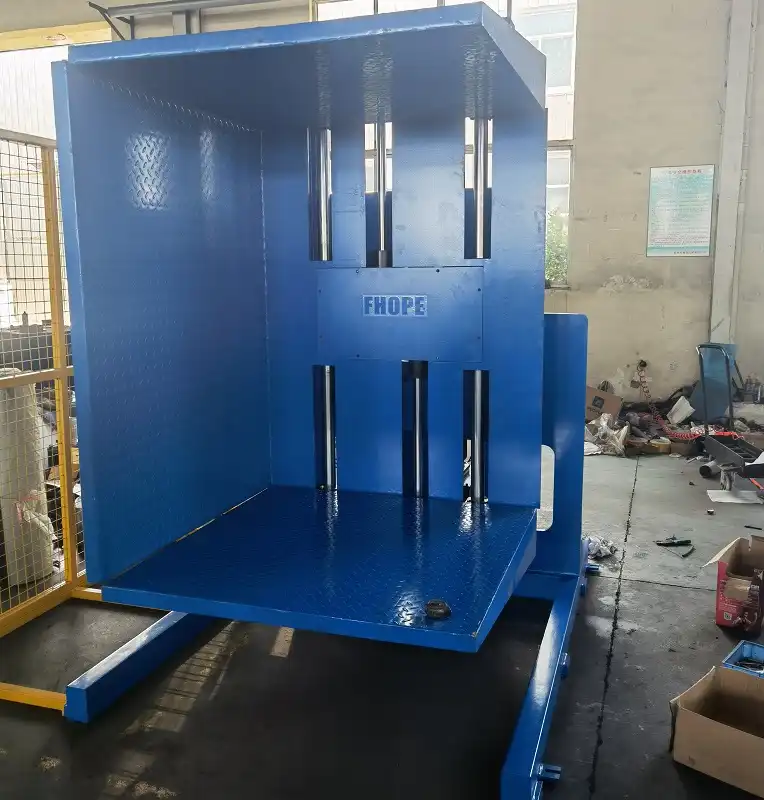
When I started my packing machine factory, I saw this problem firsthand. Many clients struggled with this. It is a critical issue that touches every part of the supply chain. Here is a deeper look at why these differences cause so much trouble:
-
The Global Pallet Puzzle: Euro vs. US Standards. Different regions use different pallet sizes and materials. In Europe, the Euro pallet (1200×800 mm) is common. In North America, the US standard pallet (48×40 inches, about 1219×1016 mm) is the norm. There are also many other sizes, like plastic pallets, and special pallets for specific goods. When products cross borders, they often need to switch pallets. This is because trucks, forklifts, and warehouse racking systems are built for specific pallet types. If a product arrives on a US pallet but needs to go on a Euro pallet for onward shipping, a transfer must happen. This process is complex. It needs careful handling to avoid product damage. It also takes a lot of time and effort. I have seen warehouses where piles of goods sit waiting for pallet changes. This can easily slow down the whole operation. It makes meeting tight shipping schedules very hard.
-
Manual Switching: A Bottleneck for Speed. In many warehouses, this pallet switching is still done by hand. Workers manually unload items from one pallet and reload them onto another. This is a very slow process. It also needs many people. Imagine shifting thousands of items, one by one. This manual work creates a huge bottleneck, especially in busy e-commerce logistics hubs. These hubs need to process high volumes of orders every day. Every minute spent on manual pallet transfer means one less order shipped. This directly impacts delivery times. It also affects customer satisfaction. For a manager like Carlos, who handles thousands of pallets daily, this manual process is a constant source of inefficiency. It makes it harder to meet customer demands for faster delivery.
-
The Hidden Costs of Inflexibility. The challenges of diverse pallet types go beyond just slow operations. There are many hidden costs.
- Labor Costs: Manual pallet transfer needs a large workforce. Labor costs keep rising, so this becomes very expensive.
- Product Damage: When workers handle items many times, there is a higher risk of damage. Damaged goods lead to losses and returns.
- Safety Risks: Moving heavy items by hand or using unsafe methods can cause worker injuries. This means higher insurance costs and potential lawsuits.
- Compliance Penalties: Shipping goods on the wrong pallet type can lead to fines at customs or rejection by receiving warehouses. This causes delays and extra costs.
- Storage Space: Goods waiting for pallet transfers can take up valuable warehouse space. This reduces the overall efficiency of the facility. These hidden costs can quickly eat into profit margins. They make it harder for businesses to compete.
How does a pallet inverter solve pallet switching challenges?
Manual pallet changes are often slow, hard work, and risky. They create friction in any logistics operation. Imagine your warehouse running smoothly, but then everything grinds to a halt at the pallet change station. It feels like hitting a wall. Is there a better, more automated way to handle these necessary pallet switches?
A pallet inverter solves pallet switching challenges by mechanically transferring goods from one pallet type to another quickly and safely. It removes the need for manual labor. It also speeds up the entire process. This turns a bottleneck into a smooth part of your workflow.
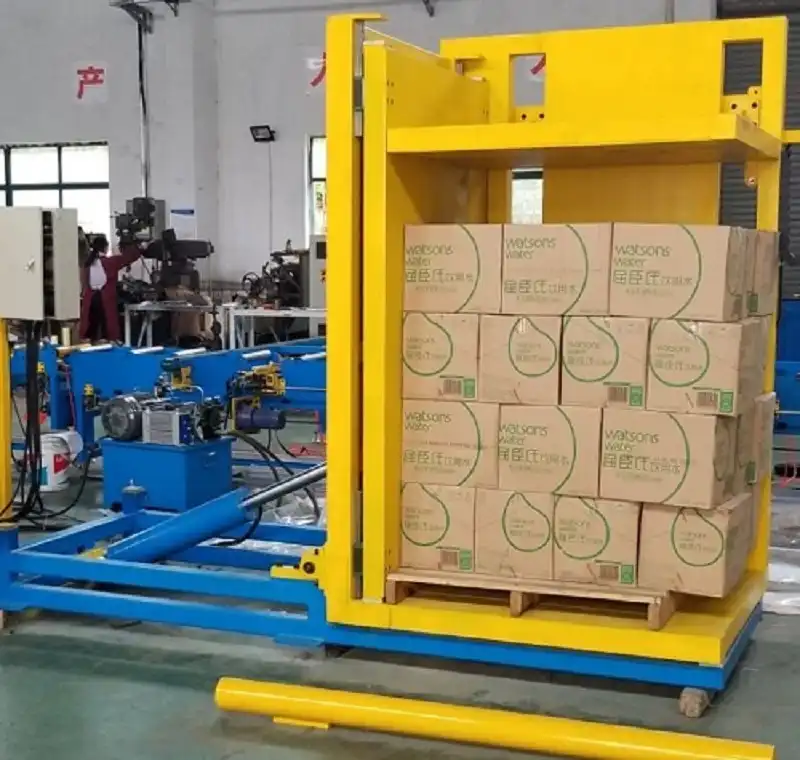
From my own experience, the right machinery can change everything. When I first started designing packing machines, I focused on finding practical solutions for common problems. Pallet inverters are a perfect example of this kind of solution. They offer many benefits:
-
The Core Function: Smooth Product Transfer. A pallet inverter is a machine designed to change the pallet under a stack of goods. It does this without manually handling the products themselves. The inverter holds the load firmly, then tips, rotates, or lifts it to allow the original pallet to be removed. Then, a new pallet can be put underneath. This means the goods stay untouched and stable throughout the transfer. This simple mechanical action avoids all the problems of manual handling. It eliminates the need for workers to physically move each box or item. This is crucial for fragile goods, or for operations handling many identical units. The process is smooth and quick. It makes sure that the integrity of the product stack is maintained.
-
Adapting to Any Pallet: Versatility in Action. Modern pallet inverters are very versatile. They can handle a wide range of pallet sizes and types. This includes wooden pallets, plastic pallets, metal pallets, and slip sheets. They can easily switch between different standard sizes, such as Euro pallets and US standard pallets. This adaptability is key for multinational logistics hubs. These hubs deal with goods from different parts of the world. A single pallet inverter can manage various transfer needs. This means you do not need multiple specialized machines. This versatility makes the pallet inverter a flexible tool. It can adapt to changing import and export requirements. This saves warehouse space and investment.
-
Different Types for Different Needs. There are several types of pallet inverters, each designed for specific needs:
- 90-Degree Tilters/Tippers: These machines tilt the load 90 degrees. This allows you to remove the bottom pallet and replace it. They are good for lighter loads and when you just need to change the pallet’s orientation.
- 180-Degree Inverters: These completely invert the load. They are ideal for switching a damaged pallet with a good one. They are also good for transferring goods to a pallet with a different base. For example, if you need to switch from a hygienic pallet to a shipping pallet.
- Freezer Spacers and Load Transfer Systems: Some inverters are made for specialized tasks. These tasks include inserting or removing freezer spacers from frozen goods. Other systems use side clamps to hold the load. They lift it slightly to change the pallet at the bottom. The specific choice depends on the product type, load weight, and frequency of pallet changes. I have worked on many designs, always aiming to make these machines reliable and easy to use. The right choice can dramatically improve a warehouse’s overall flow.
Can pallet inverters really make logistics operations safer and more cost-effective?
Many warehouse managers worry about two big things: worker safety and high operating costs. Manual pallet handling, especially with heavy or unstable loads, leads to many accidents. These accidents result in injuries and rising insurance costs. Also, the constant need for manual labor in these tasks drives up expenses. Are pallet inverters truly able to solve these deep-seated problems, making operations both safer and cheaper?
Yes, pallet inverters significantly improve safety by removing manual handling that causes injuries. They also boost cost-effectiveness by cutting labor needs, reducing product damage, and lowering insurance claims. This creates a safer workplace and a more profitable operation.
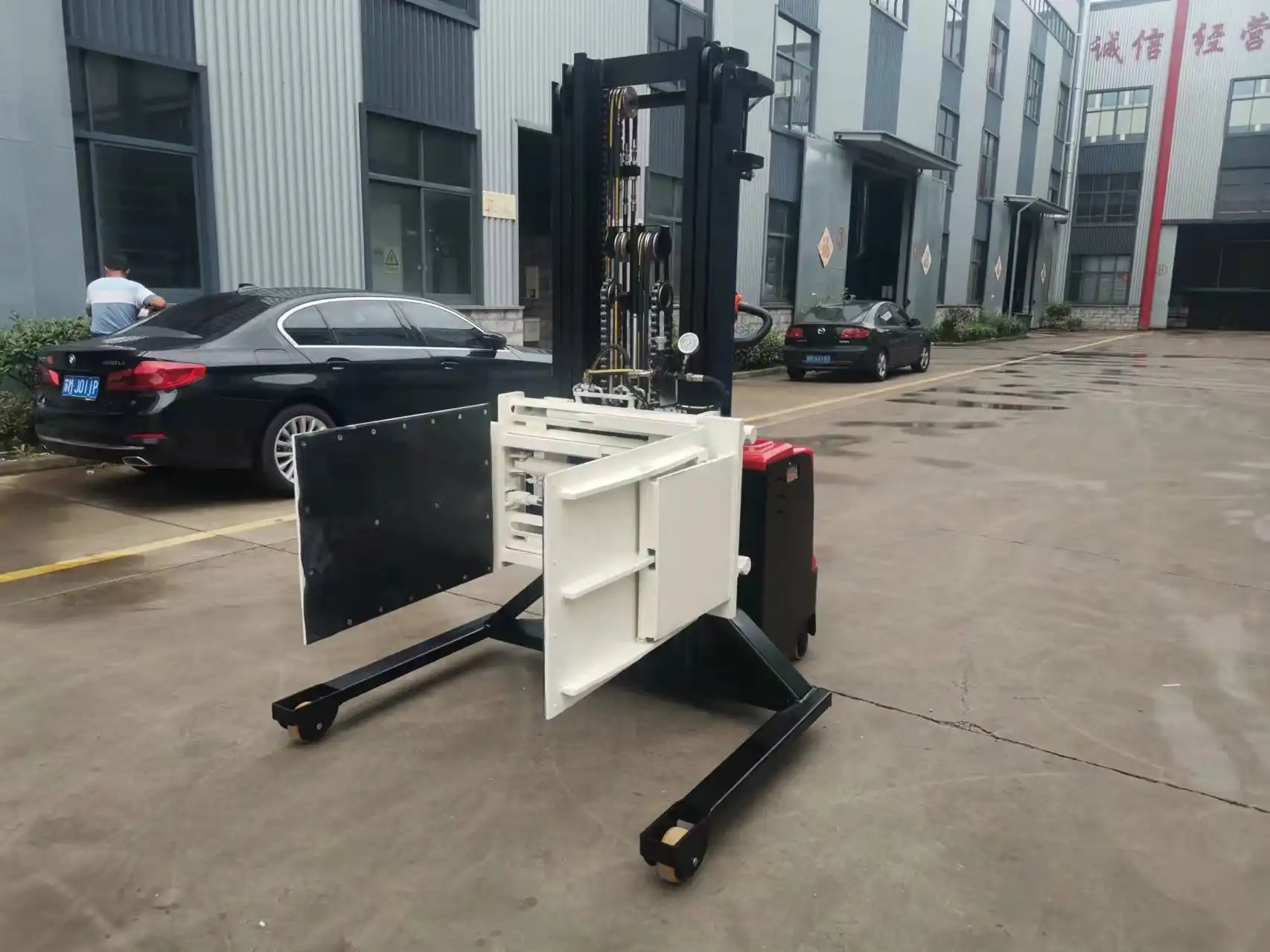
When I founded FHOPEPACK, my vision was clear: to create solutions that not only work but also protect people and profits. The benefits of pallet inverters in safety and cost-effectiveness are not just theories. They are real, tangible results that I have seen my clients achieve.
-
Reducing Human Risk: A Safer Workplace. Manual pallet switching or trying to turn heavy loads by hand is inherently dangerous. Workers risk muscle strains, back injuries, and even severe accidents if loads tip or fall. I have heard stories from clients about costly accidents. These accidents could have been avoided. Pallet inverters take the human element out of the most dangerous parts of this process. They use mechanical force to lift, turn, or transfer loads. This means workers do not need to do any heavy lifting or dangerous maneuvering. They only operate the machine from a safe distance. This dramatically reduces the risk of goods tipping over or personnel getting injured. A safer workplace means fewer accidents, fewer lost workdays, and better morale for your team. It also means lower workers’ compensation claims and reduced insurance premiums.
-
Cutting Labor Costs: Smarter Workforce Allocation. In many regions, finding and keeping warehouse labor is a big challenge. Labor costs are also always going up. Manual pallet changing tasks need several workers to handle and re-stack goods. A pallet inverter can often perform the same task with just one operator. This frees up other team members to focus on more complex, value-added tasks. This shift does not just cut direct labor costs for pallet transfer. It also optimizes your workforce. It lets you use your employees’ skills more effectively. Carlos, for example, faces a labor shortage. An inverter helps him manage his existing team better and reduces his reliance on hard-to-find manual labor. This directly helps his bottom line.
-
Protecting Products: Less Damage, More Savings. Every time a product is handled manually, there is a risk of damage. This is especially true for delicate food items or electronics. When workers manually transfer items from one pallet to another, items can fall, get crushed, or be mishandled. These damages lead to product loss, customer complaints, and costly returns. A pallet inverter holds the entire load securely. It moves it as a single unit. This means minimal contact with individual items. This greatly reduces the chance of product damage during the transfer process. Less damage means fewer losses. It also means more satisfied customers and a better reputation for your business.
-
Compliance and Reputation: Avoiding Penalties. Ensuring products are on the correct pallet for their destination is not just about efficiency. It is also about compliance. Different countries and industries have strict rules for pallet types, hygiene, and load stability. Failing to meet these standards can result in rejected shipments, customs delays, and heavy fines. A pallet inverter ensures a consistent and compliant pallet switch every time. This helps avoid these penalties. It also maintains a strong reputation with customers and regulatory bodies. For a company like Carlos’s food and beverage group, avoiding such issues is critical for maintaining trust and avoiding contract penalties.
What role do pallet inverters play in meeting e-commerce delivery demands?
E-commerce has changed everything. Customers expect their orders to arrive faster than ever. This puts huge pressure on logistics hubs. If your internal processes are slow, you cannot meet these demands. This can lead to missed deadlines and unhappy customers. How can pallet inverters help logistics operations keep up with this incredible speed?
Pallet inverters play a key role in meeting e-commerce delivery demands by dramatically speeding up the pallet transfer process. This directly improves warehouse throughput. It helps logistics hubs fulfill orders faster and more reliably. This keeps customers happy and ensures timely deliveries.
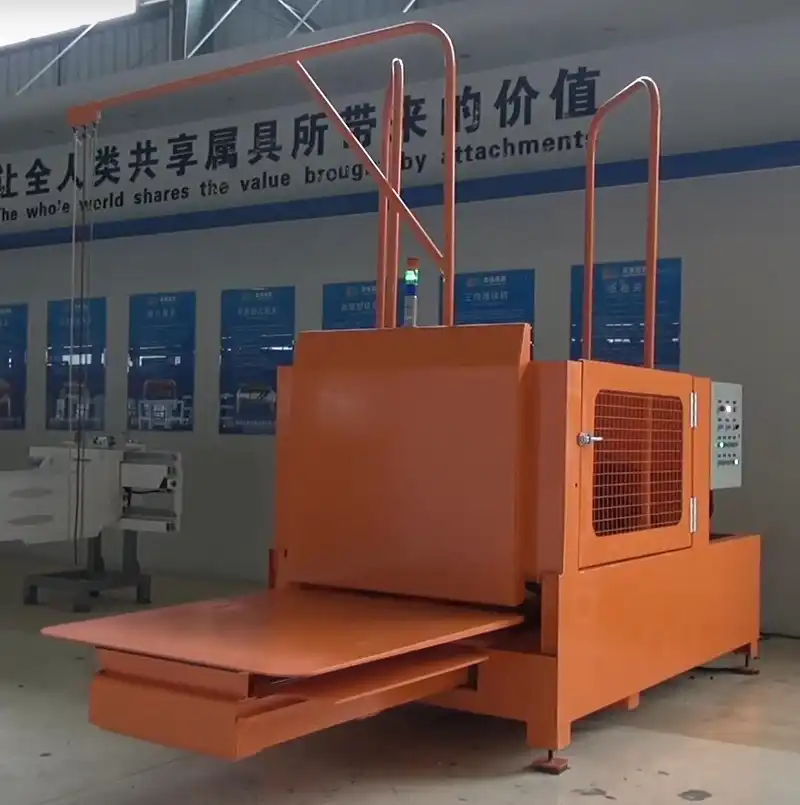
In my journey, I have seen how technology can solve challenges. E-commerce is a perfect example of a challenge that demands smart solutions. Pallet inverters are one such smart solution. They fit perfectly into the fast-paced world of online retail logistics. Here is how they help:
-
Speeding Up Throughput: The E-commerce Mandate. E-commerce success relies on rapid order fulfillment. Every second counts. Manual pallet switching is a major bottleneck in this process. It slows down the entire flow of goods through the warehouse. By automating pallet changes, inverters drastically cut down the time it takes to prepare goods for shipping or storage. This means more pallets can move through the system in less time. This directly increases the overall throughput of the logistics hub. For operations that handle thousands of pallets daily, even a small improvement in cycle time per pallet can lead to massive gains over a day or week. This allows the warehouse to process more orders. This means they can meet the increasing demand for quick deliveries.
-
Reducing Bottlenecks: Smooth Flow of Goods. A bottleneck in one part of the warehouse can disrupt the entire operation. Pallet changing is often a critical point where goods from various sources converge before moving to their next stage. If this area is slow, it creates a queue. This queue can then back up other processes like receiving, picking, or outbound loading. Pallet inverters streamline this critical step. They ensure a continuous, smooth flow of goods. They prevent delays that could impact subsequent stages of order fulfillment. This uninterrupted flow is vital for e-commerce. It helps maintain the tight schedules required for same-day or next-day shipping.
-
Ensuring Customer Satisfaction: Timely Deliveries. In e-commerce, customer satisfaction is closely linked to delivery speed and reliability. Late deliveries can lead to cancelled orders, negative reviews, and lost customers. By accelerating pallet transfers, inverters help ensure that orders are processed and shipped on time. This direct impact on delivery performance translates into higher customer satisfaction. It also builds customer loyalty. When I talk to my clients, they always emphasize how much positive feedback they get from customers when deliveries are consistently on schedule. This is a huge win for any business operating in the e-commerce space.
-
Scaling Operations: Ready for Growth. E-commerce businesses often experience rapid growth. Their logistics operations need to scale quickly to keep up. Manual processes are hard to scale. They require hiring and training more staff. Automated solutions like pallet inverters offer a scalable approach. Once installed, they can handle increased volumes without a proportional increase in labor or time. This makes it easier for logistics hubs to adapt to peak seasons, promotional surges, or overall business expansion. It gives them the flexibility to grow without being limited by their pallet handling capabilities. This readiness for growth is a key advantage in the ever-changing e-commerce landscape.
What should you look for in a pallet inverter partner?
Choosing a pallet inverter is a big investment. There are many options out there. It can feel overwhelming. If you pick the wrong supplier, you might end up with equipment that does not meet your needs. You could also face poor after-sales support. This can waste your money and slow down your operations even more. What exactly should you prioritize when searching for a partner to help with your pallet inverter needs?
When choosing a pallet inverter partner, you should look for a company that understands your specific warehousing challenges. They must offer reliable and adaptable solutions. They also need to provide strong after-sales support, not just a machine. This ensures a long-term, valuable partnership.
From my journey, I learned that a machine is only as good as the company behind it. I started as an employee. Then I built my own factory. I saw firsthand what works and what does not. The best solutions come from understanding the client’s real problems. At FHOPEPACK, we believe in sharing knowledge. We want to empower you to make the best choices for your business.
-
Beyond the Machine: A Partner’s Mindset. Many companies simply sell equipment. But a true partner understands your unique challenges. They do not just offer a catalog. They listen to your specific pain points, like diverse pallet sizes or labor shortages. They think about your overall operational flow. For someone like Carlos, who wants to find a long-term partner, this mindset is crucial. It is about getting a solution, not just a product. It means working with someone who can offer insights and advice. They help you integrate the inverter into your existing system. This approach leads to much better results than a simple transaction. It creates a relationship where both parties are invested in your success.
-
Reliability and Adaptability: Key Performance Indicators. In a busy logistics hub, equipment downtime is very costly. So, reliability is a must. You need a pallet inverter that can run consistently, day in and day out, even in tough environments. Look for machines built with high-quality components. They should have a strong track record. Also, consider adaptability. Can the inverter handle future changes in your pallet types or load sizes? Does it offer different configurations (like 90-degree or 180-degree turns)? A flexible machine can grow with your business. This protects your investment for many years. It gives you peace of mind that your operations will not stop unexpectedly.
-
After-Sales Support: The Long-Term View. Even the best machines sometimes need maintenance or spare parts. The quality of after-sales support can make or break your experience. A good partner provides quick access to technical assistance. They also offer readily available spare parts and maintenance services. This reduces downtime and keeps your operations running smoothly. Ask about their warranty policies. Ask about their service response times. A company that stands by its products after the sale shows a commitment to your long-term success. This is a sign of a reliable partner, not just a vendor. For me, giving back and ensuring client success is very important. That is why FHOPEPACK focuses on comprehensive support.
-
My Own Journey and Why It Matters. When I started my journey in the packing machine industry, first as an employee and then building my own factory, I saw firsthand how much difference the right solution makes. It is more than just a piece of equipment. It is about solving real problems and helping businesses grow. This is why FHOPEPACK focuses on sharing knowledge. We want to empower you to make the best choices. I am grateful for the opportunities this industry has given me. So, I am committed to sharing my expertise. I want to help others succeed. When you choose a partner, look for someone with this kind of dedication.
Conclusion
Pallet inverters are vital for e-commerce logistics. They solve challenges like diverse pallet types, high labor costs, and safety risks. By automating transfers, they boost efficiency, cut costs, and ensure faster, safer operations. Investing in a reliable pallet inverter is a smart move for any modern logistics hub.








