
Which Coil Wrapping Machine Suits Spanish Factories Handling Aluminum Strip Rolls?
Think about your factory floor. Are you struggling with slow packing lines, constant product damage, or worse, worried about worker safety when handling heavy aluminum rolls? These problems do not just slow you down. They eat into your profits and cause unnecessary stress. I have seen it many times. Factories in regions like Mexico, often face intense pressure to boost output. They must also cut costs and meet safety rules. This is especially true for delicate materials like aluminum strip rolls.
Choosing the right coil wrapping machine is key for factories in Spanish-speaking regions handling aluminum strip rolls. A horizontal orbital wrapper with advanced automation is often the best choice. This type of machine protects delicate aluminum. It also boosts speed and ensures worker safety. It helps meet the high demands of modern metal processing operations.
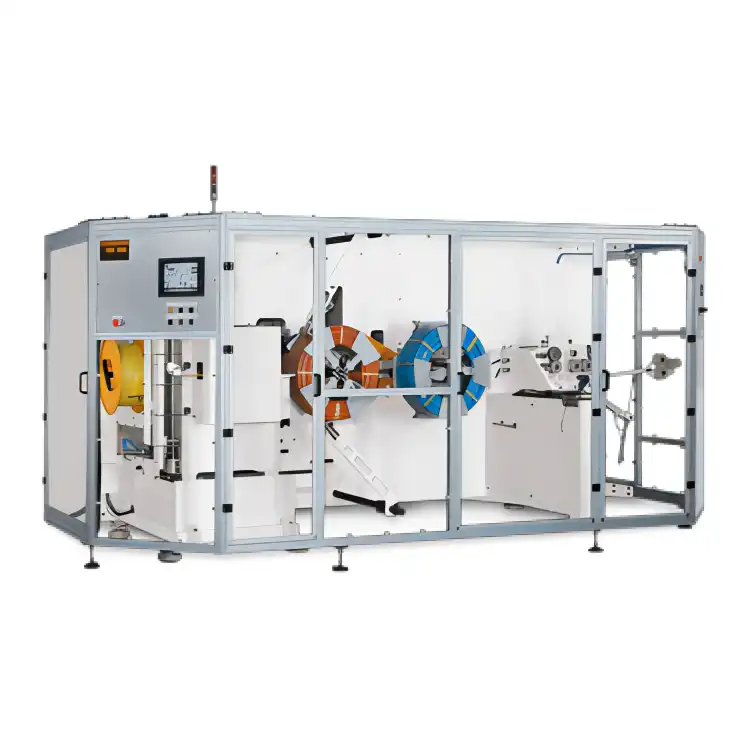
You need a solution that truly understands your operation. You need equipment that works hard and stays reliable. This is not just about buying a machine. It is about investing in a system that solves real problems. Let us look at how you can pick the perfect coil wrapper for your aluminum strips.
1. Why Are Your Current Aluminum Strip Packing Methods Costing You More Than You Think?
Are your current packing methods for aluminum strips causing more headaches than they are worth? Many factories, especially those in fast-paced industrial environments, often overlook the hidden costs of inefficient or outdated packing processes. These issues range from slow production to serious safety risks. They can quietly erode your factory’s bottom line.
Your current aluminum strip packing methods are likely costing you more through slow efficiency, high labor costs, product damage, and serious safety risks. Manual processes are bottlenecks. They slow down your whole production. They also put workers at risk of injury from heavy loads. Damaged coils lead to customer complaints and lost profits. Ignoring these problems means losing money and trust.
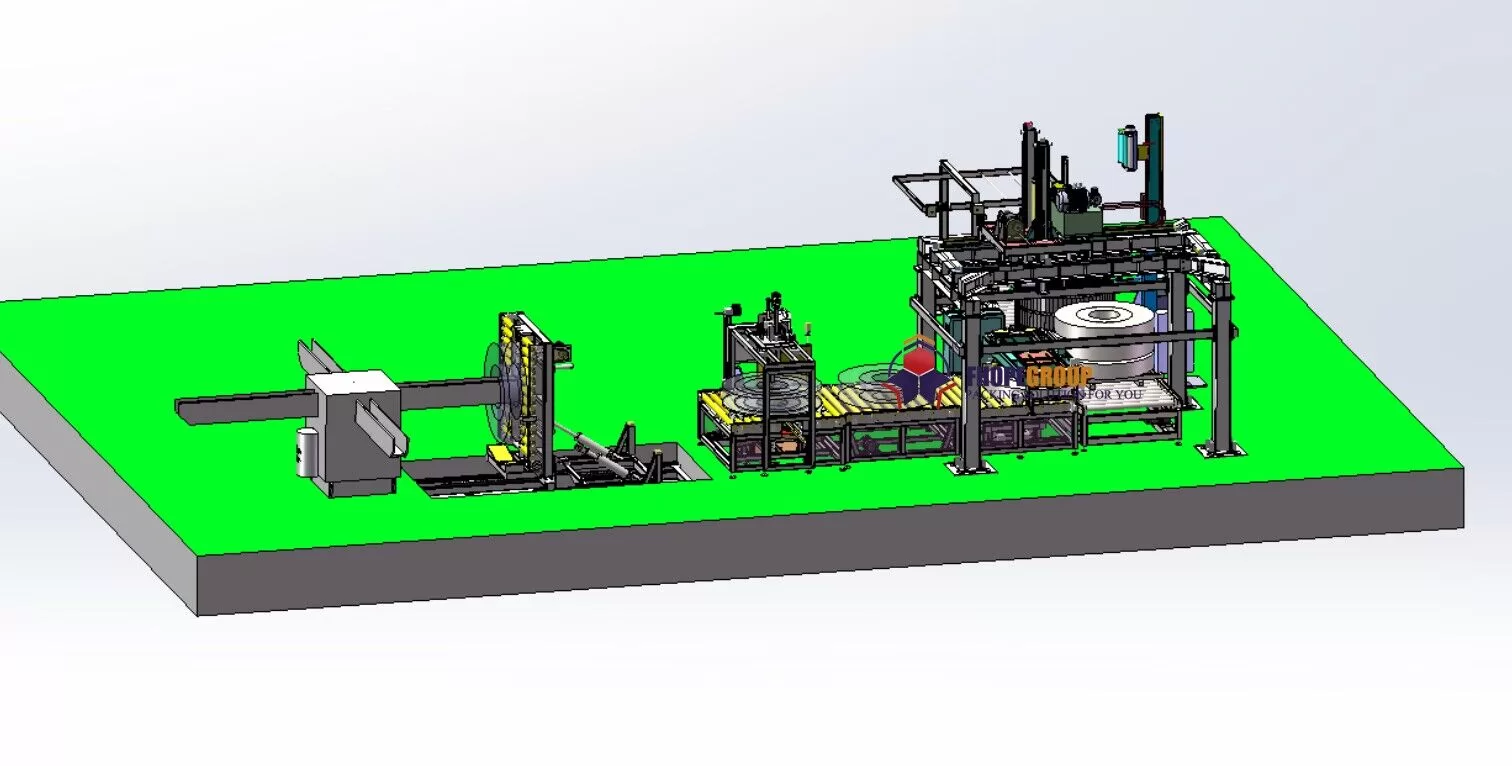
I have walked many factory floors. I have seen firsthand how manual coil and wire packing slows things down. This is not just about speed. It also affects the entire flow of your factory. It impacts delivery times and customer satisfaction. When you deal with heavy items like aluminum coils, manual handling is a major risk. Workers face high injury rates. This leads to higher insurance costs and losing skilled employees. I built my own factory. I know that downtime means huge losses. You need durable equipment that can handle tough factory conditions. Let us look deeper into these hidden costs.
A. The Hidden Price of Manual Packing Bottlenecks
Manual packing is often the slowest part of a production line. It creates a bottleneck. This means your high-speed slitting or forming machines might be waiting for the packing team to catch up.
- Lost Production Time: Each minute your line is waiting for packing is a minute of lost output. This directly affects your daily production goals.
- Increased Overtime: To meet deadlines, workers might need to work extra hours. This drives up labor costs significantly.
- Inconsistent Quality: Human error can lead to uneven wraps or poor protection. This puts your valuable aluminum strips at risk.
B. The Real Cost of Workplace Injuries
Handling heavy, sometimes awkward, aluminum coils by hand is dangerous. Accidents can happen. Workers can get injured. This has far-reaching effects on your business.
- Direct Costs:
- 🚑 Medical bills for injured workers.
- ⚖️ Workers’ compensation claims.
- 💰 Higher insurance premiums.
- Indirect Costs:
- 📉 Lost productivity from injured workers.
- 🔄 Training new employees to replace those who leave.
- morale Lower team morale due to safety concerns.
- 🚨 Potential fines from safety regulators.








