
How Greece Engineers Are Applying Coil Wrapping Machines to Improve Wire and Rod Packing?
Manufacturing in the heavy industries can feel like a constant battle. You face pressures to increase output, control costs, and keep your team safe. If you run a factory dealing with steel wire or rod coils, you know the struggle is real. Old, manual packing methods often cause more problems than they solve. They slow things down, put your workers at risk, and can even damage your valuable products.
Many factory managers, including those in places like Greece, are finding that the old ways of packing wire and rod coils are no longer enough. Coil wrapping machines offer a powerful solution. They automate the packing process, protect products from damage, and significantly boost safety for workers. These machines deliver faster packing speeds and more consistent results, helping factories meet modern production demands.
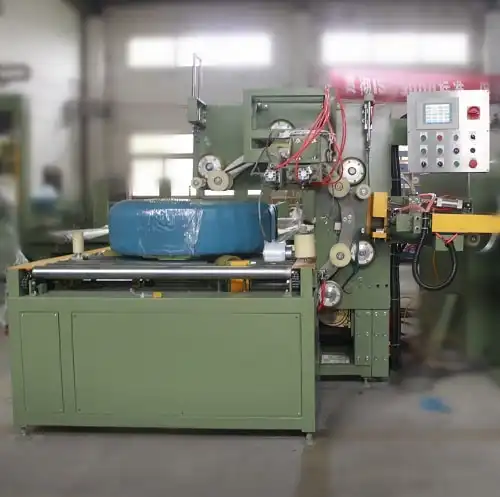
This is a story I know well from my own journey. I started on the factory floor, just like many of you. I saw the challenges firsthand. Now, I dedicate my time to sharing insights on how to overcome these hurdles. If you are looking for real solutions to transform your packing operations, keep reading. We will explore how modern coil wrapping technology can change your business.
1. Are Manual Wire and Rod Packing Methods Still Holding Factories Back?
Imagine running a busy metal processing plant. You have deadlines to meet and clients waiting. Then, you see your packing line, full of workers manually handling heavy coils. This scene is too common in many factories, and it creates big problems. It makes me think of the early days of my packing machine factory. We had similar issues.
Yes, manual wire and rod packing methods are still holding many factories back. They often lead to slow production speeds, higher labor costs, and significant safety risks for workers. This outdated approach creates bottlenecks at the end of the production line, preventing companies from maximizing their output and efficiency.
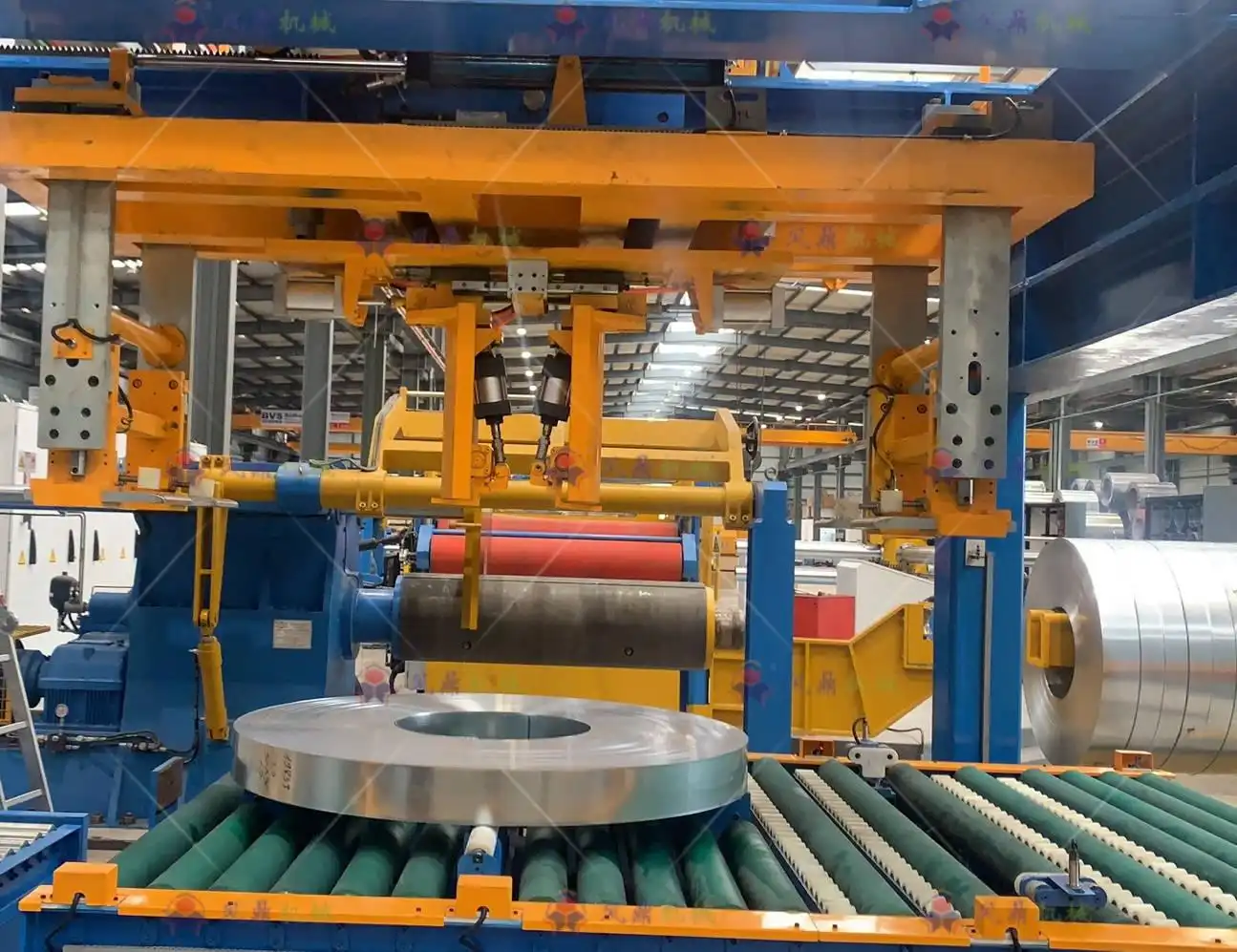
Let me explain this further. When I talk to factory managers, like Michael Chen in Mexico, their experiences often mirror what I saw and overcame myself. Michael oversees a medium to large-sized metal processing plant. He knows the pressure of getting raw materials in and finished products out efficiently. He values reliable equipment. He needs a partner who understands his production bottlenecks, safety issues, and efficiency problems. This is exactly where manual methods fail.
Manual packing creates several critical issues:
⚙️ Efficiency Bottlenecks:
- Slow Speed: Human hands cannot match machine speed. Each coil takes a long time to pack. This makes the whole production line slow down.
- Inconsistent Quality: Manual work can vary. Some coils are packed well. Others are not. This leads to uneven product protection.
- High Labor Costs: You need many workers to pack coils by hand. This increases your operational costs. It also diverts labor from other tasks.
- Impact on Delivery: Slow packing means delayed shipments. This can upset customers and hurt your reputation. Michael, for instance, needs faster delivery times for his clients.
⚠️ Safety Hazards:
- Heavy Lifting: Wire and rod coils are very heavy. Workers have to lift, move, and flip them. This causes back injuries and other physical strain.
- Repetitive Motion Injuries: Packing involves many repeated movements. These can lead to long-term health problems for employees.
- Accidents: Dropping coils or getting caught in machinery are real dangers. These accidents are severe. They lead to medical costs and lost workdays.
- High Insurance Costs: More injuries mean higher insurance premiums for the company. This eats into profits. Michael faces this exact challenge.
💰 Product Loss and Quality Issues:
- Damage During Handling: During manual transport and packing, product edges often get scratched or bent. This is a common problem.
- Customer Complaints: Damaged products lead to unhappy customers. They complain. They might choose other suppliers.
- Profit Loss: Replacing damaged goods or offering discounts reduces your profit margins. Every damaged coil costs money.
- Inconsistent Packaging: Manual methods cannot ensure a tight, uniform wrap every time. This leaves products vulnerable to elements like dust or moisture during transit or storage.
These problems are not unique to one region. They are global. Greek engineers, like their counterparts everywhere, are looking for better ways. They want to move past these limitations. They need solutions that truly work. I believe that understanding these core problems is the first step toward finding a powerful solution.
2. How Does a Coil Wrapping Machine Boost Efficiency in Wire and Rod Operations?
Many factory managers I speak with are always looking for ways to get more done with less. They want to streamline their processes. They need their production lines to run smoothly, from start to finish. This is especially true for the packing stage. If packing is slow, everything else slows down too.
A coil wrapping machine significantly boosts efficiency in wire and rod operations by automating the packing process. It provides faster wrapping speeds, ensures consistent package quality, and reduces the need for manual labor. This automation eliminates bottlenecks, allowing for a higher throughput and a more predictable packing schedule, directly increasing overall productivity.
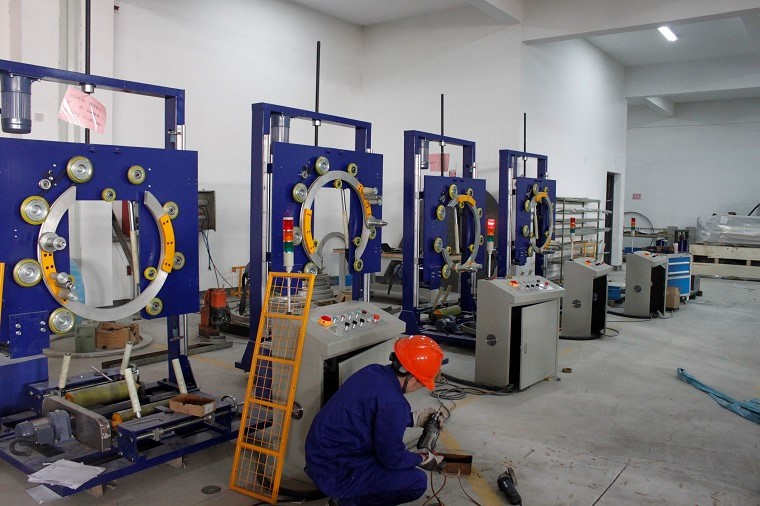
When I was building my own packing machine factory, I learned that efficiency is key to growth. It is not just about making more products. It is about making them efficiently and cost-effectively. Michael Chen’s challenge of “efficiency bottlenecks” with manual packing resonated deeply with me because I faced similar struggles. He needs automation to solve his end-of-line issues. Coil wrapping machines are the answer.
Here is how these machines achieve dramatic efficiency gains:
✅ Faster Packing Cycles:
- High-Speed Wrapping: Coil wrapping machines work much faster than humans. They can wrap a coil in minutes, sometimes even seconds. This rapid speed keeps the production line moving. It avoids delays.
- Continuous Operation: Machines can run for long periods without breaks. They do not get tired. This means consistent output throughout the shift.
- Reduced Waiting Times: Coils move from production to packing without long waits. This improves the flow of goods through the factory.
✅ Optimized Labor Utilization:
- Fewer Workers Needed: You need only one or two operators to manage a coil wrapping machine. This frees up other workers. They can do other tasks. This helps reduce labor costs.
- Focus on Skilled Tasks: Remaining staff can focus on quality control or machine maintenance. These are more skilled jobs. They add more value.
- Streamlined Workforce: A smaller, more focused team means better communication and coordination.
✅ Consistent and Reliable Output:
- Uniform Wrapping: Machines apply tension and overlap uniformly. This creates a tight, secure, and professional-looking package every time. There is no guessing.
- Reduced Rework: Because of consistent quality, you have fewer re-wraps or rejected packages. This saves time and materials.
- Predictable Performance: You know how many coils the machine can pack per hour or day. This helps with production planning and scheduling. It gives Michael the predictability he needs.
✅ Integration with Production Lines:
- Seamless Flow: Coil wrapping machines can easily integrate into existing production lines. They can be placed right at the end of the manufacturing process.
- Automated Loading/Unloading: Many models offer automated systems for loading and unloading coils. This further reduces manual intervention. It makes the whole process smoother.
- Data and Monitoring: Modern machines often come with features to monitor performance. You can track wrapping speed and material use. This data helps optimize operations even more.
The shift from manual to automated coil wrapping is not just an upgrade. It is a transformation. It takes a bottleneck and turns it into a high-speed, high-efficiency part of the production line. This is the kind of solution that truly drives business growth. It is what helped my factory become successful. And it is what helps my clients, like Michael, grow theirs.
3. Can Coil Wrapping Machines Truly Make Wire and Rod Packing Safer?
Safety is non-negotiable in any factory, especially in heavy industries. When I started FHOPEPACK, worker safety was always a top concern. I saw how dangerous manual handling of heavy coils could be. Factories often face high injury rates, which leads to huge costs and a constant struggle to keep good employees. Michael Chen, the factory manager, specifically highlighted “safety hazards” as a major challenge. He wants solutions that “maximize the reduction of manual heavy lifting.”
Yes, coil wrapping machines can truly make wire and rod packing much safer by drastically reducing or eliminating the need for manual handling of heavy and awkward coils. They replace risky human effort with automated processes, minimizing the potential for musculoskeletal injuries, crush injuries, and other workplace accidents associated with heavy lifting and repetitive tasks.
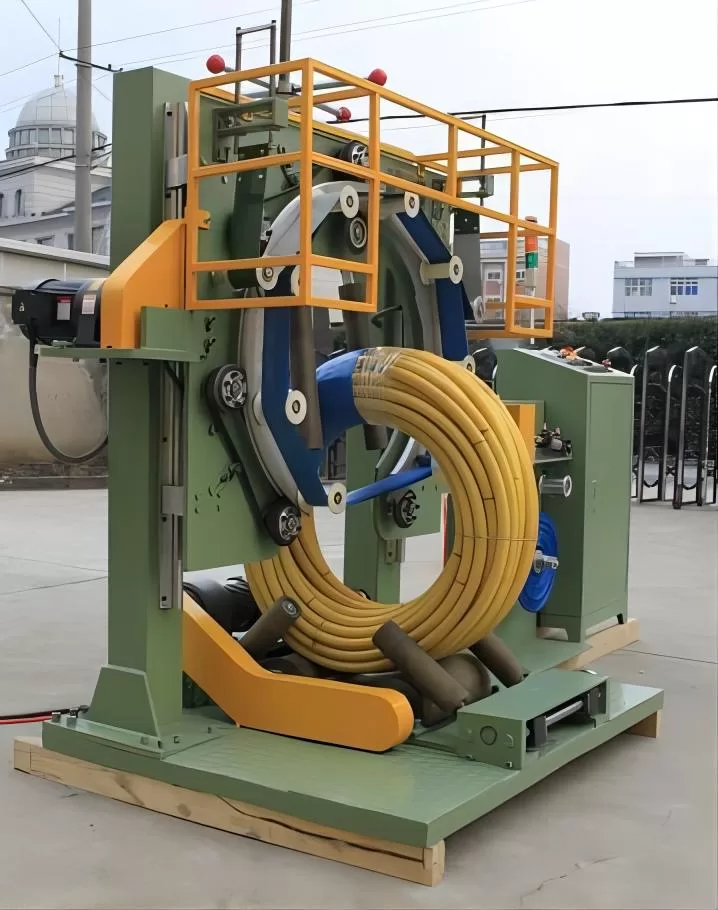
My experience taught me that investing in safety is not just about compliance. It is about protecting your most valuable asset: your people. It also makes good business sense. Fewer injuries mean lower insurance costs, less downtime, and a more stable workforce. Here is how coil wrapping machines achieve this critical safety improvement:
👷♂️ Reducing Manual Handling: The Core of Safety
- Automated Loading and Unloading: Operators do not need to lift coils by hand. Machines often have conveyor systems or other mechanisms that move coils into and out of the wrapping station. This is a huge step forward for safety.
- No Heavy Lifting: Workers do not strain their backs or bodies. The machine does the heavy work. This prevents a wide range of common industrial injuries.
- Minimizing Human-Machine Interaction: With automated systems, workers spend less time in close proximity to moving parts and heavy materials. This lowers the risk of accidents.
🛡️ Preventing Injury Types:
- Musculoskeletal Injuries (MSIs): These are common in manual packing. Repetitive movements, awkward postures, and heavy lifting cause MSIs. Coil wrappers remove these risk factors.
- Crush Injuries: Manual handling of large, heavy coils carries a risk of crush injuries if a coil slips or is dropped. Machines handle coils securely, greatly reducing this risk.
- Cuts and Abrasions: Sharp edges on wire or rod coils can cause cuts during manual packing. Automated systems minimize direct contact with the product.
📉 Lowering Costs and Improving Workplace Morale:
- Reduced Workers’ Compensation Claims: Fewer injuries mean fewer claims. This directly saves the company money on insurance premiums.
- Less Employee Turnover: A safer workplace makes employees feel valued. They are more likely to stay with the company. This reduces hiring and training costs.
- Improved Morale: When workers feel safe, they are more productive and happier. A positive work environment benefits everyone.
- Compliance with Safety Regulations: Automated equipment helps companies meet strict safety standards. This avoids fines and legal issues.
| Safety Aspect | Manual Packing Risks | Coil Wrapping Machine Benefits |
|---|---|---|
| Heavy Lifting | High risk of back injuries, strains | Eliminates manual heavy lifting; automated handling |
| Repetitive Motion | Leads to chronic pain, carpal tunnel syndrome | Machine performs repetitive tasks; less human strain |
| Product Handling | Risk of dropped coils, crush injuries, cuts | Secure, controlled machine handling |
| Worker Exposure | Close contact with moving parts and heavy objects | Reduced human-machine interaction; remote operation |
| Workplace Morale | Low morale due to dangerous work, high turnover | Improved morale, lower turnover |
| Costs | High insurance, medical, and lost productivity costs | Reduced claims, lower premiums, higher productivity |
For a manager like Michael, these safety improvements are not just “nice to haves.” They are essential for running a sustainable, ethical, and profitable operation. I know from my own experience that a safe factory is a successful factory. This is why I always recommend considering the safety benefits of automation as a primary driver for investment.
4. What Hidden Costs Do Old Packing Methods Have, and How Do New Machines Help?
When you look at your factory’s budget, some costs are obvious: raw materials, labor, electricity. But often, the biggest drains on your profit come from “hidden costs.” These are the expenses you might not track directly but slowly eat away at your bottom line. Old, manual packing methods are full of these hidden costs. I’ve seen them cripple businesses, and Michael Chen’s concerns about “product loss” and “reducing costs” clearly show he’s aware of them.
Old packing methods have many hidden costs, including product damage, high labor turnover, and increased insurance premiums due to safety incidents. New coil wrapping machines help by directly reducing these costs through improved product protection, fewer injuries, and more efficient labor use. They offer a clear return on investment (ROI) by minimizing waste and maximizing productivity.
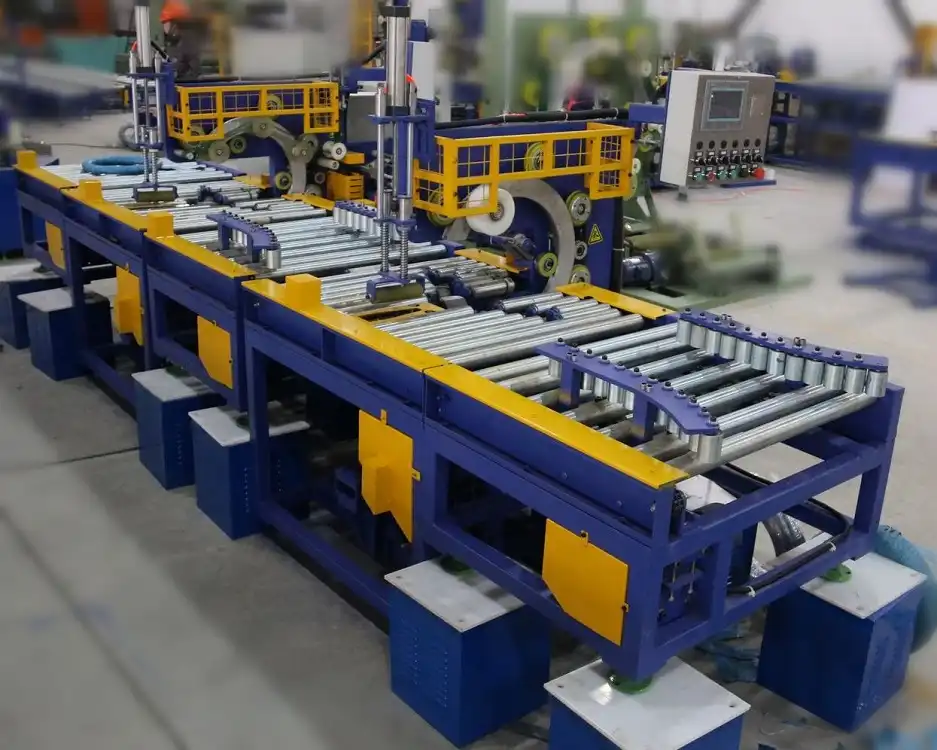
My journey in the packing machine industry taught me to look beyond the surface. I learned to identify inefficiencies and translate them into real monetary losses. Then, I found solutions that turn those losses into gains. This approach helped me achieve financial independence and helped my clients grow. Here are the hidden costs of old methods and how new machines help:
💸 Hidden Costs of Manual Packing:
- Product Damage:
- Direct Loss: Each damaged coil cannot be sold at full price, or must be reworked. This is a direct loss of revenue.
- Scrap Material: Severely damaged coils become scrap. This wastes valuable raw materials.
- Customer Dissatisfaction: Damaged goods lead to complaints. This damages your brand’s reputation and can cause customers to leave. Michael mentioned “customer complaints and profit loss” due to product damage.
- Inefficient Labor:
- Overtime Pay: Manual processes often require overtime to meet deadlines. This significantly increases labor costs.
- Recruitment and Training: High employee turnover (due to safety risks or dissatisfaction) means constant costs for hiring and training new workers.
- Lost Productivity: Manual labor is simply slower. This means fewer coils packed per hour, leading to lost production capacity.
- Safety-Related Expenses:
- Increased Insurance Premiums: More workplace injuries lead to higher insurance costs for the company.
- Medical Costs: Even with insurance, there are often out-of-pocket medical expenses for injuries.
- Lost Workdays: Injured employees cannot work. This reduces productivity and might require hiring temporary staff.
- Legal Fees: Serious accidents can lead to legal challenges and fines.








