
How Coil Wrapping Machines in Greece Reduce Damage Risks for Copper and Aluminum Coils?
Have you ever worried about your valuable copper and aluminum coils getting damaged? This is a common problem for many factory managers, especially in places like Greece, where production demands are high. I have seen firsthand how much product loss can occur, and it truly impacts a company’s bottom line. It is not just about the lost material. It is also about unhappy customers and wasted time.
Coil wrapping machines help factories in Greece greatly reduce damage risks for copper and aluminum coils by providing a consistent, secure, and protective layer around them. These machines automate a process often done by hand, which cuts down on human error and prevents dents, scratches, and abrasions during transport and storage. This means fewer damaged products and happier clients.
When you run a factory, every detail matters. Keeping your products safe is one of the biggest challenges. You might wonder how a machine can truly make a difference in such a crucial area. Let me share some insights from my years in the packing machine industry. We will look at how modern wrapping technology offers solutions that go beyond what manual methods can provide.
1. Why Manual Coil Packing Puts Your Profits and People at Risk in Greece?
Do you still rely on manual methods to pack your copper and aluminum coils? If so, you might be facing more problems than you realize. I have seen many factories struggle with this issue. The costs add up quickly. It is not just about slow work; it is about real risks to your products and your team.
Manual coil packing in Greece often leads to significant risks for both factory profits and worker safety. Workers have to lift and move heavy coils, which can cause injuries. Also, human hands cannot always wrap coils with consistent tension or coverage. This leaves valuable copper and aluminum coils open to damage from bumps, scrapes, and environmental factors during shipping or storage.
From my experience, the challenges of manual packing are clear. I remember a time when our factory also faced these issues. The problems were not just small inconveniences. They were serious obstacles to growth and efficiency. Here is a closer look at these challenges:
The Real Cost of Manual Labor in Coil Packing 💸
When people pack coils by hand, it takes a lot of time and effort. This increases labor costs. In Greece, like anywhere else, labor is a significant expense. Think about the following points:
- Slow Speed: Manual packing is much slower than machines. This can create bottlenecks at the end of your production line. It slows down how fast you can get products out the door.
- Inconsistent Quality: No two people pack coils exactly the same way. Some wraps might be too loose, others too tight. This leads to uneven protection. Loose wraps mean the coil is not fully secured. Tight wraps can sometimes even cause damage.
- High Labor Costs: You need many workers to keep up with demand. This means higher wages, benefits, and training costs. These costs eat into your profits.
- Employee Turnover: Repetitive and physically demanding work can lead to low job satisfaction. Workers might leave, which means more money spent on hiring and training new staff.
Safety Hazards for Workers ⛑️
Heavy coils are dangerous to handle. When workers lift, move, or wrap these coils by hand, the risk of injury is very high. I have always prioritized worker safety in my factories. It is not just good for people; it is good for business.
Consider these safety concerns:
- Musculoskeletal Injuries: Lifting heavy items causes back problems, sprains, and strains. These injuries are common in manual coil packing.
- Crushing Injuries: If a coil shifts or falls during manual handling, it can cause severe crushing injuries. This is a very serious risk.
- Fatigue: Long hours of physical work lead to fatigue. Tired workers are more likely to make mistakes or get hurt.
- Increased Insurance Costs: More injuries mean higher workers’ compensation claims and increased insurance premiums for your factory.
Product Damage and Customer Complaints 📉
This is a big one. Even small damage to a coil can make it unusable or reduce its value. Copper and aluminum coils are expensive. Any damage is a direct loss.
Here are common ways products get damaged with manual packing:
- Scratches and Dents: During handling and wrapping, coils can easily bump against other objects or the floor. This leads to cosmetic damage that buyers do not want.
- Edge Damage: The edges of coils are very vulnerable. Manual methods often do not protect them well. Damaged edges can affect the coil’s integrity or its use in later processes.
- Moisture and Dust Exposure: If the wrapping is not tight or complete, moisture, dust, or other contaminants can reach the coil surface. This causes corrosion or surface defects.
- Customer Returns: When customers receive damaged coils, they will often return them. This means more shipping costs, rework, or even lost sales. It hurts your reputation.
Manual packing might seem like a way to save money upfront. But when you look at the total cost, including injuries, lost products, and unhappy customers, it becomes very clear that it is an expensive choice. This is where automation, like coil wrapping machines, steps in to offer a much better path forward.
2. How Do Coil Wrapping Machines Precisely Protect Copper and Aluminum Coils?
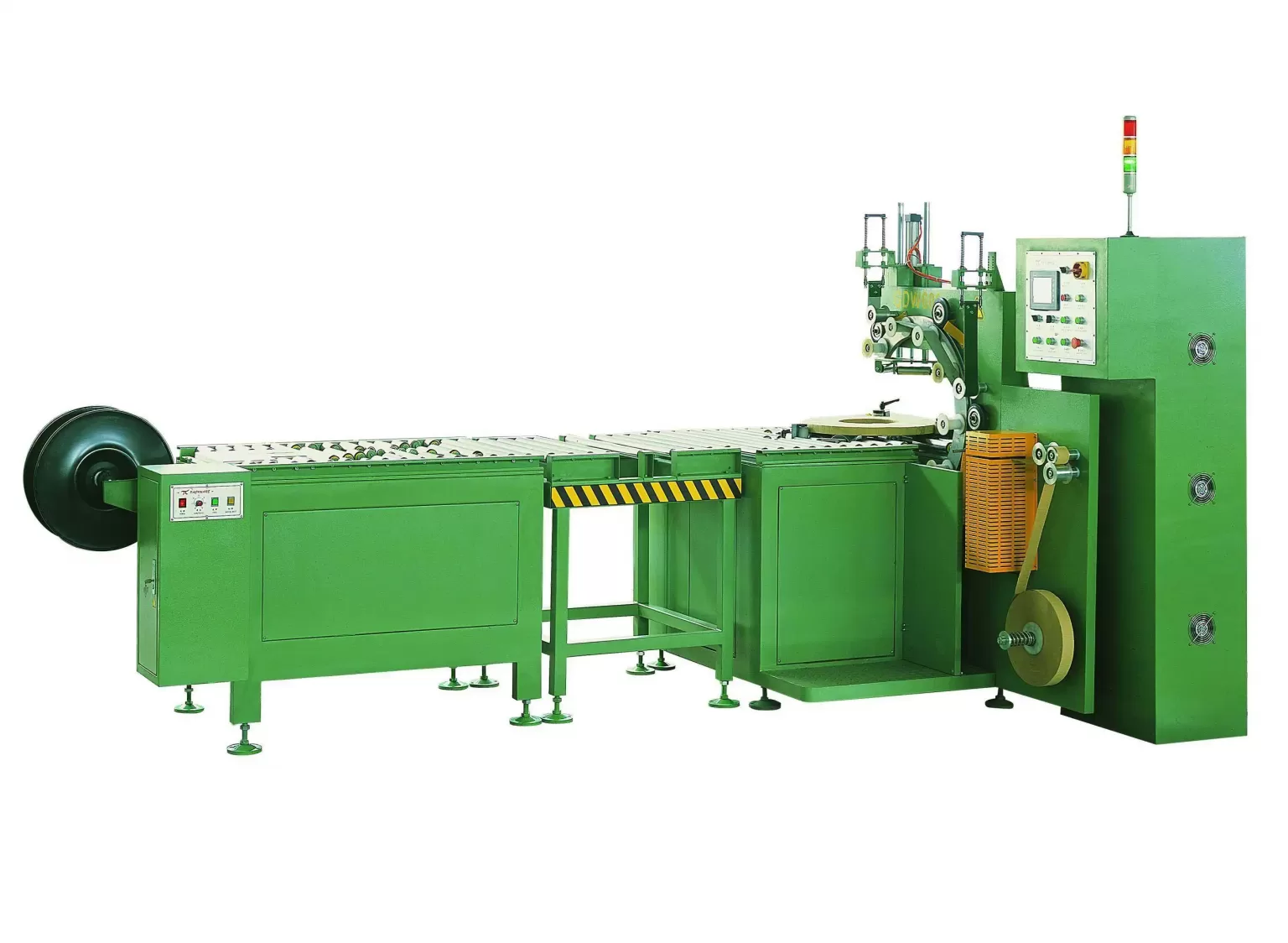
You have seen the problems that come with manual packing. Now, let’s talk about the solution. Coil wrapping machines are not just about speed. They are about precision and protection. These machines are designed to keep your valuable copper and aluminum coils safe.
Coil wrapping machines precisely protect copper and aluminum coils by applying a tight, uniform, and consistent stretch film or other packing material around the coil. This process creates a secure barrier that shields the coil from external elements. It also prevents physical damage during handling, storage, and transport. The machine controls tension and overlap, ensuring every part of the coil receives optimal protection, especially vulnerable edges.
When I first started in this industry, I saw how much effort went into trying to protect products. It was a constant battle. But with the right machinery, that battle becomes much easier to win. Here is how coil wrapping machines achieve this high level of protection:
Automatic and Consistent Wrapping ⚙️
The core benefit of these machines is their ability to wrap coils perfectly, every time. This consistency is something manual labor cannot match.
Here’s what that means for your coils:
- Uniform Tension: The machine applies the wrapping material with an even tension. This ensures the wrap is tight enough to hold the coil securely without being too tight to cause damage. It also prevents the wrap from loosening during transit.
- Full Coverage: Machines can achieve a consistent overlap of the wrapping material. This means no gaps are left open for dust, moisture, or impacts to reach the coil. It covers every surface, including the inner and outer diameters, and the edges.
- Controlled Overlap: You can set the exact amount of overlap for each layer of film. This precision guarantees optimal protection without wasting material. It creates a strong, multi-layered barrier.
- Material Efficiency: By controlling the tension and overlap, machines use just the right amount of film. This reduces material waste compared to manual wrapping, where operators might use too much or too little.
Enhanced Physical Protection 🛡️
The tight, consistent wrap acts like a shield. This shield protects your copper and aluminum coils from many types of physical damage.
Think about these protective features:
- Impact Resistance: The multiple layers of stretch film or other wrapping materials cushion the coil. This helps absorb shocks and impacts during handling, loading, and unloading.
- Abrasion Prevention: The wrap creates a smooth outer surface. This stops the coil surface from rubbing against other coils or transport surfaces. This prevents scratches and scuffs.
- Edge Protection: Coil wrapping machines can use specific methods or attachments to give extra protection to coil edges. These are often the most fragile parts. A well-wrapped edge is less likely to get bent or damaged.
- Secured Against Shifting: The tight wrap holds the coil’s layers firmly together. This prevents the individual turns of the coil from shifting or telescoping. This is crucial for maintaining the coil’s integrity.
Environmental Barrier ☔
Beyond physical impacts, coils also need protection from the environment. Moisture and dust can cause serious problems for sensitive materials like copper and aluminum.
Here’s how wrapping machines create an effective barrier:
- Moisture Protection: The tightly sealed wrap prevents water, humidity, and condensation from reaching the coil surface. This is vital to stop corrosion and oxidation, which can degrade the metal.
- Dust and Dirt Shield: Factories can be dusty places. During storage and transport, dust and dirt can settle on unwrapped coils. The machine-applied wrap keeps these contaminants away from the product.
- UV Resistance (with specific films): Some wrapping films offer UV protection. This means they can shield the coils from sunlight, which can be important for long-term outdoor storage or transport.
- Clean Presentation: A perfectly wrapped coil looks professional and clean. This gives customers confidence in the quality of the product inside.
Coil wrapping machines are a smart investment for any factory dealing with copper and aluminum coils. They give peace of mind that your products are well-protected. This ensures they arrive at their destination in perfect condition. It is a key step in modernizing your packing operations.
3. What Real-World Savings and Safety Improvements Can Greek Factories Expect?
We have talked about the problems with manual packing and how machines offer better protection. But what does this mean for your factory’s bottom line? As someone who has built and run successful factories, I know that every investment must show clear returns. Greek factories, like any others, need to see tangible benefits.
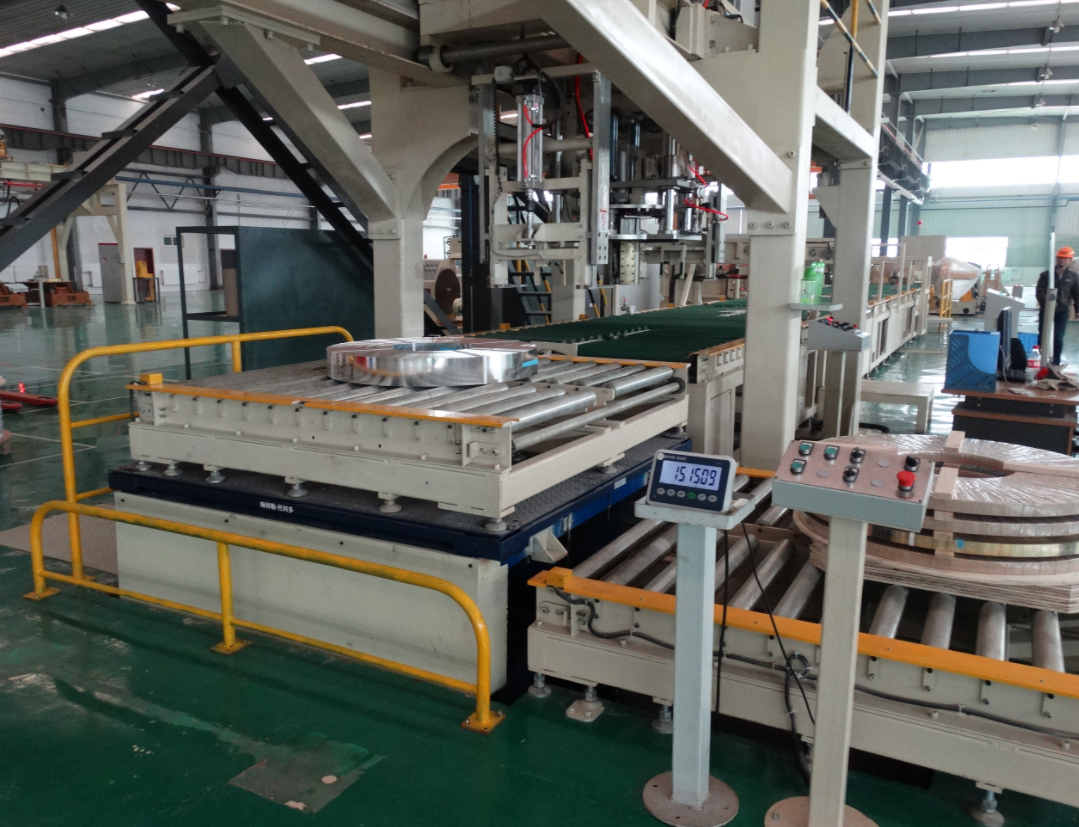
Greek factories that invest in coil wrapping machines can expect significant real-world savings and safety improvements. They will see lower labor costs due to automation, reduced material waste from precise wrapping, and fewer product damages leading to less scrap and customer returns. Safety will improve drastically by minimizing manual handling of heavy coils, cutting down on worker injuries and associated costs like insurance and lost time.
For me, success was always about smart decisions that improved efficiency and safety. When I decided to automate, I looked for clear advantages. Coil wrapping machines offer exactly that. Let me break down the specific benefits you can expect.
Lower Operating Costs and Higher Efficiency 💰
Automating your coil packing process directly translates to cost savings and a more efficient operation. This helps your factory compete better.
Here is how these savings add up:
- Reduced Labor Expenses:
- One machine can do the work of several people. This means you need fewer employees for packing tasks.
- Fewer workers on the packing line lower your payroll and related benefits.
- Example: If a manual line needs 3 workers per shift, an automated machine might only need 1 operator. Over a year, this saves a lot of money.
- Optimized Material Usage:
- Coil wrapping machines apply film with exact tension and overlap. This means you use less wrapping material compared to manual methods where waste is common.
- Table: Film Usage Comparison








