
Which Pallet Inverter Type Offers Better Accuracy for FMCG Labeling Workflows?
You manage a busy warehouse. Every day, you face tight deadlines, labor shortages, and the constant pressure to move goods without mistakes. When it comes to FMCG (Fast-Moving Consumer Goods), even small errors can cost a lot. Delays in labeling, misaligned products, or damaged goods during pallet transfers directly hurt your bottom line and customer trust. You need solutions that work, reliably, every single time.
For optimal accuracy in FMCG labeling workflows, pallet inverters that offer complete load stability and precise control throughout the inversion cycle, such as 180-degree fixed models or certain side-clamp designs, generally perform better. These types minimize load shifting and maintain product integrity, which is crucial for automated labeling systems and compliance in high-volume environments.
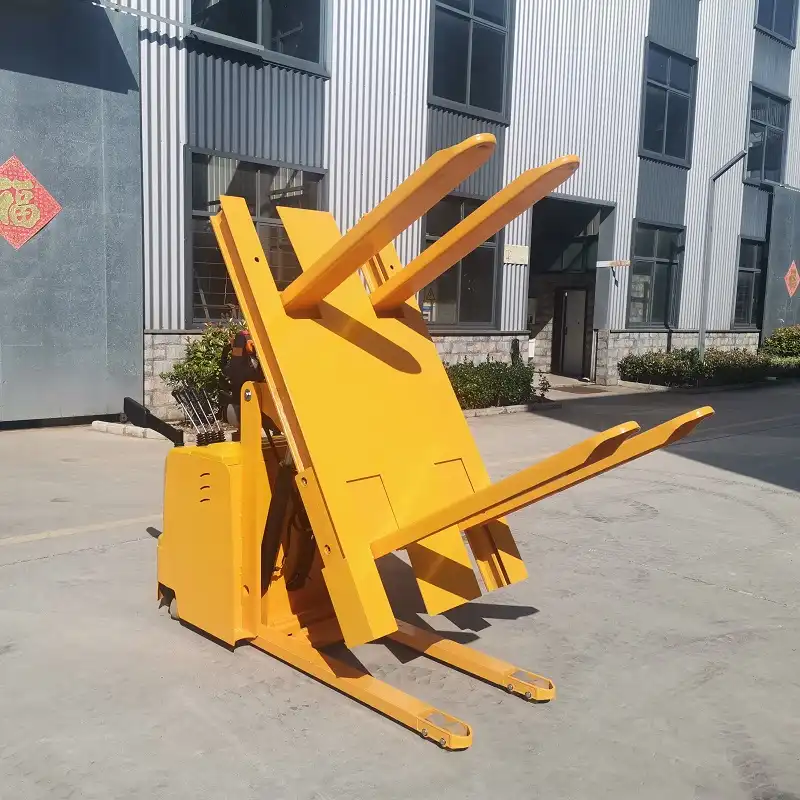
If you are dealing with thousands of pallets daily, often needing to switch between Euro and US specifications, you know how critical precision is. This is not just about moving boxes. This is about maintaining product quality, ensuring regulatory compliance, and keeping your supply chain running smoothly. Let’s dive deeper into how different pallet inverter types impact the accuracy you need for FMCG labeling.
Why Does “Accuracy” in a Pallet Inverter Matter So Much for My FMCG Operations?
Imagine your warehouse floor. Pallets are coming in, going out. You are dealing with diverse products, all needing perfect labels. A single misplaced label or damaged package can halt production. This means penalties, lost sales, and unhappy customers. If your pallet inverter causes goods to shift or become unstable, your automated labeling lines will struggle. This directly impacts your efficiency and your company’s reputation.
Accuracy in a pallet inverter for FMCG operations means the ability to handle and transfer a palletized load without any shifting, damage, or misalignment of the products. This precision ensures that items remain perfectly stacked and oriented. This is vital for subsequent automated processes like labeling, scanning, and further packaging, preventing errors and maintaining operational flow.
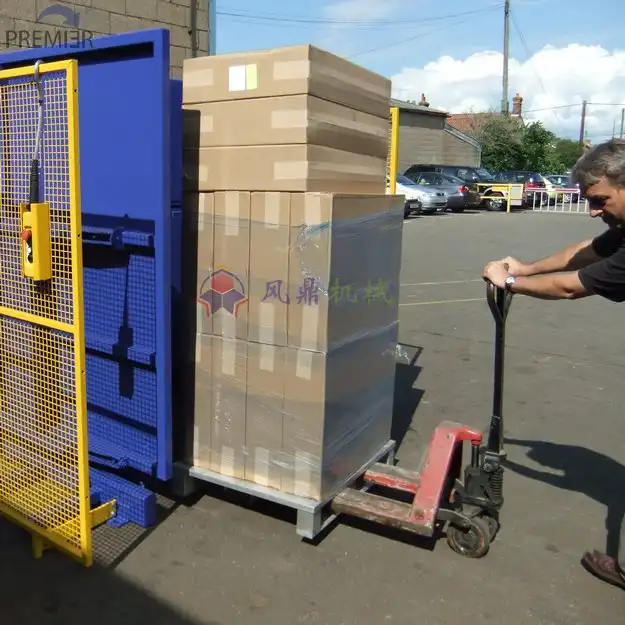
When I started my journey in the packing machine industry, I saw many operators struggling. They were dealing with equipment that just wasn’t precise enough for the job. They tried to manually correct things, but this introduced delays and safety risks. For FMCG, where speed and consistency are everything, you cannot afford these setbacks. Accuracy goes beyond simply flipping a pallet. It is about protecting your product, your people, and your profits. Let’s explore this further.
-
The Ripple Effect of Pallet Inverter Inaccuracy
- Labeling Errors: If products on a pallet shift, labels might be applied incorrectly. This can mean applying a label to the wrong product. It can also mean applying a label crookedly or not at all. Automated labelers expect a consistent, stable surface. Any deviation causes problems. This leads to costly re-labeling or even rejection of entire shipments.
- Scanning Issues: Unstable loads can cause items to be out of position. This makes barcode scanning difficult or impossible. If scanners cannot read the product information quickly, your entire flow slows down. This impacts inventory tracking and dispatch times.
- Product Damage: An imprecise pallet inverter might exert uneven pressure or allow products to shift too much during the transfer. This can lead to crushed boxes, dented cans, or broken packaging. For FMCG, product integrity is key. Damaged goods are unsellable. This means direct financial loss.
- Safety Hazards: Unstable pallets are a major safety risk in a warehouse. If a load shifts unexpectedly, items can fall. This can injure workers or damage other equipment. Automated systems reduce human interaction. But if the initial pallet handling is poor, it creates new risks.
- Compliance Problems: Many FMCG products have strict regulatory requirements for labeling and packaging. Inaccurate pallet transfers can compromise these standards. This can lead to fines, product recalls, and harm to your brand. For example, in Europe, compliance with specific pallet and labeling standards is non-negotiable for cross-border shipments. You need to meet these rules every time. My clients in the food and beverage sector, like Carlos’s company, always emphasize strict compliance. They know it prevents bigger problems later.
- Reduced Throughput: All these issues add up. Labeling errors, scanning problems, and product damage create bottlenecks. They force manual intervention and slow down your entire operation. In an FMCG environment, where every minute counts, this directly impacts your ability to meet customer demands. You need to process thousands of pallets quickly. Any delay means lost opportunity.
- Increased Labor Costs: If your machine is inaccurate, workers must step in to correct problems. They might restack goods or manually apply labels. This takes time away from other tasks. It also increases your labor expenses. This defeats the purpose of automation. It also adds to the strain on your workforce. This is especially true when labor is already tight.
-
The Value of Consistency in FMCG
- FMCG relies on high-volume, low-margin sales. This means efficiency is everything. Every process step must be consistent. From production to delivery, consistency prevents waste and maximizes output. Pallet inverters are a crucial link in this chain.
- A highly accurate pallet inverter ensures that each transferred pallet arrives in the next stage in the exact same condition. This predictability is golden for automated systems. They can operate at their peak. They do not need to pause or adjust for inconsistencies. This means your labeling machines can run faster. Your scanning systems can work without interruption. Your entire line becomes more reliable.
- Consistency also builds trust. Your customers expect their products to arrive in perfect condition. They also expect them on time. Accurate pallet handling helps you deliver on these promises. It strengthens your business relationships. It helps you grow. This is what I always aimed for when helping my clients optimize their operations.
What Pallet Inverter Designs Truly Deliver Precision for Sensitive FMCG Loads?
Not all pallet inverters are created equal. Their design directly affects how accurately they handle your products. Some designs prioritize speed. Others prioritize a smaller footprint. For FMCG labeling, we need to focus on designs that prioritize stability and control throughout the entire pallet exchange process. Think about your products: delicate food items, beverages, or pharmaceuticals. They cannot withstand rough handling.
Pallet inverters designed with full 180-degree rotation capabilities, especially those with robust clamping mechanisms that secure the entire load, typically offer the highest precision for sensitive FMCG loads. Side-clamp models that hold the load firmly from two sides also provide excellent stability. These designs minimize movement and maintain product orientation, crucial for the integrity required in labeling workflows.
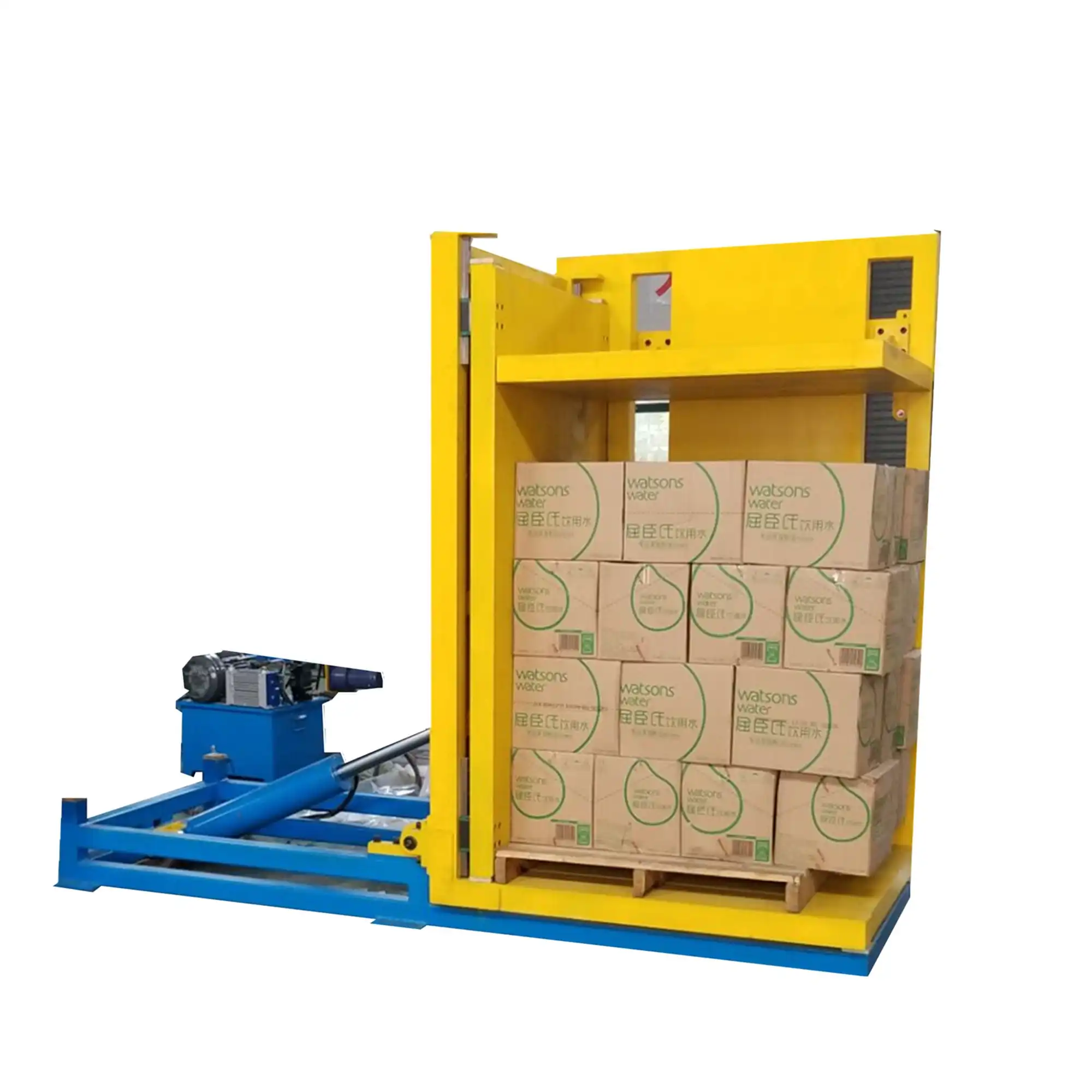
My experience building and observing these machines in action tells me that the way a machine grips and moves the load is paramount. If there is any opportunity for the load to shift or become unstable, it will. This is particularly true when you are working with thousands of pallets daily, under constant pressure.
-
Understanding Key Pallet Inverter Types and Their Accuracy Potential
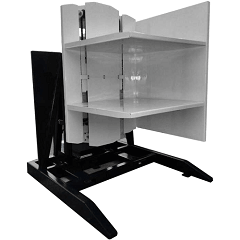
- 180-Degree Fixed Inverters (Stand-Alone):
- How they work: These machines clamp the load from top and bottom. Then, they rotate the entire load 180 degrees. They can be floor-level or pit-mounted. This allows for new pallets to be inserted and old ones removed easily.
- Accuracy: They offer very high accuracy. The load is completely secured between two plates. This prevents any shifting during the inversion. This stability is excellent for delicate or unstable FMCG products. It ensures items remain perfectly aligned for labeling.
- Best for: Operations where product integrity and high volume are critical. Often integrated into automated lines.
- Pros: Maximum load stability, minimal product shifting, highly reliable for consistent output.
- Cons: Higher initial investment, can require more floor space.
- 90-Degree Tip/Tilt Inverters (Pallet Exchangers):
- How they work: These machines tip the load 90 degrees onto its side. Then, they separate the old pallet from the product. A new pallet is then introduced.
- Accuracy: Moderate to good. The tipping action can introduce some minor shifting for very unstable loads. However, many models have side support or clamps to reduce this. The stability depends heavily on the load’s inherent stability and the machine’s specific design.
- Best for: Operations needing a compact solution. They are good for general pallet exchange where loads are relatively stable.
- Pros: More compact, often lower cost, versatile for various load types.
- Cons: Potential for minor load shifting, less precise for extremely delicate or loosely stacked items.
- Side-Clamp Inverters (Freestanding or Integrated):
- How they work: These machines grip the load from two sides with hydraulically operated clamps. Then, they rotate the load, often 180 degrees. The old pallet can be removed, and a new one inserted.
- Accuracy: Very high. By clamping the load from the sides, they secure it firmly. This prevents lateral movement. This design is excellent for products that might settle or compress vertically. It ensures uniform pressure across the load. This maintains product orientation throughout the transfer.
- Best for: High-value or fragile FMCG products. They are also good for loads where vertical compression needs to be managed.
- Pros: Excellent lateral stability, good for varying load heights, minimizes product damage.
- Cons: Can be slower than some 180-degree fixed models, careful setup is needed for optimal clamping pressure.
- Mobile Pallet Inverters/Changers:
- How they work: These are portable units. They allow the operator to move the inverter to the load. They usually employ a clamping and tilting or rotating mechanism.
- Accuracy: Varies greatly by model. While convenient for flexibility, their mobility can sometimes compromise absolute precision compared to fixed, integrated systems. They are typically used for lower volume or varied location needs.
- Best for: Situations needing flexibility, smaller operations, or specific batch processing.
- Pros: Flexible, can be moved to different areas of the warehouse.
- Cons: Generally lower throughput, potential for less consistent accuracy due to manual positioning. This makes them less ideal for high-volume, precise FMCG labeling lines.
- 180-Degree Fixed Inverters (Stand-Alone):
-
Key Design Elements for Maximizing Accuracy
- Robust Clamping Systems: The most crucial element. Strong, adjustable clamps that distribute pressure evenly across the load are vital. This prevents deformation or slipping of products. My clients often ask about adjustable clamp pressure to handle different packaging types, from cartons to bags.
- Smooth, Controlled Movement: The inverter should operate with a gentle, consistent motion. Jerky movements can cause load shifting. Advanced hydraulic or electric drive systems offer this precision.
- Load Sensing and Adjustment: Some advanced machines can sense the load’s weight and dimensions. They automatically adjust clamping pressure and rotation speed. This optimizes accuracy for diverse FMCG products.
- Integrated Conveyor Systems: For high-throughput FMCG lines, the best accuracy comes from seamless integration. An inverter that connects directly to infeed and outfeed conveyors minimizes manual handling. This reduces opportunities for misalignment before labeling. This is a common setup I recommend for factories needing maximum automation.
- Build Quality and Materials: A sturdy frame and high-quality components reduce vibration and wear. This ensures long-term accuracy and reliability. Cheaper machines might save money upfront. But they often lead to maintenance issues and reduced precision over time.
Beyond the Machine: How Can I Maximize My Pallet Inverter’s Accuracy in Real-World FMCG Use?
Choosing the right pallet inverter is only half the battle. To truly achieve superior accuracy for your FMCG labeling workflows, you need to consider the whole picture. This means looking at your operations, your staff, and how the machine fits into your existing setup. A top-tier machine can still underperform if it is not used correctly or integrated poorly. This is something I often discuss with my clients, like Carlos. They want reliable equipment, but they also need practical advice on getting the most out of it.
To maximize a pallet inverter’s accuracy in real-world FMCG use, you must focus on proper integration with existing lines, consistent load characteristics, thorough operator training, and a robust maintenance schedule. These operational factors ensure the machine performs at its best, consistently delivering precise pallet transfers critical for automated labeling and overall efficiency.
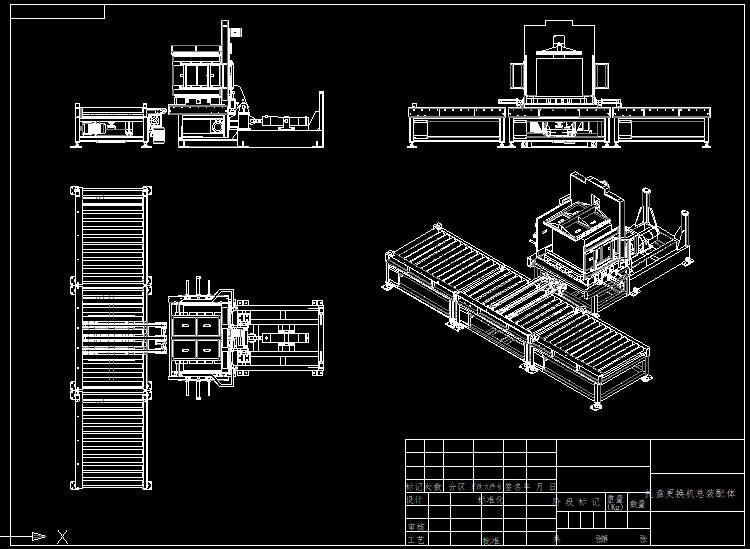
My years in the packing machine industry taught me that even the most advanced equipment needs smart application. It is about understanding the interaction between machine, material, and human element.
-
Integrating the Pallet Inverter into Your Workflow
- Seamless Conveyor Connection: For FMCG labeling, the inverter should integrate smoothly with your infeed and outfeed conveyor systems. This reduces manual handling steps. It ensures a consistent flow of pallets to your labeling machines. Any gaps or misalignments between the inverter and conveyors can cause new problems.
- Automated Pallet Dispensing: Consider integrating an automatic pallet dispenser for the new pallets. This ensures a consistent supply. It also reduces human intervention. This leads to faster, more consistent pallet changes.
- Layout Optimization: Plan your warehouse layout carefully. The inverter should be placed to minimize travel distances. It should also create a logical flow. This supports efficiency. It reduces the chance of human error during staging.
- Sensor and Control System Integration: Modern pallet inverters can connect to your warehouse management system (WMS). They can also connect to your production control system. This allows for real-time monitoring and data exchange. It helps maintain accuracy by identifying issues quickly. It allows for automated adjustments.
-
Managing Load Characteristics for Consistent Accuracy
- Consistent Stacking: The way products are stacked on the initial pallet greatly affects inverter accuracy. Irregularly stacked loads are prone to shifting. They can also get damaged during inversion. Establish clear guidelines for palletizing products before they reach the inverter.
- Appropriate Packaging: Ensure your product packaging can withstand the inversion process. Some packaging may be too fragile. It might require specific inverter settings or even a different inverter type. Discuss your packaging with your supplier.
- Unit Load Stability: If individual product units are unstable, consider using stretch wrap or strapping before inversion. This adds an extra layer of stability. It helps maintain the load’s integrity. This is especially true for items like bottled beverages.
- Weight Distribution: Uneven weight distribution on a pallet can cause problems. It can stress the inverter. It can also lead to unbalanced rotation. Try to standardize weight distribution where possible. This improves machine performance and longevity.
-
Operator Training and Engagement
- Comprehensive Training: Even with automation, operators play a role. They need to understand how to load the machine correctly. They need to know how to set parameters for different pallet types and loads. Proper training reduces errors and maximizes efficiency.
- Safety Protocols: Reinforce safety training regularly. This ensures operators work safely around the machinery. It also helps prevent accidents caused by improper loading or operation. My focus has always been on making machines safe and easy to use.
- Troubleshooting Skills: Equip your team with basic troubleshooting skills. They can resolve minor issues quickly. This reduces downtime. It keeps your operation running smoothly.
- Feedback Loop: Encourage operators to provide feedback on machine performance. They are on the front lines. They often spot issues or suggest improvements. This can lead to better operational accuracy.
-
Scheduled Maintenance and Calibration
- Preventive Maintenance: Regular maintenance is essential. It keeps the machine in top working condition. It prevents breakdowns. This also maintains accuracy. Worn parts can lead to imprecise movements or clamping issues.
- Calibration Checks: Periodically calibrate the clamping pressure and rotation speed. This ensures the machine consistently performs within its specified accuracy parameters. This is especially important for FMCG, where consistency is king.
- Component Inspection: Regularly inspect hydraulic systems, sensors, and electrical components. These are critical for the machine’s precise operation. Catching issues early prevents major failures.
My Take: Choosing the Right Pallet Inverter for Unmatched FMCG Labeling Accuracy.
Choosing the best pallet inverter for FMCG labeling accuracy comes down to understanding your specific needs. It’s about more than just moving pallets. It’s about protecting your products, speeding up your lines, and keeping your customers happy. Based on my experience in the packing machine industry, helping businesses like yours thrive, here’s my advice.
For unmatched FMCG labeling accuracy, I strongly recommend a 180-degree fixed pallet inverter with advanced clamping. Or, a robust side-clamp model. These designs offer the highest level of load stability and control. They ensure your products stay perfectly aligned during transfer. This minimizes errors in automated labeling. It supports the high-speed, high-precision demands of FMCG operations. Always prioritize integration and operator training for full success.
Think about Carlos from Spain. He needs to switch thousands of Euro and US pallets daily. He cannot afford delays or damaged goods. He needs a solution that is reliable, safe, and truly understands his pain points. A good pallet inverter supplier will not just sell you a machine. They will be a partner who understands your challenges and helps you integrate the best solution.
- Prioritize Load Stability Above All Else:
- For FMCG, your products are your lifeline. Any design that offers maximum clamping and minimal movement during the transfer is your best bet. The 180-degree fixed models and side-clamp inverters excel here. They offer the most controlled handling. They reduce the risk of product shifting or damage. This directly translates to better labeling accuracy.
- Consider Your Product Characteristics:
- Are your products delicate? Are they prone to shifting? Do you have varying packaging sizes? These factors influence the type of clamping and rotation mechanism you need. A good supplier will ask you these questions. They will help you find a machine that handles your specific goods with care.
- Think About Integration and Automation:
- Your pallet inverter should be a seamless part of your overall labeling workflow. Look for machines that integrate easily with existing conveyor systems and your warehouse management software. Automation reduces human error. It speeds up the entire process. This is critical for meeting short delivery cycles.
- Focus on Reliability and After-Sales Support:
- A machine that breaks down costs you more than just repair fees. It costs you lost production and customer trust. Invest in a machine built with high-quality components. Choose a supplier with a strong track record of reliability and excellent after-sales support. This includes spare parts availability and quick technical assistance. This is what I always offered my own clients. It builds long-term partnerships.
- Don’t Forget Safety and Ergonomics:
- Carlos mentioned safety as a major concern. Any machine you choose should prioritize operator safety. Look for features like safety light curtains, emergency stop buttons, and clear operational indicators. A well-designed machine is also ergonomic. This reduces the physical strain on your workers. It helps you keep your valuable employees.
By focusing on these points, you can choose a pallet inverter that not only meets your accuracy needs but also enhances your overall FMCG operations.
Conclusion
For FMCG labeling workflows, 180-degree fixed or side-clamp pallet inverters offer superior accuracy by ensuring load stability. This minimizes product shifting and damage, which is essential for efficient automated labeling. Choosing the right pallet inverter and integrating it well improves safety, reduces costs, and boosts customer satisfaction in your high-volume operations.








