
What supplier differences matter most when engineers select pallet inverter for dairy use?
Working in the packing machine industry for many years taught me one big lesson. Simply buying a machine is not enough. This is especially true for companies in the food and beverage sector. If your pallet handling process is not smooth, it creates real headaches. You face delays. You get fines. Worse, you can lose loyal customers. I have seen this happen too many times.
When engineers select a pallet inverter for dairy or food use, the most important supplier differences involve machine hygiene design, adaptability to diverse pallet types, proven reliability under high-volume conditions, and the supplier’s commitment to long-term partnership and comprehensive support beyond just the sale. These factors directly impact operational efficiency, product safety, compliance, and overall cost-effectiveness for food processing and logistics operations.
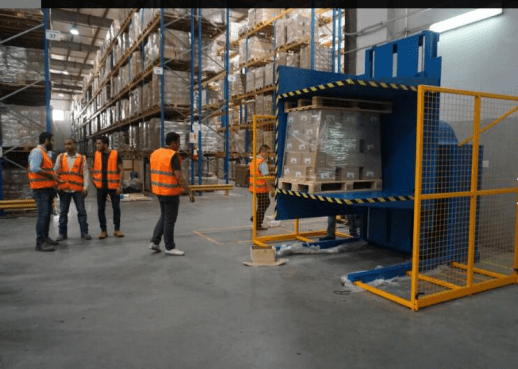
Choosing the right pallet inverter is a big decision. It impacts your whole operation. I am here to help you understand what truly matters. I want to share insights from my journey in this industry. Let’s look at the key points you should consider. This will help you find a partner, not just a vendor.
Is the Pallet Inverter Designed for Strict Hygiene Standards?
Are you managing a warehouse for a food or beverage group? Then you know how critical hygiene is. A small slip can cause huge problems. Product contamination can lead to recalls. It can damage your brand’s reputation. This is why the design of your pallet inverter matters so much. A standard machine might not cut it.
For dairy and food use, a pallet inverter must meet strict hygiene standards. Key design differences include using food-grade materials, having smooth, crevice-free surfaces for easy cleaning, offering washdown capabilities, and ensuring no hidden areas can harbor bacteria. A reliable supplier will prioritize these features, understanding that product safety and compliance are non-negotiable for food processing and logistics operations.

1. Materials That Matter for Food Safety 🥛
Choosing the right materials is the first step. You cannot use just any metal or plastic.
- Stainless Steel: This is often the best choice for surfaces that touch food or are near food products. Stainless steel resists corrosion. It is easy to clean. It does not react with many cleaning agents. Many food processing plants use grades like 304 or 316. These grades are known for being strong and durable.
- Food-Grade Plastics: Some parts might use specialized plastics. These plastics must be food-grade certified. They do not leach harmful chemicals into products. They also resist bacterial growth. A good supplier will know which plastics meet these strict requirements.
- Seals and Gaskets: All seals and gaskets must be made of food-grade materials too. They must prevent contaminants from entering the machine’s inner workings. They also need to withstand frequent cleaning cycles.
2. Design for Easy Cleaning and Sanitization 🧼
A machine’s design affects how well you can clean it. This directly impacts hygiene.
- Smooth Surfaces: Rough surfaces and sharp corners are bad. They can trap food particles. They make cleaning hard. A good pallet inverter will have smooth, polished surfaces. It will have rounded edges. This prevents bacteria from growing.
- Open Access: Can you reach all parts of the machine easily for cleaning? A hygienic design means easy access to all areas. This includes rollers, frames, and transfer points. Hidden spots are a problem.
- Washdown Capability: Food environments need frequent washing. The machine should be able to withstand high-pressure washing. All electrical components must be sealed. They must be protected from water. This stops water from causing damage. It also lets you clean the machine thoroughly without worry. Look for IP ratings (Ingress Protection). A higher IP rating means better protection against water and dust.
- Drainage Systems: Water and cleaning solutions must drain away quickly. The machine design should prevent water from pooling. Proper drainage helps stop bacteria from growing in wet areas.
3. Preventing Cross-Contamination 🔄
Cross-contamination is a big risk in food handling. A good pallet inverter helps prevent it.
- Segregation of Areas: Some machines might handle different products. The design should help keep these products separate. This avoids mixing allergens or different food types.
- Air Filtration (if applicable): For some sensitive products, air quality around the machine matters. While less common for pallet inverters, a supplier might offer solutions to control airborne particles.
- Easy Maintenance: Routine maintenance should not compromise hygiene. The parts needing service should be easy to remove and clean. They should also be easy to put back. This keeps the machine running safely and cleanly.
When I started FHOPEPACK, I saw how many factories struggled with these issues. They bought machines that were not truly food-grade. It caused them endless problems. That is why I always emphasize this point. A supplier who understands dairy and food processing needs will build machines with these details in mind. This attention to detail protects your products and your brand.
Can the Pallet Inverter Adapt to Diverse Pallet Sizes and Materials?
Dealing with different pallet types is a huge challenge for many warehouses. I have seen it time and again. One day you handle standard Euro pallets. The next, you need to load US-spec pallets for export. Then, you might switch to plastic pallets for internal use. If your pallet inverter cannot handle these changes easily, your operations slow down. This creates bottlenecks. It affects your delivery times.
A top-tier pallet inverter supplier distinguishes itself by offering systems that adapt seamlessly to diverse pallet sizes and materials, such as Euro, US, and plastic pallets, with minimal manual intervention and quick changeover times. This adaptability is crucial for international logistics in the food industry, allowing efficient handling of thousands of pallets daily while reducing errors and labor dependency.
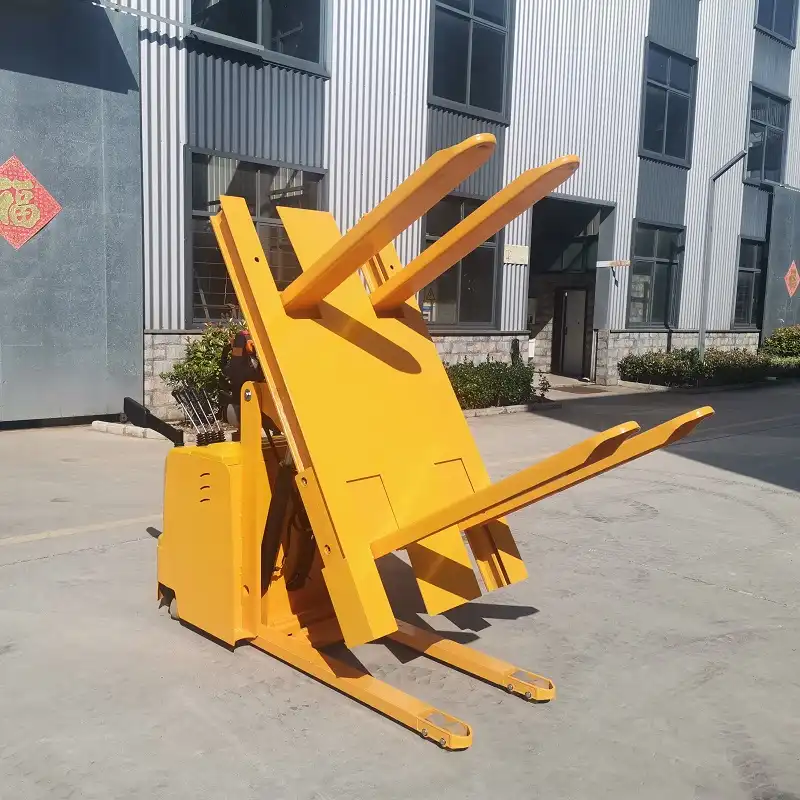
1. Handling Various Pallet Dimensions 📏
Pallets come in many sizes. This is a fact of international trade.
- Adjustable Clamping Mechanisms: A good pallet inverter should have clamps that adjust automatically or semi-automatically. This lets it securely grip pallets of different widths and heights. You should not need tools or long setup times.
- Programmable Settings: Modern machines come with programmable settings. You can save profiles for different pallet sizes. This means a quick switch. Just select the correct program on the HMI. The machine adjusts itself. This saves a lot of time and reduces human error.
- Load Capacity for Different Sizes: The machine must handle the weight and dimensions of all your palletized goods. Make sure the stated capacity meets your needs for the largest and heaviest pallets you use.
2. Compatibility with Different Pallet Materials 🪵
Pallets are not just made of wood. Plastic pallets are common. Metal pallets are also used sometimes.
- Surface Grip and Contact Points: The inverter’s surfaces that touch the pallet must be suitable for all materials. Some plastic pallets can be slippery. The machine needs to grip them securely. It must do this without causing damage.
- Damage Prevention: The clamping force needs to be adjustable. It must be strong enough to hold the load. But it must not be so strong that it damages fragile plastic pallets. A good supplier will design the machine with this in mind. They will use materials on contact points that protect your pallets.
- Sensor Technology: Advanced sensors help detect the pallet material or type. This lets the machine automatically adjust its handling parameters. This is a big step towards full automation.
3. Quick Changeover Times and Automation ⏱️
Time is money in logistics. Slow changeovers cost you.
- Automated Adjustments: The best systems offer fully automated adjustments. The operator simply selects the next pallet type. The machine reconfigures itself. This means no manual intervention. It is very fast.
- Modular Design: Some pallet inverters have a modular design. This means you can swap out parts quickly. You can add special attachments for unique pallet types. This increases the machine’s flexibility.
- Reduced Labor: My goal for many clients is to reduce reliance on manual labor. When a machine handles all pallet changes automatically, you need fewer workers for this task. This saves money. It also moves your team to higher-value jobs.
I remember one client in Spain. They faced huge fines for delayed shipments. Their old pallet changer could not handle both Euro and US pallets easily. Each switch took too long. We helped them find a highly adaptable solution. It cut their changeover time by more than half. This avoided fines. It made their customers happy. This is the kind of difference a good supplier makes.
How Robust and Reliable is the Supplier’s Pallet Inverter?
Reliability is a word I hear a lot. For good reason. In a high-volume warehouse, a machine breakdown is not just an inconvenience. It stops everything. Goods cannot move. Delivery schedules get missed. This leads to angry customers and financial penalties. For a logistics manager, equipment reliability is not a luxury. It is a fundamental requirement.
The robustness and reliability of a pallet inverter are paramount for high-volume operations, especially in food and beverage logistics where continuous uptime is critical. A superior supplier offers machines built with heavy-duty components, engineered for minimal maintenance, and backed by a track record of stable performance in demanding industrial environments, directly preventing costly downtime and ensuring consistent operational flow.
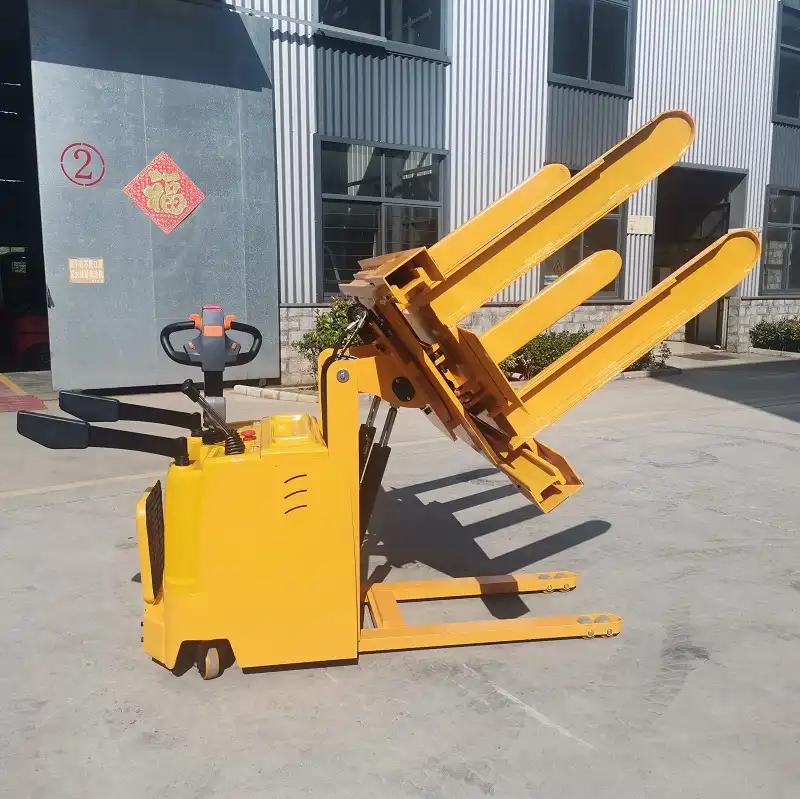
1. Build Quality and Component Selection 🛠️
A reliable machine starts with solid construction.
- Heavy-Duty Frame: The core structure of the pallet inverter must be strong. It must withstand constant use. It must handle heavy loads. Look for thick steel frames. These frames resist bending and wear over time.
- Quality Components: Every part inside the machine matters. This includes motors, hydraulics, sensors, and electrical systems. A reputable supplier uses well-known, high-quality brands for these components. These parts are designed for industrial use. They last longer. They break down less often.
- Welds and Fasteners: Even small details like welds and fasteners show quality. Strong, clean welds mean a durable structure. Secure fasteners ensure parts stay together even under stress.
2. Engineering for Durability and Longevity 💪
Design choices impact how long a machine lasts.
- Over-Engineering: Sometimes, designing a machine slightly stronger than strictly necessary pays off. This ‘over-engineering’ gives it a buffer. It handles unexpected stresses without failing.
- Wear Parts: All machines have parts that wear out over time. A good supplier designs these parts to be easily replaceable. They also use durable materials for them. This extends the machine’s life. It keeps maintenance costs low.
- Protection Against Environment: In food processing, machines face moisture, cleaning chemicals, and varying temperatures. The design must protect internal components from these elements. This is key for long-term operation.
3. Proven Performance and Testing 📈
You need proof that a machine is reliable.
- Track Record: A supplier with a long history of successful installations is a good sign. Ask for references. Talk to other companies using their machines. Find out how their equipment performs.
- Rigorous Testing: Before a machine leaves the factory, it should undergo strict testing. This includes stress tests. It includes continuous operation tests. This ensures it meets performance standards. It also ensures it meets safety standards.
- Warranty and Guarantees: A strong warranty shows the supplier trusts their product. It also gives you peace of mind. Understand what the warranty covers. Know for how long it lasts.
I have seen operations where a single machine breakdown shut down an entire line. The cost was massive. Not just in repair. It was also in lost production and customer trust. That is why when I work with clients, I push for machines that are built to last. I want them to avoid those painful experiences. A robust pallet inverter is an investment that pays off by keeping your operations moving.
Does the Supplier Offer True Partnership and Comprehensive Support?
Carlos, you mentioned you are looking for a partner. You do not want someone who just sells machines. This is a smart approach. I have always believed that the sale is only the beginning. For complex machinery like a pallet inverter, ongoing support is crucial. A true partner understands your pain points. They provide solutions. They stand by their product.
A standout supplier offers true partnership and comprehensive support, going beyond just selling a pallet inverter; they provide expert consultation for specific warehouse challenges, robust installation and training, readily available spare parts, responsive maintenance services, and a commitment to long-term collaboration, which is vital for sustained operational efficiency in a multinational food group. This holistic approach ensures the pallet inverter integrates smoothly and continues to perform optimally throughout its lifespan.
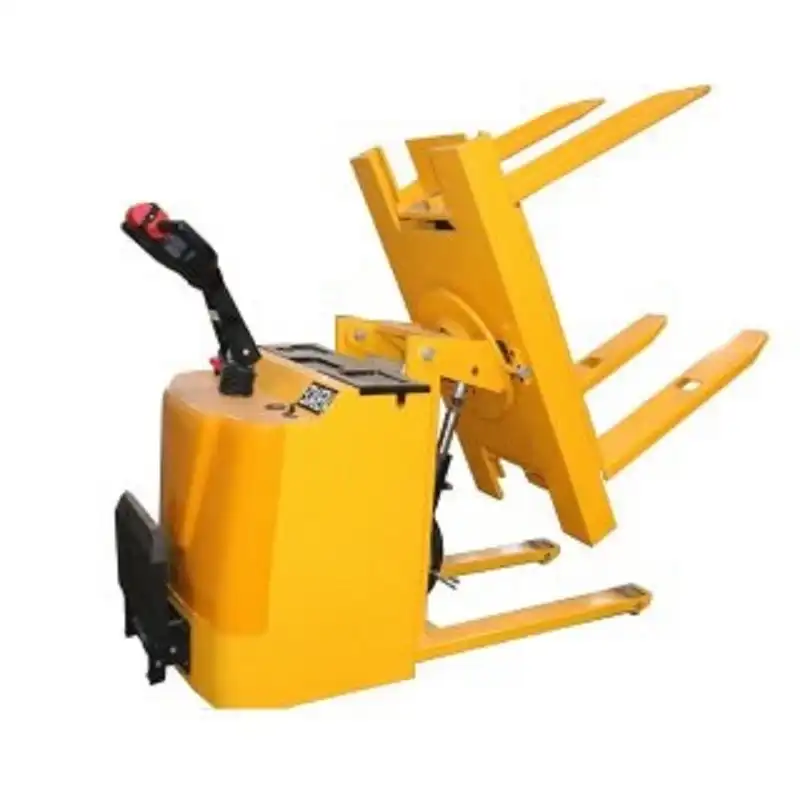
1. Pre-Sale Consultation and Custom Solutions 🤝
A good partner listens before they sell.
- Understanding Your Needs: They take time to understand your specific challenges. This means looking at your pallet types, volumes, space, and safety concerns. They do not offer a one-size-fits-all solution.
- Site Visits and Assessments: For complex setups, a supplier should offer site visits. They can assess your facility. They can see how the machine will fit into your existing workflow. This ensures a better integration.
- Customization Options: Sometimes, a standard machine needs adjustments. A flexible supplier can offer customizations. This makes the pallet inverter perfectly suited to your unique operations. This is often necessary for specialized food products or specific warehouse layouts.
2. Installation, Training, and Integration 🚀
Getting the machine installed correctly is vital.
- Professional Installation: The supplier should provide skilled technicians for installation. This ensures the machine is set up safely and correctly. It works right from day one.
- Thorough Training: Your team needs to know how to operate and maintain the pallet inverter. The supplier should offer comprehensive training. This includes safety protocols. It includes troubleshooting basic issues. Well-trained staff use the machine effectively.
- Seamless Integration: The new pallet inverter should work well with your existing systems. This might include your conveyors or your warehouse management system (WMS). A good supplier helps with this integration.
3. After-Sales Service and Support 📞
This is where true partnership shines.
- Responsive Technical Support: When something goes wrong, you need help fast. A good supplier offers quick and reliable technical support. This can be phone support, online diagnostics, or on-site visits.
- Spare Parts Availability: Downtime is costly. You need access to spare parts quickly. The supplier should have a ready stock of common parts. They should ship them fast.
- Preventive Maintenance Plans: Proactive maintenance keeps machines running smoothly. A supplier should offer service contracts. These plans include regular checks and preventative maintenance. This reduces unexpected breakdowns.
- Software Updates and Upgrades: Modern machines often have software. The supplier should provide updates. These updates can improve performance. They can add new features.
I built FHOPEPACK on the idea of being a partner. I saw too many companies left alone after buying a machine. When I started my own factory, I made sure my clients felt supported. This approach helped them grow. It also helped me grow. A supplier who cares about your long-term success will always offer more than just a machine. They offer peace of mind.
Conclusion
Choosing a pallet inverter supplier is a big deal, especially in the demanding food and beverage sector. Focus on hygiene design, adaptability, reliability, and true partnership. These are the differences that truly matter. They ensure your operations run smoothly and safely for years to come. Investing in the right pallet inverter is investing in your business’s future.








