
How does pallet inverter technology reduce downtime in bottled drink pallet replacement?
The clock ticks. You look at your warehouse, a hub of activity. Thousands of pallets move in and out every day. But then, a bottleneck appears: pallet replacement. This is especially true for bottled drinks, where different countries demand different pallet types. Manual pallet changes can slow everything down. They cause delays, create safety risks, and increase costs. Your team works hard, but human limits mean slow speeds and mistakes. This can lead to missed deadlines and unhappy customers.
Pallet inverter technology significantly reduces downtime in bottled drink pallet replacement by automating the entire process. It quickly and safely transfers products from one pallet type to another, like Euro to American standard pallets. This removes the need for slow, risky manual handling, ensuring faster turnaround times and smoother operations. Pallet inverters handle diverse pallet sizes and materials with ease. This keeps your bottled drinks moving without interruption, which cuts down on operational delays and boosts overall warehouse efficiency.

You are likely here because you know these problems well. You want to make your warehouse work better. You want to move goods faster and safer. So, let us look deeper into how modern pallet inverter solutions can change your bottled drink logistics for the better. We will explore how these machines directly tackle your biggest challenges and help you achieve your goals.
What are the hidden costs of manual pallet changes in bottled drink operations?
Manual pallet changes might seem like a simple task. But in a busy bottled drink warehouse, they hide many costs. These costs can eat into your profits and slow down your entire supply chain. I have seen this first-hand in my years in the packing machine industry. Many companies focus on direct costs and miss the bigger picture. This causes them to underestimate the real impact of manual processes.
leading paragraph: Imagine your team moving hundreds of heavy bottled drink pallets by hand every day. It is tiring, slow, and dangerous work. You might think you save money by not buying machines. But this way of thinking overlooks many hidden expenses. These expenses can quickly add up and become a heavy burden on your business.
snippet paragraph:Manual pallet changes in bottled drink operations bring many hidden costs. These include high labor expenses due to slow speeds and overtime. They also lead to increased safety risks, causing worker injuries, higher insurance premiums, and potential legal fees. Product damage during manual handling is another big cost. Beyond this, they cause operational bottlenecks, delays in shipping, and reduced customer satisfaction. This slow process can also lead to contract penalties and lost business opportunities.
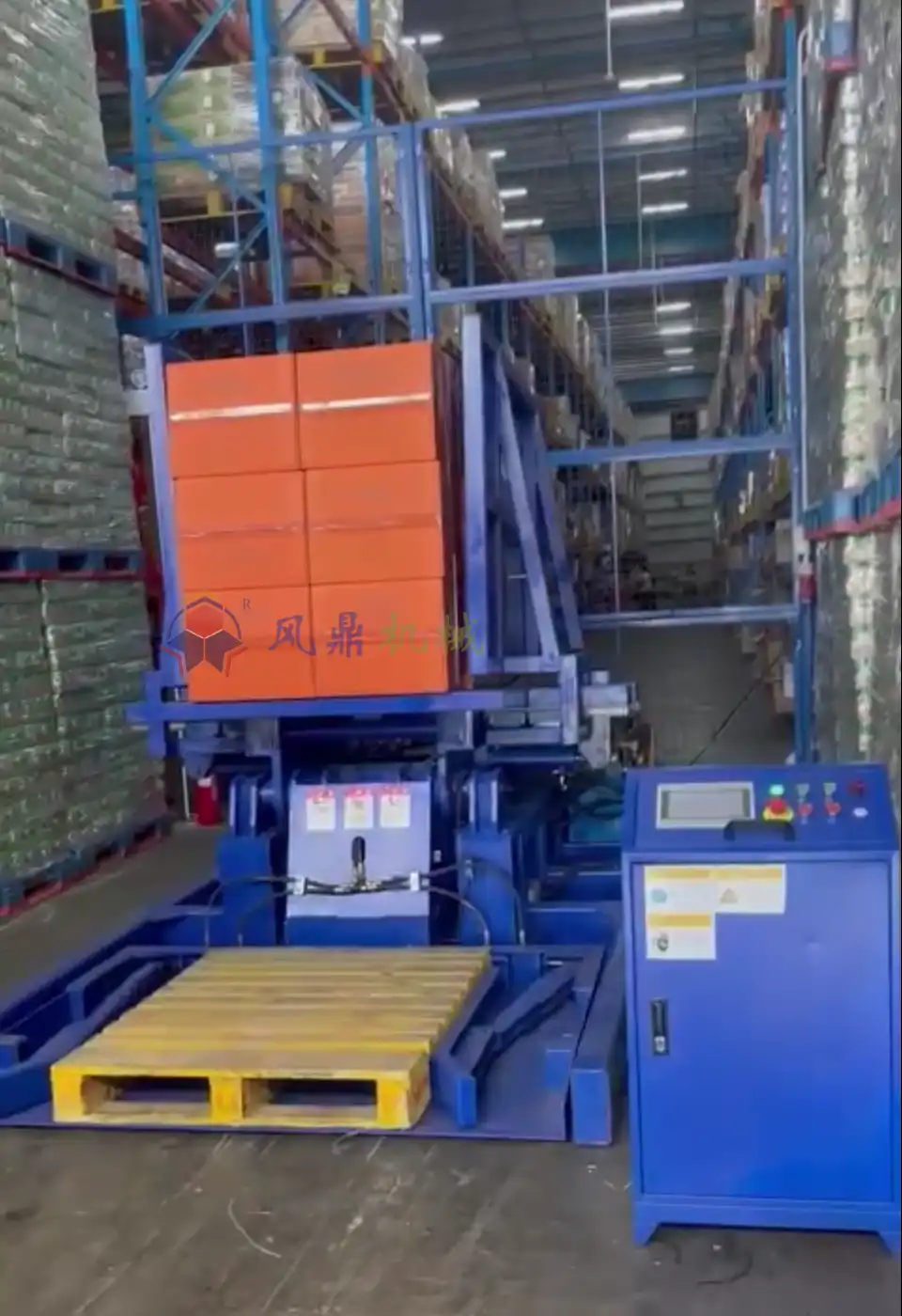
Dive deeper Paragraph: Let us break down these hidden costs. Understanding them is the first step to finding a better way. My experience has taught me that the biggest costs are not always obvious.
-
Labor Inefficiency and Costs:
- Manual pallet changes are very slow. Workers lift and move heavy products, one by one. This takes a lot of time for each pallet.
- It needs many workers. More workers mean higher wages and benefits costs. If your warehouse works around the clock, these costs grow even more.
- Overtime pay often happens. When manual changes cause delays, workers have to stay longer to catch up. This increases labor costs without adding much value.
- Workers get tired. Tired workers are less productive. They also make more mistakes. This slows things down further.
-
Safety Risks and Associated Expenses:
- Heavy lifting is dangerous. Workers can hurt their backs, shoulders, or other body parts. I have heard stories from many factory owners about such accidents.
- Bottled drinks are heavy and fragile. When workers try to flip or move pallets manually, bottles can fall and break. This creates slippery floors and sharp glass, which is very dangerous.
- Accidents lead to high costs. If a worker gets hurt, your company might pay for medical bills, lost wages, and compensation. Your insurance premiums will also go up.
- Legal problems can arise. Serious injuries can lead to lawsuits. This means more costs and damage to your company’s reputation.
-
Product Damage and Waste:
- Manual handling increases the risk of damage. When workers shift goods, bottles can collide, crack, or break. This means lost product and lost sales.
- Damaged goods need rework. Broken bottles must be cleaned up. New bottles must be re-packed. This wastes time and labor.
- Disposal costs add up. Damaged products often need special disposal. This adds another layer of expense.
-
Operational Bottlenecks and Delays:
- Pallet replacement can be a choke point. If this step is slow, it slows down everything else. Incoming goods wait. Outgoing shipments get delayed.
- Missed deadlines happen. In the fast-paced world of logistics, customers expect quick delivery. Slow pallet changes make it hard to meet these demands.
- Contract penalties are a real threat. Many supply chain contracts have penalties for late deliveries. These fines can be very expensive.
- Customer dissatisfaction grows. If your shipments are always late or have damaged goods, customers will look for other suppliers. Losing customers is the biggest hidden cost of all. My company, FHOPEPACK, always focuses on helping clients avoid this by making their packing lines efficient.
How does pallet inverter technology streamline the pallet replacement process?
Now that we understand the problems, let us talk about solutions. Pallet inverter technology is a game-changer for businesses like bottled drink distributors. It directly addresses the inefficiencies and risks of manual pallet changes. This technology takes a complex, labor-intensive task and makes it simple, fast, and safe. My goal at FHOPEPACK is to share knowledge that truly helps businesses. Pallet inverters are a prime example of such a solution.
leading paragraph: Imagine a machine that can take a pallet loaded with your bottled drinks, gently flip it, or transfer its contents to a different pallet. All of this happens in minutes, not hours. This is what a pallet inverter does. It is not just about moving goods; it is about smart logistics.
snippet paragraph:Pallet inverter technology streamlines the pallet replacement process by automating the transfer of goods from one pallet to another. These machines use hydraulic power to clamp and rotate loads or push them across, allowing for quick and safe pallet exchanges. They can handle various pallet types and sizes, from Euro to US standard, or even plastic pallets. This automation removes manual labor, cuts down on the time needed for changes, and greatly reduces the risk of product damage and worker injury. It ensures a smooth, continuous flow of goods in the warehouse.
Dive deeper Paragraph: Understanding how a pallet inverter works helps you see its value. It is more than just a machine; it is a vital part of a modern, efficient warehouse.
-
Automated Handling and Reduced Manual Labor:
- A pallet inverter takes the heavy lifting out of human hands. A forklift operator simply places the loaded pallet into the machine.
- The machine then does all the work. It clamps the load tightly. This makes sure no bottles move or fall.
- After clamping, the machine either rotates the entire load or pushes the product onto a new pallet. This means no worker has to touch the bottles directly during the transfer.
- This automation frees up workers. They can do other, more valuable tasks in the warehouse. This uses your workforce more wisely.
-
Versatile Pallet Handling Capabilities:
- Pallet inverters are very flexible. They can work with many different pallet types. For example, they can switch goods from a wooden Euro pallet to a plastic hygiene pallet. Or from an American standard pallet to a different size.
- They handle various load sizes and weights. This makes them suitable for many kinds of bottled drink products, from small water bottles to large juice cartons.
- They can also change damaged pallets. If an incoming pallet is broken, the inverter can move the goods to a new, good pallet. This saves product and prevents future problems.
- This versatility is key for international shipping. Different countries have different rules for pallets. An inverter makes it easy to meet these rules without slowing down.
-
Enhanced Speed and Throughput:
- Manual pallet changes take a long time. They might take 10-15 minutes or more for each pallet, depending on the load.
- A pallet inverter can do the same job in a fraction of the time. Many models can complete a pallet change cycle in just 60 to 90 seconds.
- This speed adds up quickly. If you process hundreds of pallets a day, an inverter can save many hours. This means more goods move out faster.
- Higher throughput helps meet customer demands. In the world of e-commerce, customers expect quick delivery. Pallet inverters help you deliver faster. This improves your service and customer satisfaction.
-
Improved Safety and Reduced Product Damage:
- Worker safety gets much better. Since workers do not manually handle heavy loads, the risk of injury goes down almost to zero. This is a huge benefit for your team and your company’s peace of mind.
- Product damage also decreases. The machine holds the load firmly. It moves it smoothly. This prevents bottles from falling, breaking, or getting damaged.
- Fewer accidents mean lower costs. Less money is spent on worker compensation, medical bills, and insurance. Less product damage means less waste and more profit.
- A safer workplace is a happier workplace. Workers feel more secure when they know they are not doing risky tasks. This boosts morale and productivity. This is something I always stressed with my own factory teams.
What specific benefits does a pallet inverter bring to bottled drink logistics?
When you run a bottled drink logistics operation, every minute and every bottle counts. We have seen how pallet inverters streamline processes and reduce risks. Now, let us look at the clear benefits these machines bring. These are the tangible improvements that will directly affect your bottom line and operational efficiency. I have seen how FHOPEPACK solutions make a real difference for our clients. Pallet inverters are no different.
leading paragraph: You are looking for ways to cut costs, improve safety, and speed up your operations. A pallet inverter does all these things. It gives you a clear edge in a competitive market. It changes your entire approach to pallet handling.
snippet paragraph:A pallet inverter brings many specific benefits to bottled drink logistics. It significantly reduces operational downtime by speeding up pallet transfers and cutting out manual labor. This leads to major cost savings from lower labor needs, fewer product damages, and reduced accident-related expenses. Pallet inverters also greatly improve workplace safety by removing dangerous manual handling tasks. They boost throughput and ensure compliance with various international pallet standards. This makes your supply chain more efficient, secure, and ready for global demands.

Dive deeper Paragraph: Let us examine these benefits in detail. They show why investing in a pallet inverter is a smart move for any bottled drink company.
-
Significant Reduction in Downtime:
- The most direct benefit is speed. A pallet inverter can swap pallets in less than two minutes. Manual methods can take ten times longer.
- This means your warehouse keeps moving. Trucks are loaded faster. Goods are prepared for shipment without delay.
- Fewer interruptions mean more productive hours. Your entire logistics chain runs more smoothly from start to finish.
- Faster turnover of goods directly translates to more capacity without needing more space or workers. This is a huge advantage for high-volume operations.
-
Substantial Cost Savings:
- Lower labor costs are a big win. An inverter allows one operator to do the work of several manual laborers for pallet changes. This reduces your overall wage bill.
- Reduced product damage saves money on spoiled goods. You sell more of what you produce. This directly impacts your revenue.
- Fewer accidents mean lower insurance premiums and no costly injury claims. This protects your company’s finances.
- Less rework and fewer bottlenecks save indirect costs related to operational inefficiencies and missed deadlines.
-
Enhanced Workplace Safety:
- This is a critical benefit for any business. By automating heavy and awkward tasks, pallet inverters remove the risk of musculoskeletal injuries, falls, and crushing accidents.
- Workers no longer have to lift heavy cases or dangerously flip pallets. This creates a much safer work environment.
- A safer workplace means happier employees and fewer disruptions due to injuries. This also protects your company’s reputation as a responsible employer.
- Compliance with safety regulations becomes easier. This avoids potential fines and legal issues.
-
Improved Throughput and Operational Efficiency:
- With faster pallet changes, your overall warehouse throughput increases. More goods can move through your facility in the same amount of time.
- This improved efficiency helps you meet demanding customer delivery schedules. This is vital in the fast-moving bottled drink market.
- The ability to quickly adapt to different pallet standards (Euro, US, plastic) means less time spent sorting or manually converting. This streamlines international shipping.
- Better flow in the warehouse reduces congestion. This makes it easier for forklifts and other equipment to move, which further boosts efficiency.
-
Compliance and Customer Satisfaction:
- Different markets require different pallet types. An inverter makes sure you can quickly meet these specific rules. This avoids delays at customs or rejection of shipments.
- Consistent and timely delivery, along with undamaged products, leads to higher customer satisfaction. Happy customers are loyal customers.
- Meeting compliance standards smoothly helps you avoid fines, contract penalties, and other costly problems that can arise from not meeting requirements.
- In the end, a reliable supply chain strengthens your relationships with clients and partners. This helps your business grow.
How can you choose the right pallet inverter for your bottled drink facility?
Picking the right pallet inverter is a big decision for your bottled drink facility. It is not just about buying a machine; it is about investing in a solution that fits your specific needs. With so many options, it can feel overwhelming. My aim at FHOPEPACK is to guide you, based on my years in the industry, to make the best choice. This ensures you get a machine that truly solves your problems and helps your business grow.
leading paragraph: You have seen the power of pallet inverters. Now, you need to know how to select the best one. This choice depends on your specific operations, your type of bottled drinks, and your future goals. A good choice will bring lasting benefits. A wrong choice can lead to more problems.
snippet paragraph:To choose the right pallet inverter for your bottled drink facility, you must first assess your specific needs. Consider your daily pallet volume, the types and weights of pallets you handle (e.g., Euro, US, plastic, wood), and the required level of automation (manual, semi-automatic, fully automatic). Also, evaluate the available space in your warehouse and the need for hygiene features, especially for food products. Always look for a supplier who offers reliable equipment, good after-sales support, and a deep understanding of your operational challenges. This ensures a long-term partnership and optimal performance.
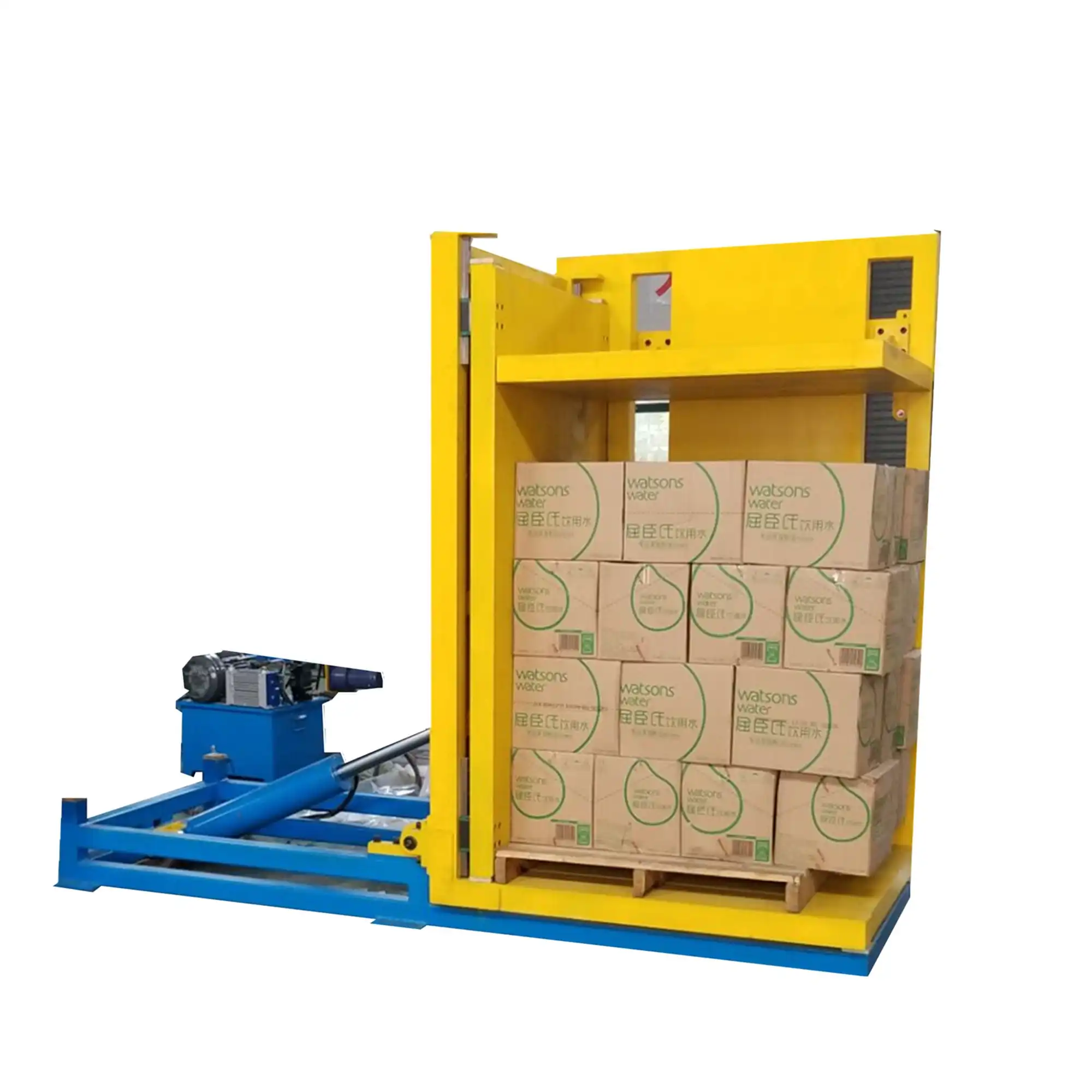
Dive deeper Paragraph: Let us walk through the key factors to consider when choosing a pallet inverter. This will help you make a smart, informed decision.
-
Assess Your Operational Needs and Volume:
- Daily Pallet Throughput: How many pallets do you need to change per hour or per day? If you have very high volume, a fully automatic, inline system might be best. For lower volumes, a standalone, semi-automatic inverter could be enough.
- Load Weight and Size: What is the maximum weight of your bottled drink pallets? What are their dimensions? The inverter must be able to handle these without problems.
- Types of Pallets: Do you mostly switch between Euro and US pallets? Do you use plastic pallets for hygiene? Make sure the inverter is designed for the specific pallet types you use. Some machines are more versatile than others.
- Bottled Product Sensitivity: Are your bottles fragile? Some inverters offer gentler clamping and transfer mechanisms. This is important for reducing damage.
-
Consider Different Pallet Inverter Types:
- 90-Degree Inverters (Pallet Exchangers): These machines typically clamp the load and then rotate it 90 degrees to push the product onto a new pallet. They are good for changing pallets without inverting the product.
- 180-Degree Inverters (Pallet Turners/Inverters): These machines rotate the entire load 180 degrees. This is useful for transferring goods to a completely different pallet below or for turning over damaged goods.
- Free-Standing vs. Inline Systems: Free-standing units are flexible and can be placed anywhere. Inline systems are integrated into your conveyor line for continuous, automated flow. An inline system might be necessary for very high-volume facilities.
- Fixed vs. Mobile: Some inverters are fixed to the floor. Others are mobile and can be moved around the warehouse. Mobile units offer more flexibility if your pallet changing needs vary.
-
Evaluate Features and Safety:
- Automation Level: Do you need a manual machine where an operator controls every step? Or a semi-automatic one with push-button controls? Or a fully automatic one that works by itself? The level of automation impacts cost and labor savings.
- Safety Features: Look for safety light curtains, emergency stop buttons, and protective fencing. Safety must be a top priority. My experience shows that investing in safety features always pays off.
- Hygiene Requirements: For bottled drinks, hygiene is key. If you use plastic pallets for internal movements, ensure the inverter can handle them. Also, consider machines made from materials that are easy to clean.
- Ease of Use and Maintenance: A machine that is easy to operate and maintain will save time and trouble. Ask about training and service needs.
-
Partner with a Reliable Supplier (Like FHOPEPACK):
- Industry Expertise: Choose a supplier who deeply understands warehouse and packing operations, especially for bottled drinks. They should know your pain points.
- Quality and Reliability: The machine must be built to last. Look for strong construction and good components. Read reviews and ask for references.
- After-Sales Support: What kind of warranty do they offer? How quickly can they provide spare parts or technical support? This is crucial for keeping your operations running smoothly. At FHOPEPACK, we pride ourselves on being more than just a seller; we are a partner.
- Customization Options: Can the supplier customize the inverter to fit your unique needs? Sometimes a standard model is not quite right.
- Total Cost of Ownership: Look beyond the purchase price. Consider energy consumption, maintenance costs, and expected lifespan. A cheaper machine upfront might cost more in the long run.
Conclusion
Pallet inverter technology is a powerful tool for bottled drink logistics. It tackles major challenges like slow manual handling, safety risks, and high labor costs. By automating pallet changes, these machines significantly reduce downtime, improve safety, and save money. Choosing the right pallet inverter means looking at your needs, the machine’s features, and finding a trustworthy supplier. This investment makes your operations faster, safer, and more efficient.








