
How Pallet Inverter Performance Varies Between Cold Storage and Ambient Warehouses?
Working in logistics, you know how crucial every piece of equipment is. When a machine struggles, your whole operation feels the pinch. You face delays, higher costs, and even safety risks. This is especially true when your pallet handling system cannot keep up with diverse demands. I have seen many managers grapple with these exact issues, pushing for efficiency in every corner of their warehouses. They often wonder if the same solutions work for different environments.
A pallet inverter’s performance changes a lot between cold storage and ambient warehouses. Cold places demand machines built with special materials and design to handle low temperatures, condensation, and ice. Ambient settings, while not as extreme, require robustness against dust, high-volume use, and continuous operation. Choosing the right pallet inverter, or modifying an existing one, needs a deep understanding of these environmental factors to ensure reliability, safety, and efficiency.
It is not just about having a machine. It is about having the right machine that performs consistently, no matter the conditions. If you want to keep your operations smooth and avoid unexpected problems, understanding these differences is key. Let us dive deeper into why this matters for your warehouse.
Why Cold Storage Environments Challenge Your Pallet Inverter’s Performance?
Imagine a machine designed for a sunny day working inside a freezer. It will struggle, right? This is a common issue for pallet inverters in cold storage. Low temperatures are not just uncomfortable; they change how machines behave. This can cause unexpected breakdowns and costly interruptions. I have seen factories try to cut corners here, only to face bigger problems later. They learn the hard way that a standard machine simply cannot handle the cold.
Cold storage environments challenge pallet inverter performance because low temperatures affect materials, lubrication, and electronic components. Condensation and ice buildup are also major issues. These factors lead to increased wear, reduced efficiency, and higher risks of equipment failure, making specialized design and maintenance critical for reliable operation.
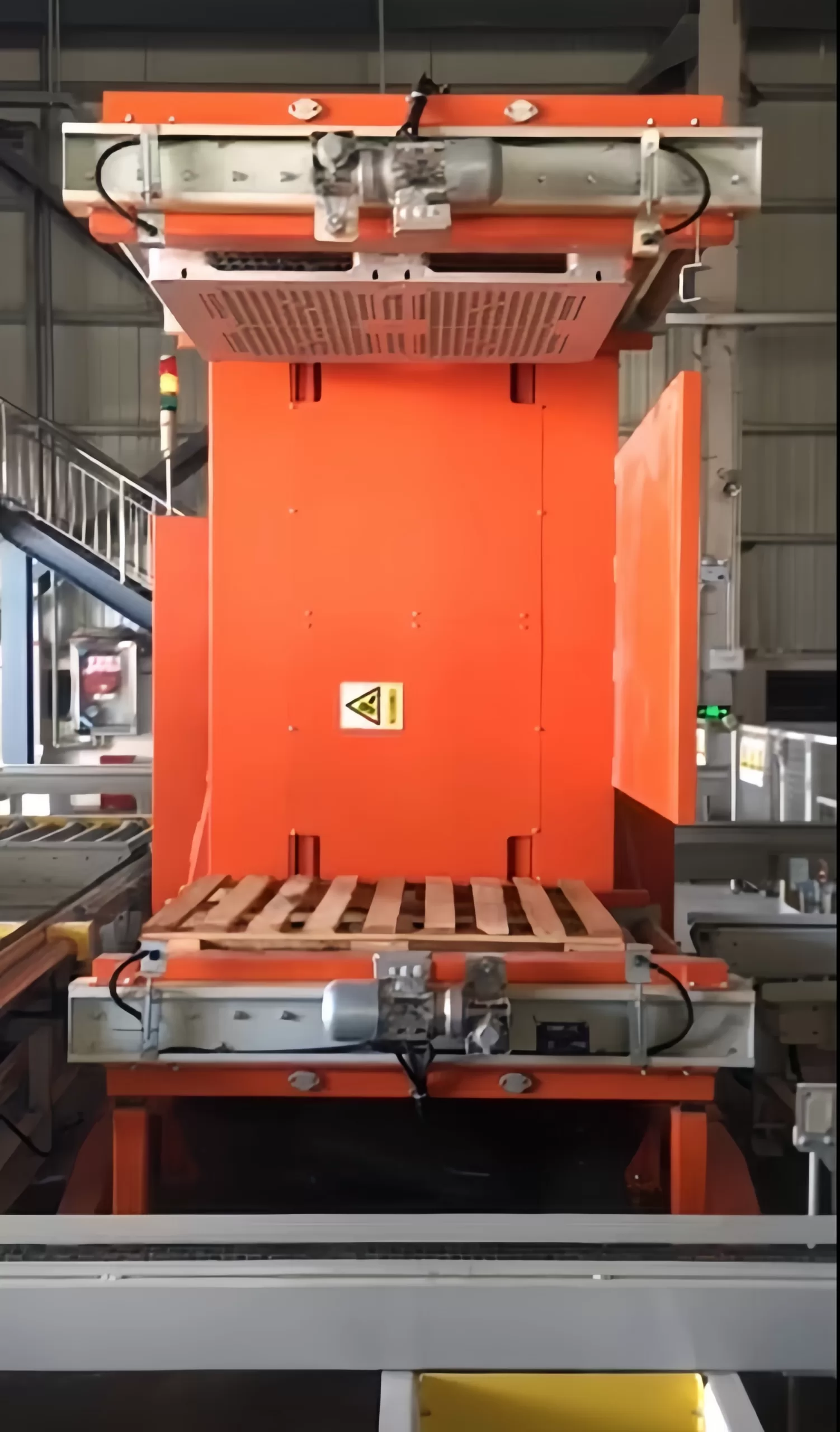
When I first started in the packing machine industry, I quickly learned that an environment’s impact on machinery is huge. Cold storage presents unique hurdles that standard pallet inverters are not built to overcome.
1. Material Brittleness and Wear in Low Temperatures
Cold makes many materials brittle. This means parts that are flexible at room temperature become stiff and prone to cracking when it is freezing.
- Steel Components: Regular steel can lose some of its toughness in extreme cold. This makes it more likely to crack under stress. Special alloys or treatments are necessary for cold environments.
- Plastic Parts: Many plastics become very fragile at low temperatures. Seals, bushings, and covers can shatter or break. We need to use specific cold-resistant polymers.
- Rubber Seals: Gaskets and seals become hard and lose their elasticity. This causes hydraulic leaks or allows moisture into critical areas. Using special low-temperature rubber is important.
Imagine a critical part snapping because it got too cold. This stops your line and costs a lot in repairs and lost time. This is why material choice is a top priority for cold storage equipment.
2. Lubrication and Hydraulic Fluid Issues
Lubricants are vital for smooth machine operation. In the cold, they behave differently.
- Thickening of Lubricants: Standard greases and oils thicken in cold temperatures. This increases friction and resistance, making motors work harder. This can lead to overheating and premature wear.
- Hydraulic Fluid Performance: Hydraulic systems rely on fluid moving freely. Cold fluids become sluggish, reducing the speed and power of the inverter. This impacts lifting and turning cycles. Special low-viscosity hydraulic fluids are essential.
- Seals and Leaks: Thicker fluids and brittle seals can lead to increased pressure on the system and potential leaks. This compromises both efficiency and safety.
Proper lubrication is often overlooked. But it can make or break a machine’s performance in cold conditions.
3. Condensation, Ice Buildup, and Corrosion
Moisture is a silent killer in cold storage. When warm air meets cold surfaces, condensation forms.
- Electronic Components: Condensation can short-circuit electrical systems. This leads to failures and safety hazards. Enclosures with heating elements or special coatings protect sensitive electronics.
- Mechanical Parts: Water turns to ice, which can jam moving parts. Ice buildup can also add weight and stress to the machine. Regular defrosting cycles or heated components prevent this.
- Corrosion: Moisture, even without freezing, increases the risk of rust. Stainless steel or special anti-corrosion coatings are vital for long-term durability.
I always tell my clients that preventing moisture damage is a smart investment. It keeps their machines running and avoids unexpected downtime.
4. Power Consumption and Energy Efficiency
Running equipment in the cold often requires more energy.
- Motor Strain: Thickened lubricants mean motors need more power to operate. This increases electricity bills.
- Heated Components: Features like heated enclosures for electronics or hydraulic fluid heaters consume additional energy.
- Efficiency Loss: Overall efficiency drops, meaning more power is used for less output. This impacts operating costs significantly.
Designing for cold storage means balancing durability with energy efficiency. It is a challenge, but modern designs address this through intelligent controls and insulation.
What Factors Make Ambient Warehouses Seem Easier, But Still Present Hidden Pallet Inverter Hurdles?
Many people think ambient warehouses are easy environments for machines. No extreme cold, no ice. But this thinking is wrong. Ambient conditions bring their own set of challenges. These can affect your pallet inverter’s long-term reliability and efficiency just as much as cold storage. When I built my factory, I realized that even in seemingly normal conditions, consistent peak performance requires careful planning. It is about understanding the subtle stresses that add up over time.
Ambient warehouses, despite lacking extreme temperatures, present hidden hurdles for pallet inverters. These include high-volume continuous operation, accumulation of dust and debris, wide fluctuations in humidity, and the wear from handling diverse pallet types. These factors can lead to premature wear, reduced accuracy, and increased maintenance needs, impacting overall efficiency and operational costs.
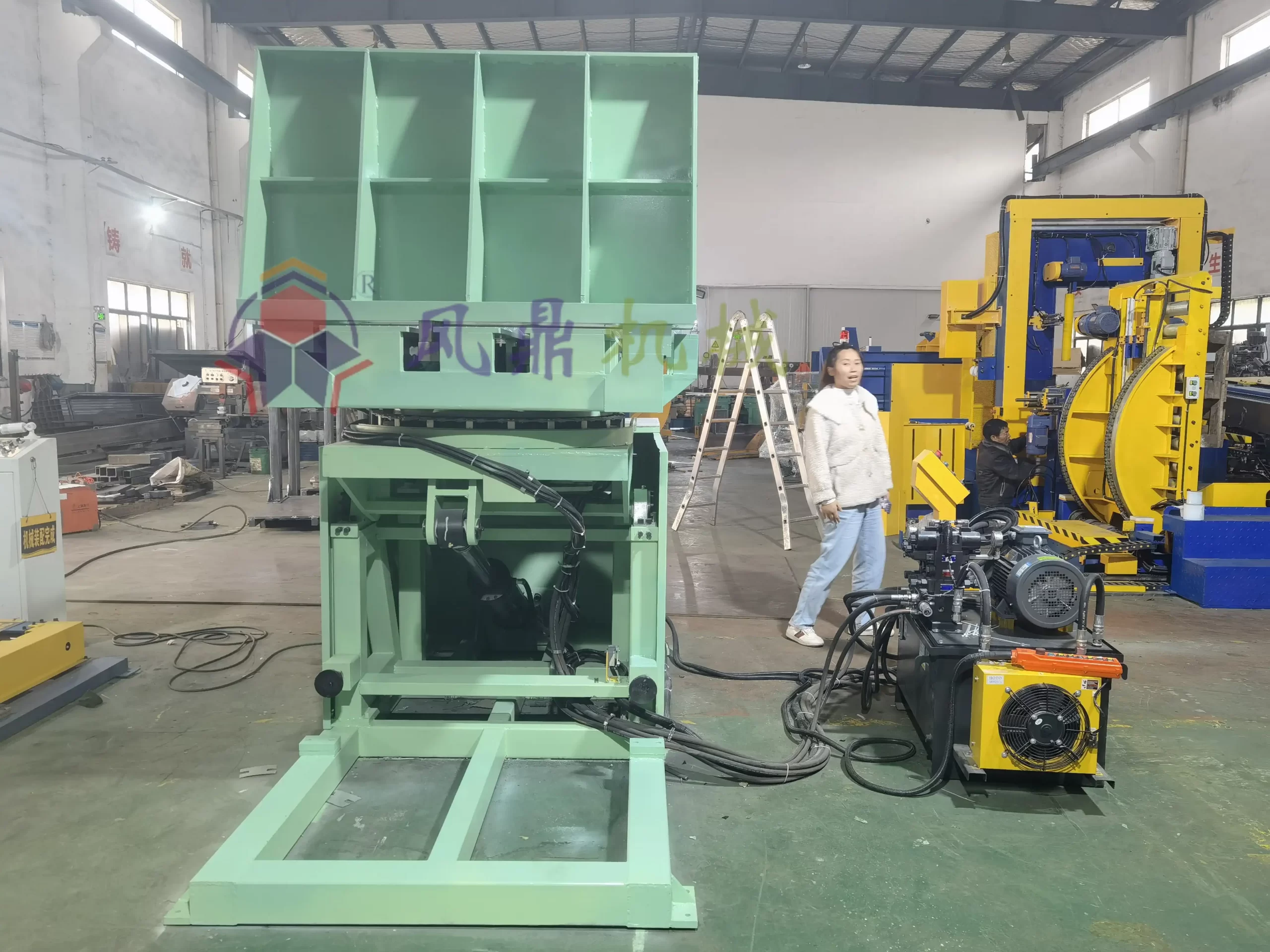
For Carlos, who operates a busy distribution center, these “hidden” hurdles are very real. They affect his daily goals of efficiency and cost control.
1. High-Volume, Continuous Operation Wear and Tear
Carlos’s warehouse handles thousands of pallets daily. This means machines run almost non-stop.
- Fatigue on Moving Parts: Constant movement causes fatigue in motors, bearings, and hydraulic cylinders. Without proper design, these parts wear out quickly.
- Heat Buildup: Continuous operation generates heat. This can degrade lubricants faster and stress electrical components. Effective cooling systems are important.
- Operational Stress: The machine is always working at or near its capacity. This leaves little room for error and can lead to unexpected failures if not robustly built.
I learned that building machines for continuous, high-volume use means over-engineering certain components. It is about making sure they can handle the grind day in and day out.
2. Dust, Debris, and Contamination
Ambient warehouses are often dusty places. Cardboard particles, plastic bits, and general grime fill the air.
- Component Clogging: Dust can clog filters, accumulate in bearings, and interfere with sensors. This reduces accuracy and increases friction.
- Electrical Interference: Fine dust can get into electrical cabinets, causing short circuits or hindering cooling. Sealed enclosures are a must.
- Increased Abrasion: Dust acts like sandpaper on moving parts, speeding up wear. Regular cleaning and protective covers help.
A clean machine is a happy machine, but in a dusty warehouse, this is a constant battle. Equipment needs to be designed with dust resistance in mind.
3. Humidity Fluctuations and Its Impact
While not as extreme as cold condensation, varying humidity levels in ambient warehouses can still cause issues.
- Rust and Corrosion: High humidity promotes rust on unprotected metal surfaces. This is especially true if there are temperature swings.
- Electrical Problems: Moisture can affect electrical contacts and insulation, leading to intermittent faults.
- Material Swelling: Certain materials, like wood pallets, can absorb moisture and swell. This might affect how the inverter handles them.
This is why we focus on protective coatings and good ventilation for our machines, even for ambient use.
4. Diverse Pallet Types and Loading Irregularities
Carlos mentioned frequently switching between Euro, US, and plastic pallets. This diversity is a major challenge.
- Adaptability Strain: The inverter must adjust to different sizes and weights. This puts stress on adjustable components and clamping mechanisms.
- Irregular Loads: Not all pallets are loaded perfectly. Uneven or unstable loads can cause the machine to work harder or become unbalanced.
- Wear on Contact Surfaces: Different pallet materials (wood, plastic) have different friction properties. This can cause uneven wear on the machine’s contact pads.
My team designs pallet inverters with robust, easily adjustable systems to handle this variety. It reduces wear and ensures smooth transitions.
How Do Material Choices and Design Adaptations Ensure Your Pallet Inverter Performs Reliably in Any Climate?
Given the challenges, you might think finding a single pallet inverter that works everywhere is impossible. But it is not. The key lies in smart engineering. This means choosing the right materials and adapting the design for specific environments. From my years of experience, both as an employee and a factory owner, I have seen how these decisions separate reliable machines from those that constantly break down. It is all about anticipating the problems and building solutions into the design.
Material choices and design adaptations ensure reliable pallet inverter performance in any climate by using specialized components, robust construction, and intelligent automation. This includes cold-resistant steels, corrosion-proof coatings, sealed electronics, and hydraulic systems that adapt to temperature. Such foresight in design minimizes wear, enhances safety, and maintains operational efficiency in both cold storage and ambient environments.
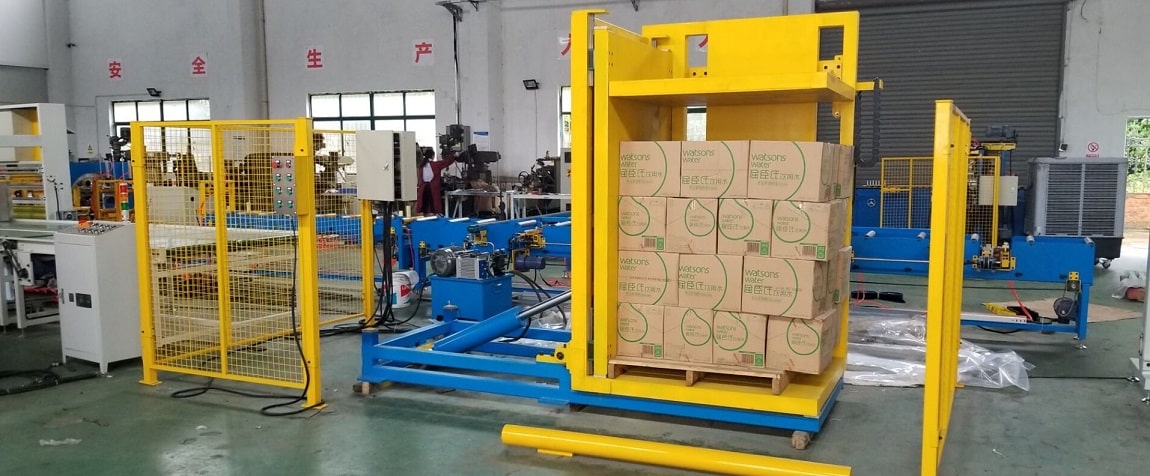
For a manager like Carlos, who values reliability and safety, knowing these details helps in making informed investment decisions. It shows how a machine can truly be a long-term solution.
1. Specialized Materials for Extreme Conditions
We do not use one-size-fits-all materials. We select materials based on the environment.
- Cold Storage Steels: For freezers, we use specific grades of steel that maintain their strength and toughness at sub-zero temperatures. This prevents brittle fracture.
- Corrosion-Resistant Coatings: In both humid ambient and cold, condensation-prone environments, stainless steel components and specialized anti-corrosion paints are vital.
- High-Performance Polymers and Rubbers: Seals, hoses, and non-metallic parts are made from materials that remain flexible and durable across a wide temperature range.
This careful material selection is the foundation of a durable machine. It is what allows it to withstand daily abuse without breaking down.
2. Robust Design for Durability and Safety
Beyond materials, the overall design must be tough. It must also prioritize safety.
- Reinforced Structures: Frames and critical load-bearing parts are often over-engineered. This gives them extra strength for heavy, continuous use.
- Sealed Electrical Enclosures: All sensitive electronics are housed in IP-rated enclosures. These protect against dust, moisture, and even direct water sprays for cleaning.
- Ergonomic Safety Features: Beyond machine reliability, worker safety is paramount. Features like light curtains, emergency stops, and clear warning signs are standard. This prevents accidents, a key concern for Carlos.
My own journey taught me that a reliable machine is also a safe machine. When workers feel safe, they are more productive.
3. Advanced Hydraulic and Lubrication Systems
These systems are the heart of a pallet inverter. They need to adapt.
- Temperature-Controlled Hydraulics: For cold storage, hydraulic systems can include heaters for the fluid. This ensures consistent viscosity and performance. For ambient, proper cooling prevents overheating.
- Automatic Lubrication: Programmable auto-lube systems deliver the right amount of lubricant at the right time. This extends component life, especially in high-volume settings.
- High-Quality Components: Using industrial-grade pumps, valves, and cylinders reduces the risk of leaks and failures. This is a must for both environments.
These systems ensure the machine operates smoothly and efficiently, reducing the need for constant manual checks.
4. Intelligent Automation and Control Systems
Modern pallet inverters are more than just mechanical devices. Their brains make them truly adaptable.
- PLC Control: Programmable Logic Controllers (PLCs) allow for precise control of all movements. They can also store different programs for various pallet types or operational sequences. This is ideal for Carlos’s diverse pallet needs.
- Sensor Integration: Sensors detect pallet position, load stability, and potential obstructions. This enhances safety and operational accuracy.
- Remote Monitoring and Diagnostics: Some systems offer remote access. This allows for quick troubleshooting and predictive maintenance. This means less downtime and faster problem-solving.
This level of automation increases efficiency and reduces human error. It is a big step towards a fully optimized warehouse.
Why Partnering for Pallet Inverter Solutions, Not Just Purchasing, Is Critical for Your Long-Term Success?
You need more than just a piece of equipment. You need a solution that truly fits your operations. Buying a pallet inverter should be the start of a relationship, not the end. Carlos, like many forward-thinking managers, understands this. He looks for a partner who grasps his warehouse’s pain points. This is exactly how I built my business. I always focused on client success, not just making a sale. This approach led to strong, lasting relationships.
Partnering for pallet inverter solutions, rather than simply purchasing, is critical for long-term success because it provides ongoing support, customization, and expert advice that adapts to evolving warehouse needs. A true partner understands your unique challenges like pallet diversity, labor shortages, and safety risks. They offer integrated solutions that improve efficiency, reduce costs, and ensure compliance, moving beyond a transactional relationship to a collaborative one focused on your continuous growth.

This partnership model is essential. It ensures your investment keeps delivering value year after year.
1. Deep Understanding of Your Operational Pain Points
A good partner listens. They do not just sell.
- Tailored Solutions: We take time to understand your specific challenges. This includes diverse pallet types, high throughput, and safety concerns. We design solutions that directly address these.
- Consultative Approach: We act as advisors, sharing our expertise. This helps you make the best decisions for your unique setup.
- Proactive Problem Solving: We do not wait for problems to happen. We help identify potential issues and offer solutions before they impact your operations.
For Carlos, who wants solutions for diverse pallet specifications and labor issues, this understanding is invaluable.
2. Customization and Adaptability for Evolving Needs
Your warehouse is not static. A partner offers flexibility.
- Modular Designs: Our pallet inverters often feature modular components. This allows for future upgrades or adaptations as your needs change.
- Custom Fabrications: Sometimes, a standard model is not enough. We can customize machines to fit unique spaces, handle specific load types, or integrate with existing systems.
- Scalability: As your business grows, your equipment needs to grow with it. A partnership means we can help you scale your automation solutions.
This adaptability ensures your initial investment remains relevant and productive for years.
3. Comprehensive Support and Maintenance Programs
Machines need care. A partner provides it.
- Installation and Training: Proper installation ensures optimal performance. Thorough training empowers your team to operate the machine safely and efficiently.
- Preventive Maintenance: Scheduled maintenance keeps your machine running smoothly. This prevents unexpected breakdowns and extends its lifespan. This is critical for Carlos’s goal of long-term reliability.
- Fast Response and Parts Availability: When an issue arises, quick support and readily available spare parts minimize downtime. This is crucial for busy operations.
This level of support reduces stress for managers and keeps the warehouse running.
4. Demonstrable ROI and Long-Term Value
A partnership is an investment that pays off.
- Cost Reduction: By improving efficiency, reducing labor, and preventing accidents, our solutions deliver clear cost savings.
- Improved Safety: Reducing manual handling accidents leads to lower insurance costs and a safer workplace. This is a direct answer to Carlos’s challenges.
- Enhanced Customer Satisfaction: Faster, more reliable processing means fewer shipping errors and quicker deliveries. This keeps your customers happy and compliant.
- Future-Proofing Your Operations: Investing in robust, adaptable solutions helps you stay competitive in a fast-changing logistics landscape.
My goal has always been to help clients grow their businesses. A true partnership with FHOPEPACK is about achieving this together. It ensures your pallet inverter is an asset, not just another expense.
Conclusion
Understanding how pallet inverter performance differs between cold storage and ambient warehouses is vital. It impacts your operational efficiency, safety, and bottom line. Choosing the right machine, with the proper design and material adaptations, means your operations stay smooth, no matter the environment. Partnering with FHOPEPACK ensures you get tailored solutions and long-term support.








