
10 Red Flags to Watch for in Coil Packing Line Manufacturers
Investing in a coil packing line is a significant capital expenditure, a move meant to streamline operations and boost productivity. The promise of automated efficiency can be alluring, yet the path to seamless coil packaging is fraught with potential pitfalls if the manufacturer you choose falls short. Before signing on the dotted line, are you truly seeing the full picture, or are there hidden dangers lurking beneath the surface of a seemingly good deal?
Choosing the right coil packing line manufacturer is crucial to avoid costly errors and ensure a smooth, efficient production process. Red flags during your evaluation process can signal potential problems with quality, reliability, and long-term support. Spotting these early can save you significant headaches and financial losses down the line. Key red flags include obsolete component use, unverified testing claims, and limited warranty terms.
Navigating the complexities of selecting a coil packing line manufacturer requires a keen eye and a comprehensive understanding of the potential risks. Failing to recognize these red flags can lead to operational nightmares. Let’s delve into the critical warning signs that can help you steer clear of manufacturing pitfalls and secure a partnership that truly delivers.
Red Flag #1: Obsolete Component Use
The allure of a bargain can be strong, especially when optimizing capital expenditure. However, in the realm of coil packing lines, a drastically lower price tag might conceal a concerning secret: obsolete component use. Are you truly saving money, or are you investing in a machine built with parts nearing the end of their lifecycle, setting the stage for premature breakdowns and escalating maintenance costs?
Obsolete components in coil packing lines are a major red flag, indicating potential future breakdowns, difficulty in sourcing replacements, and reduced machine lifespan. Manufacturers relying on outdated parts often offer lower prices, but this upfront saving can be quickly negated by increased downtime, higher maintenance expenses, and compromised operational efficiency. Prioritize manufacturers committed to using current, readily available technology to ensure long-term reliability and support.
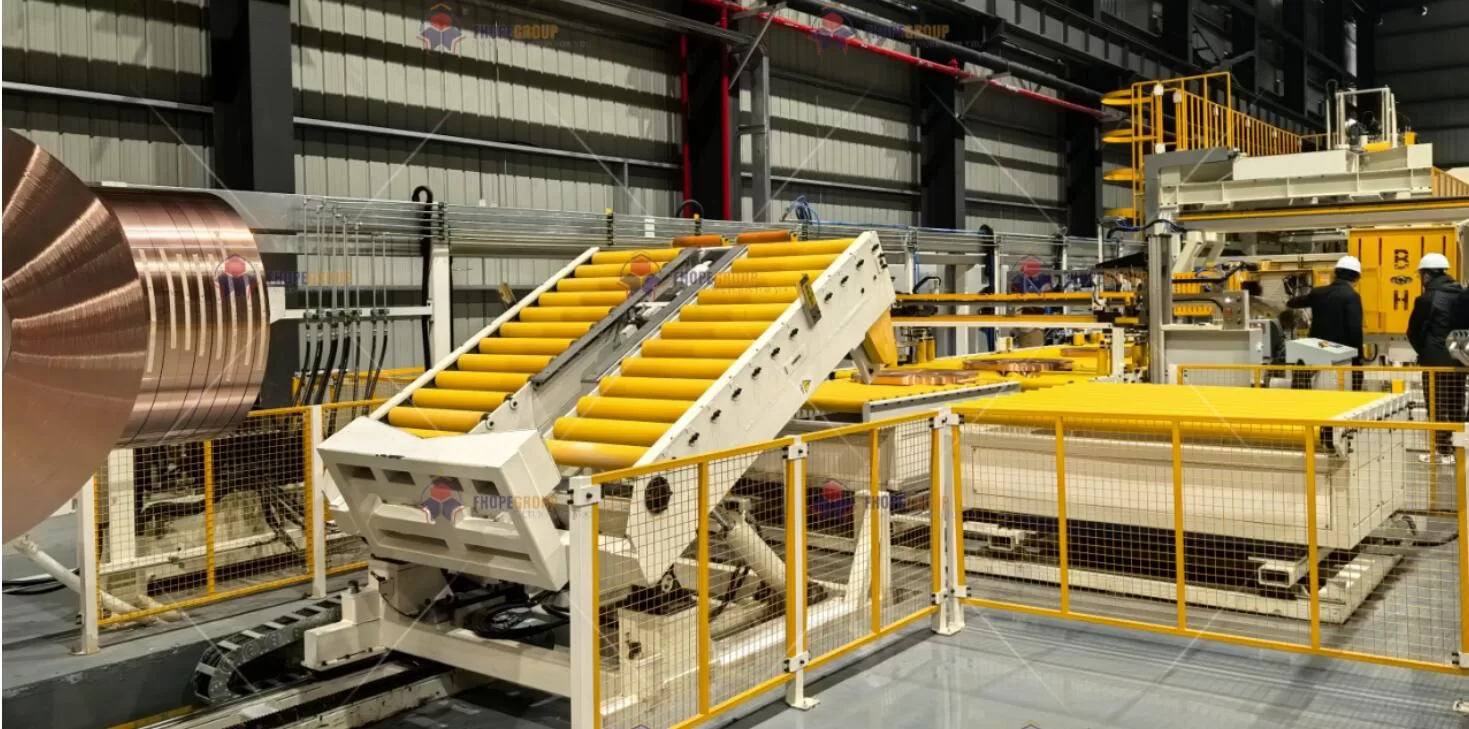
To truly assess the longevity and reliability of a coil packing line, it’s essential to dive deeper into the specifics of its components. Don’t be swayed by initial cost savings alone. A thorough investigation into the manufacturer’s sourcing and parts selection practices is crucial.
Delving Deeper: Questioning Component Lifecycles
| Question Category | Specific Questions to Ask | Why It Matters |
|---|---|---|
| Component Sourcing | “Where are the primary components (PLC, sensors, motors) sourced from?” | Identifies component origin and potential quality concerns. |
| “Are components readily available on the market, or are they from limited-production runs?” | Assesses future parts availability and ease of maintenance. | |
| Technology Generation | “What generation of technology are the core components (e.g., PLC)?” | Determines if components are current or nearing obsolescence. |
| “How long has the manufacturer been using these specific components in their lines?” | Gauges the manufacturer’s experience with the component and its long-term reliability in coil packing lines. | |
| Obsolescence Planning | “What is the manufacturer’s component obsolescence plan? Do they proactively address parts nearing end-of-life?” | Reveals the manufacturer’s foresight and commitment to long-term support and minimizing downtime. |
| “What is the typical lifecycle of the critical components they use?” | Provides insight into the expected lifespan and potential future replacement needs. |
By asking these detailed questions and demanding transparent answers, you move beyond surface-level assessments and gain critical insights into the true long-term value of your investment. Remember, a coil packing line built with current, readily available components will not only offer superior performance but also ensure smoother operation and reduced downtime for years to come. This proactive approach to component scrutiny is your shield against the hidden costs of obsolescence.
Red Flag #2: Unverified Testing Claims
A manufacturer boasting about rigorous testing protocols and exceptional quality is certainly reassuring. However, in the absence of verifiable evidence, these claims are just words. Are you relying on genuine quality assurance, or are you placing your trust in unsubstantiated promises that could crumble under the pressures of real-world operation?
Unverified testing claims are a significant red flag, masking potential quality control shortcomings and increasing the risk of operational issues down the line. A reputable manufacturer should readily provide detailed testing protocols, performance data, and third-party verification to substantiate their quality claims. Skepticism is warranted when faced with vague assurances and a lack of concrete evidence.

To truly discern between substantiated quality and empty promises, you must probe beyond marketing brochures and delve into the specifics of a manufacturer’s testing and validation processes. Don’t accept claims at face value; instead, demand concrete evidence that backs up their assertions of quality and reliability.
Dive Deeper: Demanding Transparency in Testing
To get a clearer picture, consider these questions:
-
Standard Adherence: Does the manufacturer adhere to recognized international testing standards (e.g., ISO, ASTM)?
- Why it matters: Compliance with international standards demonstrates a commitment to globally recognized quality benchmarks and provides an objective framework for evaluating machine performance.
-
Testing Scope: What specific tests are conducted on the coil packing line before shipment?
- Why it matters: Understanding the scope of testing reveals the manufacturer’s thoroughness in quality assurance. Look for tests covering critical aspects like cycle time, load capacity, safety mechanisms, and sensor accuracy.
-
Data Transparency: Can the manufacturer provide sample test reports or performance data from previous lines they’ve manufactured?
- Why it matters: Access to real test data offers tangible proof of a machine’s capabilities and performance under stress. It allows you to assess if the line consistently meets the claimed specifications.
-
Third-Party Validation: Is their testing process validated or audited by an independent third party?
- Why it matters: Independent validation adds credibility to testing claims. Third-party audits ensure impartiality and adherence to rigorous testing procedures.
-
Witness Testing: Can you witness the testing of your specific coil packing line before it ships?
- Why it matters: Witness testing provides firsthand assurance of your machine’s quality and performance. It allows you to directly observe the line in operation and verify its functionality.
-
Factory Acceptance Testing (FAT): Do they offer comprehensive Factory Acceptance Testing (FAT) protocols?
- Why it matters: A robust FAT protocol signifies a manufacturer’s commitment to quality control and pre-delivery verification. A detailed FAT should cover functional testing, performance testing, safety checks, and thorough documentation.
By asking these probing questions, you move beyond superficial assurances and gain a clear understanding of the manufacturer’s commitment to quality and the actual performance of their coil packing lines. Remember, a manufacturer confident in their quality will readily embrace transparency and provide the necessary evidence to back up their claims. Don’t settle for anything less than verifiable proof.
Red Flag #3: Limited Warranty Terms
A warranty is a manufacturer’s promise, a safety net designed to protect your investment should unforeseen issues arise. However, not all warranties are created equal. Is the warranty offered a genuine assurance of quality and support, or is it riddled with loopholes and limitations, leaving you exposed to potentially significant repair costs down the line?
Limited warranty terms represent a major red flag, suggesting a manufacturer’s lack of confidence in their own equipment or a strategy to minimize their long-term support obligations. Scrutinize warranty documents carefully, paying close attention to the duration, coverage scope, exclusions, and the fine print. A comprehensive warranty reflects a manufacturer’s commitment to quality and customer satisfaction, while a limited one often signals potential future headaches.

To truly understand the protection afforded by a warranty, you must dissect the warranty document itself. Don’t rely on verbal assurances or summaries; demand to review the complete warranty terms and conditions and analyze them with a critical eye.
Decoding Warranty Jargon: What to Scrutinize
| Warranty Aspect | Critical Questions to Ask | Why It Matters |
|---|---|---|
| Duration of Coverage | “What is the warranty duration for parts and labor? Is it 12 months, 24 months, or longer?” | A shorter warranty may indicate a manufacturer’s limited confidence in the machine’s longevity or a strategy to increase post-warranty service revenue. |
| Scope of Coverage | “Does the warranty cover all components of the coil packing line, including electrical, mechanical, and software?” | Limited scope warranties can leave you vulnerable to significant repair costs if critical components are excluded from coverage. |
| “Are wear and tear items excluded? If so, what is classified as ‘wear and tear’?” | Vague wear and tear exclusions can be used to deny warranty claims for common issues arising from normal machine operation. | |
| Exclusions & Limitations | “Are there any specific exclusions or limitations in the warranty? Are software updates covered?” | Hidden exclusions can significantly reduce the warranty’s value. Software updates are crucial for long-term performance and should ideally be covered. |
| “Does the warranty become void if we use third-party parts or service the machine ourselves?” | Overly restrictive clauses limiting your ability to use third-party services can lead to higher maintenance costs and dependence on the original manufacturer. | |
| Service & Support | “What is the process for making a warranty claim? What is their typical response time?” | A cumbersome claim process or slow response times can lead to extended downtime and lost productivity. |
| “Do they offer on-site service, or do we have to ship components back to them for repair?” | On-site service is crucial for minimizing downtime. Shipping heavy components for repair can be costly and time-consuming. |
By meticulously examining these warranty aspects, you gain a comprehensive understanding of the protection you’re actually receiving. Remember, a robust warranty is not just a piece of paper; it’s a tangible commitment from the manufacturer, a promise of support and reliability that extends far beyond the initial purchase. Don’t leave yourself exposed to unnecessary risk; demand a warranty that truly safeguards your investment.
Red Flag #4: Ignoring Customization Needs
Purchasing a coil packing line is not an off-the-shelf transaction. Your specific operational needs, coil dimensions, throughput requirements, and factory layout are unique. Is the manufacturer offering a truly tailored solution, or are they pushing a standardized model that may compromise your efficiency and long-term productivity?
Coil packing lines are complex, integrated systems. Manufacturers who offer only standardized, inflexible solutions, without considering your specific needs, should raise concerns. A truly collaborative partner will prioritize customization, working closely with you to design and build a line that seamlessly integrates into your operations and maximizes your ROI. Beware of manufacturers who seem unwilling or unable to adapt to your unique requirements.
Your coil packing line must be an extension of your existing workflow, not a disruptive force that requires you to overhaul your entire operation. Customization is not merely a luxury; it’s a necessity for optimal performance and long-term success.
The Tailored Approach: Questions to Gauge Customization Commitment
A manufacturer truly dedicated to providing a customized solution will readily engage in detailed discussions about your specific operational parameters. Look for these key indicators of a customer-centric approach:
-
Needs Assessment: Do they conduct a thorough needs assessment to understand your specific coil sizes, materials, throughput targets, and factory layout constraints?
- Why it matters: A detailed needs assessment is the foundation of a truly customized solution. It demonstrates the manufacturer’s commitment to understanding your unique operational context.
-
Flexibility in Design: Are they willing to adapt their standard line design to accommodate your specific requirements, or are they pushing a rigid, pre-configured model?
- Why it matters: Flexibility in design is crucial for seamless integration. A willingness to customize indicates the manufacturer’s engineering capabilities and commitment to meeting your specific needs.
-
Software Integration: Can their software be seamlessly integrated with your existing inventory management and production planning systems?
- Why it matters: Software integration is key for data flow and streamlined operations. A manufacturer offering flexible software solutions understands the importance of system-wide connectivity.
-
Material Handling Integration: How will the coil packing line integrate with your existing material handling systems (e.g., conveyors, cranes, AGVs)?
- Why it matters: Seamless material handling integration ensures efficient workflow and minimizes bottlenecks. The manufacturer should demonstrate a clear plan for connecting the new line with your existing infrastructure.
-
Scalability & Future Needs: Do they discuss scalability and your future production growth plans? Can the line be easily expanded or adapted as your business evolves?
- Why it matters: Scalability ensures your investment remains valuable long-term. A forward-thinking manufacturer will consider your future needs and design a line that can grow with your business.
-
Training & Support for Customization: Do they offer customized training programs tailored to your specific line configuration and operational nuances?
- Why it matters: Customized training ensures your team can effectively operate and maintain the tailored line. It highlights the manufacturer’s commitment to your long-term success beyond the initial sale.
A manufacturer who proactively addresses these customization aspects, demonstrating a genuine interest in tailoring the coil packing line to your specific needs, is far more likely to be a reliable and valuable partner. Remember, a standardized solution in a customized world often leads to compromised performance and unrealized potential. Prioritize a manufacturer who sees your unique requirements as a design challenge to be embraced, not an inconvenience to be avoided.
Conclusion:
Spotting red flags in coil packing line manufacturers isn’t about finding reasons to say no; it’s about empowering yourself to make informed decisions. By diligently evaluating manufacturers and paying close attention to these ten warning signs, you transform from a reactive buyer to a proactive partner, ensuring your investment leads to streamlined operations, enhanced productivity, and a robust return. Don’t let the allure of a quick deal overshadow the importance of long-term reliability and support. Choose wisely, scrutinize thoroughly, and secure a manufacturing partnership built on transparency, quality, and a shared commitment to success in your coil packing line endeavors.








