
What Makes a Steel Coil Packing Line Essential for Spain’s Industrial Future?
Have you ever stopped to think about the journey a steel coil takes after it leaves the rolling mill? For many steel manufacturers in Spain, this final, crucial step is often overlooked. It is a place where efficiency can plummet, costs can soar, and customer satisfaction can quickly fall. Imagine your valuable steel products, perfectly manufactured, then facing delays and damage because of outdated packing methods. This is a real problem. It impacts your bottom line and your reputation.
A modern steel coil packing line is essential for Spain’s industrial future because it drives efficiency, guarantees consistent product quality, boosts worker safety, and allows for rapid adaptation to diverse market demands, positioning Spanish steel producers as leaders in the global market. This technology moves beyond simple wrapping; it is a strategic investment that secures operational excellence and competitive advantage.

I have seen this transformation many times. From my early days on the factory floor to building FHOPEPACK, I have learned that the packing stage is not just about protection. It is about speed, precision, and smart solutions. Let us explore why Spain’s steel industry cannot afford to ignore this critical upgrade.
Why is Traditional Coil Packing Holding Back Spain’s Steel Industry?
Do you find your packing area is a bottleneck? Are manual processes causing slow downs and errors? Many Spanish steel factories face these issues daily. They rely on old methods. These methods drain resources, time, and worker morale. They stop your business from moving forward.
Traditional coil packing methods hold back Spain’s steel industry by creating inefficiencies, causing inconsistent product quality, increasing labor costs, and making it harder to meet strict modern customer and export standards. These manual approaches simply cannot keep up with the demands of a fast-paced global market.
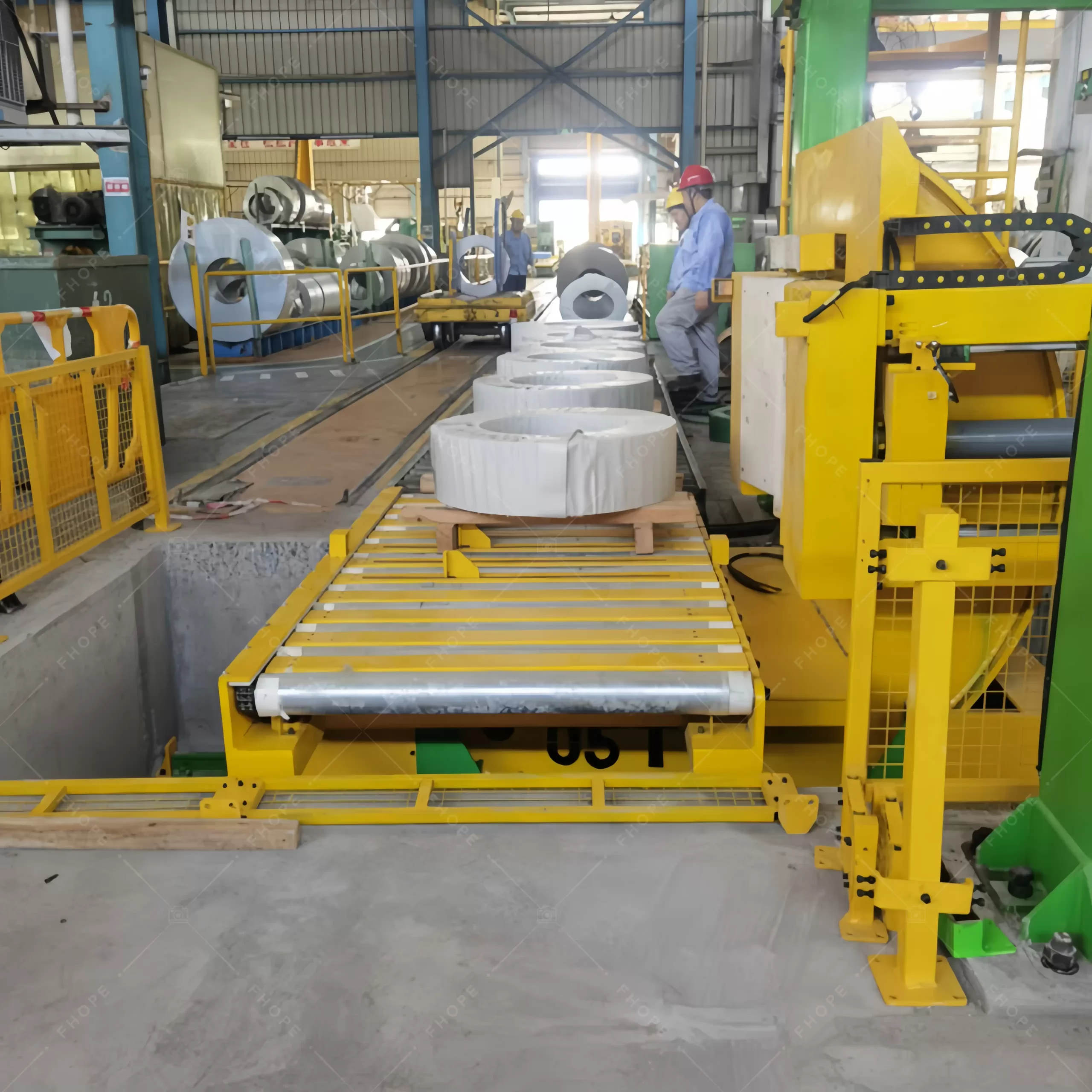
When I started my career in a packing machine factory, I saw these problems first-hand. Workers struggled with heavy coils. They used slow, manual strapping tools. The results were often inconsistent. This directly impacted the factory’s ability to deliver on time and with quality. Today, these challenges are even greater. The market demands more speed and higher quality. Relying on outdated methods means you are always playing catch-up. Let us look at the specific ways old packing methods hurt your business.
- Product Diversity and Manual Switching Struggles
- Many steel plants in Spain produce different types of coils. These include cold rolled, galvanized, and pre-painted coils. Each type has different packing needs.
- Manual systems require workers to change settings by hand. This takes a lot of time. It also leads to mistakes. ⏱️
- For example, changing from PET strapping for one coil type to steel strapping for another is complex. It slows down the whole line.
- This constant switching lowers overall output. It also increases the chance of human error.
- Think about a production director like Ivan. He manages hundreds of tons of daily shipments. Manual switching makes his job much harder. It directly impacts his efficiency goals.
- Spain’s industrial future needs flexibility. Old systems offer very little of this. This limits their ability to adapt to changing market demands.
- Labor Shortages and High Intensity Work
- The packing area often involves hard, physical labor. Workers lift heavy tools. They move around large coils.
- In many parts of Europe, including Spain, it is hard to find young workers for these jobs. The work is physically demanding. It can be dangerous. ⚠️
- This leads to high worker turnover. It also means factories depend on a smaller, aging workforce.
- If a worker is sick or leaves, the packing line can stop completely. This causes major disruptions.
- Ivan shared that relying on manual strapping and wrapping is not sustainable. I agree completely. I have seen factories struggle when they do not have enough people. This makes automation not just an option, but a necessity for operational stability.
- This lack of reliable labor impacts production schedules. It also drives up training costs for new staff.
- Inconsistent Packing Quality and Customer Complaints
- Manual packing leads to varying results. One worker might apply film too loosely. Another might not tighten straps enough.
- This inconsistency causes problems during transport. Coils can shift. They can get scratched or damaged. 📦
- Loose straps mean coils can unravel. Damaged packaging makes a bad impression on customers.
- When customers receive damaged goods, they complain. They might return products. They might even ask for penalties. 💸
- For export clients, this is even more critical. They need perfect packaging. They often require specific certifications like CE or ISO.
- Manual processes simply cannot guarantee this level of precision every time. This directly threatens business relationships and future sales. It harms the reputation of Spanish steel.
- Increased Costs and Reduced Safety
- Manual packing increases overall costs. There are higher labor costs. There is more material waste due to errors.
- Also, the risk of workplace injuries goes up. Workers handle heavy equipment. They work close to large, moving coils. 🚑
- Accidents lead to lost work time. They also mean higher insurance costs.
- Ivan’s concern about reducing injuries and labor intensity is valid. I have always prioritized safety in my factory designs. Old methods often put workers at unnecessary risk. This is not sustainable or ethical for modern industry. Spain needs to protect its workforce.
- These factors combine to create a significant drag on profitability. They also reduce a factory’s ability to compete. This makes a strong case for urgent change.
How Does Automation Transform Steel Coil Packing Operations?
Are you tired of bottlenecks and inconsistent packing quality? Do manual processes limit your production capacity? Many steel producers face these problems. But there is a solution. Automation changes everything. It turns a slow, error-prone process into a smooth, efficient operation.
Automation transforms steel coil packing operations by integrating all steps into a seamless system, drastically improving efficiency, ensuring consistent high-quality packaging, and significantly reducing the need for manual labor, which directly addresses challenges like product diversity and worker shortages in Spain. It makes the entire packing process faster and more reliable.

At FHOPEPACK, we believe in smart solutions. I have seen how a well-designed automatic packing line can completely change a factory. It is not just about adding machines. It is about creating a system that works together. This system takes the heavy lifting and the guesswork out of packing. It empowers your workforce and strengthens your production flow. Let us look at how this transformation happens.
- Seamless Integration and Increased Throughput
- An automatic coil packing line connects different stages. These stages include turning, wrapping, strapping, labeling, and stacking.
- This integration means coils move smoothly from one step to the next. There are no delays between processes. ➡️
- For Ivan, this means his packing line can keep up with the hundreds of tons of steel coils leaving the cold rolling and slitting workshops daily.
- When I designed my own factory lines, the goal was always minimal downtime. Automatic systems achieve this. They operate continuously, often 24 hours a day, two shifts. This capability is critical for modern steel plants in Spain that need maximum output.
- It also means less human intervention. This lowers the chance of errors. It speeds up the entire packaging process. This directly translates to higher shipping capacity. It helps meet tight delivery schedules.
- Adaptability for Diverse Products and Sizes
- Modern packing lines are highly flexible. They can handle different coil sizes and weights automatically.
- For instance, they can adjust to coils ranging from 1 to 3 tons. They also adapt to various inner and outer diameters. 📏
- This is crucial for steel factories like Ivan’s. They produce diverse products. These include cold rolled, galvanized, and color-coated coils.
- The system can switch between PET strapping and steel strapping. It can also change between shrink film and stretch film. This happens with minimal manual input.
- My experience taught me that customization is key. A good packing solution is not one-size-fits-all. It needs to be tailored. It must handle all your product variations without slowing down production. This adaptability secures Spain’s ability to produce diverse steel products. It also allows them to meet various customer needs effectively.
- Consistent Quality and Superior Protection
- Automatic machines apply packing materials with consistent tension. They use precise measurements every time.
- This ensures every coil receives the same high-quality protection. It prevents loose wrapping or straps. ✅
- The result is excellent protection against moisture, rust, and scratches. This is vital for long-distance transport. It is also important for storage.
- For export customers, this is non-negotiable. They need packaging that meets global standards. They expect CE/ISO certified packaging. They also need automatic barcode labeling.
- I often tell clients that consistent quality builds trust. It reduces complaints. It ensures products arrive in perfect condition. This directly improves customer satisfaction and strengthens business relationships. Spain’s steel reputation depends on this quality.
- Reduced Labor Dependency and Enhanced Worker Utilization
- Automation drastically cuts down the need for manual labor in the packing area.
- Machines handle the heavy lifting, turning, and wrapping. This reduces the physical burden on workers. 🤖
- This helps solve the problem of labor shortages. It also improves worker retention. Young workers are more likely to stay in jobs that are less physically demanding and safer.
- Instead of doing repetitive, strenuous tasks, workers can monitor the system. They can perform maintenance. They can focus on higher-value activities.
- From my own journey, I learned to leverage technology. It makes operations more sustainable. It also creates a better work environment. This is a win-win for Spanish factories. It frees up human talent for more complex and strategic roles.
What Quality Standards Can an Advanced Packing Line Deliver for Export?
Are your current packing methods falling short of international standards? Do you struggle with strict export requirements like CE or ISO certifications? Many steel producers face challenges in meeting these high benchmarks. Poor packaging quality can lead to rejected shipments, financial penalties, and a damaged reputation. This is a serious issue for any business looking to compete globally.
An advanced steel coil packing line can deliver world-class quality standards for export by consistently applying precise packaging materials, integrating automated labeling and certification processes, and providing robust protection against environmental factors, thus ensuring compliance with international regulations like CE/ISO and meeting the high expectations of global customers. This level of quality is essential for Spain to grow its international market share.
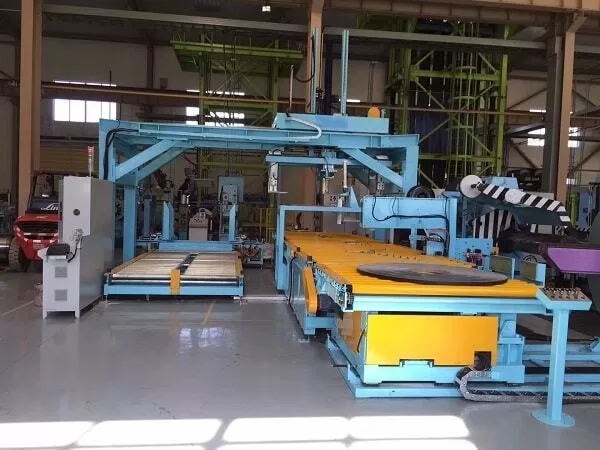
When I founded FHOPEPACK, one of our core aims was to help clients meet global demands. I have seen how a factory’s packing quality can make or break an export deal. It is not just about putting a cover on a coil. It is about guaranteeing its integrity from your factory floor to the customer’s site, anywhere in the world. Let us look at how advanced packing lines achieve this high level of quality.
- Precision Application of Packaging Materials
- Automatic packing lines use exact measurements. They apply stretch film or shrink film with consistent tension.
- This prevents loose wrapping. It ensures a tight, secure cover for every coil. 🎯
- For strapping, machines use precise force. They apply PET or steel straps evenly. This holds the coil firmly in place.
- This precision is critical for preventing damage during transit. It protects coils from shifting or unraveling.
- I recall one client who faced constant issues with loose straps. Their manual process was inconsistent. After installing an automated system, their complaints dropped to zero. This shows the power of precision. It helps Spain meet its export quality goals.
- Robust Protection Against Environmental Factors
- Advanced packing solutions combine different materials for maximum protection.
- They use stretch film or shrink film to create a moisture-proof barrier. This protects against rust and corrosion. 💧
- Often, they add VCI paper or desiccant inside the wrap. This gives extra protection against humidity.
- The outer layer, whether film or strap, also prevents scratches and impacts.
- Think about a coil traveling from Spain to a humid coastal region. Without proper protection, it could rust before arrival. An automated system guarantees this protection every time. This is vital for maintaining product integrity. It makes sure your steel arrives in perfect condition.
- Integrated Certification and Labeling
- Modern packing lines can automatically apply labels and barcodes. These labels carry important information. This includes product specifications, origin, and certifications. 🏷️
- This automation makes sure every label is placed correctly. It guarantees that all necessary information is present.
- For export, customers often require specific certifications. These include CE or ISO standards. An automated system can ensure all packaging meets these requirements consistently.
- I learned that compliance is not just a checkbox. It is a promise to your customer. Automated labeling reduces human error. It speeds up the certification process. This helps Spanish companies streamline their export operations. It strengthens their reputation for reliability.
- This capability means fewer delays at customs. It also means greater trust from international buyers.
- Meeting Specific Customer Requirements (Customization)
- Customers have varied needs. Some might want a specific number of straps. Others might require a particular type of film.
- An advanced packing line can be programmed to meet these exact specifications. It allows for quick adjustments based on order details. 🛠️
- For example, a client might require extra heavy-duty strapping for overseas shipping. The system can switch to this setting easily.
- This adaptability means you can satisfy a wider range of customers. It allows you to enter new markets.
- I always tell my team: “The customer’s need is our command.” An automated system gives you the power to fulfill diverse demands without compromise. This flexibility is a huge advantage for Spanish steel companies. It helps them capture more export opportunities.
- It also minimizes the risk of customer complaints related to non-compliant packaging. This protects your business from costly reworks or returns.
How Can a Coil Packing Line Improve Safety and Reduce Costs?
Are your workers exposed to risks in the packing area? Do high labor costs and material waste eat into your profits? These are common challenges in many steel factories. They affect both the well-being of your employees and your financial health. Ignoring these issues can lead to accidents, increased expenses, and a less competitive business.
A coil packing line improves safety by automating hazardous manual tasks, which drastically reduces the risk of workplace injuries, and it reduces costs by optimizing material usage, cutting down on labor expenses, and boosting production continuity, making it a critical investment for Spain’s industrial future. This dual benefit creates a more sustainable and profitable operation.

From my own experience, I know that worker safety and cost efficiency are two sides of the same coin. When I first started working in factories, I saw the dangers of manual handling. I also learned how much waste could happen with inefficient packing. At FHOPEPACK, we design solutions that protect people and profits. Let us explore how automated packing lines achieve these crucial outcomes.
- Enhanced Worker Safety by Eliminating Manual Handling
- Manual coil packing involves significant risks. Workers often use cranes or forkllifts to move heavy coils. They also manually apply straps and wrap.
- These tasks can lead to accidents. Workers can suffer injuries from heavy lifting. They can also be hit by moving machinery. 🚫🤕
- An automatic coil packing line takes over these dangerous jobs. Machines handle the lifting, turning, and positioning of coils.
- This means workers stay at a safe distance. They supervise the process instead of performing risky physical tasks.
- Ivan’s goal of mechanized replacement of manual lifting and turning is exactly right. This change drastically lowers the rate of accidents. It reduces the physical strain on workers.
- I have always believed that a safe workplace is a productive workplace. Investing in automation is an investment in your employees’ well-being. This is essential for Spain’s industrial responsibility. It helps create a healthier workforce.
- Significant Reduction in Labor Costs
- One of the biggest cost savings comes from reducing reliance on manual labor.
- An automated line can do the work of several people. This allows factories to reassign workers to other critical areas. Or it can reduce the overall workforce needed for packing.
- With fewer people needed in the packing area, companies save on wages, benefits, and training costs. 💰
- This is especially important in regions like Spain where labor costs can be high. It also addresses the challenge of labor shortages.
- When I expanded my own factory, I found that smart automation allowed us to grow without constantly hiring more staff for manual tasks. This made us more agile and cost-effective.
- The initial investment in machinery quickly pays for itself through these ongoing labor savings. It makes your operation more competitive in the long run.
- Optimization of Packaging Material Usage
- Manual packing often leads to waste. Workers might use too much film. They might apply too many straps. They might make mistakes that require re-packing.
- Automated systems are precise. They use the exact amount of material needed for each coil.
- This reduces material waste significantly. It means you buy less film, fewer straps, and less protective paper. ♻️
- Over time, these savings add up to a substantial amount. They contribute directly to your bottom line.
- I often compare it to cooking. A good recipe with precise measurements gives the best result with no waste. An automated packing line is like a precise recipe. It guarantees optimal material use.
- This also helps the environment by reducing waste. It aligns with modern sustainability goals for industries in Spain.
- Improved Production Continuity and Reduced Downtime
- Manual processes are prone to human error and fatigue. These factors can lead to frequent stops and slowdowns.
- An automated system works continuously. It does not get tired. It operates at a consistent speed. ⚙️
- This ensures a smooth flow of products. It keeps the entire production line moving without interruption.
- When the packing stage is efficient, the upstream processes are not held back. This maximizes overall factory output.
- Ivan’s goal is to increase production continuity. This is exactly what an automated line delivers. It removes the bottleneck at the end of the line.
- My journey taught me that downtime is costly. Every minute the line is not running, you lose money. Automation minimizes this risk. It keeps your Spanish factory producing at its full potential. This increases overall profitability and efficiency.
My Insights: Why Spain Needs to Embrace Advanced Packing Solutions Now?
Do you feel the pressure to innovate but worry about the disruption of new technology? Are you hesitant to invest in a major upgrade? Many industrial leaders in Spain face these internal debates. They know change is coming. They wonder if now is the right time to act. My experience tells me the answer is a clear “yes.”
Spain needs to embrace advanced packing solutions now because the global steel market is evolving rapidly, demanding higher efficiency, impeccable quality for exports, robust safety standards, and sustainable operations, all of which only automated coil packing lines can consistently deliver, securing a competitive edge for Spanish manufacturers. Waiting only puts your business further behind.
My journey in the packing machine industry started on the factory floor. I saw the challenges. I also saw the immense potential for improvement. I later built FHOPEPACK because I believed in sharing knowledge and providing the best customized packing solutions. I achieved financial independence through this path. I helped many clients grow their businesses by adopting better technology. I am grateful for the opportunities coil packing, handling machines, and pallet changing machines gave me. Now, I dedicate myself to giving back. I share my expertise. I help others succeed.
- The Urgent Need for Competitive Advantage
- The global steel market is tough. Competition comes from all over the world.
- Spanish steel producers must find ways to stand out. They need to be more efficient. They need to offer better quality. ⭐
- Advanced packing lines provide this edge. They allow faster production. They ensure consistent, high-quality output.
- This is not just about keeping up. It is about leading. It is about making sure Spain’s steel industry remains a strong player on the world stage.
- For someone like Ivan, the pressure to maintain market position is constant. Automated solutions offer a clear path to achieve this.
- I saw many companies struggle when they did not adapt. Those who embraced innovation thrived. Spain’s future depends on this proactive approach.
- Addressing the Human Factor and Sustainability
- Labor shortages are a growing problem, not just in Spain but globally.
- Physically demanding jobs are hard to fill. Automation helps solve this. 🤝
- It also improves the working conditions for existing employees. They can focus on more skilled tasks. They work in a safer environment.
- This leads to better employee morale and retention. It makes the steel industry a more attractive place to work.
- Furthermore, efficient material use reduces waste. This supports environmental goals. It makes your operations more sustainable.
- I believe in technology that serves humanity. Automation in packing does exactly that. It protects workers. It reduces environmental impact. This is crucial for Spain’s long-term industrial health.
- Building Long-Term Partnerships for Success
- Investing in a full automatic Coil Packing Line is a big step. It requires more than just buying a machine.
- It requires a partner who can offer a turnkey project. This includes design, installation, training, and ongoing support.
- Ivan rightly seeks a supplier who can provide comprehensive after-sales training and spare parts. This ensures continuous operation. 🤝
- At FHOPEPACK, we understand this need deeply. We do not just sell machines. We provide complete solutions. We build relationships.
- My experience building my own factory showed me the value of reliable partners. They make sure your investment keeps paying off.
- For Spain’s industrial future, choosing the right partner is as important as choosing the right technology. It secures your operations for years to come.
- Embracing the Future, Not Just Fixing the Past
- Many factories upgrade to fix current problems. This is important.
- However, an advanced packing line does more. It prepares you for future demands. 🚀
- It gives you the flexibility to adapt to new product types. It helps you meet even stricter quality standards. It prepares you for new export markets.
- This proactive approach ensures your business remains resilient. It stays competitive regardless of market changes.
- I have always looked forward. I believe in designing solutions that are future-proof. This mindset helps businesses like yours in Spain not just survive, but truly thrive.
- The time to invest in this future is now. Do not wait for challenges to become crises. Take control of your packing operations today.
Conclusion
Investing in an automatic coil packing line is no longer an option, but a necessity for Spain’s steel industry. It enhances efficiency, guarantees product quality for export, improves worker safety, and secures a competitive future. Embrace these advanced solutions now to transform your operations and lead the market.








