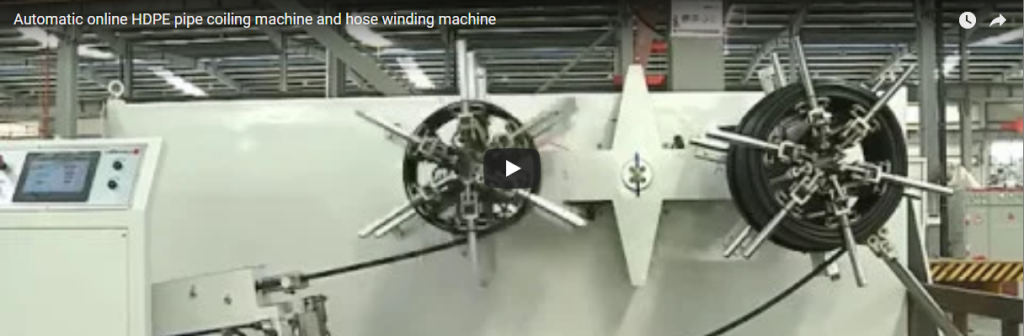
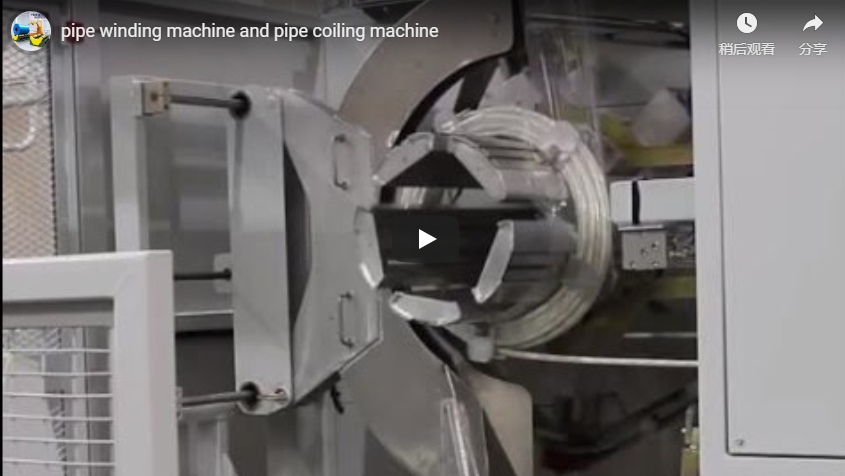
Rezumat executiv Acest videoclip prezintă o mașină de înfășurat sârmă de oțel construită în jurul unei mese rotative, un braț de presare și prindere montat în partea superioară și o etapă de încărcare și finisare în principal manuală. O bobină este plasată de un operator, fixată în centru, înfășurată strâns pe placa rotativă și returnată operatorului pentru următorul ciclu. Filmările confirmă secvența de lucru de bază a mașinii, dar nu prezintă specificații, certificări de siguranță sau caracteristici de automatizare - aceste puncte trebuie verificate cu producătorul înainte de cumpărare.
De ce există această mașină
Fiecare fabrică de prelucrare a sârmei are aceeași problemă zilnică: sârma de oțel care părăsește o linie de tragere sau sosește de la un furnizor este adesea slăbită, încurcată sau înfășurată inconsistent. O bobină înfășurată necorespunzător provoacă blocaje în aval, desfacere neuniformă și deteriorarea suprafețelor sârmei. Mașina prezentată în acest videoclip abordează această problemă într-un mod deliberat simplu - ține o bobină în centru, o rotește pe o cale ghidată de sârmă și produce un disc de sârmă strâns și uniform.
Titlul spune că aceasta este o mașină construită „pentru a satisface nevoile specifice ale clienților”, iar filmările sunt în concordanță cu această afirmație. Aceasta nu este o celulă de linie de producție complet automată, pentru volum mare. Este o stație de bobinare compactă, cu un panou de control în mare parte fizic, încărcare manuală și finisare manuală. Acest tip de mașină este de obicei ales atunci când un client are nevoie de formarea flexibilă a bobinelor în loturi mici spre medii, mai degrabă decât de un randament fără personal - dar această interpretare ne aparține, iar cerințele personalizate exacte din spatele acestei construcții ar trebui confirmate direct cu FHOPE.
Ce arată videoclipul
Videoclipul durează puțin peste patru minute și parcurge trei faze vizibile. Munca camerei este realizată manual și informală, dar secvența mașinii este clară:
| Timp | Ce se întâmplă |
|---|---|
| ~0–42 secunde | Imagine statică de deschidere: cadru de oțel albastru, o bobină de sârmă de oțel neagră sprijinită pe platanul central, brațul suspendat deasupra aparatului în poziție de mers în gol. Gard din plasă de sârmă și bobine de sârmă stivuite vizibile în fundal. |
| ~49–77 secunde | Brațul apasă în jos în timp ce un suport lateral se rotește. Brațul se închide în centrul bobinei, platanul se rotește încet în sens invers acelor de ceasornic, iar sârma este înfășurată uniform pe miez, formând o bobină mai densă. |
| ~84–105 secunde | Un operator purtând mănuși și ochelari de protecție intră, brațul se ridică, masa se oprește, iar operatorul ghidează și fixează capătul sârmei, pregătind următoarea bobină. |
| ~105–160 secunde | Operatorul cară un mănunchi de sârmă spiralată de la un suport din dreapta la stația centrală rotativă. Camera se deplasează scurt la o mașină lungă cu mai multe stații, cu apărători de ridicare în fundal - o altă zonă de producție a aceluiași atelier. |
| ~168–238 secunde | Prim-plan al înfășurării în curs: clema este închisă pe centrul bobinei, sârma este așezată de-a lungul unei traiectorii spiralate într-un disc strâns, iar o tijă de ghidare subțire se extinde din braț. Videoclipul se încheie cu o panoramică largă a atelierului și o linie de procesare mai lungă. |
Trei observații se remarcă din această secvență:
- Metoda de prindere este simplă și vizibilă. Un cap cu doi dinți (tip furcă) de pe braț se introduce în orificiul central al bobinei și apasă în jos. Aceasta menține bobina în timp ce masa se rotește.
- Înfășurarea este o mișcare continuă. Odată fixată, bobina se rotește constant, iar firul se acumulează în straturi, fără întrerupere vizibilă sau atingere din partea operatorului.
- Încărcarea și descărcarea se fac manual. Un singur operator mută fasciculul de sârmă în poziție, ajustează traseul sârmei și fixează capetele manual.
Note de observație directă
Următoarele puncte sunt menținute fidele imaginii, fiind editate doar ușor la nivel gramatical:
- Corpul mașinii este un cadru din oțel vopsit în albastru, care prezintă urme de uzură și ulei; brațul și clema sunt din metal gol, cu o suprafață oxidată închisă la culoare.
- Principalele componente vizibile: un cadru vertical stâng care adăpostește o cutie de control; un braț central care coboară și susține, terminându-se cu o clemă în formă de furcă; o masă rotativă rotundă cu fante de fixare; un suport în partea dreaptă, în formă de trepied, pentru bobine sau miezuri de rezervă.
- Panoul de control se află în partea inferioară a cadrului din stânga și are cel puțin patru butoane rotative, lumini indicatoare și un buton pătrat; o a doua casetă de control încorporată, cu aproximativ șase butoane negre, apare în partea dreaptă a aparatului. Nu este vizibil niciun afișaj digital sau ecran tactil.
- Piesa de prelucrat este o bobină de sârmă de oțel, estimată la aproximativ 30-40 cm în diametru și 10-20 cm înălțime, cu un diametru vizual al sârmei de aproximativ 2-4 mm. Valorile exacte nu pot fi confirmate din videoclipuri.
- Sârma este înfășurată strâns în aproximativ 15-20 de straturi vizibile, fără goluri evidente între straturi; bobina finită stă vertical pe masa rotativă.
- Fundal: gard din plasă de sârmă înalt de aproximativ 1.5 m în jurul zonei de lucru, un indicator de avertizare triunghiular galben pe peretele îndepărtat și o mașină lungă cu mai multe stații, cu apărători rabatabile în partea superioară, în altă parte a atelierului.
- Nu apare text lizibil nicăieri în videoclip. — nicio plăcuță cu numele, etichetă, marcă comercială, filigran sau legende nu era lizibilă.
Ceea ce nu arată videoclipul
Deoarece acest videoclip este o prezentare silențioasă doar cu muzică de fundal, multe lucruri de care are nevoie un cumpărător pur și simplu nu sunt pe ecran:
- Puterea nominală a mașinii, specificațiile motorului și cutiei de viteze sau tensiunea de alimentare
- Viteza de înfășurare, timpul de ciclu per bobină sau capacitatea de ieșire
- Limitele maxime și minime ale diametrului, lățimii și greutății bobinei
- Gama de diametre ale sârmei și compatibilitatea materialelor
- Indiferent dacă este disponibil controlul tensiunii, detectarea ruperii firului sau monitorizarea online
- Certificări de siguranță (CE, ISO sau altele) și poziții de oprire de urgență
- Numele modelului, plăcuța producătorului sau numărul de serie — niciunul nu este lizibil
- Opțiuni pentru upgrade-uri de automatizare, colectare de date sau integrare de linie
Tratați toate acestea ca fiind verificate cu elementele producătorului . Nu presupuneți că mașina are sau nu are vreunul dintre acestea doar pe baza acestor înregistrări.
Cum se desfășoară un ciclu tipic de înfășurare
Pe baza secvenței de mai sus, un ciclu funcționează astfel:
- A incarca — operatorul plasează o bobină sau un fascicul de sârmă pe masa rotativă și o aliniază cu dispozitivul central de fixare.
- Clemă — brațul suspendat coboară, clema în formă de furcă intră în orificiul central al bobinei, iar brațul apasă în jos pentru a bloca bobina în poziție.
- Eoliene — masa se rotește într-un ritm constant în timp ce sârma este ghidată de-a lungul unei traiectorii spiralate, formând straturi dense și uniforme.
- Eliberare și finalizare — brațul se ridică, rotația se oprește, iar operatorul fixează și ajustează manual capătul sârmei înainte de a începe următoarea bobină.
Dependența vizibilă de un operator la începutul și sfârșitul fiecărui ciclu merită menționată: acest design favorizează flexibilitatea și simplitatea față de automatizarea completă a liniei. Dacă acest lucru se potrivește modelului dumneavoastră de producție depinde de dimensiunile loturilor și de situația forței de muncă.
Unde se potrivește acest tip de mașină
| Potrivit | Potrivire necorespunzătoare (pe baza a ceea ce este vizibil) |
|---|---|
| Loturi mici și medii de rulouri de sârmă de oțel înfășurată | Linii de producție complet automatizate, fără personal operator |
| Ateliere care necesită schimbări flexibile între dimensiunile bobinelor | Aplicații care necesită feedback de tensiune în buclă închisă la fiecare ciclu |
| Instalații în care o etapă de legare sau înfășurare în aval termină bobina | Operațiuni care necesită încărcare, tăiere și ejectare automată |
| Cumpărători care doresc o stație de înfășurare simplă, controlată mecanic | Facilități care necesită HMI-uri cu ecran tactil și rețete de parametri |
Dacă bobina dumneavoastră trebuie legată cu bandă sau înfășurată după înfășurare, FHOPE construiește mașini downstream adecvate — consultați paginile aferente de mai jos.
Întrebări de pus înainte de cumpărare
Aduceți această listă de verificare la conversația cu furnizorul:
- Ce interval de diametre ale sârmei și materiale poate înfășura această mașină — și este clema reglabilă pentru fiecare?
- Care sunt diametrul, înălțimea și greutatea maximă a bobinei?
- Care este timpul de ciclu per bobină cu un singur operator?
- Este disponibil controlul tensiunii sau detectarea ruperii firului, acum sau ca opțiune?
- Poate fi modernizat panoul de control (de exemplu, la un sistem PLC/HMI) dacă cerințele cresc?
- Ce interblocări de siguranță, opriri de urgență și opțiuni de protecție sunt oferite?
- Ce documente de certificare (CE sau echivalente locale) sunt furnizate?
- Care sunt termenele de livrare, disponibilitatea pieselor de schimb și condițiile de asistență post-vânzare?
Mai multe dintre aceste puncte — în special controlul tensiunii, dispozitivele de blocare a siguranței și certificările — nu au putut fi evaluate deloc din înregistrarea video, așa că confirmarea scrisă este importantă.
Observații de siguranță
Filmările prezintă bune practici de bază: operatorul poartă mănuși și ochelari de protecție, iar o gardă din plasă înconjoară parțial zona de lucru. Cu toate acestea, niciun buton de oprire de urgență, nicio perdea luminoasă sau niciun sistem de blocare a ușii nu erau clar vizibile în niciun cadru. Un semn de avertizare triunghiular galben apare în fundal, dar nu conține text lizibil. Dacă evaluați acest tip de mașină, discutați cu producătorul despre pachetul complet de siguranță - opriri de urgență, interblocări, protecție în jurul brațului mobil și al mesei rotative - înainte de instalare. Nu introduceți niciodată mâna în zona de prindere în timp ce brațul este în mișcare și nu vă apropiați de masa rotativă în timpul rotației.
Întrebări frecvente
Este această mașină complet automată? Nu. Videoclipul prezintă încărcarea manuală și finisarea manuală a capetelor de sârmă, cu prindere, rotire și înfășurare automată între ele. Verificați cu producătorul dacă există variante semiautomate sau complet automate.
Ce dimensiuni de bobine poate suporta? Bobinele din videoclip par să aibă un diametru de aproximativ 30-40 cm, dar nu este menționat sau citit niciun interval oficial de dimensiuni nicăieri în înregistrare. Verificați limitele de capacitate cu producătorul.
Are control al tensiunii? Nu este vizibil niciun sistem de control al tensiunii, iar videoclipul nu poate confirma dacă există unul. Aceasta este o întrebare cheie de pus înainte de a comanda, deoarece tensiunea afectează direct consistența bobinei.
Este potrivit pentru alte tipuri de sârmă decât oțelul? Videoclipul prezintă doar sârmă de oțel închis la culoare. Compatibilitatea cu sârma inoxidabilă, galvanizată sau acoperită nu este demonstrată - verificați cu producătorul.
Ce face mașina din fundal? Camera arată pe scurt o mașină lungă cu mai multe stații și apărătoare de ridicare, probabil parte a aceleiași zone de producție, dar funcția sa nu este demonstrată. Nu trebuie trase concluzii din acele câteva secunde.
Se poate conecta la o linie de legare sau înfășurare? Nu este afișat în videoclip. FHOPE produce mașini de legat cu banda din sârmă de oțel și mașini de înfășurat rulouri de sârmă (link-ul este mai jos), așa că întrebați despre combinarea lor într-un singur flux de manipulare.
Citire conexă
- Mașină de curele din sârmă de oțel — fixarea bobinelor de sârmă înfășurată cu benzi de fixare
- Mașină de ambalat bobine de oțel — protejarea rulourilor de oțel mai mari pentru depozitare și transport
- Mașină de împachetat bobine de sârmă — înfășurare dedicată pentru bobine de sârmă de diferite dimensiuni
- Mașină de încordat țevi de oțel — soluții de legare cu banda pentru produse tubulare
- Mașini de ambalat extensibil — opțiuni generale de ambalare extensibilă pentru ambalaje industriale
Urmatorul pas
Dacă această abordare a înfășurării se potrivește dimensiunilor bobinelor și volumelor loturilor dvs., cea mai rapidă cale este să trimiteți către FHOPE diametrul sârmei, dimensiunile bobinei și producția țintă și să solicitați o propunere cu specificații confirmate, opțiuni de siguranță și timp de livrare. Vizitați pagina noastră de contact pentru a începe această conversație - construcțiile personalizate precum aceasta sunt cotate în funcție de cerințele dvs. reale, nu de o fișă tehnică generică.
Sursă și metodă: Acest articol se bazează pe videoclipul YouTube încorporat mai sus. Materialul filmat a fost analizat cadru cu cadru folosind un model vizual pe imagini statice eșantionate; videoclipul conține doar muzică de fundal, fără narațiune sau discurs de transcris. Toate observațiile descriu ceea ce este vizibil pe ecran; orice nu este vizibil este marcat ca necesitând confirmare din partea producătorului.
Publicat: 03-09-2026