Sumário executivo Fully automatic is not always the right step; semi-automatic operation puts the operator where two seconds of hands-on contact count, and the machine where consistency counts.
A professional semi-automatic rotary arm stretch wrapping machine runs an automated wrap cycle around a stationary pallet, with the operator attaching the film tail to begin a load and cutting it at the end. Load, film and cycle are confirmed per project.
Conteúdo
- What semi-automatic means
- The two operator steps
- The stationary load
- Why it beats hand wrapping
- Cost and flexibility vs full auto
- Floor and conveyor
- Configuração típica
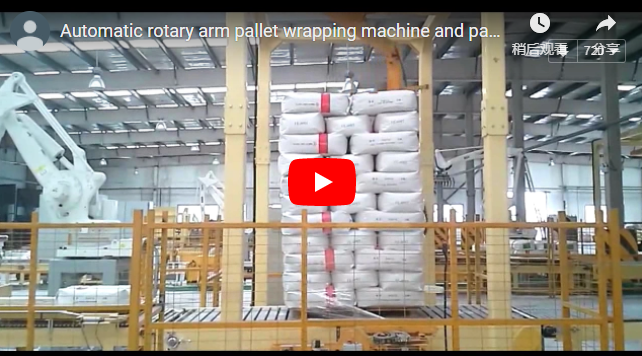
- O que o vídeo mostra
- Lista de verificação de seleção
- Controles e segurança
- Perguntas frequentes sobre engenharia
- Próxima etapa
- Leitura relacionada
- Fontes e normas
What semi-automatic means
The wrap cycle itself is automated: the rotary arm orbits the stationary pallet and the film applies itself in a consistent pattern. The semi-automatic part is the film handling. The operator attaches the film tail to the pallet before the cycle starts and cuts the film when it finishes.
The two operator steps
Every load takes two short hands-on steps. Before the cycle, the film tail is hooked onto the pallet so the arm can draw film round it. When the cycle ends, the film is cut and the wrapped pallet is taken away. Between those two moments, the machine does the work.
The stationary load
The pallet stays still on the floor or on a conveyor while the arm turns around it. Heavy, tall or unbalanced loads wrap without being spun, which is where a rotary arm earns its keep over a turntable on the same line.
Why it beats hand wrapping
A hand wrap varies with the operator’s reach and stamina. Here the tension, overlap and wrap count are set at the panel and repeat for every load. The only variable left is the operator’s two steps, which a routine user does the same way every time.
Cost and flexibility vs full auto
A semi-automatic machine costs less than a fully automatic wrapper and accepts more variation by hand, because the operator’s steps absorb the handling that a full system automates with conveyors and film transfer. For a line with several pallet types and modest volume, that trade is usually the right one.
Floor and conveyor
Floor loading is selected for forklift or pallet-jack staging at floor level, and conveyor pass-through is selected for continuous motorized lines, per project. Either way the unit sits on the floor and needs no turntable under the load.
Configuração típica
Os valores apresentados abaixo listam os limites funcionais do projeto, em vez de valores numéricos, e são confirmados por projeto.
| Parâmetro | Faixa típica, confirmada por projeto. |
|---|---|
| Ver | Dimensões, altura e peso da palete |
| Ciclo | automated arm and film tension |
| Etapas do operador | attach tail, cut film |
| Controlar | panel settings per product |
| Manuseamento | floor or conveyor pass-through |
| alimentação eléctrica | 380 V trifásico 50 Hz ou 220 V monofásico para máquinas leves, selecionado de acordo com o projeto para o fornecimento de energia da fábrica. |
O que o vídeo mostra
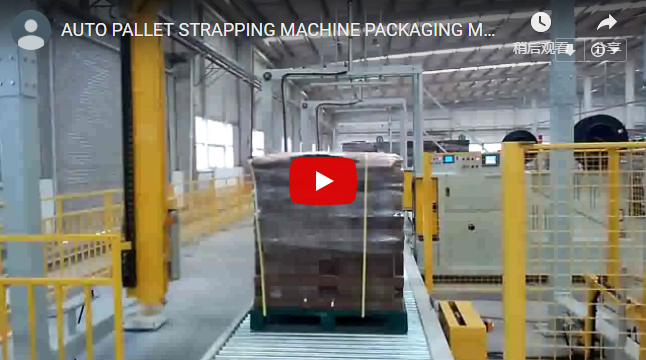
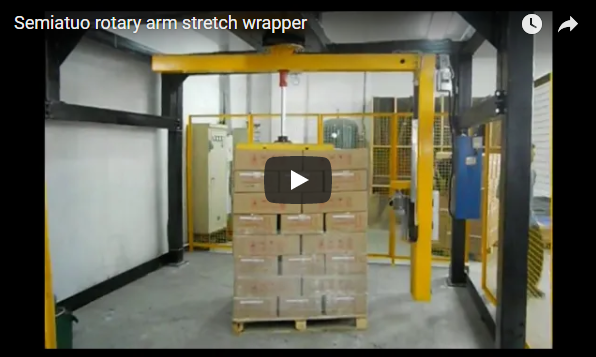
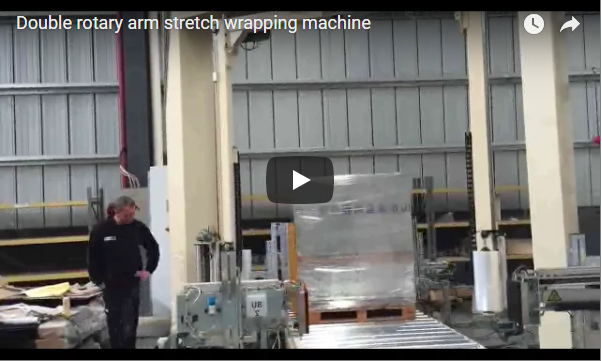
The demonstration displays the automated orbiting cycle around a stationary load, confirming the exact operator hand-off points at film attachment and cut. Load, film and cycle for your plant are confirmed with us per project.
Lista de verificação de seleção
| Questão | Confirme por projeto |
|---|---|
| Load sizes | pegada, altura, peso |
| Products per line | how many patterns to store |
| Manuseamento | floor or conveyor |
| Volume | semi-auto pace fit |
| Filme | gauge and pre-stretch |
| alimentação eléctrica | tensão, fase e frequência no local |
Controles e segurança
The wrapper runs from a control panel with an emergency stop at the operator position and guarding around the arm’s travel zone. Keep clear of the arm while the cycle runs; the operator works at the film tail outside the arm’s path. Routine checks cover arm balance, carriage, tension and safety devices, per the machine manual.
Perguntas frequentes sobre engenharia
Q: What does the operator actually do? A: Attaches the film tail before the cycle and cuts the film when it ends; the arm and film tension run the wrap.
Q: Why keep the load still? A: The arm orbits the pallet, so heavy, tall or unbalanced loads wrap without being spun.
Q: How is wrap consistency kept? A: Tension, overlap and wrap count are set at the panel and repeat load after load.
Q: Why not fully automatic? A: A semi-auto machine costs less and absorbs handling variation by hand, which suits several pallet types and modest volume.
Q: Does it need a turntable? A: No. The unit stands on the floor and the load passes through on floor handling or conveyor.
Próxima etapa
- Email us at info@fhopepack.com with your load sizes, products and volumes.
- We send a semi-automatic proposal and a layout drawing within 48 hours.
- Agendamos uma visita técnica para confirmar o andar e as instalações.
Leitura relacionada
- Gire a embalagem elástica do braço
- Gire a embalagem elástica do braço
- Envolvimento de paletes com filme stretch: tecnologia e melhores práticas
- Linhas de produtos de máquinas de embalagem FHOPE
Fontes e normas
- ISO 12100:2010 — Segurança de máquinas. Princípios gerais para projeto, avaliação de riscos e redução de riscos.
- EN 415-10:2014 — Segurança de máquinas de embalagem. Requisitos gerais
- EN ISO 13849-1:2023 — Segurança de máquinas. Partes de sistemas de controle relacionadas à segurança.
- FHOPE professional semi-automatic rotary arm stretch wrapping machine demonstration video. Reviewed as a general demonstration; load, film and cycle confirmed per project.
Última revisão: 10/10/2026