Przegląd
An automatic crate and tote dumper lifts a loaded crate or tote and tips it forward to empty bulk material — powder, granules or chips — into a hopper, so the downstream process stays fed without anyone lifting and tipping the load by hand. The machine shown uses a clamp-arm carriage that grips the container, lifts it, then rotates it forward over a horizontal axis to discharge the contents. This article explains how the dump cycle works, what to decide when matching a dumper to your crate and hopper, and what to confirm before ordering. It is written for plant engineers and production managers handling bulk bags, crates or totes in food, chemical, plastics or metalworking lines who want to remove manual tipping from the process.
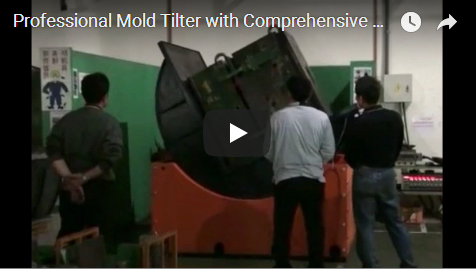
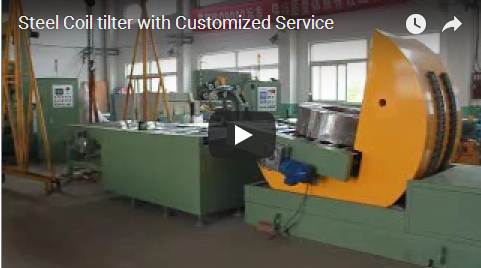
The video below shows the clamping, lifting and front-tipping cycle:
How the Dump Cycle Works
The dumper repeats a short four-step cycle that replaces manual tipping:
| Krok | Co się dzieje |
|---|---|
| Załadować | A full crate or tote is placed on the lift carriage at floor level. |
| Zacisk | The clamp arms grip the container so it cannot shift during lifting. |
| Wyciąg | The carriage raises the crate to the hopper inlet height. |
| Wskazówka | The carriage pivots forward over the hopper and the material discharges. |
| Powrót | The empty container comes back down for removal or reloading. |
The tipping action is a forward rotation of the clamped container around a horizontal axis, which suits free-flowing bulk material that must be emptied cleanly. For materials that empty less easily — sticky or bridging powders, for example — the tip angle and motion are set to the product; confirm the behavior of your material with the manufacturer.
Matching the Dumper to the Crate and Hopper
A dumper is built around the container it handles and the hopper it feeds. Settling these inputs before ordering determines the lift height, the clamp size and the pacing of the cycle:
| Wkład | Dlaczego decyduje o budowie |
|---|---|
| Crate or tote size and shape | The clamp and carriage are matched to the container. |
| Full weight of the load | Sets the lift drive and the frame duty. |
| Wysokość wlotu leja | Sets how high the crate must rise before tipping. |
| Filling rate of the line | Sets how often the dumper must cycle per hour. |
| Material type and flow | May require a longer tip or a steeper angle. |
| Powierzchnia podłogi i moc | Confirms the frame footprint and site supply. |
Two numbers drive most of the mechanical design: the crate outside dimensions and the full weight of a loaded crate. When several container sizes are used, every size should be stated so the clamp handles the full range.
Bezpieczeństwo i sterowanie
The lift and tip area is guarded so people stay clear of the moving carriage while the cycle runs; the guard keeps the clamping and tipping path closed during operation and the machine is stopped and isolated before anyone enters the working area. For CE markets, ISO 12100 sets the risk-assessment method and EN 415-10 sets general requirements for packaging machines; confirm the guarding documentation that applies to your market.
Testowanie i akceptacja w fabryce
Two practice points apply to planning acceptance on this machine family. First, the vendor’s stated practice is to run each machine through non-stop functional and safety testing before delivery — about 24 hours where stated — covering control systems and the emergency-stop function; treat this as the stated family practice, not a single-unit measurement. Second, confirm that the delivered unit includes the guarding and safety documentation required for your destination market.
FAQ
Q: What does the crate and tote dumper do?
A: It clamps a loaded crate or tote, lifts it, and tips it forward to empty bulk material into a hopper, removing manual tipping from the line.
Q: What materials can it tip?
A: Free-flowing bulk — powders, granules and chips — suits the forward-tip cycle; for sticky or bridging products confirm the tip angle and motion for your material.
Q: How is the dumper matched to my crate?
A: State the crate size and shape, the full weight of the loaded container and every size used, and the clamp and carriage are built to that range.
Q: How often can it cycle?
A: Rate depends on the lift height and hopper inlet. Provide your required fills per hour so the cycle is sized accordingly.
Q: Is the dumper guarded during operation?
A: Yes — the lift and tip area is guarded, and the machine is stopped before anyone enters the working area.
Następny krok
Send your crate and tote dimensions, full load weight, hopper inlet height, required cycles per hour and site supply details to the manufacturer so the dumper is sized and confirmed on the approval drawing.
Powiązane zasoby
- Hydraulic Box Dumper for Metal Chip Bins – Box and tote dumping solution for chip and bulk bins in the same family.
- Wywrotka hydrauliczna skrzyniowa i kontenerowa – Related tipper/dumper configuration for totes and boxes.