Sintesi
A steel cable coil has to travel as one stable load, and the packing line decides whether the coil is held, transported and wrapped cleanly. Choosing the right line starts from the coil range, then the way the coil is carried and clamped, then the wrap that protects the outer layer. A packing line for steel cable wire coil carries the coil between stations, clamps it for each step, and finishes with film or paper around the coil. Coil size, weight and wrap method are confirmed per project.
Sommario
- Start from the coil range
- Carry and clamp
- Wrap the outer layer
- Disposizione delle linee
- Cosa mostrano le immagini
- Configurazione tipica
- Lista di controllo per la selezione
- Funzionamento e sicurezza
- FAQ di ingegneria
- Passo successivo
- Lettura correlata
- Fonti e standard
Start from the coil range
The coil range is the first decision: outside diameter, width and weight tell how the coils are handled and what each station must carry. A steel cable coil is heavy, so the line plan starts from what the line will hold.
List the range you handle today and expect next year, then match each station to it. Coil range is confirmed per project.
Carry and clamp
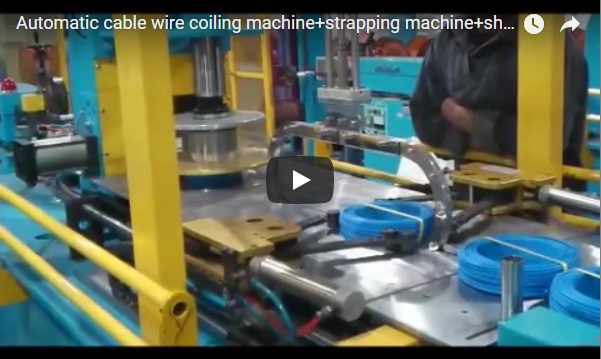
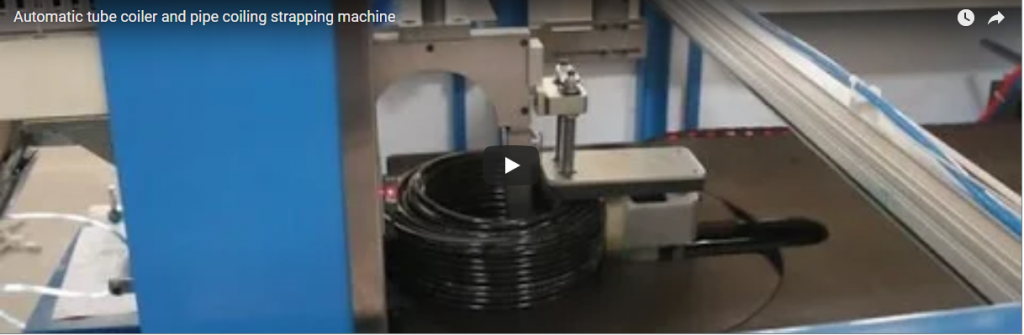
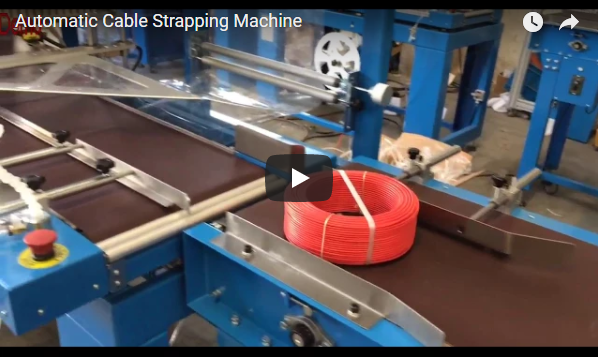
Coils need to move between stations without rolling, so the line carries them on a chain or roller conveyor with a locating device, and a clamp holds the coil for each step. The footage shows a coil held on a platform, clamped by an arm from above, and lifted to move along the line.
Stable carry and clamping stop the coil shifting during handling. Conveyor and clamp type are confirmed per project.
Wrap the outer layer
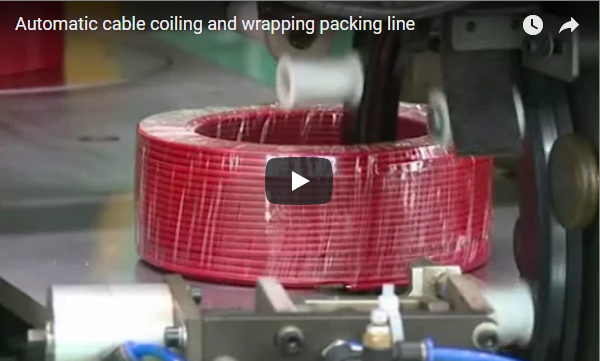
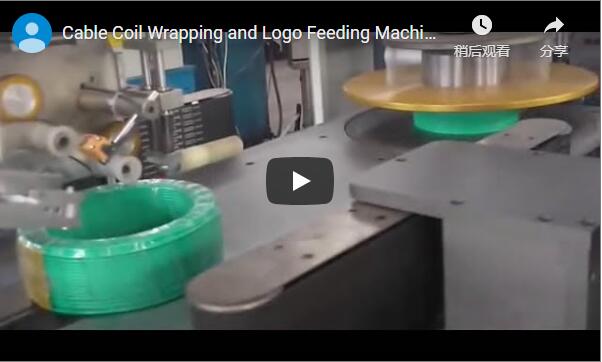
The outer layer of a cable coil must stay tight, so the packing step applies film or paper around the outside diameter at the wrap station. This holds the outer turns in place and keeps the coil clean.
Choose the wrap that matches how the coil is stored and shipped. Wrap material and pattern are confirmed per project.
Disposizione delle linee
The line runs the coil from the infeed, through carrying and clamping, to the wrap station and the outfeed, so the coil moves without being rehandled. Planning the layout first makes each station feed the next.
A straight layout with clear infeed and outfeed is simplest to run and maintain. Layout and stations are confirmed per project.
Cosa mostrano le immagini
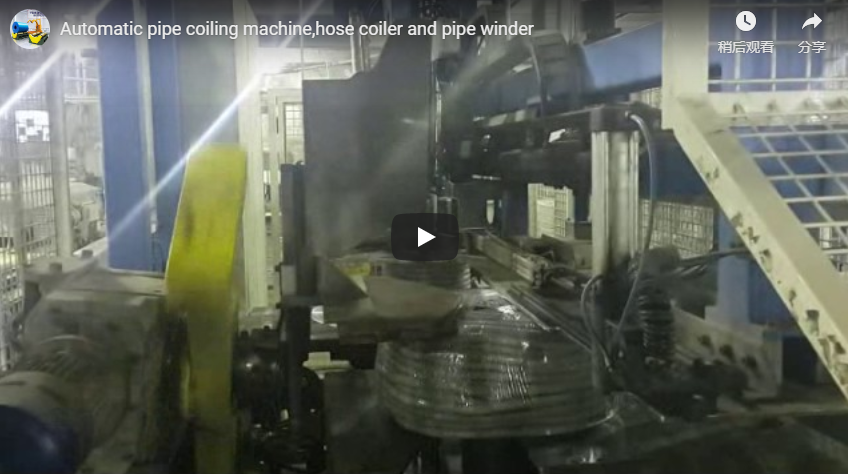
Our footage shows cable coils being carried between stations, clamped during handling, and reaching a wrap or packing stage with film or paper rolls in place. It is a general demonstration, so your coil range, line layout and wrap method are confirmed with us per project.
Configurazione tipica
Le cifre riportate di seguito indicano i limiti di progettazione funzionale anziché valori numerici e sono confermate per ogni singolo progetto.
| Parametro | Intervallo tipico, confermato per progetto |
|---|---|
| Caricare | steel cable coil |
| Portare | chain or roller conveyor |
| Morsetto | arm from above |
| Avvolgere | film or paper around diameter |
| Uscita | nastro trasportatore di uscita |
| Fornitura elettrica | 380 V trifase 50 Hz, oppure 220 V monofase per macchine leggere, da selezionare in base al progetto. |
Lista di controllo per la selezione
| La Domanda | Confermare per progetto |
|---|---|
| Gamma di bobine | outside diameter, width, weight |
| Trasporto | conveyor type and speed |
| bloccaggio | arm travel, hold force |
| Avvolgere | material, pattern, station |
| disposizione | alimentazione in entrata per alimentazione in uscita |
| Fornitura elettrica | tensione, fase e frequenza in loco |
Funzionamento e sicurezza
Start the line and the coils carry, clamp and wrap under power as each station runs. Keep clear of the conveyor, the clamp arms and the wrap station while the machine runs, with safety guarding around the working area.
Routine checks cover the conveyor drive, the clamps and the wrap station, per the machine manual. Confirm the coil range before planning each run.
FAQ di ingegneria
Q: How do I choose a packing line? A: Start from the coil range, then carry and clamp, then the wrap; use roller conveyors for rigid palletized loads and chain conveyors for heavy bare coils.
Q: Why does a clamp matter? A: It holds the coil still for each handling step.
Q: What wraps the coil? A: The wrap station applies stretch film for moisture and dust sealing, or paper for scuff protection on the outer diameter.
Q: How is the line laid out? A: From the infeed through carrying, clamping, wrapping to the outfeed.
Q: What does it suit? A: Steel cable wire coils in a packing line.
Passo successivo
- Email us at info@fhopepack.com with your coil range and line plan.
- Inviamo una proposta per la linea di confezionamento e un disegno di layout entro 48 ore.
- We arrange a site survey to confirm carry, clamp and wrap.
Lettura correlata
- Come scegliere una linea di confezionamento per bobine di cavi d'acciaio
- Linea di confezionamento coil automatica
- Confezionatrice per bobine in acciaio
- Linee di prodotti per macchinari di confezionamento FHOPE
Fonti e standard
- ISO 12100:2010 Sicurezza del macchinario, principi generali per la progettazione e la valutazione dei rischi
- EN 415-10:2014 Sicurezza delle macchine per l'imballaggio, requisiti generali
- EN ISO 13849-1:2023 Sicurezza delle macchine, parti dei sistemi di controllo relative alla sicurezza
FHOPE how to choose a packing line for steel cable wire coil demonstration video. Reviewed as a general demonstration; coil range, line layout and wrap method confirmed per project.
Ultimo aggiornamento: 11/10/2026