Sintesi
Long aluminum profiles are stacked by hand because they are awkward, and hand stacking is where injuries, scratches and leaning stacks come from. An automatic aluminum profile packing line stacks the profiles in even layers, places the dunnage between them and prepares the bundle for wrapping. We build aluminum profile packing lines for fabricators and extruders. Profile range and bundle pattern are confirmed per project.
Sommario
- Why profile stacking is a risk
- How the packing line runs
- Stacking in even layers
- Placing dunnage automatically
- Holding the bundle stable
- The safety gain
- Configurazione tipica
- Cosa mostra il video
- Lista di controllo per la selezione
- Funzionamento e sicurezza
- FAQ di ingegneria
- Passo successivo
- Lettura correlata
- Fonti e standard
Why profile stacking is a risk
Long, heavy aluminum profiles are handled manually in many plants, and hand stacking carries a string of problems. Lifting and positioning bulky profiles risks injuries to fingers, hands and feet. Inconsistent stacking misaligns layers, leaves uneven spacing and scratches the surface. Placing wooden dunnage between layers by hand is slow and raises labor cost, and a stack built unevenly can lean during storage. Those risks are why full lines exist to remove the hand from stacking.
How the packing line runs
The line takes the incoming profiles and runs them through stacking, dunnage placement and bundle preparation in sequence. Profiles arrive on the infeed, are arranged into even layers, the dunnage goes between the layers, and the bundle is held stable for the next station. Because the steps are connected, the line keeps pace with production instead of stopping at a manual stack. The profile range and line sequence are confirmed per project.
Stacking in even layers
The line stacks the profiles into even layers with consistent spacing and alignment. Even layers mean the stack carries its own weight without leaning, which is what a tall bundle needs in storage and transit. Alignment is set so the profiles sit parallel and square rather than fanned out. Stacking logic follows the profile cross-section and layer pattern, confirmed per project, so every layer repeats at the same quality.
Placing dunnage automatically
Wooden dunnage, or spacers, is placed between layers automatically, separating the profiles and bearing the load between them. Automatic placement ends the slow manual placement that holds up hand packing, and it puts the spacers at the right positions every time. Separation is what keeps one layer from sitting on and scratching the layer below. The dunnage plan follows the profile width and stack height, confirmed per project.
Holding the bundle stable
After stacking and dunnage, the bundle is held stable so it moves on square and arrives at wrapping or binding ready. Holding the stack together prevents the loose top layers from shifting as the bundle travels, and it is what the finished package depends on. The hold follows the bundle dimensions and how far it travels, confirmed per project. A stable bundle is the difference between a package and a pile that tips.
The safety gain
Moving stacking onto the machine removes the repetitive lifting that drives hand, foot and ergonomic injuries. The crew supervises the line, feeds the infeed and checks the bundles instead of lifting profiles all day. Safety is one of the clearest returns on an automatic line: fewer injuries, less rework from dropped or scratched profiles, and a steadier departure of good bundles. Operator tasks are confirmed per project so the line fits the shift.
Configurazione tipica
Le cifre riportate di seguito indicano i limiti di progettazione funzionale anziché valori numerici e sono confermate per ogni singolo progetto.
| Parametro | Intervallo tipico, confermato per progetto |
|---|---|
| Profile | sezione e lunghezza |
| Strato | profiles per layer |
| pagliolo | spacing positions |
| Hold | bundle restraint |
| Line | alimentazione in entrata per alimentazione in uscita |
| Fornitura elettrica | 380 V trifase 50 Hz, oppure 220 V monofase per macchine leggere, da selezionare in base al progetto. |
Cosa mostra il video
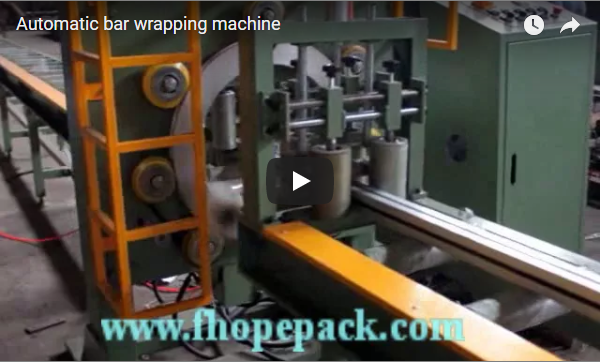
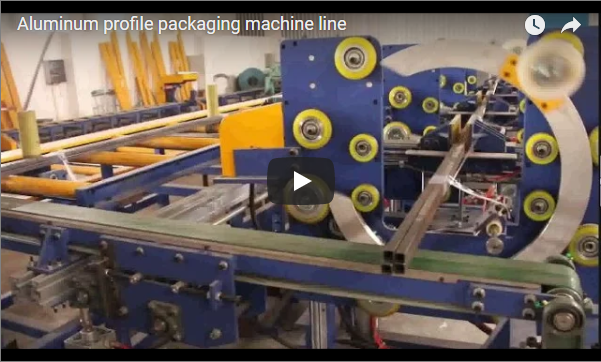
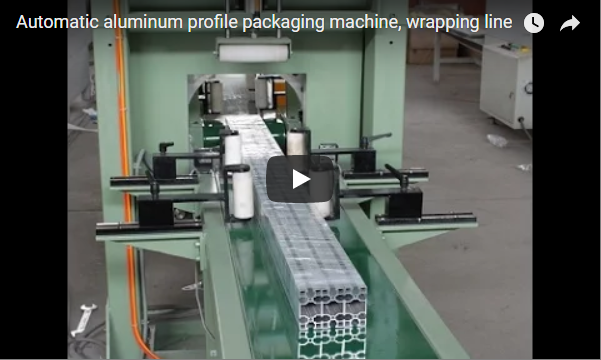
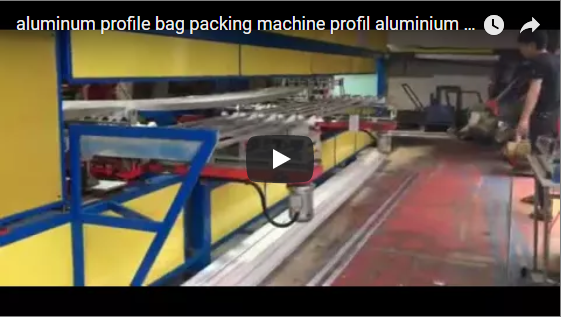
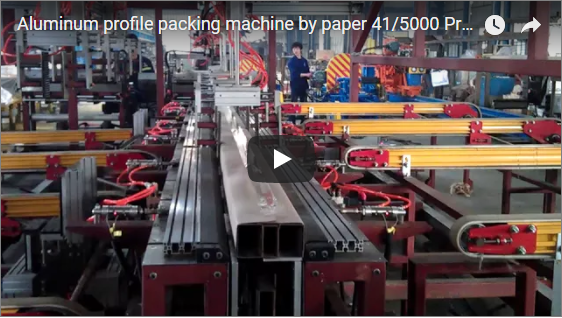
Our footage shows an automatic aluminum profile packing line stacking and placing dunnage. It is a general demonstration, so your profile range and bundle pattern are confirmed with us per project.
Lista di controllo per la selezione
| La Domanda | Confermare per progetto |
|---|---|
| Gamma di profili | sezione, lunghezza |
| Strato | profiles per layer |
| pagliolo | spacing plan |
| Hold | bundle restraint |
| Disposizione dei piani | impronta della linea |
| Fornitura elettrica | tensione, fase e frequenza in loco |
Funzionamento e sicurezza
Run the line from the panel as profiles are stacked, separated and held automatically. Keep clear of the stacking arms, infeed and bundle hold while the line runs, with guarding and emergency stops at the operator position. Routine checks cover the stacking actuators, dunnage placement, the hold and sensors, per the machine manual. Confirm the layer pattern against the profile before each run so the stack stays even.
FAQ di ingegneria
Q: What does an aluminum profile packing line do? A: It stacks profiles in even layers, places dunnage between them and holds the bundle stable.
Q: Why automate stacking? A: Hand stacking risks injuries, surface damage and leaning stacks, all removed by the line.
Q: How is dunnage placed? A: Automatically, at set positions between layers, ending slow manual placement.
Q: What keeps the stack square? A: Even layers with consistent alignment keep the bundle stable without leaning.
Q: How does it help safety? A: The machine does the lifting, so the crew supervises instead of handling profiles all day.
Passo successivo
- Email us at info@fhopepack.com with your profile range, layer and volumes.
- We send a profile packing line proposal and a layout drawing within 48 hours.
- We arrange a site survey to confirm profile range and floor layout.
Lettura correlata
- Imballaggio del profilo in alluminio a macchina con carta
- Linea automatica di confezionamento di profili in alluminio
- Macchina insacchettatrice per profili in alluminio
- Linee di prodotti per macchinari di confezionamento FHOPE
Fonti e standard
- ISO 12100:2010 Sicurezza del macchinario, principi generali per la progettazione e la valutazione dei rischi
- EN 415-10:2014 Sicurezza delle macchine per l'imballaggio, requisiti generali
- EN ISO 13849-1:2023 Sicurezza delle macchine, parti dei sistemi di controllo relative alla sicurezza
FHOPE automatic aluminum profile packing line demonstration video. Reviewed as a general demonstration; profile range confirmed per project.
Ultimo aggiornamento: 10/10/2026