Kokkuvõte
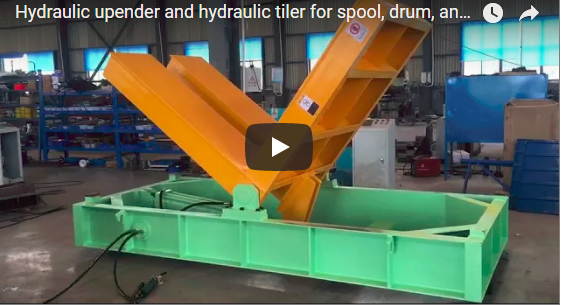
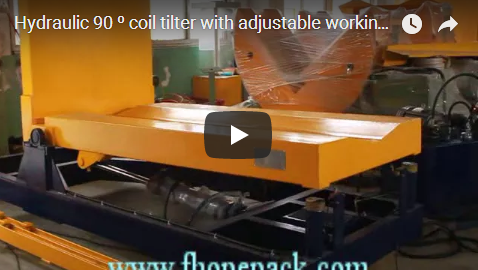
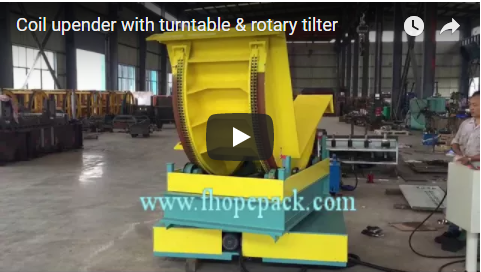
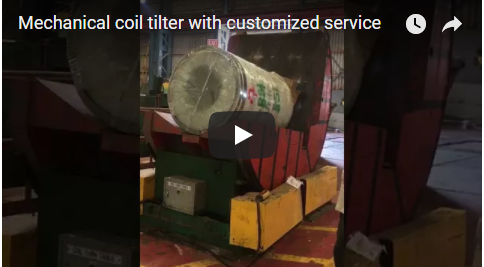
Steel sheet stacks are flat, heavy and slippery, and turning one with a crane and chains is one of the riskiest jobs in a sheet warehouse. Our steel sheet inverter and upender clamps the whole stack and turns it on a fixed axis, to vertical for storage or loading, or fully over to reach the bottom sheet.
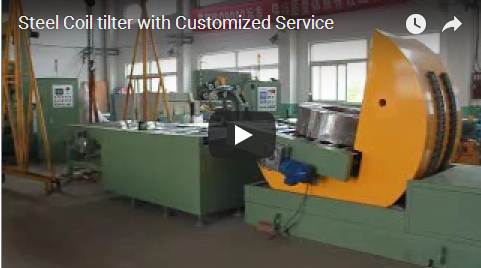
A large yellow frame holds a rectangular steel sheet stack between its clamps. One operator stands to the side with a grey hand-held control box. The clamped upper frame lifts and swings about a horizontal axis, and the stack goes from flat to upright.
Sisukord
- Why use an inverter for sheet
- Turning sequence
- Clamping and drive
- Virna kaal
- Swing radius and floor space
- Valiku kontroll-leht
- ohutus
- Inseneri KKK
- Järgmine samm
- Seotud lugemine
- Allikad
Why use an inverter for sheet
A crane turn hangs the stack on slings. The sheets can slide against each other, the slings can mark the edges and the load swings as it passes upright. An inverter holds every sheet between clamps for the whole turn and rotates it about a fixed axis, so the stack cannot slide or swing and the operator stands clear at the control box.
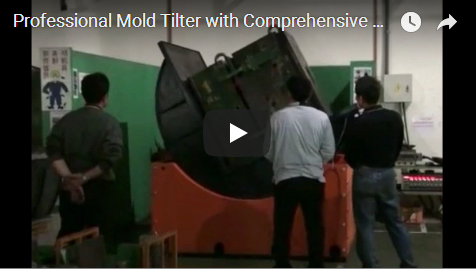
Typical jobs are turning sheet upright for vertical racks or containers, turning a stack over to reach the bottom sheet, and turning steel dies and moulds for inspection.
Turning sequence
Sheets turned to 90° are lifted out with vertical plate clamps or set on an upright rack or cart, so they cannot fan apart once the clamp opens.
- A forklift sets the stack on the lower platen.
- The upper clamp comes down and grips the stack.
- The frame turns to 90° for upright, or on to 180° to turn the stack over.
- The frame stops and holds at the set angle.
- The clamp opens and the stack is lifted out by forklift or crane.
Clamping and drive
| Kirje | Disain |
|---|---|
| Kinnitamine | hydraulic, adjustable to the stack height |
| Pöörlemine | kuni 180 ° |
| ajam | double chain with oblique gear and worm reducer |
| Kontroll | panel or hand-held control box with inverter drive |
| Piirid | two displacement restrictors |
| Hädaseiskamine | frame locks at any angle |
| Capacity, stack size | kinnitatud hinnapakkumise ajal |
The swing radius below is for the stack only; the turning frame adds to it, so the full machine footprint is given on the layout drawing. Clamp pressure and platen liners are set to the sheet finish, confirmed at quote.
The worm reducer is self-locking, which is why the frame holds its position if the power is lost part way through the turn.
Virna kaal
Stack weight (t) ≈ length (m) × width (m) × height (m) × 7.85
Example only: a stack 2.0 m long, 1.0 m wide and 0.2 m high is 0.4 m³, so about 0.4 × 7.85 = 3.14 t. A small stack of steel is far heavier than it looks, so capacity is checked on the heaviest stack you plan to turn.
Swing radius and floor space
Swing radius ≈ √(L² + H²) for a stack turned about one edge.
Example only: a 2,000 mm stack, 500 mm high, sweeps √(2,000² + 500²) ≈ 2,062 mm. Leave that radius clear, plus forklift access on the loading side.
| Näidisvirn | Väärtus |
|---|---|
| Pikkus | 2,000 mm |
| LAIUS | 1,000 mm |
| KÕRGUS | 500 mm |
| Weight at 7.85 t/m³ | umbes 7.85 tonni |
| Pöörderaadius | umbes 2,062 mm |
Valiku kontroll-leht
- Sheet length, width and stack height.
- Raskeim virna kaal.
- Turn angle: 90° or 180°.
- Loading by forklift or crane.
- Pöördeid vahetuse kohta.
- Põrandapind ja toiteallikas.
ohutus
We design to EN ISO 12100:2010 for risk assessment, EN 415-10 for the handling machine and EN 60204-1 for the electrical equipment, with safety functions to ISO 13849-1. The operator works from outside the swing radius, and the frame locks at any angle on emergency stop.
Inseneri KKK
Q: Can it turn the stack fully over? A: Yes, up to 180°.
Q: Will the sheets slide during the turn? A: No. The hydraulic clamp holds the whole stack.
Q: What happens on power loss? A: The self-locking worm drive holds the frame.
Q: Can it turn dies and moulds as well? A: Yes, within its capacity, confirmed at quote.
Järgmine samm
- Send your stack sizes, weight and turn angle aadressile info@fhopepack.com.
- Meie suurus the frame, clamp and drive.
- Vastame 24 tunni jooksul ettepaneku ja hinnapakkumisega.
Seotud lugemine
- Koormusmuundur (toode)
- 180 ülespoole
- Panel turnover plywood turner machine
- Rotatable 180 degree automatic multipurpose tilter
Allikad
- FHOPE product page: load inverter
- EN ISO 12100:2010; EN 415-10; EN 60204-1; ISO 13849-1
Viimati üle vaadatud: 2026-10-20