Resumen ejecutivo
Heavy plywood panels and building boards need a controlled turn on the line, and manual flipping is slow and risky. A panel turnover machine grips the panel, turns it to the required orientation and returns it to the flow, protecting the surface from damage and removing the manual handling. We build panel turners for timber, panel and door-component lines. Panel range and cycle needs are confirmed per project.
Índice
- Why turn panels automatically
- How a panel turner works
- Gripping and surface care
- Conducción y control
- Integración de línea
- Selecting a turner
- Configuración típica
- Lo que muestra el vídeo
- Lista de verificación de selección
- Operación y seguridad
- Preguntas frecuentes sobre ingeniería
- El próximo paso
- Lectura relacionada
- Fuentes y estándares
Why turn panels automatically
Panels must be turned to process, inspect or package both faces, and a single plywood panel is too heavy and too fragile to flip by hand safely. Manual turnover is slow, tiring and risks damaging the surface or the operator.
A panel turnover machine does the same move in a controlled cycle, turning the panel to the orientation the line needs while the surface and the internal layers are protected. Output stays consistent because the motion is the same on every panel.
How a panel turner works
The turner grips the panel, rotates it and returns it to the line. A gripping system holds the panel firmly through the motion, so nothing slides or drops while the panel is inverted. The drive turns the panel to the set orientation, and the panel is released back into the flow at the same level it arrived.
The whole cycle is driven by the station rather than by the crew, which removes the lifting and the risk that come with manual turnover.
Gripping and surface care
Panel surfaces matter in timber and door-component work, so the machine grips through protective contact. High-density rubber pads press on the panel face, providing firm grip without marking the surface or separating the internal layers of a plywood board. Grip position and pad contact follow the panel size and finish, confirmed per project. This is what lets a turner handle a finished face without turning it into a reject.
Conducción y control
A turner runs on a fluid-power or air-driven system with a welded steel frame sized to the panel weights it handles. Pneumatic drive suits lighter boards, and fluid-power drive suits heavier panel stacks, selected per project.
The drive moves through a controlled cycle with the panel held securely, and a programmable controller runs the sequence so orientation and timing repeat exactly.
Cycle time and control integration follow the line, confirmed per project, and the station reports back to line control where the plant runs automated. The drive moves through a controlled cycle with the panel held securely, and a programmable controller runs the sequence so orientation and timing repeat exactly. Cycle time and control integration follow the line, confirmed per project, and the station reports back to the line control where the plant runs automated.
Integración de línea
The turner sits where the panel flow is, connecting to existing conveyors so material moves through without re-staging. Conveyors bring panels in, the turner re-orients them, and the flow continues at the same level, which suits automated packing lines that need a consistent panel orientation at every downstream station. Floor layout and conveyor level are confirmed per project so the unit drops into the line instead of forcing the line to change.
Selecting a turner
Selection follows the panels and the line. Panel length, width, thickness and weight fix the machine range, and the orientation the packaging line needs fixes the cycle. Check frame strength against the panel load, gripping against the surface finish, and control interface against your automations. Every figure is confirmed per project on your actual panel data, not taken from a generic specification.
Configuración típica
Las cifras que aparecen a continuación muestran los límites de diseño funcional en lugar de valores numéricos, y se confirman para cada proyecto.
| Parámetro | Rango típico, confirmado por proyecto |
|---|---|
| Panel | longitud, anchura, grosor, peso |
| Accionamiento | fluid-power or air-driven |
| Tramoya | rubber-pad contact |
| Marco | acero soldado |
| Control | programmable sequence |
| Suministro eléctrico | 380 V trifásica 50 Hz, o 220 V monofásica para maquinaria ligera, según se requiera para cada proyecto. |
Lo que muestra el vídeo
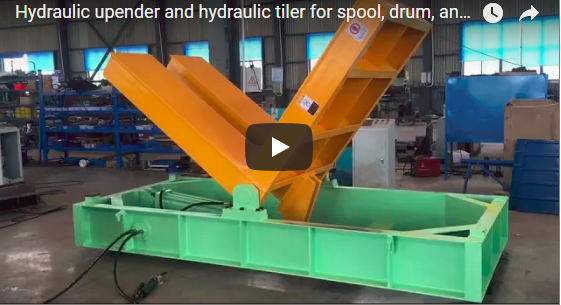
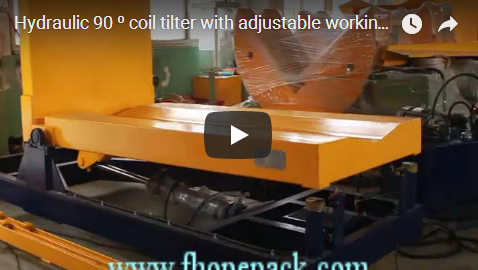
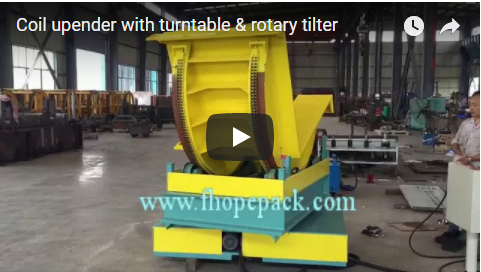
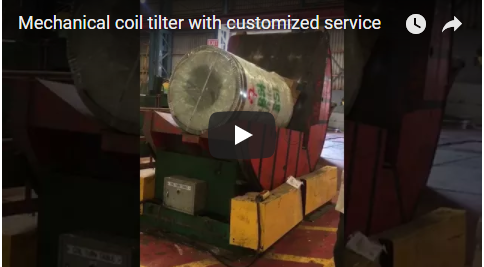
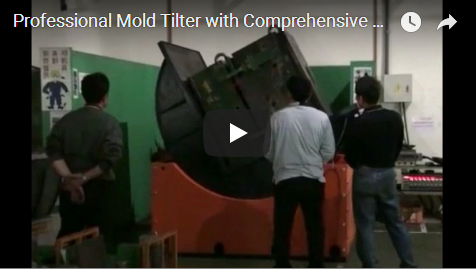
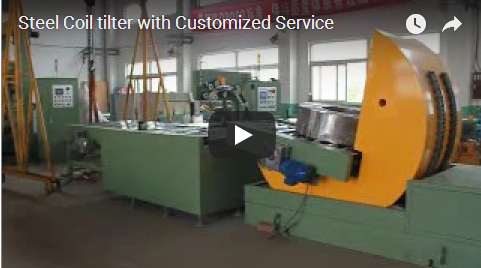
Our footage shows a panel turnover machine gripping and turning a plywood panel on the line. It is a general demonstration, so your panel range and cycle needs are confirmed with us per project.
Lista de verificación de selección
| Pregunta | Confirmar por proyecto |
|---|---|
| Gama de paneles | longitud, anchura, grosor, peso |
| Orientación | turn angle needed |
| Tramoya | surface care required |
| Cycle | timing against line |
| Control | compatibilidad de interfaz |
| Suministro eléctrico | voltaje, fase y frecuencia en el sitio |
Operación y seguridad
Run the turner from its cycle control and the station grips, turns and releases each panel automatically. Keep clear of the turnover zone while it operates, with guarding and emergency stops at the operator position. Routine checks cover the drive, gripping pads, conveyor and safety devices, per the machine manual. Check pad condition regularly, since worn pads are the first thing to mark a panel.
Preguntas frecuentes sobre ingeniería
Q: What does a panel turnover machine do? A: It grips, rotates and returns panels to the line, replacing manual flipping with a controlled cycle.
Q: Which panels can it handle? A: Plywood, building boards and door components, with the range confirmed per project.
Q: How is the surface protected? A: High-density rubber pads grip the panel without marking the face or separating internal layers.
Q: How fast does it run? A: The cycle synchronizes to the upstream conveyor takt time, with duration set by panel dimensions and mass, confirmed per project.
Q: Can it join existing lines? A: Yes, it connects to existing conveyors with floor layout and control interface confirmed per project.
El próximo paso
- Email us at info@fhopepack.com with your panel sizes, weights and cycle needs.
- We send a panel turner proposal and a layout drawing within 48 hours.
- We arrange a site survey to confirm panel range and line layout.
Lectura relacionada
- Máquina rotativa y apiladora automática de paneles
- Inversor de palets en línea FHOPE: funcionamiento y aplicaciones
- Máquina empacadora de puertas a buen precio para embalaje retráctil de cartón
- Líneas de productos de maquinaria de embalaje FHOPE
Fuentes y estándares
- ISO 12100:2010 Seguridad de las máquinas, principios generales para el diseño y la evaluación de riesgos.
- EN 415-10:2014 Seguridad de las máquinas de envasado, requisitos generales
- EN ISO 13849-1:2023 Seguridad de las máquinas, partes de los sistemas de control relacionadas con la seguridad.
FHOPE panel turnover machine demonstration video. Reviewed as a general demonstration; panel range confirmed per project.
Última revisión: 10/10/2026