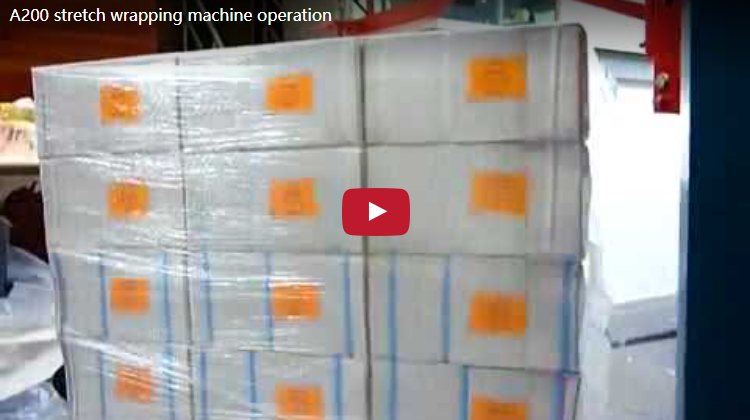
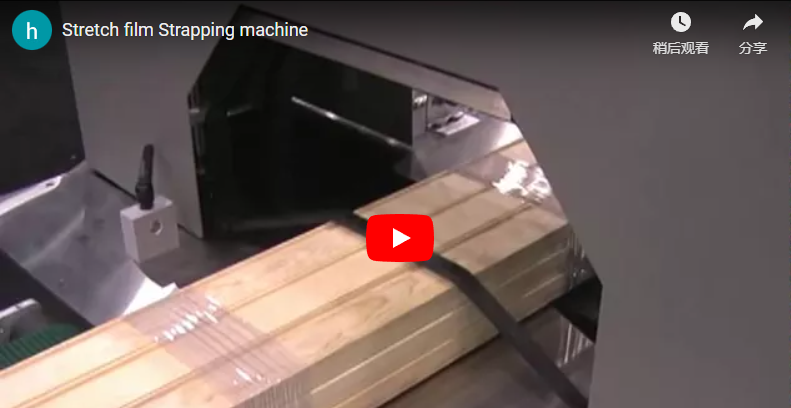
ملخص تنفيذي: يُظهر هذا الفيديو آلة تغليف منصات نقالة دوارة تعمل على تغليف حمولة طويلة من زجاجات المشروبات. تستقر المنصة على سطح دوار بينما تقوم عربة تغليف بلف غلاف بلاستيكي من القاعدة إلى الأعلى، مرورًا بالجوانب والسطح. ثم تُنقل الحمولة المغلفة على سير ناقل. يُظهر الفيديو دورة التغليف الكاملة في بيئة مصنع - دون عرض أي مواصفات أو أوقات دورة أو تفاصيل عن الطراز.
لماذا تحتاج منصات المشروبات إلى تغليف مطاطي موثوق؟
تُعدّ المشروبات المعبأة في زجاجات من أصعب فئات المنتجات التي يُمكن شحنها بأمان. فالزجاجات ملساء وصلبة، والحمولة ثقيلة، والارتفاع كبير مقارنةً بمساحة سطحها. في الفيديو، يبلغ ارتفاع حمولة المشروبات ضعفين إلى ثلاثة أضعاف عرضها تقريبًا، وهي نسبة تجعلها عرضةً للانزياح أو الميلان أو السقوط أثناء النقل.
تُعالج آلة تغليف المنصات الدوارة هذه المشكلة بتدوير حمولة المنصة بأكملها مقابل حامل أغشية ثابت. يُطبّق غشاء التغليف المطاطي تحت ضغط، ما يربط الزجاجات والطبقات والمنصة في وحدة واحدة متماسكة. بالنسبة لمنتجي وموزعي المشروبات، الأهداف واضحة: تقليل عدد المنصات المتضررة أو المنزاحة، وتقليل العمل اليدوي في نهاية خط الإنتاج، وضمان تغليف متناسق لكل حمولة.
تتناول هذه المقالة بالتفصيل ما يظهره الفيديو بالفعل، وما لا يظهره، وما يجب على المشتري أو مدير المصنع التحقق منه قبل تقييم آلة كهذه لخط إنتاج المشروبات.
ما يظهر الفيديو
تم تصوير الفيديو في مصنع يعمل. إليكم التسلسل الزمني مع تحديد التوقيت التقريبي:
| الوقت: | ما يحدث |
|---|---|
| 0-4 ثانية | كومة طويلة من زجاجات المشروبات الوردية على لوحة زرقاء يتم وضعها على المنصة الدوارة الصفراء. يبدأ القرص الدوار بالدوران. |
| 4-12 ثانية | تبدأ عربة الفيلم بتغليف الفيلم المطاطي عند قاعدة الحمل، وتثبيت الفيلم على المنصة والطبقات السفلية. |
| 12-20 ثانية | تغليف التحركات لأعلى على طول الجوانبيظهر هيكل الآلة الأصفر، وحواجز الأمان، ولوحة التحكم المزودة بشاشة. |
| 20-28 ثانية | يغطي الغلاف الجزء العلوي والأعلى من الحمولة. يظهر عامل يرتدي زي عمل أزرق بالقرب من الآلة. |
| 28-36 ثانية | الفيلم تم قصها وتثبيتهاثم ينهي القرص الدوار دورانه لشد الغلاف. |
| 36-40 ثانية | يتوقف القرص الدوار. حمولة مغلفة بالكامل يتم نقلها من الرصيف إلى ناقل الأسطوانة ويبتعد عن الآلة. |
بعض التفاصيل الجديرة بالملاحظة من اللقطات المصورة:
- تخطيط الآلة تقريبًا L-شكل: قرص دوار على جانب واحد، وعربة فيلم وعمود فوقها، وناقل بكرات يعمل بالطاقة على جانب التفريغ.
- تم طلاء هيكل الآلة أصفر مع أجزاء سوداء، و حاجز/سياج أمان يحيط بالمنطقة الدوارة.
- استخدم لوحة التحكم يتضمن شاشة تعرض واجهة رسومية بالإضافة إلى أزرار وأضواء مؤشرة.
- في الخلفية، يحمل ناقل آخر حمولة مماثلة مغلفة مسبقًا، مما يشير إلى أن هذا تدفق الإنتاج المتكرر، وليس مجرد عرض توضيحي لمرة واحدة.
- تخرج الحمولة المغلفة تلقائيًا على الناقل - لا يظهر أي تدخل من الرافعة الشوكية لإزالتها داخل المشبك.
ملاحظات الملاحظة المباشرة
يلتزم الجزء أدناه بالملاحظات الواقعية المستقاة من التحليل إطارًا بإطار، مع تعديلات طفيفة فقط على مستوى القواعد.
- يتم تحميل كومة مستطيلة طويلة من زجاجات بلاستيكية شفافة تحتوي على مشروب وردي اللون، مع ملصقات حمراء، على منصة زرقاء موضوعة على منصة دوارة صفراء.
- تدور المنصة بينما تقوم عربة فيلم ثابتة بسحب فيلم مطاطي شفاف ولف الحمولة بدءًا من القاعدة، والتحرك لأعلى فوق الجوانب والانتهاء عبر الجزء العلوي.
- هيكل الآلة مصنوع من المعدن الأصفر والأسود. المكونات الرئيسية التي تمت ملاحظتها: قرص دوار دائري، وعربة فيلم على عمود، ولوحة تحكم مزودة بشاشة وأزرار، وواقي أمان أصفر حول القرص الدوار، وناقل بكرات للتفريغ.
- تعرض شاشة لوحة التحكم واجهة رسومية زرقاء وخضراء؛ النص ووظائف الأزرار غير قابلة للقراءة في الإطارات.
- لم يظهر في الإطارات التي تم أخذ عينات منها أي زر إيقاف طارئ أو ستارة ضوئية أو لافتات تحذيرية أو جهاز تعشيق.
- بعد التغليف، يتم قطع طرف الفيلم وتثبيته، ويتوقف القرص الدوار، ويتم نقل الحمولة المغلفة على ناقل البكرات إلى اليمين.
- لا تظهر أي نصوص قابلة للقراءة أو لوحات أسماء أو علامات مائية في أي مكان في اللقطات.
دورة التغليف، خطوة بخطوة
بالنسبة للقراء الذين يقيّمون كيفية دمج مثل هذه الآلة في نهاية خط إنتاج المشروبات، تنقسم الدورة إلى ثلاث مراحل:
- وضع الحمولة. تُقدَّم حمولة المشروبات المعبأة على منصات نقالة إلى القرص الدوار. لا يُظهر الفيديو كيفية وصول الحمولة (رافعة شوكية، أو ناقل علوي، أو عربة نقل) - فهذا الجزء من عملية التغذية غير مرئي في المقطع.
- يلف. تدور المنصة الدوارة الحمولة بينما تقوم عربة الفيلم بسحب غلاف التغليف، بدءًا من الأسفل لتثبيت الحمولة على المنصة، ثم تصعد على الجوانب، وتنتهي على السطح. يُعدّ الغلاف العلوي مهمًا لحمول المشروبات المخزنة في أماكن تُشكّل فيها الأتربة أو التكثيف مصدر قلق.
- إبراء الذمة. يتم قص الغلاف وتثبيته، ثم تتوقف المنصة الدوارة، ويخرج الحمل تلقائيًا إلى ناقل البكرات. ويحافظ نظام التفريغ التلقائي على بقاء المشغل بعيدًا عن منطقة التغليف، مما يسمح بدخول المنصة التالية.
يتميز هذا التصميم الذي يدور فيه الحمل بميزة عملية لتطبيقات المشروبات: فالزجاجات نفسها لا تتحرك أبدًا على ذراع أو حلقة دوارة، لذلك لا يتعرض الحمل لأي تسارع جانبي يتجاوز الدوران الثابت - وهو أمر أكثر لطفًا بالنسبة للأكوام الطويلة ذات الوزن الثقيل من بعض طرق التغليف البديلة.
ما لا يُظهره الفيديو
يتطلب التقييم النزيه معرفة حدود اللقطات. ما يلي غير ظاهر في الفيديو:
- سعة التحميل المقدرة ونطاق حجم المنصة الأقصى/الأدنى
- سرعة التغليف، وسرعة حامل الفيلم، ووقت الدورة الكاملة
- أبعاد الآلة ووزنها ومتطلبات المساحة
- تسمية الطراز، وتصنيف الطاقة، واستهلاك الطاقة
- مواصفات غشاء التغليف المطاطي (العرض، السماكة، نسبة التمدد المسبق)
- حالة الاعتماد (مثل علامة CE) ووثائق الامتثال المعمول بها
- فترات الصيانة ومتطلبات قطع الغيار
- أي أجهزة إيقاف طارئ، أو ستارة ضوئية، أو أجهزة تعشيق (لم يكن أي منها مرئيًا، على الرغم من أنه قد لا تزال هذه الأجهزة مثبتة — تحقق من ذلك مع الشركة المصنعة)
لا تفترض أيًا من هذه القيم بناءً على الفيديو. اطلب من الشركة المصنعة المواصفات المكتوبة قبل مقارنة الأجهزة.
أين يناسب هذا النوع من الآلات في مصنع المشروبات
بناءً على نوع الحمولة والتدفق الظاهر في اللقطات، فإن غلاف القرص الدوار من هذا النوع يناسب عادةً ما يلي:
| سيناريو | تناسب |
|---|---|
| منصات نقالة ثابتة ومكدسة بانتظام للمشروبات المعبأة في زجاجات أو علب | مناسب تمامًا — يُظهر الفيديو هذا النوع من الحمولة تحديدًا |
| أحمال مختلطة أو غير منتظمة، تكديس غير مستقر | عدم التوافق - قد تتطلب الأحمال غير المنتظمة كبس الطبقة العلوية، أو إعدادات تقوية حلزونية، أو آلة ذات ذراع دوار بدلاً من ذلك |
| خطوط تحتاج إلى تفريغ تلقائي إلى ناقل أو محطات تغليف في اتجاه المصب | مناسب تمامًا — يُظهر الفيديو عملية تفريغ تعتمد على ناقل |
| خطوط إنتاج عالية الإنتاجية للغاية تتطلب التفافًا أثناء الحركة | لم يتم توضيح ذلك هنا - قد يكون استخدام آلة تغليف ذات ذراع دوارة أكثر ملاءمة؛ قارن الخيارات |
إذا كانت حمولاتك غير مستقرة أو خفيفة الوزن بما يكفي لتتحرك أثناء دوران القرص الدوار، فقد يكون من المفيد مقارنة تصميم الذراع الدوارة - حيث يدور ذراع الفيلم حول منصة ثابتة. راجع القراءة ذات الصلة أدناه لهذا النوع من الآلات.
الأسئلة التي يجب طرحها قبل الشراء
استخدم قائمة التحقق هذه عند طلب عرض سعر:
- سعة التحميل المقدرة للمنصة وأبعاد المنصة المقبولة (الحد الأدنى/الحد الأقصى)
- زمن الدورة لحملة بوزن وطولك
- نوع حامل الفيلم، ونسبة التمدد المسبق، وعرض الفيلم المتوافق
- خيارات اللف العلوي والسفلي (عدد اللفات، طوق سفلي معزز)
- تكوين التغذية والتفريغ - ناقل، أو رافعة شوكية، أو كليهما
- حزمة السلامة: وضع زر إيقاف الطوارئ، والحماية، والستائر الضوئية، وأنظمة التعشيق
- متطلبات إمداد الطاقة والطاقة المركبة
- شهادة المطابقة الأوروبية أو أي وثائق اعتماد أخرى
- شروط الضمان، وتوافر قطع الغيار، ودعم الخدمة المحلي
الأسئلة الشائعة
هل تقوم الآلة بتغليف الجزء العلوي من حمولة المنصة؟ نعم. في اللقطات المصورة، يغطي الغلاف الجوانب ويمتد عبر الجزء العلوي من رزمة المشروبات قبل قصه وتثبيته.
كيف تخرج المنصة المغلفة من الآلة؟ يتم نقلها من القرص الدوار إلى ناقل بكرات يعمل بالطاقة وتتحرك بعيدًا تلقائيًا، كما هو موضح في الثواني الأخيرة من الفيديو.
ما هي المنتجات المناسبة له؟ يُظهر الفيديو مشروبات معبأة في زجاجات مكدسة بشكل منتظم. تُعدّ الأحمال ذات الشكل والثبات المتشابهين - مثل المشروبات المعلبة والمياه المعبأة في زجاجات وغيرها من السلع المكدسة في صناديق - هي الاستخدام النموذجي. بالنسبة للأحمال غير المنتظمة أو الهشة، يُرجى التأكد من ملاءمتها مع الشركة المصنعة.
هل يلزم وجود مشغل أثناء دورة التغليف؟ يظهر مشغل بالقرب من الآلة في الفيديو، لكن عملية التغليف والقص والتفريغ تتم تلقائيًا. لم يتم توضيح مستوى تدخل المشغل بدقة (التحميل، بدء الدورة، المراقبة) - يُرجى مراجعة الشركة المصنعة.
ما هي مواصفات سرعة الجهاز وحمولته؟ غير موضحة في الفيديو. اطلب المواصفات المكتوبة للسعة، وزمن الدورة، والطاقة مباشرةً من الشركة المصنعة.
المصدر والمنهج
تستند الحقائق الواردة في هذه المقالة إلى تحليلٍ دقيقٍ للإطارات في الفيديو المُضمّن (معرّف الفيديو 0moRxGTBe2g)، والذي أجراه نموذجٌ محليٌّ للرؤية واللغة على إطاراتٍ مُختارة. يحتوي الفيديو على موسيقى خلفية فقط، دون أي تعليقٍ صوتيٍّ أو كلام، ولم يتم استخدام أي نصٍّ صوتيٍّ مكتوب. جميع الملاحظات تعكس ما هو مرئيٌّ في اللقطات؛ أما ما هو غير مرئيٍّ فقد تم حذفه أو الإشارة إليه صراحةً بعبارة "تحقق مع الشركة المصنّعة".
القراءة ذات الصلة
- آلة لف الذراع الدوارة — طريقة التغليف البديلة للأحمال غير المستقرة أو خفيفة الوزن
- آلة تغليف متمدد — نظرة عامة على تقنية التغليف المطاطي وخياراته
- آلة تغليف البليت الأوتوماتيكية — تغليف آلي بالكامل لخطوط الإنتاج ذات الأحجام الكبيرة
- عاكس البليت — لنقل الأحمال وتبديل المنصات في الخدمات اللوجستية للمشروبات
الخطوة التالية
إذا كنت تتعامل مع المشروبات المعبأة في زجاجات أو علب وترغب في التأكد من توافق حل التغليف بالقرص الدوار مع أحجام منصات التحميل وسرعة خط الإنتاج وتصميمه، فتواصل مع فريقنا وزودنا بتفاصيل حمولتك. يمكننا مراجعة طلبك وتقديم المشورة بشأن التكوين الأمثل - قرص دوار، أو ذراع دوار، أو خط إنتاج أوتوماتيكي بالكامل.