ملخص تنفيذي
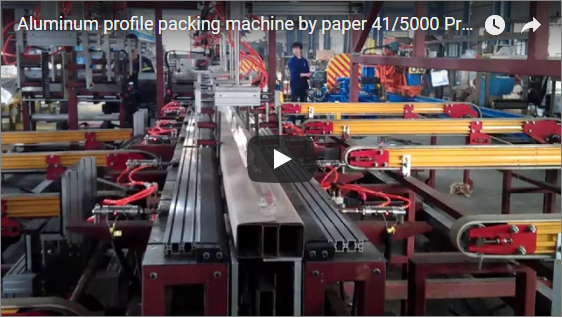
يُظهر الفيديو المرفق طاولة نقل آلية بزاوية 90 درجة تعمل داخل خط مناولة قطاعات الألمنيوم من شركة FHOPE: حيث تُحمل حزمة من قطاعات الألمنيوم الطويلة المربوطة على مسارات بكرات متوازية، وتُنقل جانبيًا بين مسارين ناقلين بواسطة وحدات نقل صفراء اللون مزودة بآلية تثبيت ورفع. يؤكد هذا على الوظيفة الأساسية للآلة - وهي طاولة نقل تُعيد توجيه القطاعات الطويلة إلى المحطة التالية (الطباعة، أو التغليف، أو التثبيت) - ولكن المقطع لا يُظهر أي بيانات عن السعة أو سرعة النقل أو الأبعاد ، لذا يجب أن تكون هذه الأرقام من الشركة المصنعة.
المقطع الذي مدته 62 ثانية عبارة عن جولة في أرضية المصنع لطاولة النقل، وليس اختبارًا دوريًا محدد المدة. ما يلي يوضح الفرق بين ما يظهر في اللقطات وما يجب التحقق منه مع المورد.
لماذا يُعدّ الانعطاف بزاوية 90 درجة الجزء الأصعب في تدفق المقطع الجانبي
في مصانع البثق، نادرًا ما تنتهي المنتجات الطويلة عند نقطة انطلاقها. غالبًا ما تقع محطة الطباعة أو آلة التجميع أو خط التغليف بشكل عمودي على الخط الذي ينقل القطع بعد عملية القطع أو المعالجة. إن تحريك قطعة طويلة متعددة الأمتار حول زاوية قائمة هو بالضبط ما يُعدّ أسوأ خطوة في المناولة اليدوية.
- يتعين على العامل رفع أو دفع القضيب بكامل طوله، مما يعرضه للخطر. خدوش، انبعاجات، وانحناءات على سطح مصقول.
- يتحول المنعطف إلى عنق الزجاجة - عامل واحد يبطئ خط التعبئة بأكمله.
- تظل تصميمات الأرضيات جامدة لأن كل محطة يجب وضعها في خط مستقيم.
تُزيل طاولة النقل هذه المشكلة. فهي تستقبل الحمولة من أحد السيور الناقلة، وترفعها قليلاً، ثم تنقلها جانبياً إلى المسار المجاور ، مُغيرةً اتجاه الحركة بمقدار 90 درجة دون أن يلمس أحد سطحها. هذا ما يُظهره الفيديو.
ما يظهر الفيديو
يُظهر المقطع المصور طاولة النقل وهي تحمل حزمة من قطاعات الألمنيوم الطويلة عبر مسارات متحركة، وذلك أثناء سيرها على طول الخط. التسلسل مأخوذ من 31 إطارًا تم أخذ عينات منها كل ثانيتين.
| الوقت التقريبي | ما هو مرئي |
|---|---|
| 0-8 ثانية | منظر واسع للخط: قطاعات ألومنيوم طويلة فضية رمادية تتكدس المواد في حزمة على مسارات متوازية بينما تعمل وحدات النقل والتثبيت الزرقاء والصفراء. يوجد عامل تشغيل في الخلفية؛ ويضيء مصباح الإضاءة الأخضر في لوحة التحكم. |
| 8-16 ثانية | ينتقل العرض إلى جانب التحكم: أ خزانة تحكم بيضاء يوجد بجانب خط الإنتاج جهاز مزود بشاشة عرض وأزرار ضغط، ويقوم عامل يرتدي سترة بنية اللون بمراقبة المعدات. |
| 16-34 ثانية | تُظهر الكاميرا منطقة النقل: وحدات التثبيت والرفع الصفراء تمتد على الفجوة بين سريرين ناقلين متوازيين لنقل الملفات المجمعة من مسار إلى آخر؛ توجد طاولة بكرات خضراء ذات بكرات بيضاء خلف الخط كجانب الاستقبال أو الإخراج. |
| 34-50 ثانية | منظر واسع لناقل السكة الزرقاء في المقدمة وآلة نقل صفراء أكبر في الخلفية، مع خزانة تحكم بيضاء (شاشة لمس HMI، وأزرار ضغط، وزر إيقاف طوارئ أحمر) على اليمين. |
| 50-60 ثانية | محطة نهاية الخط / محطة التحكم: يعمل المشغل بالقرب من وحدة التحكم بينما يُضيء مصباح أخضر في برج الإضاءة، مما يشير إلى أن القسم قيد التشغيل. صندوق شحن مُعلّم هش يقف في مكان قريب - علامة على أن الخط قيد الإنشاء أو التجهيز للشحن. |
السلوك الأساسي هو النقل العرضي : تدخل الحزمة على مجموعة من المسارات ثم يُعاد وضعها جانبياً، لتكون جاهزة للمحطة التالية. لحظة الرفع دقيقة وقصيرة، وغالباً ما تلتقط الصور الثابتة الآلة في وضعية التوقف (الخمول)، لذا تعتبر هذه المقالة آلية النقل مؤكدة، بينما تعتبر سرعتها ودورتها غير مؤكدتين.
كيفية تجميع جدول التحويل
الهيكل الظاهر في الإطارات، يُقرأ من الأسفل إلى الأعلى:
| مكون | ما يظهر الفيديو | الوظيفة المحتملة |
|---|---|---|
| إطار الماكينة | فولاذ مطلي باللون الأزرق مع تجهيزات صفراء | يحمل القضبان ووحدات النقل؛ يوفر دعماً صلباً للأحمال الطويلة والثقيلة. |
| أسرة ناقلة | عدة مسارات متوازية مزودة ببكرات أو قضبان توجيه | قم بنقل قطاعات الألمنيوم على طول الخط وعبره |
| وحدات النقل | مشابك/رافعات صفراء اللون تغطي الفجوة بين السريرين | ارفع الحزمة وحركها جانبياً (العنصر ذو الزاوية 90 درجة) |
| طاولة دوارة خضراء | طاولة خضراء منفصلة مزودة بعجلات بيضاء | يستقبل أو يخزن الحزمة مؤقتًا على الجانب السفلي |
| وحدة تحكم | خزانة بيضاء، شاشة لمس HMI، أزرار ضغط، مصباح معلق | بدء/إيقاف، اختيار الوضع، ومؤشر الحالة |
| التوقف في حالات الطوارئ | الزر الأحمر الموجود على الخزانة اليمنى | يوقف الآلة في حالة الطوارئ |
يتوافق هذا التصميم مع التصميم التقليدي لطاولة نقل تعمل بالطاقة ويتم التحكم فيها بواسطة وحدة تحكم منطقية قابلة للبرمجة (PLC) : مجموعة واحدة من البكرات لاتجاه السفر الرئيسي بالإضافة إلى آلية الرفع والنقل لاتجاه السفر العرضي.
ملاحظات الملاحظة المباشرة
النقاط التالية مقتبسة مما هو ظاهر مباشرةً في الإطار. لم تُجرَ سوى تعديلات نحوية طفيفة؛ ولم يُضَف أي حقائق من قِبَل الكاتب.
- هيكل الجهاز: الهيكل الرئيسي هو إطار معدني مطلي باللون الأزرق مع مكونات صفراءالأرضية مطلية باللون الأخضر. عدة مسارات ناقلة زرقاء متوازية تحمل البكرات أو قضبان التوجيه المقاطع الطويلة.
- آلية النقل: توجد وحدات نقل التثبيت/الرفع الصفراء في الفجوة بين مسارات السكك الحديدية المتوازية لتحريك الملامح الجانبية من مسار إلى آخر.
- الشغل: a مجموعة من قطاعات معدنية طويلة فضية رمادية (مظهر متوافق مع بثق الألومنيوم) موضوعة بشكل متوازٍ على المسارات؛ تظهر نهايات المقطع الجانبي ربطًا يشبه الضمادة ويتم ربط الحزمة.
- المعدات النهائية: a طاولة بكرات خضراء مزودة ببكرات بيضاء يتم وضعه خلف الخط كجهة استقبال أو جهة عازلة.
- لوحة التحكم: a خزانة تحكم بيضاء مزودة بشاشة رقمية، وأزرار ضغط دائرية، و برج إضاءة أحمر/أصفر/أخضر، يضيء المصباح الأخضر أثناء التشغيل؛ ويظهر زر إيقاف الطوارئ الأحمر على الخزانة.
- الناس: عامل يرتدي سترة بنية اللون يراقب الخط بالقرب من خزانة التحكم؛ ويظهر مشغل آخر في الخلفية؛ ولا أحد يلمس الملفات الشخصية أثناء النقل.
- النص والعلامات: العلامة المائية
FHOPE GROUP,PACKING SOLUTION FOR YOUوwww.fhopepack.comصندوق أبيض كبير يحمل ملصقًا هشلا تظهر أي ملصقات أو لوحات طراز أو علامات اعتماد أخرى قابلة للقراءة في الإطارات.
ما لا يُظهره الفيديو
يغفل مشبك النباتات الترويجي من هذا النوع جميع الأرقام التي يحتاجها المشتري تقريبًا:
- الحمولة القصوى (لكل حزمة أو لكل متر من المقطع الجانبي) - غير موضح.
- نطاق طول وعرض المقطع الجانبي الجدول قادر على التعامل مع — غير معروض.
- وقت دورة النقل وسرعة الناقل — لم يتم عرضها أو تحديد توقيتها على الكاميرا.
- خيارات اتجاه التحويل (زاوية ثابتة 90 درجة فقط، أو زوايا قابلة للتعديل) - غير مرئي.
- متطلبات الطاقة الكهربائية وقدرة المحرك — لم يُذكر ذلك في اللقطات المصورة.
- العلامة التجارية للتحكم / طراز وحدة التحكم المنطقية القابلة للبرمجة (PLC) وبروتوكول الاتصال — غير مقروء.
- شهادات السلامة (CE، ISO) وتفاصيل الحماية - لا شيء منها قابل للقراءة في الإطارات.
هذه كلها بنود يجب تأكيدها كتابياً قبل التخطيط لتخطيط الخط.
ملاحظات التحكم والسلامة
- توفر الخزانة البيضاء شاشة لمس HMI، وأزرار ضغط، وبرج إضاءة مكدسةيضيء المصباح الأخضر أثناء تشغيل القسم، مما يمنح المشغلين حالة واضحة بنظرة سريعة.
- A زر التوقف الطارئ الأحمر موجود على الخزانة اليمنى.
- لا يظهر في هذه اللقطات أي سياج أمان أو ستارة ضوئية أو لافتات تحذيرية، ولكن الكاميرا غالباً ما تتوقف أمام المعدات بدلاً من حولها، لذا فإن غيابها في المقطع هو لا يُعدّ ذلك دليلاً على الغياب على الجهاز.
- في اللقطات المصورة، يبتعد المشغلون عن منطقة النقل المتحركة أثناء التشغيل - وهو السلوك الصحيح بغض النظر عن وجود حراسة.
معايير الملاءمة: هل يحتاج خط الإنتاج الخاص بك إلى طاولة نقل؟
| حالة | مناسب على الأرجح |
|---|---|
| محطة الطباعة أو التغليف في خط البروفايل | لياقه جيده — الطاولة تغذيها بزاوية 90 درجة |
| تتميز هذه الملامح بطولها (أكثر من 3 أمتار) ويجب عدم لمسها باليد. | لياقه جيده — ممنوع الرفع اليدوي عند الزاوية |
| المساحة الأرضية ضيقة وتتطلب تدفقًا على شكل حرف L | لياقه جيده — يحل محل منطقة القرص الدوار اليدوي الواسعة |
| الخط يسير بشكل مستقيم بالفعل، لا يوجد تغيير في الاتجاه | تخطى — يكفي ناقل بسيط يمر عبره |
| تغييرات المنتج بين القطع القصيرة والملفات الطويلة | تحقق — تأكد من نطاق الطول مع المورد |
| حزم ثقيلة للغاية، مصنوعة من قطعة واحدة | تحقق — تأكد من سعة التحميل قبل الالتزام |
ما يجب التحقق منه مع الشركة المصنعة
قبل الطلب، احصل على هذه الإجابات الست كتابياً:
- سعة التحميل — أقصى وزن للحزمة وأقصى حمولة لكل متر من المسار.
- أبعاد المقطع الجانبي — الحد الأدنى والحد الأقصى للطول والعرض والمقطع العرضي.
- دورة النقل — الوقت اللازم لدورة الرفع والتحريك الكاملة، وسرعة الناقل.
- مرونة في التوجيه — زاوية ثابتة 90 درجة أو زاوية قابلة للتعديل.
- الضوابط والتكامل — خيارات وإشارات وحدة التحكم المنطقية القابلة للبرمجة (PLC) للتوافق مع الطابعة أو آلة التغليف أو آلة ربط الأشرطة.
- حزمة السلامة — الحماية، والستائر الضوئية، وأنظمة التعشيق، والشهادات.
الأسئلة المتكررة
س: هل طاولة النقل هي نفسها ناقل القرص الدوار؟ ج: لا. يدور القرص الدوار الحمولة في مكانها، بينما ترفع طاولة النقل الحمولة وتنقلها جانبيًا إلى مسار مجاور، مع تغيير الاتجاه وفقًا لهندسة خطي النقل. يُظهر الفيديو النوع الجانبي (النقل).
س: هل يمكنه التعامل مع الملفات الشخصية الفردية بالإضافة إلى الحزم؟ ج: يُظهر الفيديو كيفية التعامل مع حزمة، ولكن عادةً ما تكون جداول النقل قابلة للتكوين للتعامل مع كل قطعة على حدة أو مع الحزم. تأكد من تنسيق الإدخال مع الشركة المصنعة.
س: أين يقع في خط الطباعة؟ ج: بين ناقل التغذية ومحطة الطباعة (أو بين القطع والطباعة)، حيث يقوم بإعادة توجيه الملفات الشخصية بزاوية 90 درجة إلى مدخل الطابعة مع الحفاظ على مساحة عمل أمام المطبعة.
س: هل توقف الطاولة خط الإنتاج عند نقل المواد؟ ج: عادةً ما يحتوي كل قسم على منطق ومستشعرات خاصة به؛ حركة النقل سريعة، والتخزين المؤقت في المراحل اللاحقة أمر شائع. يجب عليك التحقق من توقيت الدورة مع المورد.
س: ما هي الصيانة المطلوبة لطاولة النقل؟ ج: فحوصات دورية لأسطوانات الرفع، والبكرات، والمستشعرات، والتشحيم، تمامًا كأي قسم من أقسام ناقل آلي. لا يُظهر المقطع طريقة الوصول للصيانة، لذا يُرجى الاستفسار عن إمكانية الوصول للصيانة وقطع الغيار.
لماذا تُعد هذه الخطوة مهمة لخطوط الطباعة والتعبئة؟
يمكن لخط الإنتاج الذي لا يحتاج إلى تغيير اتجاهه أن يمتد بشكل مستقيم. بمجرد إضافة طابعة أو آلة تغليف أو آلة ربط عبر الخط، يصبح الانعطاف بزاوية 90 درجة نقطة اختناق صامتة. طاولة نقل آلية:
- يزيل خطوة الرفع واللف اليدوية التي تنتج عادةً خدوش سطحية وأطراف مثنية.
- يحافظ على مخزون ثابت يغذي محطة الطباعة، حتى لا تعاني المطبعة من نقص في المواد بين الدورات.
- يُتيح ذلك للمشغل الإشراف بدلاً من حمل القضبان الطويلة، مما يُحسّن أيضاً السلامة في مكان العمل حول الأحمال الطويلة والثقيلة.
لم يتم تحديد أي من هذه الادعاءات كمياً في الفيديو، فهي مجرد مبررات هندسية قياسية لهذا النوع من المعدات. يجب الحصول على أرقام الأداء من ورقة البيانات.
قائمة التحقق الخاصة بك قبل اختيار طاولة النقل
- تأكد من سعة التحميل ووزن الحزمة مقارنةً بأثقل منتج لديك.
- تأكد من نطاق طول/عرض الملف الشخصي وكيفية تغير الدفعات
- احصل على وقت دورة النقل وسرعة الناقل كتابيًا
- تأكد من أن تصميم 90 درجة (أو الزاوية القابلة للتعديل) يناسب مساحة المصنع
- اطلب تفاصيل وحدة التحكم المنطقية القابلة للبرمجة/الواجهة، وتفاصيل الاتصال مع الطابعة/آلة التغليف.
- اذكر حزمة السلامة (الحواجز، والستائر الضوئية، ومكان وضع زر إيقاف الطوارئ).
- استفسر عن التركيب والتشغيل والتدريب وقطع الغيار
القراءة ذات الصلة
- طاولة نقل بروفايل الألومنيوم
- ماكينة تغليف قطاعات الألمنيوم الأوتوماتيكية: خط التغليف
- آلة تغليف أفقية مدارية لألواح الألمنيوم والقطاعات الخشبية
- خط تغليف أغشية الألمنيوم
- خط تعبئة آلي لقطاعات الألمنيوم لتعبئة وتكديس الورق
المصدر والمنهج
تستند هذه المقالة إلى فيديو يوتيوب المضمن أعلاه. مدة المقطع 62 ثانية؛ تم أخذ عينات من 31 إطارًا بفواصل زمنية قدرها ثانيتان، ثم تحليلها باستخدام نموذج رؤية-لغة محلي (Qwen3-VL-30B). يحتوي الفيديو على موسيقى خلفية فقط، ولا يتضمن أي تعليق صوتي، لذا لم يتم استخدام أي نص مكتوب. تشير الملاحظات المكتوبة باللون الأبيض إلى الحقائق المرئية فقط؛ أما تعليقات التطبيق والتصميم فهي مصنفة على أنها مبررات هندسية؛ وتم وضع علامة على جميع المواصفات لتأكيدها من قبل الشركة المصنعة.
الخطوة التالية
لتحديد حجم طاولة النقل المناسبة لخط إنتاجك، أو للتأكد من توافقها مع طابعتك أو آلة التغليف أو آلة ربط الشرائط، تواصل مع فريق مبيعات FHOPE عبر صفحة الاتصال . أخبرهم بطول المنتج، ووزن الحزمة، والتصميم المطلوب بزاوية 90 درجة، واطلب قائمة التحقق المذكورة أعلاه في عرض السعر.
آخر تحديث: 2026-09-02.