
Why US factory owners need pallet inverter supplier comparison before purchase?
Have you ever felt the pressure of a busy warehouse, thousands of pallets moving, and the constant worry of a breakdown? I have. I remember working long hours on the factory floor, seeing firsthand how a single inefficient process could ripple through the entire operation. For US factory owners, choosing a pallet inverter is not just buying a machine. It is a big decision that impacts everything from safety to your bottom line. Skipping a proper supplier comparison before you buy can lead to serious headaches and unexpected costs down the road. It is about making sure you get the right tool for your specific needs, not just any tool.
US factory owners must compare pallet inverter suppliers before purchase to avoid costly mistakes, ensure equipment reliability, improve operational safety, and secure a solution that truly fits their unique production and logistics demands, leading to long-term efficiency and reduced labor costs.
You might think that all pallet inverters are similar, or that a good price is the only thing that matters. But I have learned from my years in the packing machine industry that this is simply not true. There is much more to consider. Do you want to find out what those crucial factors are? Let us dive deeper.
Why Risk It? What Happens When You Skip Supplier Comparison?
Imagine your factory floor. It is a busy place, with goods moving in and out, deadlines looming. Now, picture a critical piece of equipment – your pallet inverter – breaking down or simply not working as expected. This is not just an inconvenience. This is a problem that can cost you a lot of money and time. Many factory owners think they can save time by picking the first option they see or going with the cheapest one. But this shortcut often leads to bigger issues.
Skipping a thorough supplier comparison for pallet inverters often results in acquiring equipment that is poorly suited for specific operational needs, leading to frequent breakdowns, increased safety hazards, higher long-term operating costs, and the inability to meet crucial production and delivery schedules.
When I first started in this industry, I saw many factories make these kinds of mistakes. They would buy a machine that seemed fine on paper, but in real-world use, it just did not fit. For US factory owners, these issues are magnified by specific challenges like diverse pallet sizes (Euro, US, plastic), labor shortages, and strict safety regulations. A bad choice can lead to significant problems.
- Increased Downtime and Lost Production:
- Unreliable Equipment: Without comparing suppliers, you might end up with a pallet inverter that uses lower-quality components. These machines break down more often.
- Production Delays: Every minute your pallet inverter is not working means your production line stops. This costs you money, impacts delivery times, and can even lead to contract penalties.
- Maintenance Headaches: Frequent repairs mean more maintenance staff time and more money spent on spare parts. It is a cycle that drains your resources. 📉
- Safety Risks and Accidents:
- Manual Handling: Many US factories still rely on manual labor for pallet changing. This is risky. Workers lifting or flipping heavy pallets can get injured. I have seen it happen.
- Faulty Machines: A poorly chosen or poorly designed pallet inverter can also be a safety risk. Malfunctions can cause pallets to drop, or goods to spill, leading to accidents.
- Higher Insurance Costs: Accidents lead to workers’ compensation claims and higher insurance premiums. A safe workplace is not just ethical; it is also cost-effective. 👷♂️
- Hidden Costs and Reduced ROI:
- Energy Inefficiency: Some pallet inverters use a lot more power than others. Without comparing, you might pick a machine that eats into your electricity budget every month.
- Poor Adaptability: If your factory handles different pallet types (like Euro pallets and US pallets), a machine that cannot easily switch between them creates bottlenecks. You might need to buy multiple machines or do more manual work, which increases costs.
- Short Lifespan: A cheaper, lower-quality machine might seem like a good deal initially. But if it only lasts a few years before needing replacement, your true cost is much higher. A robust machine, even if it costs more upfront, provides better value over time. 💰
Are All Pallet Inverters Created Equal? What Should You Compare Beyond Price?
When you are looking to buy a pallet inverter, it is easy to get caught up in the price tag. We all want a good deal. But I can tell you from my experience that a pallet inverter is much more than just its cost. It is a complex piece of equipment. It needs to fit your specific operational flow. Different factories have different needs. A cookie-cutter approach simply will not work. You need to look beyond the basic cost and dive into the details.
Not all pallet inverters are created equal; US factory owners must compare critical factors such as machine type, load capacity, adaptability to various pallet sizes, automation levels, and specific features that align with their operational workflow and future growth, rather than focusing solely on the initial purchase price.
I have helped many clients grow their businesses, and one common thread was always finding equipment that truly fit their unique situations. For a US factory owner dealing with international logistics, for example, the ability to handle both Euro and US standard pallets quickly and safely is non-negotiable. This requires a machine designed for that specific flexibility.
- Types of Pallet Inverters and Their Applications:
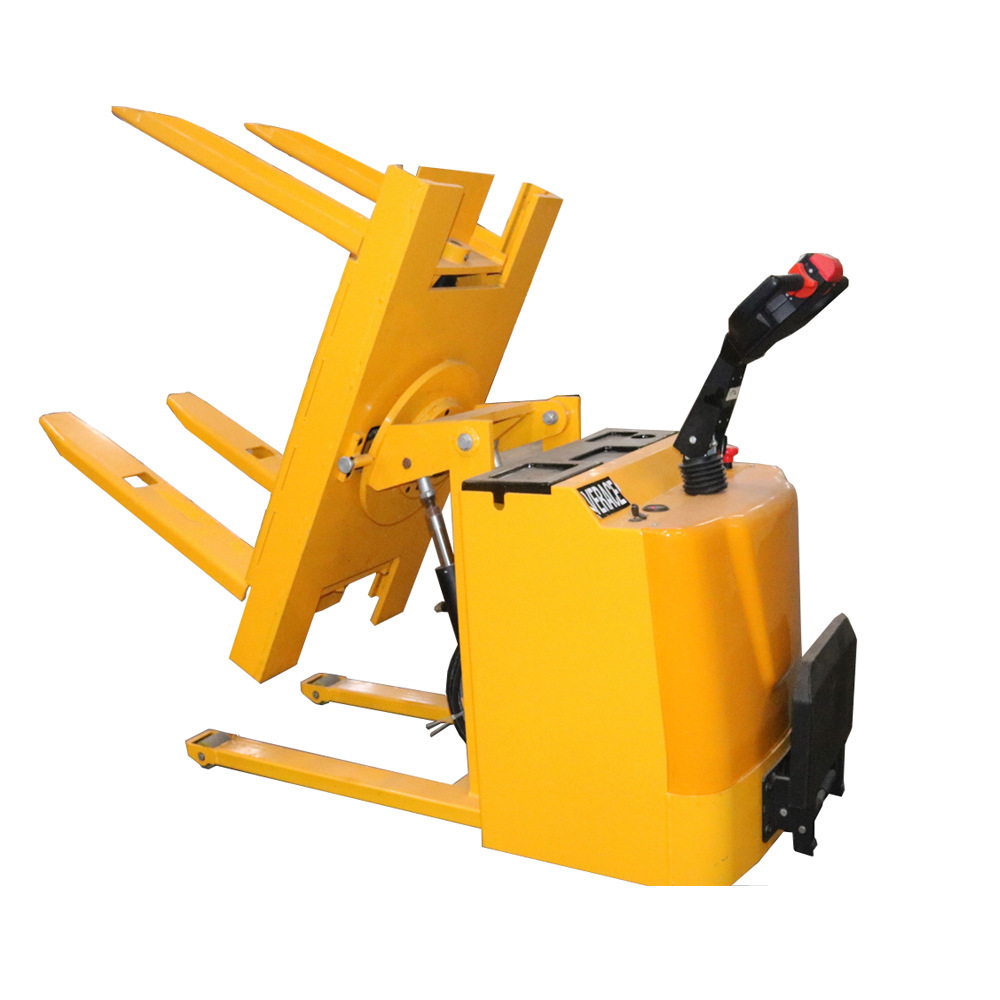
- 90-Degree Inverters: These machines rotate the load by 90 degrees. They are great for transferring goods from a damaged pallet to a new one or for changing the orientation of a load. Consider if your operation needs horizontal or vertical transfers.
- 180-Degree Inverters: These are often called “pallet changers” or “pallet transfer systems.” They completely invert the load. They are essential for switching between different pallet types (e.g., wooden to plastic for hygiene, or Euro to US standard for export). This is crucial for food processing and international logistics. 🔄
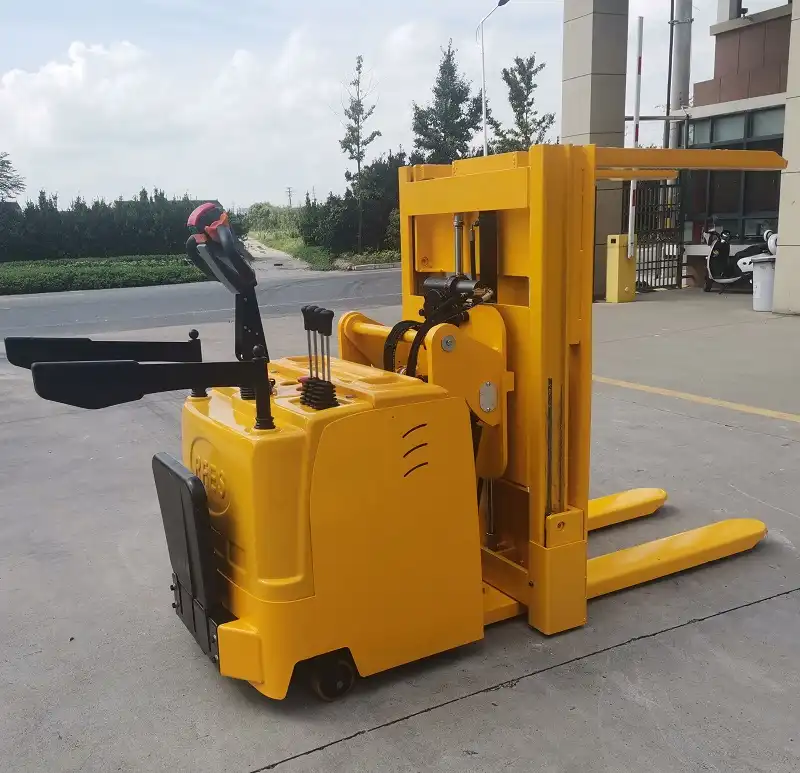
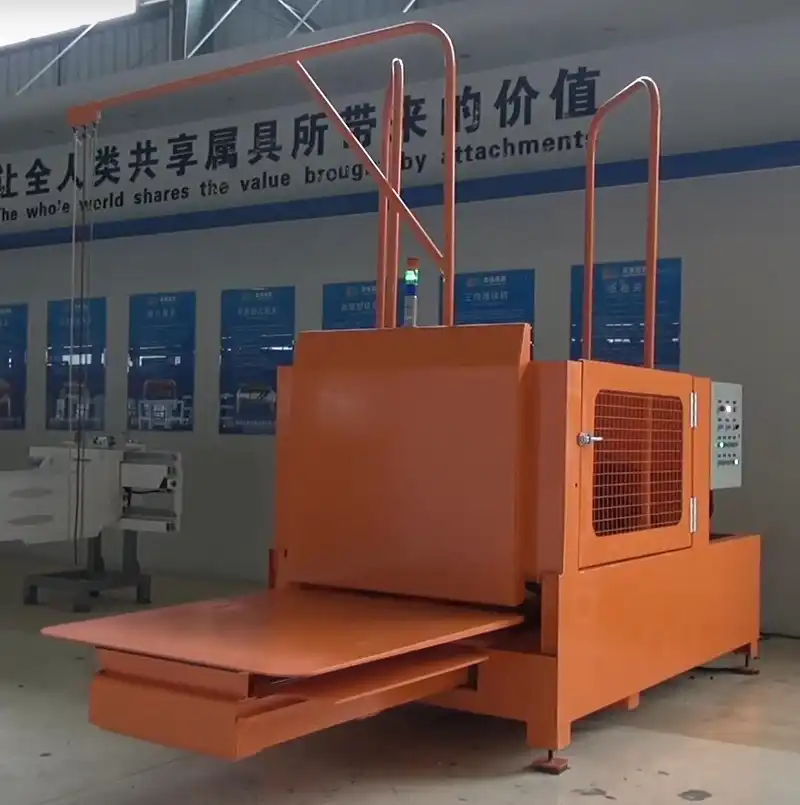
- Free-Standing vs. Mobile: Free-standing units are fixed in one spot, integrated into a production line. Mobile units offer flexibility, allowing you to move the inverter to different areas of your warehouse. Your layout and operational flow will determine which is best.
- Hydraulic vs. Mechanical: Hydraulic systems often offer smoother, more powerful operations for heavier loads. Mechanical systems can be simpler and sometimes more cost-effective for lighter duties. Understand the pros and cons for your load types.
- Key Features for US Factory Operations:
- Load Capacity and Size Range: Does the inverter handle the maximum weight and dimensions of your products? What about minimums? An oversized machine can be inefficient, and an undersized one will fail.
- Pallet Adaptability: This is huge for US companies involved in global trade. Can the machine seamlessly switch between Euro, US, and plastic pallets without complex adjustments? This directly addresses Carlos’s challenge.
- Automation Level: Do you need a fully automatic system that integrates into your existing line, or would a semi-automatic model with an operator be sufficient? Full automation reduces labor dependence and increases speed.
- Safety Features: Look for emergency stop buttons, safety guarding, light curtains, and robust construction. A good supplier prioritizes worker safety, not just machine function.
- Cycle Time and Throughput: How many pallets can it process per hour? This directly impacts your warehouse efficiency and ability to meet demanding delivery schedules.
- Customization and Future-Proofing:
- Scalability: Can the system be upgraded or integrated with other equipment as your business grows? Thinking long-term is always smart.
- Special Requirements: Do you have specific needs like cleanroom environments, wash-down capabilities (common in food industries), or specialized load handling (e.g., fragile goods)? Ensure the supplier can meet these.
- Integration with WMS: For modern US factories, seamless integration with Warehouse Management Systems (WMS) is a major plus. This allows for better data tracking and optimized operations. 📊
Is Your Supplier a Partner or Just a Seller? Why After-Sales Support Matters for US Factories?
Choosing a pallet inverter is not a one-time transaction. It is the start of a relationship. For US factory owners, this relationship with your supplier is incredibly important. You are not just buying a piece of metal and electronics. You are investing in a solution that needs to perform reliably for years. If a supplier only cares about the sale and then disappears, you are left alone when problems arise. This is where the difference between a “seller” and a “partner” becomes very clear.
A supplier that acts as a true partner offers comprehensive after-sales support, including installation, training, maintenance, and readily available spare parts, which is crucial for US factories to ensure continuous operation, maximize their investment, and prevent costly downtime from unforeseen issues.
From my personal journey, building FHOPEPACK, I have always believed in giving back and truly helping clients. This mindset defines a good partner. A real partner understands your challenges, like the need for reliable equipment and the high cost of labor in the US. They are there to support you through the entire lifecycle of the machine.
- Installation and Commissioning:
- Professional Setup: A reliable supplier will not just drop the machine at your door. They will provide professional installation and ensure the pallet inverter is set up correctly and safely. This prevents early issues.
- Smooth Integration: They will help integrate the new inverter into your existing production line or warehouse layout. This ensures a seamless workflow from day one.
- Testing and Calibration: Proper testing after installation confirms the machine works to its specifications. This gives you peace of mind. ✅
- Operator Training and Safety Protocols:
- Comprehensive Training: Your staff needs to know how to operate the pallet inverter safely and efficiently. A good supplier offers thorough training sessions for your team. This reduces errors and improves productivity.
- Safety Guidance: They will provide clear guidelines and documentation on safety procedures. This is vital for preventing accidents and maintaining a safe work environment, which is a top concern for US factories.
- Troubleshooting Knowledge: Training should include basic troubleshooting. This allows your team to handle minor issues without needing to call for service every time. 📚
- Maintenance, Spare Parts, and Technical Support:
- Planned Maintenance: A good partner offers scheduled maintenance plans. Regular check-ups prevent major breakdowns and extend the life of your equipment.
- Spare Parts Availability: Nothing is worse than a machine breaking down and waiting weeks for a part. Ask about their spare parts inventory and delivery times. Local availability or quick shipping for US customers is a huge advantage.
- Responsive Technical Support: When something does go wrong, you need quick help. How fast do they respond to service calls? Do they offer remote diagnostics? Reliable technical support minimizes downtime. 📞
- Long-Term Partnership and Problem Solving:
- Understanding Your Needs: A true partner takes the time to understand your specific challenges and goals. They do not just sell you a machine; they offer a solution. This is what Carlos is looking for.
- Future Adaptability: They should be able to offer advice on how to adapt or upgrade your equipment as your business evolves. This shows a commitment beyond the initial sale.
- Industry Expertise: Look for a supplier with deep knowledge of the packing machine industry. Their experience can be invaluable when you face new challenges. 🤝
How Does a Smart Comparison Drive Your Factory’s Profit and Safety?
After all this discussion, you might be asking: “What is the real benefit for my factory?” For US factory owners, every decision needs to translate into clear advantages, especially in terms of profit and safety. A smart comparison of pallet inverter suppliers is not just an extra step. It is a strategic move that directly improves your operational efficiency and safeguards your workers. It helps you achieve your business goals, from cutting costs to keeping your promises to customers.
A strategic comparison of pallet inverter suppliers directly impacts a US factory’s profitability by reducing labor costs through automation, increasing operational efficiency and throughput, and enhancing safety measures to prevent accidents and associated liabilities, ultimately leading to a stronger return on investment and a more competitive edge.
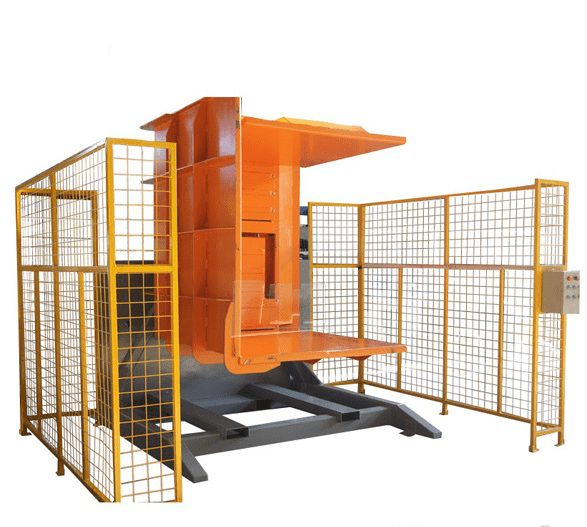
I have seen factories transform their operations simply by making the right equipment choices. When I established my own factory, I learned that investing wisely upfront pays dividends for years. This is especially true for pallet inverters, which are at the heart of many logistics operations.
- Significant Reduction in Labor Costs:
- Automated Pallet Changing: The most direct benefit of a good pallet inverter is the reduction in manual labor. Instead of multiple workers spending time on risky and repetitive tasks like manual pallet changing, a machine can do it faster and safer.
- Reallocation of Workforce: Employees previously assigned to manual pallet handling can be moved to more value-added roles. This optimizes your existing workforce and addresses the challenge of labor shortages.
- Reduced Overtime: Faster processing times mean less need for overtime hours, directly cutting your operational expenses. 💸
- Improved Efficiency and Throughput:
- Faster Cycle Times: A well-chosen pallet inverter can process pallets much quicker than manual methods. This speeds up your entire warehouse operation.
- Smooth Workflow: By eliminating bottlenecks at the pallet transfer point, your goods move through the facility more smoothly, meeting tight delivery schedules. This is crucial for satisfying demanding e-commerce and retail clients.
- Consistent Operation: Machines work consistently without fatigue, ensuring a steady flow of products. This predictability is vital for planning and meeting production targets. 🚀
- Enhanced Safety and Compliance:
- Elimination of Manual Risks: By automating pallet changing, you drastically reduce the risk of injuries from heavy lifting, crushing, or goods falling. This directly improves worker safety and morale.
- Reduced Accident Costs: Fewer accidents mean lower workers’ compensation claims, reduced insurance premiums, and less downtime due to injury investigations.
- Regulatory Compliance: Modern pallet inverters meet strict safety standards. Choosing a compliant machine ensures your factory adheres to local and national regulations, avoiding potential fines and legal issues. 🛡️
- Long-Term Return on Investment (ROI):
- Durability and Longevity: Investing in a high-quality machine from a reliable supplier means it will last longer. This provides a better return on your initial investment over many years.
- Future Growth: A flexible and adaptable pallet inverter can grow with your business, handling increased volumes or new product lines without needing immediate replacement.
- Competitive Advantage: Factories that operate more efficiently and safely are more attractive to customers and can secure better contracts. This puts you ahead of the competition. 📈
Conclusion
Comparing pallet inverter suppliers is a smart move for US factory owners. It saves money, improves safety, and boosts efficiency. Making a thoughtful choice ensures you get the right pallet inverter that supports your factory’s growth and operational success for years to come.








