
Why Are Thailand Cable Factories Using Coil Wrapping Machines for Cable Coil Wrapping?
Imagine a busy cable factory in Thailand. Production lines hum with activity. Then, you reach the end: a bottleneck. Workers manually struggling to pack heavy, awkward cable coils. This is a common scene, creating delays, risking injuries, and sometimes even damaging the very products they are trying to protect. If you have faced these problems in your own operations, you know the frustration.
Thailand cable factories are widely adopting coil wrapping machines for cable coil wrapping because these machines offer a powerful solution to critical operational challenges. They drastically improve efficiency, enhance worker safety, and protect product quality during packing and transport. This move helps factories in a competitive market meet demand faster, reduce costs, and ensure a higher quality output.
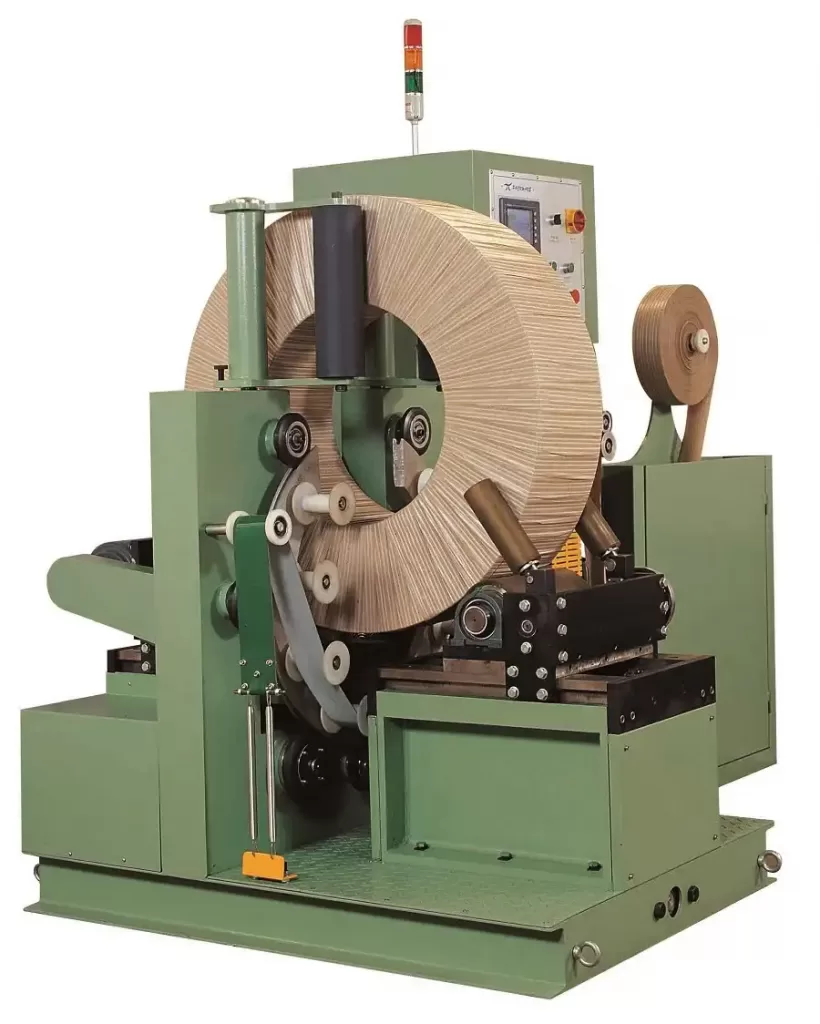
Understanding the “why” behind this shift is key. It is not just about buying new equipment. It is about transforming an entire process. Let us dive deeper into the specific reasons and benefits that make coil wrapping machines an essential investment for modern cable factories, not just in Thailand, but worldwide.
1. What Are the Biggest Challenges Manual Cable Coil Packing Presents to Factories?
Have you ever watched workers strain to handle heavy cable coils? It is a demanding task. Manual cable coil packing brings many problems to factories. It affects how fast things get done, how safe the workplace is, and even the quality of the final product.
Manual cable coil packing significantly slows down production, creates high risks of worker injury, and often leads to product damage. Factories face bottlenecks, increased labor costs, and the burden of managing safety incidents. These challenges directly impact profitability and a factory’s ability to meet market demands effectively.
Let me tell you, from my years in the packing machine industry, I have seen these issues firsthand. When I started as an employee, and later when I built my own factory, manual processes were always a pain point. Heavy coils, like those made from copper or aluminum, are not easy to move or wrap. Workers must use their physical strength, which takes time and energy. This leads to slow packing speeds. If you are producing thousands of coils each day, a slow packing process at the end can stop everything else. This becomes a big bottleneck. Another major problem is safety. Lifting and turning heavy coils by hand is dangerous. Workers can get back injuries, crushed fingers, or other serious accidents. These incidents cause pain for the workers. They also cost the factory money through medical bills, insurance claims, and lost workdays. Furthermore, when people handle coils by hand, there is a higher chance of damaging the product. Cable edges can get scratched or bent. This means more waste, unhappy customers, and lost profits. In a fast-paced market like Thailand, where competition is strong, these problems really hurt a factory’s bottom line.
Manual Packing Challenges and Their Impact
Manual packing methods are often seen as a necessary evil, especially in smaller operations or those resistant to change. However, the cumulative effect of these challenges can be devastating for a factory aiming for growth and efficiency.
Efficiency and Throughput Limitations
- Slow Speed: Human operators work at a limited pace. They cannot match the speed of a machine. This creates a delay at the end of the production line.
- Inconsistent Output: Human performance varies. Some days workers are faster, other days they are slower. This leads to unpredictable packing times.
- Labor Dependency: Relying on many workers for packing means high labor costs. It also means you need to manage worker availability, training, and turnover.
- Bottle Neck Creation: The packing stage often cannot keep up with the speed of manufacturing. This causes products to pile up, waiting to be packed.
Worker Safety Risks
- Repetitive Strain Injuries (RSIs): Constant lifting and wrapping motions can cause long-term injuries to wrists, arms, and backs.
- Accidents from Heavy Lifting: Dropping heavy coils can cause severe foot injuries or crushing accidents.
- Fatigue-Related Errors: Tired workers are more likely to make mistakes. This increases the risk of both injury and product damage.
- High Insurance Costs: A history of workplace injuries drives up insurance premiums for the factory.
Product Damage and Quality Control
- Surface Scratches: Manual handling can cause abrasions or scratches on the cable’s outer jacket.
- Deformation: Improper lifting or dropping can deform the coil’s shape. This makes it harder to store or use.
- Inconsistent Wrapping: Hand wrapping often lacks the tension and consistency of machine wrapping. This can lead to loose packaging that does not protect the product well.
- Customer Complaints: Damaged products result in unhappy customers. This harms the factory’s reputation and can lead to returns or rejected shipments.
In essence, while manual packing might seem cheaper at first glance, its hidden costs in inefficiency, safety, and quality loss quickly outweigh any perceived savings. Factories are realizing this. They are looking for better ways to operate.
2. How Do Coil Wrapping Machines Significantly Improve Operational Efficiency and Throughput?
When factory managers talk about improving operations, efficiency and throughput are always at the top of their list. They want to make more products, faster, with fewer problems. Coil wrapping machines offer a direct answer to these needs.
Coil wrapping machines drastically boost operational efficiency and throughput by automating the packing process. They pack coils much faster and more consistently than manual methods, reducing labor needs and eliminating production bottlenecks. This allows factories to move products through the packing stage quickly, leading to higher overall output and faster delivery times.

I have seen the transformation in countless factories. When I worked in the packing machine industry, one of my biggest joys was helping clients move from slow, manual systems to fast, automated ones. It was amazing to see their production numbers climb. A coil wrapping machine works continuously. It does not get tired. It can wrap hundreds of coils in an hour, a task that would take many people much longer. This speed means that products move quickly from the production line to the warehouse or directly to shipping. There is no waiting. This removes the “bottleneck” problem that many factories face at the packing stage. With automated machines, you need fewer workers for packing tasks. Those workers can then be moved to other important areas of the factory. This makes your workforce more flexible and efficient overall. Also, the machine applies wrapping material with consistent tension and overlap. This means every coil is packed perfectly every time. This consistency not only protects the product better but also makes the packing process predictable. Factories can then plan their output and delivery schedules with greater certainty. This is a huge advantage in a market that demands quick and reliable supply.
Maximizing Production with Automation
The shift from manual to automated coil wrapping is not just an upgrade; it is a fundamental change in how a factory approaches its end-of-line operations. This change brings clear, measurable benefits to efficiency and throughput.
Key Aspects of Enhanced Efficiency
- Increased Speed: Machines operate at speeds far beyond human capability. A typical coil wrapper can pack multiple coils per minute. This is much faster than manual methods.
- Continuous Operation: Machines can run for long shifts, often 24/7, with minimal breaks. Human operators need regular rest.
- Reduced Labor Requirements: Fewer workers are needed for the packing line. This frees up staff for other tasks in the factory. It also reduces overall labor costs.
- Consistent Quality: Machines apply packaging materials with precise tension and overlap. This ensures every coil is wrapped to the same high standard. It eliminates human error.
- Space Optimization: Many coil wrapping machines have a compact design. This optimizes floor space in the factory. Integrated lines can streamline flow.
Impact on Throughput
- Elimination of Bottlenecks: The packing stage no longer slows down the entire production. Products move smoothly from manufacturing to dispatch.
- Higher Output Volume: With faster packing, the factory can process a larger number of coils daily, weekly, and monthly. This directly increases overall production capacity.
- Faster Turnaround Times: Products are ready for shipment sooner. This leads to quicker delivery to customers. This improves customer satisfaction.
- Improved Production Planning: Predictable packing times allow for more accurate scheduling and resource allocation. This makes the entire operation more organized.
Comparative Analysis: Manual vs. Automated Wrapping
| Feature | Manual Coil Wrapping | Automated Coil Wrapping Machine |
|---|---|---|
| Speed | Slow, limited by human pace and fatigue | High, consistent, designed for rapid processing |
| Consistency | Variable, dependent on operator skill and focus | Uniform, precise tension and overlap every time |
| Labor Cost | High, requires multiple operators per shift | Low, requires minimal supervision |
| Safety | High risk of injury (back, hands, repetitive strain) | Low risk, operators are separated from moving parts |
| Product Damage | Higher chance of scratches or deformation | Minimal, gentle handling by design |
| Throughput | Limited, often a bottleneck | High, significantly boosts overall factory output |
| Operating Hours | Restricted by human shifts and breaks | Can operate continuously 24/7 with minimal stops |
The evidence is clear. For any factory looking to scale up and optimize its production, investing in coil wrapping machines is a logical and necessary step. The gains in efficiency and throughput translate directly into increased capacity and profitability.
3. Can Coil Wrapping Technology Truly Enhance Worker Safety and Reduce Risks?
Worker safety is a big concern for any factory manager, including my friend Michael in Mexico. He knows that injuries hurt not only his employees but also his business. He wants to find solutions that protect his team.
Yes, coil wrapping technology significantly enhances worker safety and reduces risks by minimizing human interaction with heavy, moving coils. It eliminates the need for manual lifting, twisting, and repetitive motions that cause injuries. This creates a safer working environment, reduces the chance of accidents, and lowers the factory’s safety-related costs.
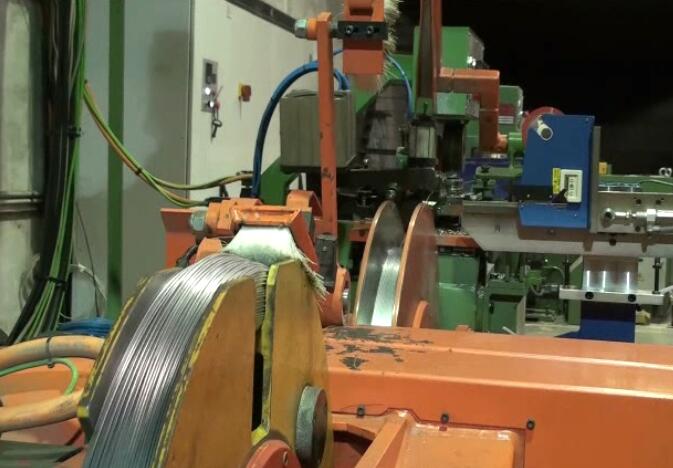
During my time establishing my packing machine factory, I made worker safety a top priority. I know that a safe workplace is a productive workplace. Manual handling of heavy cable coils is a major source of injury in factories. Workers often hurt their backs, shoulders, or hands when lifting, turning, or wrapping these heavy items. These injuries lead to lost workdays, high medical costs, and increased insurance premiums for the factory. They also affect employee morale. Coil wrapping machines change this entirely. They are designed to handle the heavy lifting and the actual wrapping. Workers simply load the coil onto a platform or conveyor, or the machine does it automatically. Then, the machine takes over the wrapping process. This means workers do not need to physically lift or turn the heavy coils. They do not have to perform the same repetitive motions over and over. Many modern machines also have safety features built in. These include emergency stop buttons, safety guards, and sensors. These features stop the machine if a problem occurs or if a worker gets too close to moving parts. By taking the heavy, repetitive, and dangerous tasks away from human hands, coil wrapping technology makes the factory floor a much safer place. This helps protect your valuable employees. It also protects your factory from the financial burden of workplace accidents.
Creating a Safer Workplace Environment
Implementing coil wrapping machines is a proactive step towards building a culture of safety. It removes the most common causes of injury in the packing area, leading to a healthier and more secure workforce.
Key Safety Improvements
- Elimination of Manual Lifting: This is the most significant benefit. Workers no longer need to lift or manually reposition heavy coils. This removes the primary cause of back and muscle injuries.
- Reduced Repetitive Motion: The machine performs the wrapping. Workers are spared from the repetitive twisting and bending that cause musculoskeletal disorders.
- Protection from Moving Parts: Modern machines come with safety enclosures, light curtains, and interlocks. These prevent operators from accessing moving parts during operation.
- Stable Handling: Coils are securely held by the machine during the wrapping process. This prevents accidental drops or shifts that could injure workers.
- Lower Fatigue Levels: Operators supervise the machine instead of performing strenuous labor. This reduces physical fatigue. Reduced fatigue means fewer human errors and a safer environment.
Financial Benefits of Enhanced Safety
Factories often focus on the upfront cost of machinery. However, the long-term savings from improved safety are substantial.
- Reduced Insurance Premiums: Fewer workplace injuries lead to a better safety record. This can result in lower workers’ compensation insurance costs.
- Decreased Medical Expenses: Less injuries mean fewer medical bills for the factory to cover.
- Lower Lost Workdays: Injured workers cannot perform their duties. Automated machines reduce the number of employees taking time off due to injury. This maintains productivity.
- Reduced Employee Turnover: A safer workplace improves employee satisfaction and retention. Workers are less likely to leave due to injury risk. This saves on hiring and training costs.
- Avoidance of Fines and Legal Costs: Compliance with safety regulations reduces the risk of penalties from regulatory bodies or lawsuits from injured employees.
Case Study Example: A Thai Cable Factory’s Experience
A medium-sized cable factory in Ayutthaya, Thailand, traditionally relied on a team of eight workers for coil packing. They reported an average of 3-4 significant back injuries annually, leading to over 100 lost workdays and increased insurance costs by 15% in two years. After installing a semi-automatic coil wrapping machine, they reassigned four workers to other tasks. Within the first year, reported injuries dropped to zero. The factory saw a 10% reduction in overall labor-related costs and a significant improvement in worker morale. This factory’s story highlights how a focused investment in technology directly translates to a safer, more sustainable operation. This is the kind of impact I strive to deliver for FHOPEPACK’s clients.
4. Beyond Packing, What Long-Term Value and ROI Do These Machines Offer for Business Growth?
Investing in machinery is a big decision for any factory manager. It is not just about the immediate benefits. It is also about what the equipment can do for the business in the long run. Michael Chen, for example, is looking for a partner, not just a seller. He wants solutions that provide clear ROI.
Coil wrapping machines offer significant long-term value and a strong return on investment (ROI) by reducing operating costs, enhancing product integrity, and improving overall customer satisfaction. They cut labor expenses, minimize product damage, and allow for better brand presentation. This helps factories grow their market share, increase profitability, and build a reputation for quality and reliability.
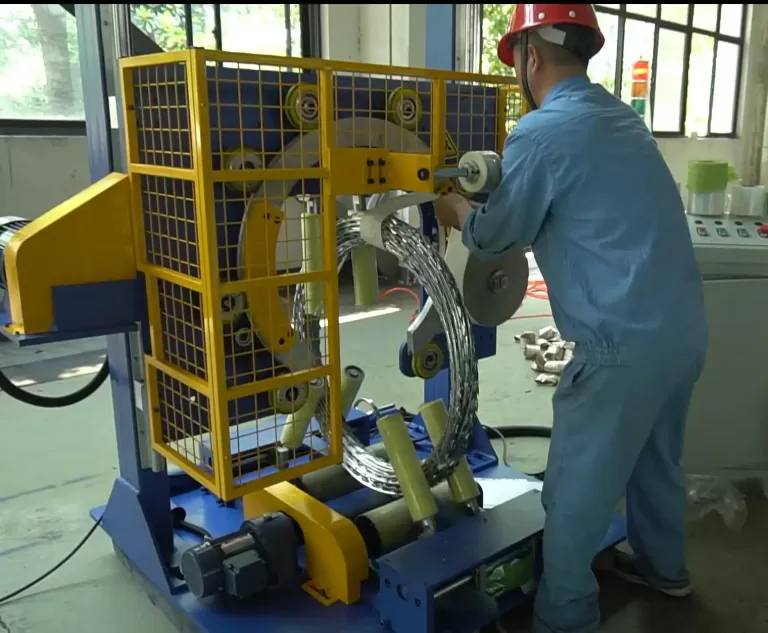
My journey in the packing machine industry taught me that true success comes from delivering real value. When I established FHOPEPACK, my mission was to help clients not just buy a machine but to invest in a solution that drives their business forward. Coil wrapping machines do exactly this. Think about the direct cost savings. Fewer workers needed for packing means lower wage bills. Less product damage means fewer rejections and less waste. These savings add up quickly. But the benefits go beyond direct costs. When your products are consistently well-packed, they look professional. This makes a good impression on customers. A securely wrapped coil is also much less likely to get damaged during transport, even over long distances, which is crucial for international shipping from places like Thailand. This leads to fewer customer complaints and more repeat business. Happy customers are loyal customers. This builds your brand’s reputation for quality. A stronger brand means you can attract more clients and expand into new markets. These machines also allow for greater production capacity. When you can pack more coils faster, you can take on bigger orders. This opens up opportunities for business growth that would be impossible with manual packing. Ultimately, investing in a coil wrapping machine is an investment in your factory’s future. It is about building a more efficient, safer, and more profitable operation that can stand the test of time.
Driving Sustainable Business Growth and Profitability
The strategic implementation of coil wrapping machines extends its benefits far beyond the packing line, impacting various facets of business operations and long-term sustainability.
Economic Advantages and ROI
- Reduced Labor Costs: Automated systems mean fewer hands are required for packing. This directly translates to savings on wages, benefits, and training.
- Minimized Material Waste: Precise machine application reduces excess use of wrapping film. It also ensures consistent tension, preventing breakage and re-wraps.
- Lower Product Damage Costs: Secure and uniform packaging significantly reduces instances of damage during internal handling, storage, and shipping. This cuts down on returns, rework, and warranty claims.
- Increased Production Capacity: The ability to pack more units per hour directly impacts the factory’s potential to increase sales volume and meet larger demands.
- Energy Efficiency: Modern machines are designed to be energy-efficient. They consume less power compared to the cumulative energy output required for extensive manual operations.
Enhanced Market Position and Customer Satisfaction
- Consistent Product Quality: Uniform packaging signals professionalism and attention to detail. This enhances the perceived quality of the product inside.
- Improved Brand Image: Neatly packed, damage-free products reinforce a positive brand image and build customer trust.
- Faster Delivery Times: Increased efficiency in packing means products can be dispatched sooner. This improves supply chain responsiveness and customer satisfaction.
- Reduced Customer Complaints: Fewer damaged goods mean fewer complaints, returns, and disputes. This frees up customer service resources.
- Competitive Advantage: Factories with efficient, high-quality packing can offer better service. They can also often achieve lower costs. This gives them an edge over competitors still relying on manual methods.
Strategic Growth Opportunities
- Scalability: Automated packing lines are easier to scale up. You can add more machines or integrate them into fully automatic systems as production grows.
- Diversification: The versatility of some coil wrapping machines allows them to handle different sizes or types of coils. This opens possibilities for new product lines.
- Global Market Access: High-quality, secure packaging is essential for international shipping. Machines ensure products meet global shipping standards, expanding market reach.
- Data Collection and Analysis: Many modern machines integrate with factory management systems. They provide data on packing speed, material usage, and uptime. This data helps with continuous improvement.
Investing in coil wrapping machines is a strategic move that pays dividends over time. It creates a more robust, cost-effective, and reputable business. This helps factory managers like Michael achieve their long-term growth objectives.
My Insights!
When I reflect on my journey, from working on the factory floor to building FHOPEPACK, one truth stands out: genuine expertise comes from doing. I did not just read about packing machines; I built them, operated them, and saw their impact firsthand. I understood the daily struggles of a factory, the relentless push for efficiency, the constant worry about safety, and the pressure to deliver quality. This is why I started FHOPEPACK: to share that hard-won knowledge.
I remember one client, a steel wire manufacturer, was facing exactly the problems we have discussed. Their manual packing was slow, workers were getting injured, and their beautiful wire coils were often scratched. They were hesitant to invest in automation. They had been burned by other suppliers who only wanted to sell a machine and then disappear. I sat down with them. I did not just show them brochures. I showed them calculations, detailed ROI projections, and examples from factories I had helped. I explained how a coil wrapping machine would not just wrap their products but would transform their entire operation. We worked together to customize a solution. Months later, they called me. Their production was up, injuries were down, and they were winning new contracts because of their improved quality and faster delivery. That phone call, that success story, is why I do what I do. It is about helping businesses grow, helping people work safely, and helping factory managers, like Michael, achieve their goals. It is about being a partner, not just a vendor.
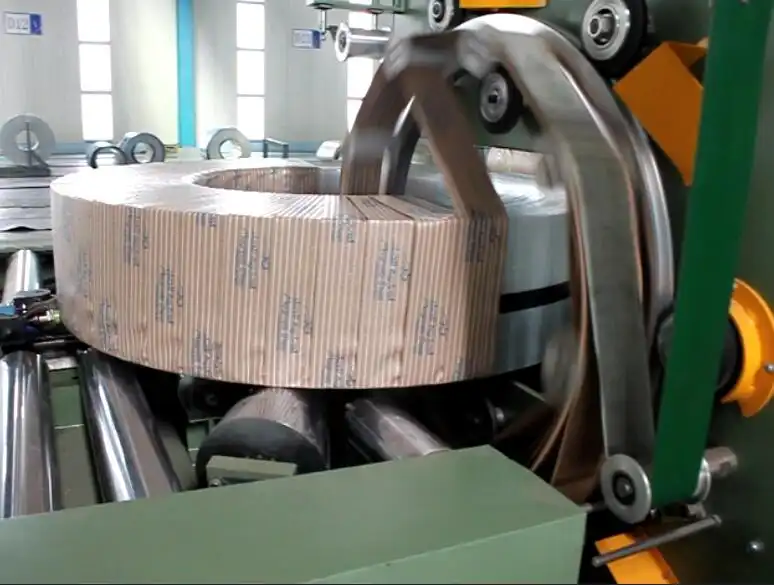
So, when we talk about why Thailand cable factories are adopting coil wrapping machines, it is more than just about a piece of equipment. It is about smart business strategy. It is about solving real problems with proven technology. It is about securing a future where production is smooth, workers are safe, and products arrive perfectly. My mission is to ensure that anyone looking for such solutions finds not just a machine, but true expertise and a partner dedicated to their success.
Conclusion
Coil wrapping machines are vital for Thailand cable factories, boosting efficiency, enhancing safety, reducing costs, and protecting products. They offer clear ROI and enable sustainable business growth through automation and improved quality.








