
How Thailand Factories Are Mastering Steel Coil Packaging with Coil Wrapping Machines?
Are you a factory manager facing constant pressure to boost production, cut costs, and keep your workers safe? I understand this challenge deeply. Many factories, especially in dynamic industrial hubs like Thailand, struggle with outdated, labor-intensive steel coil packaging. This often leads to frustrating efficiency bottlenecks, serious safety hazards for staff, and costly damage to valuable products before they even leave the plant. These issues hit your bottom line hard and slow down your entire operation.
Thailand factories are increasingly adopting advanced coil wrapping machines to transform their steel coil packaging processes. These machines automate what was once a slow, risky, and labor-intensive task, significantly enhancing operational efficiency, improving worker safety, and protecting product quality from damage during transit and storage.
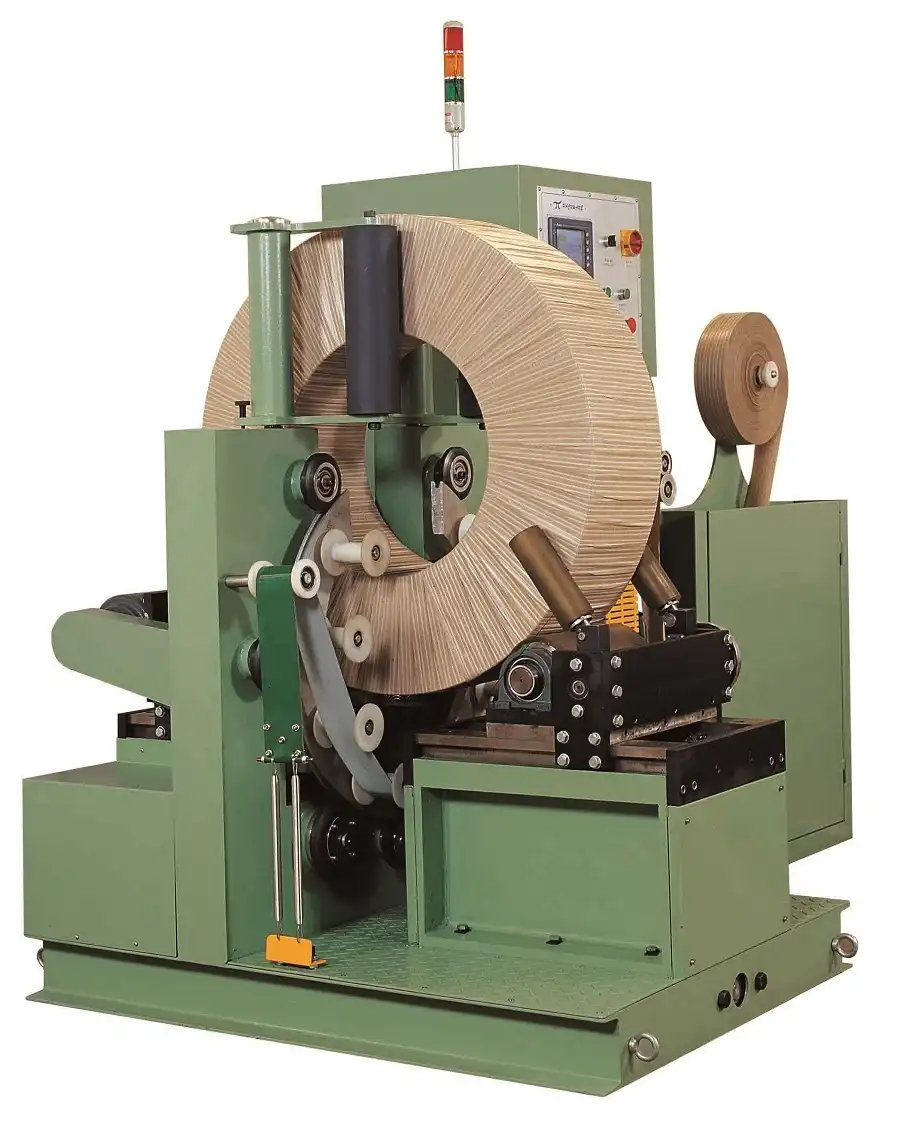
This shift is not just about buying new equipment. It is about strategic investment in solutions that truly solve core operational problems. Factories in Thailand are looking for partners who understand their real-world challenges. They want to move beyond simple sales transactions. Let’s explore why this change is happening and how these factories are benefiting from modern packaging technology.
1. Why Are Manual Steel Coil Packaging Methods Failing Thai Factories?
Is your current steel coil packaging process slowing down your entire production line? Many factories I have worked with face this exact problem. Manual handling of heavy steel coils or wire bundles is not just slow; it creates a cascade of other serious issues that impact your business every single day.
Manual steel coil packaging methods are failing Thai factories primarily due to their inherent inefficiencies, high safety risks for workers, significant potential for product damage, and escalating labor costs. These factors combined hinder overall productivity, increase operational expenses, and compromise the quality of finished goods.
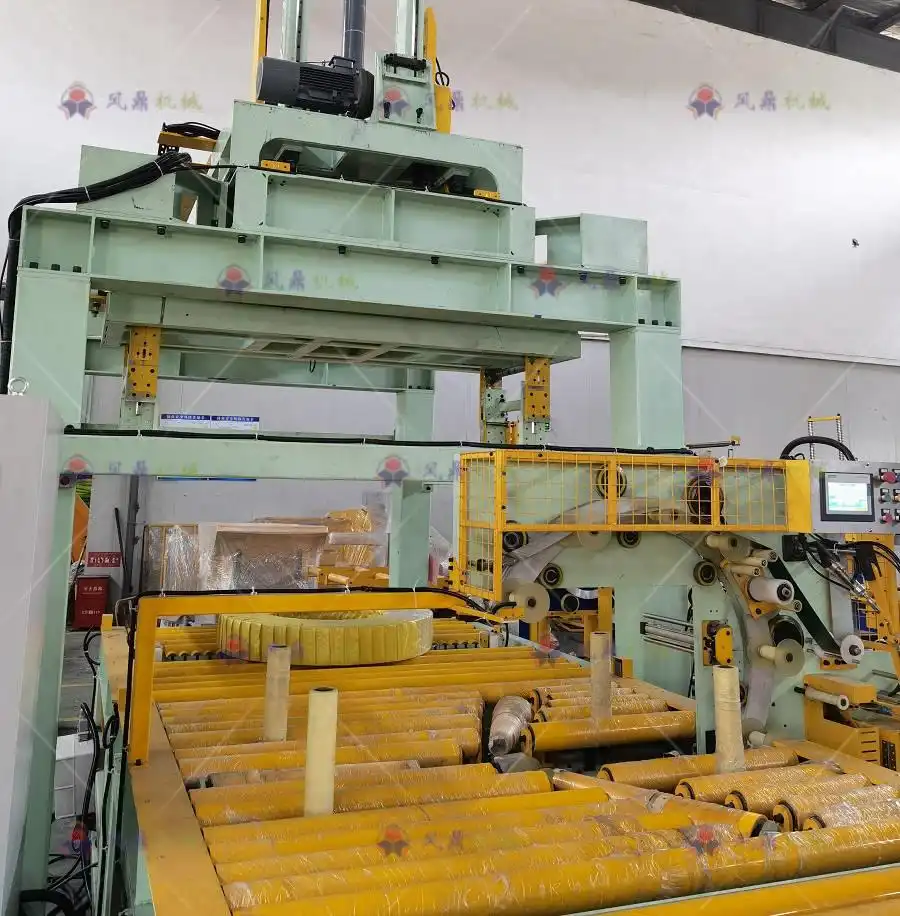
From my own journey, from being an employee on a factory floor to running my own successful packing machine factory, I have seen firsthand how manual processes can become the biggest bottleneck. These methods often stand in the way of a factory’s true potential. They make it hard to compete in a fast-moving market. Let us dive deeper into the specific problems that make manual packaging a costly outdated practice for factories in Thailand and elsewhere.
The Hidden Costs of Manual Coil Packaging
Manual steel coil packaging often appears to be a low-initial-cost option. But, it carries significant hidden costs that affect profitability and long-term sustainability. The reliance on human labor for repetitive, strenuous tasks means factories in Thailand face ongoing challenges. These challenges include slow operational speeds and a high risk of errors. Imagine a production line operating at peak efficiency, only to be held back at the very end by a slow packaging process. This creates a significant bottleneck, causing delays in shipments and frustrating customers. I have helped many clients understand that this bottleneck can be more expensive than they realize. It delays revenue and creates storage issues for finished goods.
Beyond speed, safety is a major concern. Moving heavy steel coils by hand or using basic, non-automated methods exposes workers to severe risks. These risks include crush injuries, sprains, and back problems. I have personally witnessed accidents on factory floors that could have been prevented with proper automation. Such incidents lead to high insurance costs, expensive workers’ compensation claims, and a demoralized workforce. Employee turnover also increases. When skilled workers leave due to unsafe conditions, it creates additional recruitment and training costs.
Furthermore, manual handling significantly increases the risk of product damage. Steel coils, especially their edges, are vulnerable to dents, scratches, or deformation during manual lifting and repositioning. This damage often leads to customer complaints, product returns, and profit losses. The reputation of the factory also suffers. I always emphasize that preventing damage is not just about saving money on returns. It is also about maintaining customer trust and ensuring long-term business relationships. For a factory manager like Michael, every damaged coil is a direct hit to the budget and a potential loss of future orders. The table below illustrates the stark contrast between manual and automated packaging methods.
| Aspect | Manual Coil Packaging | Automated Coil Wrapping Machine |
|---|---|---|
| Efficiency | Slow, inconsistent speeds; creates bottlenecks | Fast, consistent, high-volume output; eliminates bottlenecks |
| Safety | High risk of worker injury (crushes, strains, etc.) | Significantly reduced human interaction with heavy coils; much safer |
| Product Damage | Frequent damage (dents, scratches) during handling | Minimized damage through gentle, precise machine handling |
| Labor Costs | High ongoing labor expenses, overtime, turnover costs | Reduced reliance on direct labor, lower long-term labor costs |
| Quality | Inconsistent wrap quality, potential for loose coils | Uniform, tight, secure packaging every time |
| Operational Hours | Limited by human endurance, shift schedules | Can operate continuously, 24/7 if needed |
| Scalability | Difficult to scale up quickly with increased demand | Easily scales with production needs |
2. What Core Benefits Do Coil Wrapping Machines Bring to Thailand’s Steel Industry?
Are you constantly searching for ways to boost productivity and ensure your products reach customers in perfect condition? This is a common challenge for factory managers. The answer often lies in smart technology. For the steel industry, coil wrapping machines are proving to be game-changers.
Coil wrapping machines bring transformative benefits to Thailand’s steel industry by dramatically increasing packaging efficiency, significantly enhancing worker safety, and ensuring superior product protection. They allow factories to process more coils faster, reduce workplace accidents, and deliver products free from damage, directly contributing to higher profitability and customer satisfaction.
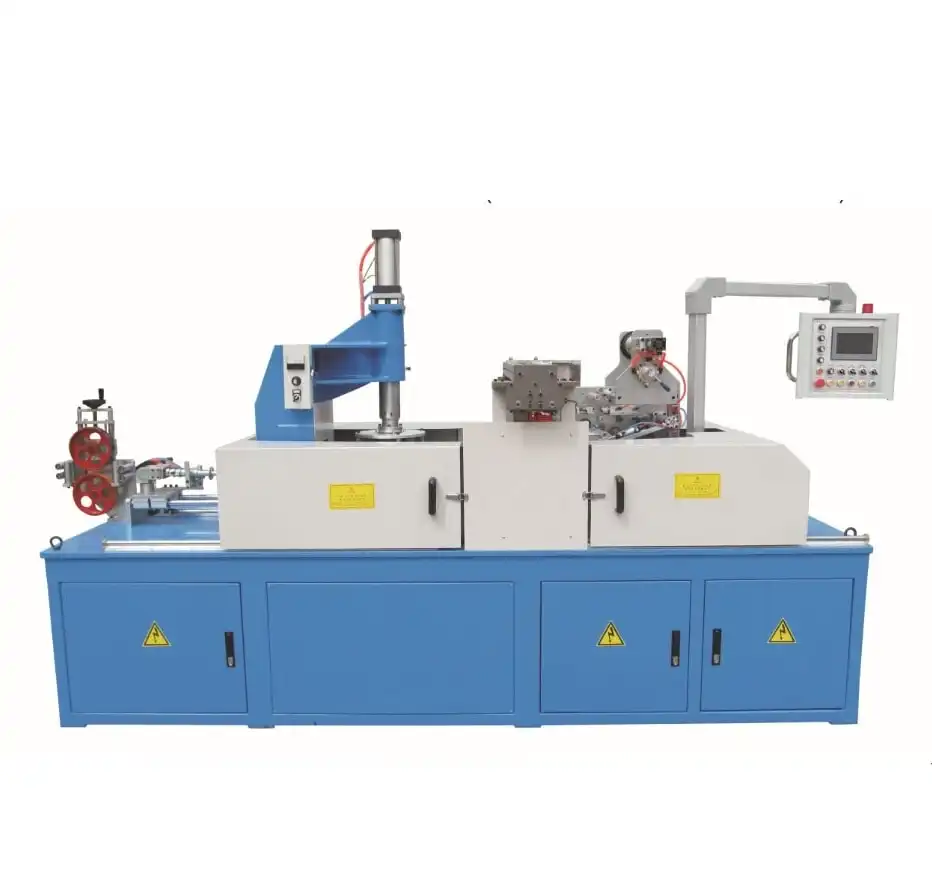
When I was building my own factory, I learned that true success comes from investing in systems that eliminate your biggest headaches. Coil wrapping machines do exactly that. They solve many of the problems I have seen factories struggle with for years. Let us delve into the specific advantages that make these machines an indispensable asset for any modern steel processing facility.
Transforming Operations: Efficiency, Safety, and Quality
The adoption of coil wrapping machines marks a significant leap forward for factories in Thailand and other industrial nations. The most immediate and noticeable benefit is the dramatic increase in operational efficiency. Automated coil wrappers can package coils much faster and more consistently than manual methods. This means higher throughput at the end of the production line. It eliminates those frustrating bottlenecks that slow down your entire operation. For a factory manager, this means improved delivery times, increased capacity, and the ability to take on more orders. I have seen clients go from struggling to meet deadlines to comfortably exceeding them, all because of this one change.
Safety improvements are equally profound. By automating the packaging of heavy steel coils, factories drastically reduce the need for manual handling. This directly translates to fewer workplace accidents. There are fewer injuries from lifting, pushing, or manipulating heavy loads. This is not just about compliance; it is about protecting your most valuable asset: your employees. Lower injury rates mean fewer workers’ compensation claims, reduced insurance premiums, and a happier, more stable workforce. This creates a much more positive and productive work environment. It reflects a factory that cares about its people.
Product quality and protection also see massive improvements. Coil wrapping machines apply a consistent, tight, and secure wrap around the steel coils. This protects them from moisture, dust, scratches, and impacts during storage and transportation. This is critical for maintaining the integrity and value of the product. It helps prevent costly damage that leads to customer complaints and returns. When your products arrive at the customer’s site in perfect condition, it builds trust and enhances your reputation. This commitment to quality is what sets leading factories apart. It ensures repeat business and customer loyalty. My experience has shown that investing in a good wrapping machine pays for itself many times over through reduced waste and improved customer relations.
Consider the before and after scenario:
| Feature/Benefit | Before Coil Wrapping Machine (Manual) | After Coil Wrapping Machine (Automated) |
|---|---|---|
| Packaging Speed | Slow, inconsistent, highly dependent on labor availability | Fast, consistent, continuous operation, higher throughput |
| Worker Safety | High risk of injury (strains, crushes, cuts) from heavy lifting/handling | Significantly reduced manual handling, lower injury rates, safer environment |
| Product Protection | Vulnerable to scratches, dents, and moisture during handling and storage | Robust protection against physical damage, dust, and moisture |
| Labor Requirement | High demand for multiple skilled laborers for packaging | Minimal labor required, freeing staff for other tasks, lower labor costs |
| Wrap Quality | Variable, often loose or inconsistent | Uniform, tight, secure, professional-looking wrap every time |
| Operational Cost | High labor costs, insurance premiums, potential for product damage losses | Lower labor costs, reduced waste, fewer damage claims, predictable expenses |
| ROI | Negative due to inefficiencies, safety risks, and damage | Positive, fast payback through savings in labor, safety, and waste |
3. What Specific Types of Coil Wrapping Machines Are Popular in Thai Factories?
Have you ever wondered which coil wrapping machine is the right fit for your factory’s unique needs? The market offers a wide range of options. Choosing the best one can feel overwhelming. It is important to match the technology to your specific products and production goals.
Thai factories typically favor several types of coil wrapping machines based on the size, weight, and specific packaging requirements of their steel coils and wire products. Orbital wrappers are highly popular for their versatility, while horizontal and vertical stretch wrappers are chosen for their speed and ability to secure larger or uniquely oriented coils. Each type offers distinct advantages tailored to different production setups.
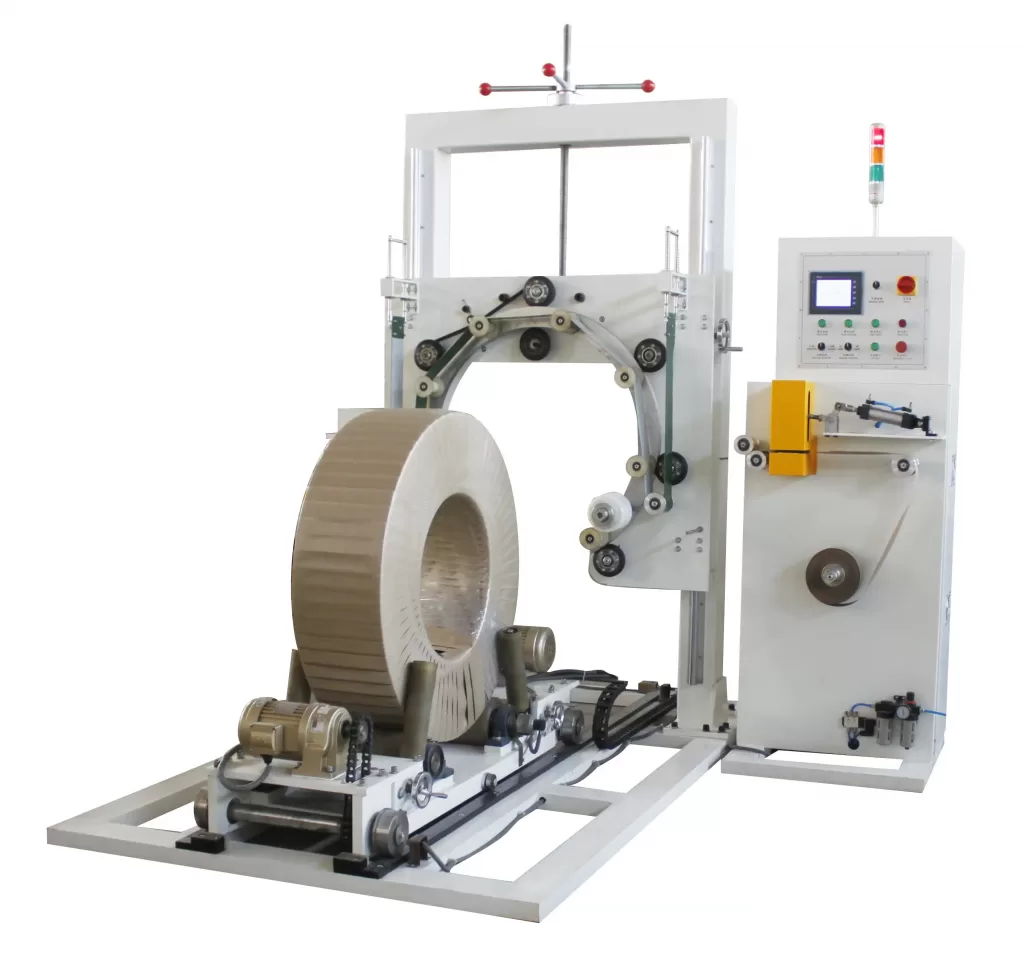
My experience in the packing machine industry has shown me that there is no one-size-fits-all solution. The “best” machine is always the one that solves your specific problems most effectively. Understanding the different technologies available helps you make an informed decision. Let us look closer at the types of coil wrapping machines that are commonly used and highly effective in Thailand’s busy factories.
Matching Technology to Production Needs
Thai factories, like many globally, utilize various coil wrapping machines. They select these machines based on the unique characteristics of their steel coils and wire products. The type of material, its weight, dimensions, and the required packaging speed all play a role in this decision.
Orbital Coil Wrapping Machines are among the most versatile and popular. These machines feature a wrapping ring that moves around the coil, applying stretch film, paper, or woven material as the coil passes through. They are excellent for a wide range of products, from smaller wire coils to larger steel bands. Their ability to wrap horizontally makes them ideal for situations where coils are transported flat on a conveyor. I have seen many factories benefit from their flexibility. They can adjust to different coil sizes without major reconfigurations. This makes them a cost-effective choice for factories producing varied coil types.
Horizontal Coil Stretch Wrapping Machines are designed for heavier and larger steel coils. These machines rotate the stretch film around the coil as it moves horizontally. This provides a very secure and tight wrap. They are often integrated into automated production lines. They ensure a seamless flow from the coiling process to final packaging. These machines are robust and built for high-volume operations, offering speed and consistency for heavy-duty applications. Their strong construction means they can withstand the demanding environment of a steel factory.
Vertical Coil Stretch Wrapping Machines are used for coils that need to be wrapped while standing upright. This is particularly common for certain types of wire coils or smaller steel coils. The machine wraps the film around the vertical axis of the coil. This offers stability and specific packaging requirements. These are often used when vertical storage or handling is preferred. This optimizes floor space in a factory.
Automatic vs. Semi-Automatic Systems: While fully automatic systems integrate seamlessly into complete production lines, minimizing human intervention, semi-automatic machines also find their place. Semi-automatic options require an operator to load and unload coils but automate the wrapping process itself. These are often chosen by smaller to medium-sized factories. They offer a good balance between automation benefits and initial investment costs. My advice to clients is always to consider their current production volume, future growth plans, and budget when deciding between these levels of automation. Investing in the right type of machine means investing in the future efficiency and safety of your factory.
Here is a comparison of popular coil wrapping machine types:
| Machine Type | Best Suited For | Key Features | Advantages | Considerations |
|---|---|---|---|---|
| Orbital Coil Wrapper | Wide range of steel coils, wire coils, pipes | Rotating ring applies wrap; coil passes through horizontally | Versatile, good for varied sizes, excellent for circumferential protection | Requires space for coil to pass through |
| Horizontal Stretch Wrapper | Large, heavy steel coils, high-volume production | Coil positioned horizontally; film dispenser rotates around coil | High speed, very secure wrap for heavy loads, integrates with conveyors | Larger footprint, primarily for horizontal coils |
| Vertical Stretch Wrapper | Specific wire coils, smaller steel coils (upright) | Coil positioned vertically; film dispenser rotates around | Ideal for vertical storage/handling, good for specific product orientations | Less common for very large/heavy steel coils, specific handling required |
| Automatic System | High-volume, continuous production lines | Fully integrated, minimal human interaction, high throughput | Maximum efficiency, lowest labor cost, highest safety | Higher initial investment, requires integration with existing lines |
| Semi-Automatic System | Medium-volume, varied product runs, budget-conscious | Operator loads/unloads; machine performs wrap automatically | Good balance of automation and cost, flexible for diverse product types | Still requires operator for loading/unloading |
4. How Can Thai Factories Ensure a Successful Coil Wrapping Machine Investment?
Are you feeling cautious about investing in new equipment, especially after past experiences with unreliable suppliers? I have heard this concern many times from factory managers. It is more than just buying a machine; it is about finding a trustworthy partner who understands your operational needs and stands by their products.
Thai factories can ensure a successful coil wrapping machine investment by carefully selecting suppliers with a proven track record, prioritizing after-sales service and technical support, demanding clear ROI projections, and focusing on customization to meet specific operational requirements. This holistic approach helps build a long-term, mutually beneficial partnership rather than just a one-time purchase.
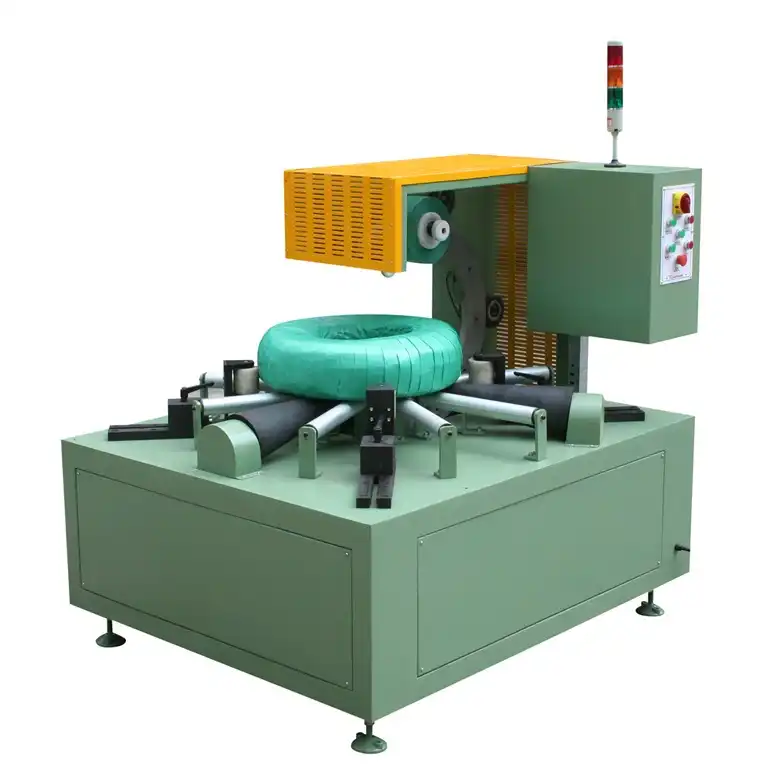
When I started my own packing machine factory, I knew that reliability and support were just as important as the machine itself. My goal has always been to provide solutions, not just sell equipment. This is the mindset you need when making such a critical investment. Let us discuss the key steps factories in Thailand should take to make sure their investment truly pays off.
Beyond the Sale: Building a Partnership for Long-Term Success
Making a significant capital investment like a coil wrapping machine requires careful planning and due diligence. For factories in Thailand, ensuring a successful outcome goes far beyond simply choosing the cheapest option. It involves forming a partnership with a supplier who truly understands your business and your unique challenges. From my perspective, having founded and grown a packing machine factory myself, I know the difference a reliable partner can make. Many suppliers are only interested in making a quick sale. But, the real value comes from a company that offers ongoing support, technical expertise, and a commitment to your long-term success.
The first step is to thoroughly vet potential suppliers. Look for a company with a strong reputation in the industry, positive client testimonials, and a proven track record of delivering durable, efficient machinery. Do not just look at the product; evaluate the company behind it. Ask about their engineering capabilities, their manufacturing standards, and their experience with factories similar to yours. A good supplier will have a deep understanding of the challenges specific to coil and wire packaging. They will be able to offer tailored solutions.
Secondly, always prioritize after-sales service and technical support. A coil wrapping machine is a complex piece of equipment. It will require maintenance, spare parts, and occasional troubleshooting. What happens when it breaks down? How quickly can you get support? These questions are critical. A factory manager like Michael cannot afford extended downtime. Look for suppliers who offer comprehensive training for your staff, readily available spare parts, and prompt technical assistance, whether remotely or on-site. This level of support minimizes downtime and protects your investment.
Finally, ensure the proposed solution offers a clear Return on Investment (ROI). A reputable supplier should be able to provide detailed calculations showing how the machine will save you money. These savings come from reduced labor costs, increased efficiency, improved safety, and less product damage. Do not just take their word for it. Demand concrete numbers and case studies. Customization is also key. Every factory has unique needs. The right partner will work with you to customize the machine to perfectly fit your operational layout, coil specifications, and production volume. This tailored approach ensures the machine integrates seamlessly into your existing processes, delivering maximum value and accelerating your journey towards greater automation and profitability. This is what FHOPEPACK stands for: providing expert guidance and reliable solutions based on real-world industry experience.
Here is a checklist for a successful investment:
| Investment Factor | Key Questions to Ask | What to Look For (Randal’s Insight) |
|---|---|---|
| Supplier Reputation | How long have they been in business? What are their client reviews? | Look for a long-standing history, positive testimonials, and case studies (especially in your industry). |
| Industry Expertise | Do they understand my specific packaging challenges (e.g., steel coils)? | A supplier like FHOPEPACK, founded by an engineer, knows the nuances of coil packing, not just generic sales. |
| Product Quality/Durability | Is the machine built to withstand heavy industrial use? What materials are used? | Demand high-quality components, robust construction, and references from factories with similar demands. |
| Customization Options | Can the machine be tailored to my unique coil sizes, weights, and line speed? | A flexible supplier will offer bespoke solutions, not just off-the-shelf models. |
| After-Sales Support | What is their warranty? How quickly do they respond to service calls? | Look for comprehensive training, local support, readily available spare parts, and fast response times. |
| ROI Clarity | Can they provide a clear ROI calculation based on my specific data? | Expect detailed projections on labor savings, efficiency gains, and reduced damage costs. |
| Training & Installation | Do they provide installation and thorough training for my staff? | Insist on professional installation and hands-on training for your operators and maintenance team. |
| Scalability | Can the machine accommodate future production growth or changes? | Discuss future expansion plans to ensure the machine can grow with your business. |
Conclusion
Thailand’s factories are adopting coil wrapping machines to boost efficiency, enhance safety, and protect products. This strategic investment, guided by expert partners, transforms packaging lines, ensures profitability, and drives long-term success in the competitive steel industry.








