
Why Should U.S. Factories Replace Shrink Wrapping with Horizontal Orbital Wrappers for Doors and Windows?
Are you a factory manager in the U.S. making doors and windows? Do you struggle with slow, manual packaging processes? Shrink wrapping large, heavy items like doors and windows can be a real headache. It often involves a lot of labor, uses too much material, and still leaves your products vulnerable to damage. These problems slow down your whole production line. They also add huge costs and create safety risks for your workers. It is a common problem I see in many factories.
U.S. factories should replace traditional shrink wrapping with horizontal orbital wrappers for doors and windows because these machines automate packaging, significantly boosting efficiency, enhancing worker safety, and providing superior product protection against transit damage, all while reducing labor and material costs. Horizontal orbital wrappers create a tightly wrapped, secure package that can withstand the rigors of shipping, unlike manual methods that often fall short.

You may be thinking, “Is this truly the solution for my specific challenges?” The answer is yes. Many factory managers face similar issues. They want a reliable way to make their operations better. Let’s look closer at why orbital wrappers are a smart move for your factory. We will cover how they solve common problems.
Why Does Manual Shrink Wrapping Create Bottlenecks for Doors and Windows?
Are your doors and windows piling up at the end of the production line? Manual shrink wrapping is often the biggest reason. Workers struggle to wrap large, heavy, and awkward items by hand. This process is very slow. It requires many people. This bottleneck slows down your entire factory output. It prevents you from meeting delivery deadlines.
Manual shrink wrapping creates bottlenecks for doors and windows because it is a labor-intensive, time-consuming process that cannot keep up with high production volumes, leading to significant delays and reduced overall factory efficiency. This method involves workers physically wrapping around bulky items, which is slow and prone to errors.
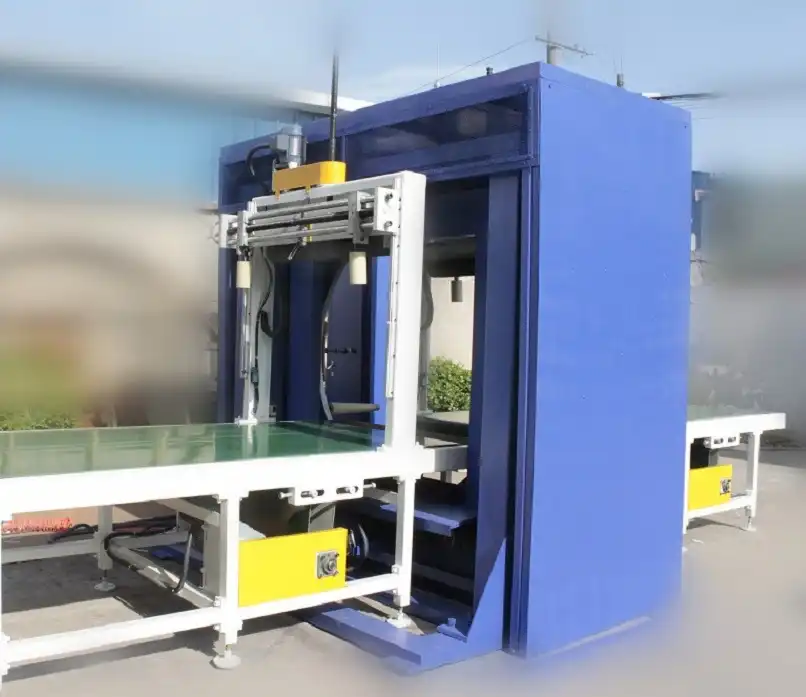
Manual shrink wrapping is a big challenge for factories. It affects more than just packaging speed. It impacts your whole operation. I have seen this many times. When I started my own packing machine factory, I focused on solving these very problems. I understood that bottlenecks at the end of the line hurt everything. They stop raw materials from coming in. They stop finished goods from going out. This creates a domino effect.
Understanding the Efficiency Gap
Manual processes simply cannot match automated speed.
- Time Consumption: Each door or window needs careful handling. Workers must wrap it multiple times. They cut the film. They seal it. This takes a lot of time per item.
- Labor Dependency: You need several workers for large products. If one person is sick, your process slows down more. If you cannot find enough skilled labor, your output drops.
- Inconsistent Quality: Hand wrapping varies from worker to worker. Some wraps are loose. Some wraps are too tight. This can lead to reworks. It can also lead to product damage later.
- Space Requirements: Manual wrapping often needs a large, open area. This area gets cluttered with film rolls, heat guns, and finished products waiting to move. This wastes valuable floor space in your factory.
Horizontal orbital wrappers change this picture completely. They wrap products quickly and consistently. The machine spins around the product. It applies film automatically. One worker can manage the machine. This frees up other workers for different tasks. The machine wraps thousands of items per day. This is much faster than any human team. It also uses less film. It creates a stronger package. This helps clear those end-of-line bottlenecks. Your production line flows smoothly. You can meet your targets faster. You can deliver to customers on time. This is key for growing your business.
| Feature | Manual Shrink Wrapping | Horizontal Orbital Wrapping |
|---|---|---|
| Speed | Slow, item-by-item | Fast, continuous process |
| Labor | High labor requirement (multiple workers) | Low labor requirement (1 operator) |
| Consistency | Varies by worker, inconsistent | Highly consistent, uniform wrap |
| Film Use | Often wasteful, excess film | Optimized, reduces material waste |
| Throughput | Low, creates bottlenecks | High, eliminates bottlenecks |
| Space Use | Disorganized, requires large open area | Compact, integrated into line |
This table clearly shows the difference. Orbital wrappers remove the choke point at the end of your production line. They let your factory run at its full potential.
How Do Horizontal Orbital Wrappers Improve Worker Safety?
Are your workers lifting and turning heavy doors and windows by hand? This job is dangerous. It leads to many injuries. Back strains, cuts, and crushed fingers are common risks. These injuries cause pain for your employees. They also mean high insurance costs for you. They increase employee turnover. This problem is very real in many U.S. factories.
Horizontal orbital wrappers significantly improve worker safety by automating the handling and wrapping of large, heavy, and awkward items like doors and windows, removing the need for manual lifting, turning, and strenuous physical labor that leads to injuries. These machines keep workers away from moving parts and reduce physical strain.

When I was an employee in a packing machine factory, I saw firsthand the risks workers faced. Moving heavy items around was part of the daily routine. People got hurt. It was a sad reality. This is why safety was always a top priority when I started designing and building my own machines. A good machine not only makes things faster but also makes the workplace safer. This benefits everyone. It benefits the workers. It benefits the business.
Reducing Physical Strain and Accidents
Manual packaging of doors and windows involves many risky movements.
- Lifting Heavy Loads: Doors and windows are heavy. Lifting them repeatedly causes back injuries. It can also cause shoulder and knee problems.
- Awkward Positions: Workers must bend, twist, and reach to wrap items fully. These awkward body positions lead to muscle strains and fatigue.
- Repetitive Motion Injuries: Wrapping involves many repeated actions. This can cause carpal tunnel syndrome and tendonitis. These are painful conditions.
- Risk of Crushing: Large items can fall. They can shift. This puts workers at risk of being crushed. This is a severe danger.
- Sharp Edges: Doors and windows often have sharp edges. Film cutters are also sharp. These can cause cuts and lacerations if workers are not careful.
Horizontal orbital wrappers eliminate these risks. The product stays on a conveyor or a stable platform. The machine does the wrapping. Workers only need to load the item onto the conveyor. Or they load it onto the machine. This is much safer. The machine also has safety features. It has emergency stop buttons. It has safety guards. These protect workers from moving parts. This means fewer accidents. It means lower workers’ compensation claims. It means a happier workforce. Your employees feel safer. They are more productive. This builds a positive work environment. It shows you care about your team.
| Aspect | Manual Shrink Wrapping | Horizontal Orbital Wrapping |
|---|---|---|
| Physical Strain | High (lifting, bending, twisting) | Low (machine does the heavy work) |
| Injury Risk | High (strains, cuts, crushing) | Low (automated, reduced human interaction) |
| Ergonomics | Poor, awkward postures | Excellent, minimal physical effort |
| Fatigue | High, especially with repetitive tasks | Low, operator supervises machine |
| Workplace Safety | Hazardous due to manual handling | Much safer due to automation and guards |
Investing in orbital wrappers is an investment in your people. It creates a workplace where safety is a core value. This is good for your employees. It is also good for your business’s bottom line.
Can Orbital Wrappers Truly Prevent Product Damage for Doors and Windows?
Are your finished doors and windows getting scratched, dinged, or warped during transit? Poor packaging is often the cause. Traditional shrink wrapping might hold items together. But it does not always offer enough protection. Edges get scuffed. Surfaces get marked. This leads to customer complaints. It costs you money in returns and repairs. It hurts your brand reputation.
Yes, horizontal orbital wrappers can truly prevent product damage for doors and windows by providing a secure, uniform, and tight wrap that fully encapsulates the product, protecting it from scuffs, impacts, moisture, and dust during storage and transit. The machine applies consistent tension and overlap. This creates a strong, protective barrier.

In my years in the packaging industry, I have seen so many valuable products damaged just before delivery. It is frustrating. A great product loses its value because of bad packaging. When I worked with clients, the first thing we looked at was how to protect their goods. Especially for high-value items like doors and windows. They are not cheap to make. They are not cheap to replace. Proper protection is not an option. It is a must.
How Orbital Wrappers Protect Your Products
Orbital wrappers offer superior protection compared to other methods.
- Full Encapsulation: The machine wraps film around all sides of the product. This creates a complete enclosure. This protects against dust. It protects against moisture. It protects against minor impacts.
- Consistent Tension: The machine applies film at a constant tension. This holds the product tightly. It prevents shifting inside the package. This is key for fragile items like glass panels in doors.
- Edge Protection: Doors and windows often have vulnerable edges. Orbital wrappers can apply extra layers of film to these areas. This adds cushioning and prevents chips and scuffs. Some machines even allow for corner applicators.
- Water and Dust Resistance: The tight, overlapping layers of stretch film create a barrier. This barrier helps repel water and dust. This is critical for products stored outdoors or shipped in varying weather conditions.
- Load Stability: The wrap secures the entire load. This makes it more stable for transport. Less movement means less chance of damage from impacts or vibrations during shipping.
- Reduced Handling Damage: Since the product moves through the wrapper on a conveyor, there is less manual handling. Less handling means fewer chances for workers to drop or damage the item.
Shrink wrapping often leaves open ends. Or it has uneven film coverage. This allows dust and moisture to get in. It offers less impact protection. The secure wrap from an orbital wrapper means your doors and windows arrive at the customer’s site in perfect condition. This builds trust. It improves customer satisfaction. It reduces costly claims and returns.
| Feature | Manual Shrink Wrapping | Horizontal Orbital Wrapping |
|---|---|---|
| Coverage | Often incomplete, open ends | Full, 360-degree encapsulation |
| Tension | Inconsistent, depends on worker | Consistent, machine-controlled |
| Edge Protection | Limited, requires manual reinforcement | Excellent, customizable layering |
| Moisture/Dust | Moderate resistance | High resistance, tight seal |
| Load Stability | Can be loose, prone to shifting | Highly stable, tightly secured |
| Handling Damage | Higher risk due to manual manipulation | Lower risk, automated movement |
Investing in an orbital wrapper is an investment in your product’s quality. It protects your profits. It protects your brand name.
What Are the Long-Term Cost Savings of Investing in Orbital Wrappers?
Are you looking at the upfront cost of a new machine and feeling hesitant? Many factory managers do. But focusing only on the purchase price misses the bigger picture. Manual shrink wrapping might seem cheaper at first. However, its hidden costs add up fast. These costs include labor, material waste, product damage, and insurance. They eat into your profits every single day.
Investing in horizontal orbital wrappers offers significant long-term cost savings by drastically reducing labor expenses, minimizing material waste, eliminating product damage, and lowering insurance premiums, providing a strong return on investment (ROI) that boosts overall factory profitability. These machines streamline operations. They cut down on expensive errors.
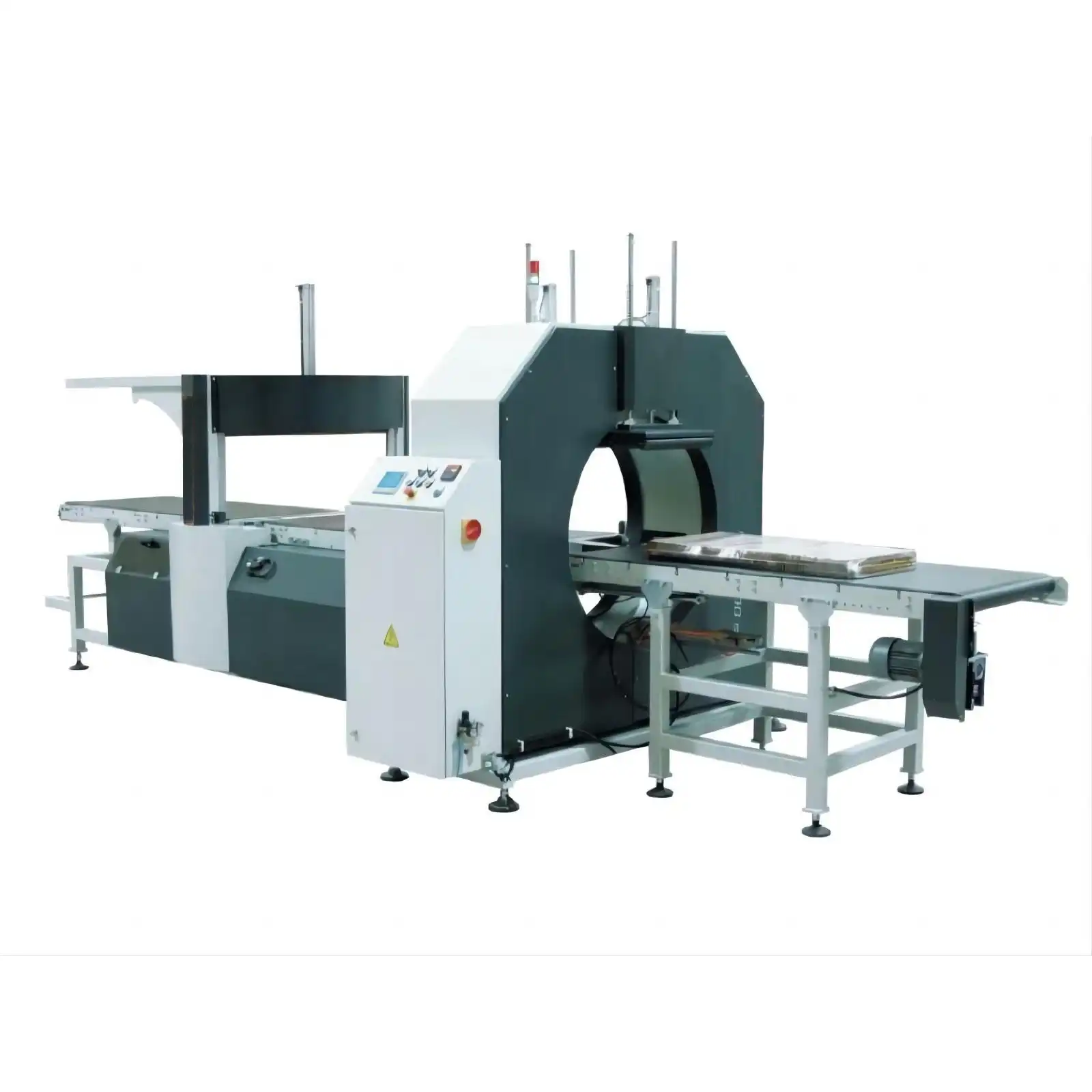
When I built my factory, I always looked for ways to make operations leaner. I understood that every dollar saved was a dollar earned. This is true for packaging too. People often focus on the price tag of a new machine. But a machine is an asset. It brings value over many years. It pays for itself by cutting down on constant, hidden expenses. This mindset helped me achieve financial independence. It helped my clients grow their businesses.
Unpacking the ROI of Orbital Wrappers
The return on investment (ROI) for orbital wrappers becomes clear when you look at all the cost factors.
- Reduced Labor Costs: This is often the biggest saving. One operator can manage an orbital wrapper. You need several workers for manual wrapping. You can reassign these workers to other tasks. Or you can reduce your labor force. This directly cuts payroll expenses.
- Minimized Material Waste: Manual wrapping often uses more film than needed. Workers might overwrap. Or they might make mistakes. Orbital wrappers apply film precisely. They use only the amount required. This saves you money on film purchases over time. Stretch film for orbital wrappers is also often cheaper per roll than many shrink films.
- Elimination of Product Damage: As we discussed, damage costs money. Returns, repairs, and customer complaints add up. They also hurt your reputation. By protecting your products better, orbital wrappers reduce these losses to almost zero. This directly impacts your profit margins.
- Lower Insurance Premiums: Fewer workplace injuries mean lower workers’ compensation claims. Over time, this can lead to lower insurance premiums for your factory. Safe operations are financially rewarded.
- Increased Throughput: By removing bottlenecks, your factory can produce more. More products mean more sales. This leads to higher revenue. This is a direct financial gain from efficiency.
- Consistent Quality: Fewer reworks due to poor packaging save time and materials. Consistent, high-quality packaging also reduces customer dissatisfaction. This builds long-term customer relationships.
It is important to do a proper ROI calculation. Factor in labor savings, material savings, and damage reduction. Compare these savings to the machine’s cost. You will often find the machine pays for itself very quickly. Sometimes, in just a year or two. After that, it is pure savings. This makes the investment very smart for any U.S. factory manager.
| Cost Factor | Manual Shrink Wrapping | Horizontal Orbital Wrapping |
|---|---|---|
| Labor Expense | High, multiple workers per shift | Low, one operator per shift |
| Material Cost | Higher due to waste and film type | Lower due to precision and film cost |
| Damage/Returns | Frequent, high cost of repairs | Rare, minimal damage costs |
| Insurance Premiums | Potentially higher due to injuries | Potentially lower due to safety |
| Throughput Value | Limited by bottlenecks, lower revenue | Increased, higher revenue potential |
| Rework/Scrap | Higher due to inconsistent packaging | Lower due to consistent quality |
The financial benefits of horizontal orbital wrappers are clear. They represent a strategic investment. They do not just solve problems. They create opportunities for growth and higher profitability for U.S. factories.
My Insight
My journey in the packing machine industry has been full of learning. I started as an employee. I worked my way up. Then I built my own factory. I saw firsthand what works. I saw what does not work. Many factory owners, like Michael Chen, face real, tough problems every day. They need solutions that truly work. They do not need just another sales pitch.
This is why I founded FHOPEPACK. It is my way of giving back. I am not just selling machines. I am sharing knowledge. I understand the pressures of production targets. I understand the need for safety. I know the pain of product damage. When I built my factory, and later helped clients, I focused on practical results. I focused on making operations better and safer.
You are looking for a partner. You want someone who understands your challenges. You want someone who offers more than just a piece of equipment. You want insights. You want experience. That is what FHOPEPACK is all about. We offer solutions rooted in real-world experience. We help you make smart choices. We help you improve your factory’s bottom line. We make sure your investment truly solves your problems. This is my commitment to you.
Conclusion
Horizontal orbital wrappers are a smart upgrade for U.S. door and window factories. They boost efficiency, enhance safety, prevent product damage, and deliver clear long-term cost savings. This investment leads to a more productive and profitable operation.








