
Which Horizontal Orbital Wrapper Delivers the Best ROI for American Panel and Profile Exporters?
Many American panel and profile exporters face a tough challenge. They deal with high production demands, tight delivery schedules, and the constant pressure of rising costs. Old, manual packing methods slow things down. They also create big safety risks for workers. On top of that, damaged products lead to unhappy customers and lost money. This cycle causes a lot of stress for factory managers and operations directors. They need solutions that truly work.
The horizontal orbital wrapper that gives the best ROI for American panel and profile exporters is one that seamlessly integrates into existing production lines, significantly cuts labor costs, improves worker safety, and drastically reduces product damage through consistent, high-quality wrapping, all backed by reliable post-sales support. This type of machine becomes a true asset, proving its worth quickly in the demanding environments of heavy manufacturing and logistics.
Transitioning to new equipment can feel like a big step. You want to be sure your investment pays off. So, how do these specialized machines deliver such strong returns? Let us break down the key ways a horizontal orbital wrapper can change your operations for the better.
How Can a Horizontal Orbital Wrapper Boost Efficiency for American Panel and Profile Exporters?
Are you struggling with slow packing speeds? Do you see bottlenecks at the end of your production line? Many factories use too much manual labor for packing. This slows down output and delays shipments. It costs a lot of money in the long run.
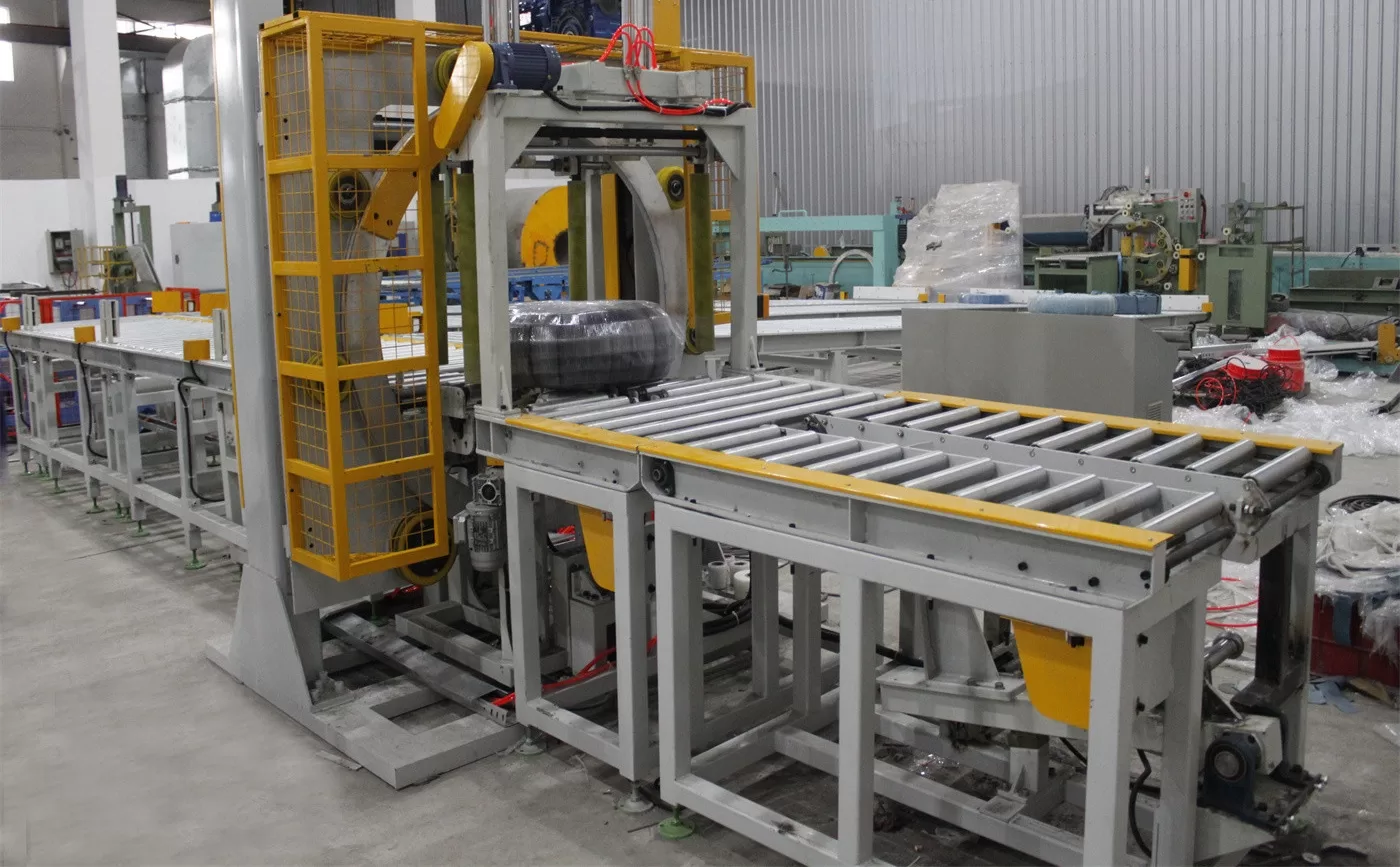
A horizontal orbital wrapper boosts efficiency by automating the labor-intensive coil and profile packing process, significantly increasing throughput and eliminating production bottlenecks at the final stage. This machine wraps products quickly and consistently, allowing companies to meet high demand and improve their delivery times.
Manual packing of steel coils, panels, or long profiles is a slow and demanding job. Workers have to handle heavy materials. They walk around the product many times to apply film or strapping. This process takes a lot of time. It also needs many people. When I was starting my career on the factory floor, I saw firsthand how much time was lost just at the packing stage. This was a bottleneck for the entire operation. An automated horizontal orbital wrapper changes this completely. It wraps products much faster than human hands ever could. This means more products go out the door each day. This machine keeps your production line moving smoothly. It prevents delays that cost money.
Manual vs. Automated Packing Efficiency
Let us look at how much difference automation makes:
| Feature | Manual Packing | Automated Orbital Wrapping |
|---|---|---|
| Speed | Slow; dependent on worker’s pace and stamina | Fast; consistent high speed (e.g., 60-120 RPM) |
| Labor Needs | High (2-4 workers per station) | Low (1 worker to monitor multiple machines) |
| Consistency | Varies; prone to human error | High; uniform wrap tension and overlap |
| Downtime | Higher; due to fatigue, breaks, injuries | Lower; planned maintenance, higher uptime |
| Space Use | More space for movement, manual tasks | Compact footprint for high output |
| Throughput | Limited by human capacity | Much higher; designed for continuous operation |
Imagine a factory producing steel coils. With manual wrapping, you might need two to three people for each packing station. They tirelessly wrap heavy coils, one by one. This is physically tiring. It is also quite slow. Now, imagine a horizontal orbital wrapper. One machine can wrap a coil in just a few seconds. This is much faster. It needs only one person to load the coil and monitor the process. This frees up other workers for different tasks. This drastically cuts labor costs. It also makes your production much more efficient.
The machine works at a constant speed. It does not get tired. It does not need breaks. This means your packing process is consistent. It is reliable. This helps you plan your deliveries better. It helps you meet customer deadlines. When I established my own packing machine factory, a key part of our success was understanding how to eliminate these common bottlenecks. We saw that even small gains in efficiency at the end of the line can have a huge impact on overall business growth. This is especially true for American exporters who need to ship large volumes quickly. By removing these manual bottlenecks, you can truly scale up your operations. You can take on more orders. You can serve more clients. This leads to clear financial gains. This investment is not just about buying a machine. It is about investing in a faster, more reliable future for your factory.

Can Automated Wrapping Solutions Truly Enhance Safety in Heavy Manufacturing Operations?
Manual handling of heavy products like steel coils or panels is very dangerous. Workers can get severe injuries. They can strain their backs. They can crush their hands or feet. These accidents lead to high medical costs. They also cause lost workdays. This affects employee morale and increases insurance premiums.
Automated horizontal orbital wrappers greatly enhance safety in heavy manufacturing by eliminating the need for manual handling of heavy and awkward products during the wrapping process, thus reducing the risk of musculoskeletal injuries, crushed limbs, and other severe workplace accidents. Machines perform the hazardous tasks, keeping workers safe.
In my years in the packing machine industry, starting from the factory floor, I have seen too many accidents. Workers twist and lift heavy rolls. They bend over to apply film. They stretch to secure strapping. Each motion carries a risk. When a worker is hurt, it is not just a medical bill. It affects the whole team. It creates stress and worry. It also impacts productivity. An automated wrapping machine removes humans from these dangerous actions. The machine does the heavy lifting. It does the wrapping. It secures the load. Workers simply load the product onto the machine’s conveyor and then take it off. They stay at a safe distance.
Comparing Safety Risks: Manual vs. Automated Wrapping
Let us compare the safety aspects:
| Safety Aspect | Manual Wrapping | Automated Orbital Wrapping |
|---|---|---|
| Lifting/Moving | High risk of back strains, sprains, hernias | Machine handles all heavy lifting, no human contact |
| Pinch/Crush | High risk from moving products, dropping items | Machine has safety guards, emergency stops, remote control |
| Repetitive Strain | High risk of carpal tunnel, tendonitis from repeated actions | Zero for workers as machine performs repetitive tasks |
| Falling Objects | Risk from unsecured loads, unstable stacking | Secure wrapping reduces shifting, stable loads |
| Slips/Trips | Possible from loose film, strapping on floor | Controlled environment, fewer materials on floor |
| Fatigue | Leads to reduced focus, higher accident rates | Machine operates consistently, no fatigue |
Consider a factory that wraps large metal profiles. Manually, a team might use overhead cranes to position the profile. Then, workers would walk around it, sometimes on ladders, to apply protective layers. This exposes them to falling objects. It exposes them to slips. It exposes them to strains. An orbital wrapper, by contrast, takes the profile on a conveyor. The machine wraps it fully. It does this without any worker needing to be near the moving parts. This is a game-changer for worker well-being. It is also good for the company’s bottom line. Fewer injuries mean lower insurance costs. They mean fewer missed workdays. They mean a more stable workforce.
When I started my own factory, safety was not just a buzzword. It was a core value. I believe that a company cannot truly thrive if its people are constantly at risk. Investing in automated solutions is not just about making money. It is also about protecting your most valuable asset: your employees. American exporters need to meet strict safety standards. Automated wrappers help achieve this. They show a commitment to worker safety that builds trust and loyalty within your team. This focus on safety also protects your business from costly lawsuits and regulatory fines. It is a smart move for any factory manager.

What Specific Features of Orbital Wrappers Prevent Product Damage During Transit and Storage?
Have you experienced the frustration of damaged products reaching your customers? Are you losing money because of scratched panels or bent coil edges? Product damage during handling, transport, or storage is a big problem. It leads to customer complaints. It leads to returns. It hurts your brand’s reputation and your profit margins.
Horizontal orbital wrappers prevent product damage by applying consistent and precise film tension, providing multi-layer protection against scratches, abrasions, dust, and moisture, and securely unitizing loads to prevent shifting during transit and storage. This ensures products arrive at their destination in perfect condition.
When I was building my packing machine factory, I learned that a good wrap is not just about appearance. It is about protection. Manual wrapping often has inconsistent tension. It leaves gaps. It can be too loose in some spots and too tight in others. This means the product is not truly protected. A horizontal orbital wrapper, however, applies film with exact, controlled tension. This creates a tight, secure package. It protects the product from external damage.
Key Features for Product Protection
Here are the specific features that ensure your products stay safe:
| Feature | Description | Benefit for Product Protection |
|---|---|---|
| Adjustable Film Tension | Electronically controlled film tension for consistent wrap. | Prevents overtightening (damage) or undertightening (loose wrap). |
| Variable Overlap Control | Adjusts how much each film layer overlaps the last one. | Ensures complete coverage, no exposed spots for damage. |
| Multi-Layer Application | Applies multiple layers of stretch film for robust protection. | Creates a strong barrier against impact, abrasion, moisture. |
| Conveyor System | Integrated conveyors for smooth product movement. | Minimizes manual handling, prevents drops and scrapes. |
| Sealed Wrapping | Creates a nearly airtight seal around the product. | Protects against dust, dirt, moisture, and corrosion. |
| Customizable Wrap Cycles | Allows programming specific wrap patterns for different products. | Optimizes protection for various shapes and sizes (e.g., edges, corners). |
Imagine you are shipping long, painted metal profiles. A manual wrap might leave certain areas vulnerable. This could lead to scratches during loading or unloading. Or it might lead to moisture damage during transport. An orbital wrapper can apply multiple layers of specialized stretch film. It can ensure every inch is covered. It can create a tough, protective skin. This prevents cosmetic damage. It also protects against more serious issues like rust for metal products. This level of protection reduces customer complaints. It reduces returns. It means more profit for your business.
I have helped many clients grow their businesses by improving their packing. A big part of that was making sure their products arrived in perfect condition. For American panel and profile exporters, your reputation depends on product quality. If your product gets damaged before it even reaches the client, all your hard work is wasted. Investing in an orbital wrapper is investing in your product quality. It is investing in your brand’s image. It helps ensure that your customers receive exactly what they expect. It helps them receive it in the condition they expect. This builds trust. It brings repeat business. This is a smart way to protect your profits and build strong customer relationships.

How Do You Choose a Trustworthy Horizontal Orbital Wrapper Supplier for a Lasting Partnership?
Have you dealt with equipment suppliers who vanish after the sale? Did they promise great service but deliver very little? Choosing the right equipment is hard enough. Choosing the right partner is even harder. You need a supplier you can trust. You need one who stands by their product and supports you long-term.
Choosing a trustworthy horizontal orbital wrapper supplier requires looking beyond the initial price tag to evaluate their deep industry expertise, commitment to robust after-sales support, availability of spare parts, and a proven track record of understanding and solving specific client challenges, ensuring a lasting and productive partnership.
When I started FHOPEPACK, my goal was to share knowledge and help others succeed. This came from my own experience. I was an employee. Then I built my own packing machine factory. I know what it is like to be a client. I know the frustration of buying equipment from a company that only cares about the sale. They leave you alone when problems arise. A true partner does not just sell you a machine. They understand your business. They help you solve your biggest challenges. They provide support for years to come.
Characteristics of a Reliable Supplier
Here is what to look for in a supplier:
| Characteristic | Description | Why It Matters |
|---|---|---|
| Deep Industry Knowledge | Supplier truly understands your products, processes, and challenges. | They can recommend the right machine, not just any machine. |
| Proven Track Record | Long history of successful installations and satisfied clients. | Shows reliability and experience, reduces your risk. |
| Robust After-Sales Support | Readily available technical assistance, troubleshooting, training. | Minimizes downtime, ensures your machine keeps running smoothly. |
| Spare Parts Availability | Easy access to genuine spare parts, minimizing delays. | Crucial for quick repairs and long machine lifespan. |
| Customization Capability | Can adapt machines to fit your specific needs (size, speed). | Ensures the solution perfectly matches your unique operations. |
| Transparent Communication | Clear, honest communication about capabilities, timelines, costs. | Builds trust, avoids surprises, fosters a strong relationship. |
| Client-Centric Approach | Focuses on understanding your problems and offering solutions. | They are your partner, invested in your success, not just a vendor. |
I have seen countless factories struggle because of poor supplier relationships. A machine breaks down. The supplier is unreachable. Or they do not have the right spare parts. This stops production. It costs a lot of money. A trustworthy supplier is proactive. They offer training for your team. They provide regular maintenance advice. They stock essential spare parts. They want your machine to succeed as much as you do.
My journey from a factory employee to building a successful packing machine factory taught me the immense value of reliability and partnership. I achieved financial independence thanks to the packing machine industry. Now, through FHOPEPACK, I want to give back. I want to help others avoid the pitfalls I saw. I want to help them find true success. For American panel and profile exporters, choosing the right supplier is as important as choosing the right machine. It ensures your investment truly delivers. It ensures you have a partner who will help you grow your business. This is the difference between just buying equipment and making a strategic investment in your future.
My Insights!
Many choices exist in the market. Each machine has features. Each supplier makes claims. It can feel overwhelming. How do you make the right decision for your business? How do you ensure your investment truly pays off?
From my experience, the ultimate ROI from a horizontal orbital wrapper comes not just from the machine itself, but from how well it integrates into your existing operations, how it aligns with your long-term growth, and the unwavering support of a supplier who truly understands your specific challenges.
When I started my journey in the packing machine industry, I was an employee. I worked on the factory floor. I saw the machines up close. I learned how they worked. I also saw their flaws. Then, I built my own packing machine factory. This gave me a unique view. I understood the real pressures factory managers face. I understood the need for reliable equipment. I understood the need for good service. This is why FHOPEPACK is a knowledge-sharing platform. I want to pass on what I have learned.
Randal’s View: Making the Right Investment
Here are my personal insights on choosing the best horizontal orbital wrapper for American panel and profile exporters:
| Insight Point | Randal’s Perspective | Actionable Advice |
|---|---|---|
| Total Cost of Ownership | Look beyond the purchase price. Consider energy use, maintenance, parts, and uptime. These add up. | Ask for detailed running costs, not just initial cost. Calculate expected ROI over 5-10 years. |
| Material Compatibility | Your specific panels, profiles, or coils need the right machine. Not all wrappers handle all materials equally well. | Provide detailed specs of your products (size, weight, type) to the supplier. Ask for demos or case studies with similar materials. |
| Scalability | Your business will grow. Can the machine grow with you? Can it handle higher volumes later? | Choose a machine with some reserve capacity. Consider modular designs that allow future upgrades. |
| Ease of Use & Maintenance | A complex machine causes frustration and downtime. Simple is better for daily operations. | Ask about training, user-friendly interfaces, and ease of routine maintenance tasks. |
| Local Support & Spares | For American exporters, proximity matters. Getting parts from overseas can be slow and expensive. | Confirm local service technicians and spare parts availability in the US or close by. |
| The “Partner” Mentality | I built FHOPEPACK because I believe in partnership. A good supplier helps you solve problems, not just sell products. | Look for suppliers who ask about your challenges first, not just push sales. Check their mission and values. |
| Customization vs. Standard | Sometimes, a standard machine is fine. Other times, you need something custom. Know the difference. | Be clear about your unique needs. A good supplier can guide you on whether a standard or custom solution is best. |
When I built my factory, every investment had to count. I knew that a machine sitting idle because of a small part or a lack of know-how was a direct hit to my profits. That is why I always focused on machines that were robust. They were easy to maintain. They had good support. For American exporters, your unique product lines and high volumes demand a specific kind of machine. It needs to handle heavy loads. It needs to work continuously. It needs to provide reliable packing.
Do not just look for the cheapest option. Look for the best value. This means a machine that works for your specific products. It means a machine that keeps your workers safe. It means a machine that protects your product quality. Most importantly, it means a machine backed by a supplier who is truly invested in your success. This is what I aimed for when I started FHOPEPACK. I want to share my knowledge to help you find that perfect solution. I want to help you achieve the financial independence and business growth that I found. Your success is my goal.

Conclusion
The best horizontal orbital wrapper for American exporters delivers clear ROI through increased efficiency, enhanced safety, and superior product protection, all supported by a trustworthy, knowledgeable partner like FHOPEPACK.








