
Why Should Spanish Manufacturers Invest in Modern Steel Coil Packing Lines?
Spanish manufacturers face unique challenges. Are you struggling with outdated packing methods? Do slow processes, rising labor costs, and inconsistent product quality sometimes keep you up at night? I understand these pressures. In today’s fast-moving global market, being competitive means optimizing every step of your production, especially the final one.
Investing in modern steel coil packing lines helps Spanish manufacturers achieve higher efficiency, reduce operational costs, and greatly improve product quality. These systems automate crucial packaging steps, ensuring consistent output and meeting strict international standards.
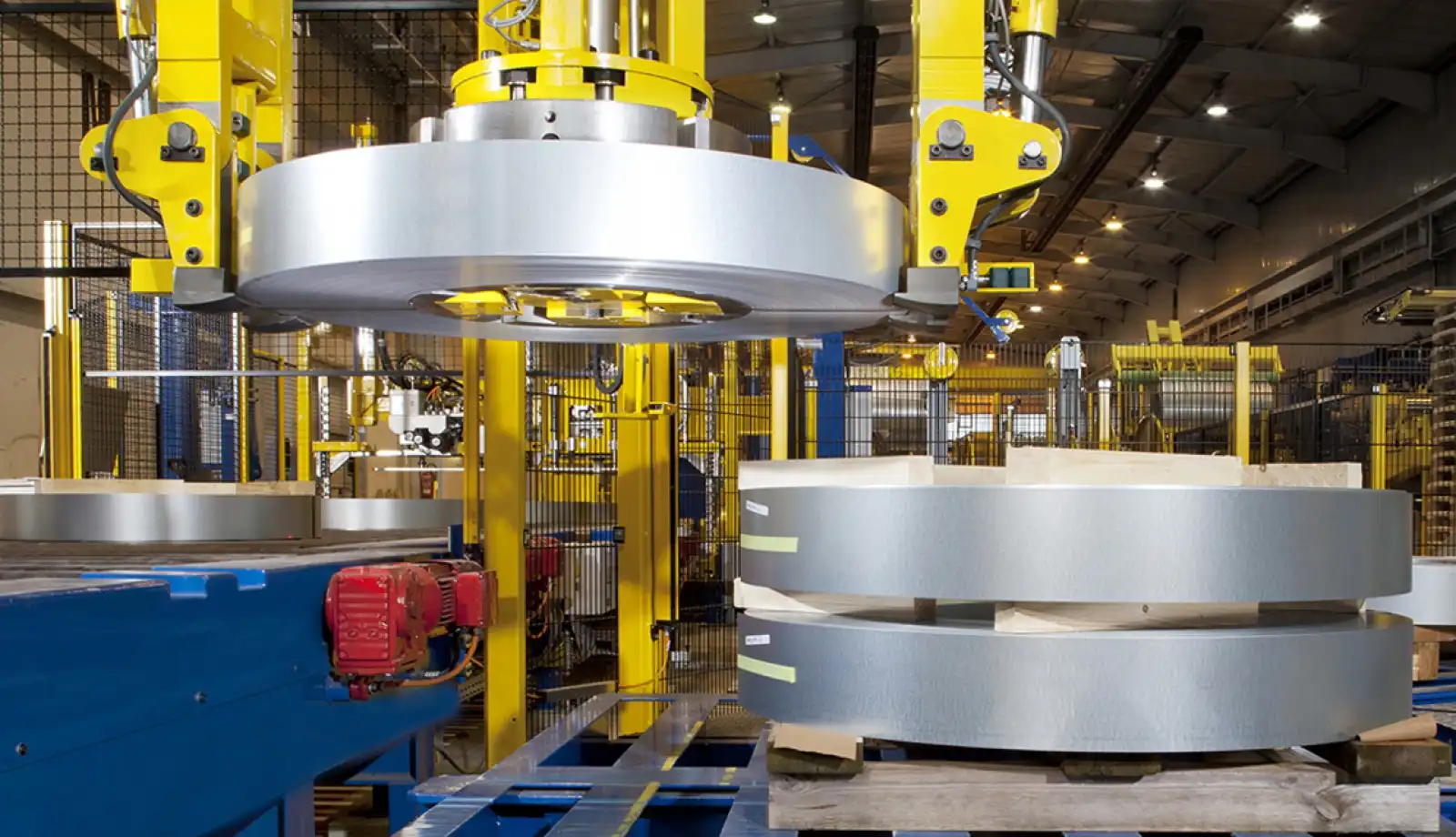
It is clear that simply making good steel is not enough anymore. You must also deliver it perfectly packaged. Staying competitive means looking at new ways to work. This is why I want to talk about how modern packing lines can help your business grow and succeed.
Are Your Current Packing Methods Holding Back Production in Spain?
Imagine your steel coils waiting to be shipped. Do you see workers rushing to pack them, struggling with heavy lifting and manual tasks? Are there bottlenecks in your packaging area? These issues are common with older, less automated systems. They can slow everything down, delay shipments, and cost you money.
Manual and semi-automatic packing methods often create production bottlenecks, lead to inconsistent quality, and slow down your entire supply chain. Modern steel coil packing lines remove these problems by automating the entire process. This ensures a smooth, fast flow from production to dispatch.
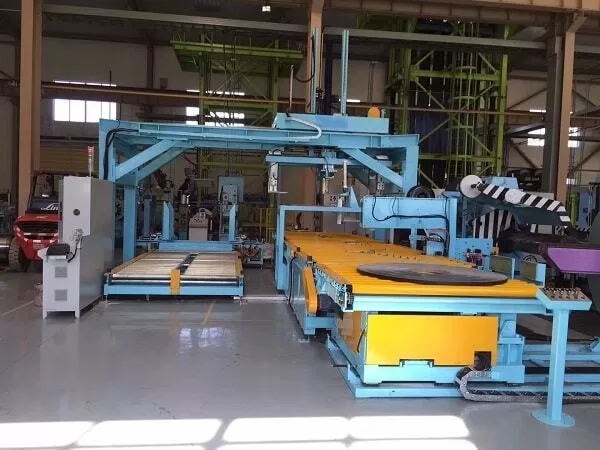
As someone who started on the factory floor, I saw firsthand how much time and effort manual packing took. It always felt like the weakest link in the chain. Moving to automation changed everything for the factories I worked with. It can do the same for yours. We need to look closely at how a full packing solution makes things better.
1. Speed and Throughput:
Modern packing lines work much faster than people can. They are built for continuous operation. This means your coils move through the packing process without stopping. You can pack hundreds of tons of steel every day. This boosts your daily output. It also reduces the time coils spend waiting in the packing area. For example, a full automatic line can strap, wrap, and label a coil in just a few minutes. Manual packing might take 15-20 minutes or more per coil. This speed difference adds up fast. It helps you meet tight deadlines and respond quickly to customer orders. This is very important in the Spanish market, where competition is strong. My goal at FHOPEPACK is to help you achieve the highest output possible with reliable machines.
2. Consistent Quality:
Manual packing depends on human skill. This means quality can change from one shift to the next, or even from one coil to the next. An automated system applies consistent tension to wrapping films and strapping materials. It ensures every package is secure and uniform. This leads to fewer complaints about damaged goods. It also builds customer trust. For steel, consistent anti-corrosion wrapping and proper strapping are key to product integrity during transport. Machines do this perfectly every time. This consistency saves you money from reworks and returns. It also protects your brand’s reputation for quality.
3. Seamless Integration:
New packing lines can connect directly with your existing production systems. This means they become part of a larger, smarter factory. They can receive coils directly from slitting or rolling lines. They then handle all the packing steps automatically. This reduces manual transfers. It also lowers the risk of damage. Such integration helps create a truly automated workflow. It makes your whole operation more efficient. It also gives you better control over your production data. This smart connection is what makes a “solution,” not just a “machine.”
How Can Modern Packing Lines Solve Spain’s Labor Shortages and Safety Risks?
Finding skilled workers for demanding factory jobs is getting harder across Spain. The heavy lifting and repetitive tasks in traditional steel coil packing often lead to high worker turnover. It also creates a higher risk of injuries. This can hit your production hard. It also raises your operational costs through worker’s compensation and training.
Modern steel coil packing lines significantly reduce the need for manual labor in heavy and hazardous tasks. They automate processes like lifting, turning, strapping, and wrapping coils. This directly addresses labor shortages and greatly improves safety for your employees. It removes people from dangerous situations.
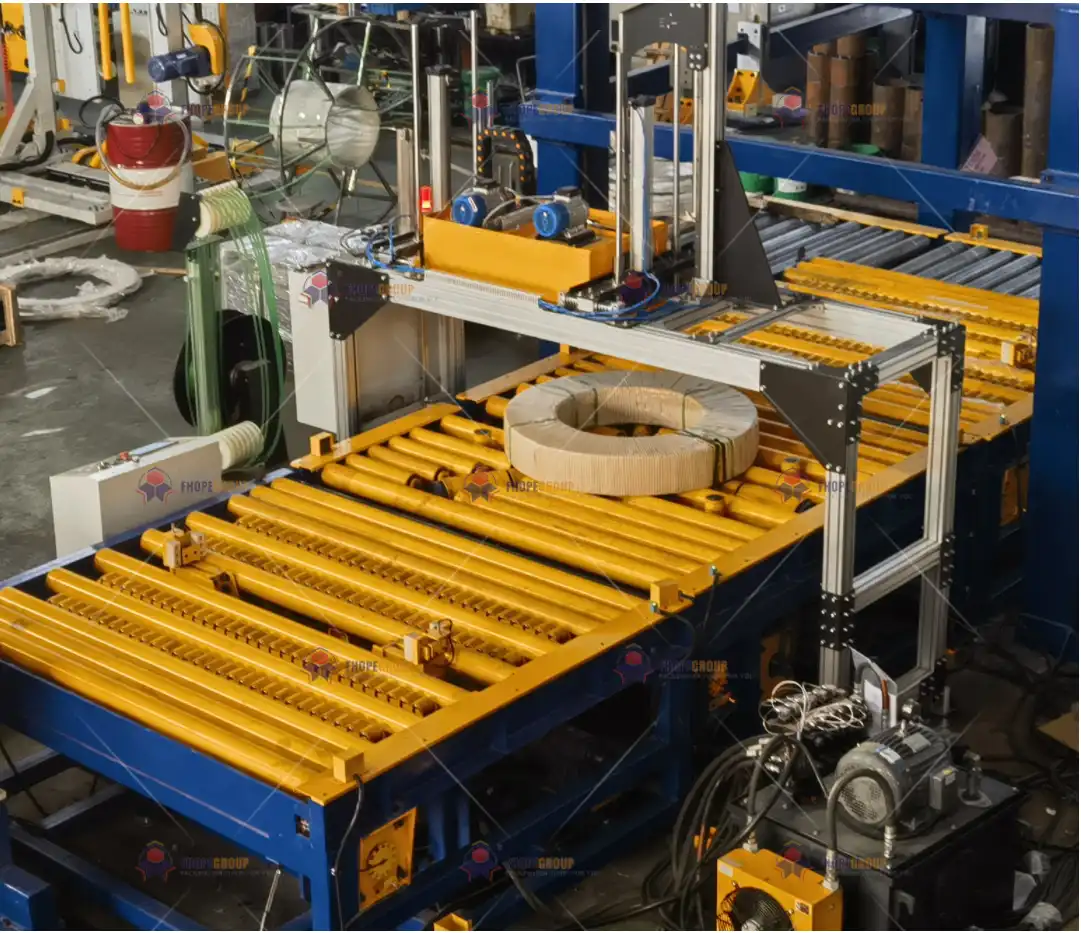
I have seen many factories struggle with these issues. It is tough to keep good people when the work is too hard or unsafe. My experience building a successful packing machine factory taught me that investing in worker safety and efficiency is not just good for your team. It is also good for your business’s bottom line.
1. Reduced Manual Labor:
Automated lines handle almost every step of the packing process. Machines lift, rotate, strap, wrap, and label coils. This means fewer workers are needed for these heavy, repetitive tasks. Your existing staff can then focus on more skilled work. They can oversee the machines, perform maintenance, or do quality checks. This helps you manage labor costs better. It also helps in areas where finding enough workers is a constant problem. For instance, processes like PET/steel strapping and anti-moisture wrapping are fully automated. This removes the need for workers to physically apply these materials.
2. Enhanced Workplace Safety:
Steel coils are heavy and can be dangerous to move. Manual handling carries risks of crushed limbs, back injuries, and other accidents. Automated systems move coils safely using conveyors, turntables, and robotic arms. This keeps your workers away from heavy machinery and moving parts. Safety features like emergency stops, light curtains, and protective barriers are standard. These systems create a much safer work environment. My journey in the industry showed me that a safe factory is a productive factory. Less accidents mean fewer lost work days. It also means lower insurance costs.
3. Improved Ergonomics and Worker Morale:
By removing physically demanding tasks, modern packing lines improve the overall working conditions. Workers feel more valued when they are not doing back-breaking work. This can lead to higher morale and less worker turnover. It also makes your company a more attractive place to work. This helps attract new talent. When I started FHOPEPACK, one of my main goals was to design machines that made work easier and safer for everyone involved. This benefit of automation helps your team feel better. It helps them perform better too.
Do You Need to Improve Packing Quality and Meet Strict Export Standards in Spain?
The global market for steel products is highly demanding. Customers, especially those buying steel from Spain for export, expect top-notch quality, not just in the steel itself, but also in its packaging. If your packing is not up to par, it can lead to rust, scratches, or loosening during transport. This results in costly returns, customer complaints, and potential contract penalties.
Modern steel coil packing lines deliver superior, consistent packaging quality that protects coils from moisture, rust, and physical damage. These systems ensure compliance with stringent international standards like CE/ISO. They also integrate features like automatic labeling for full traceability. This meets the high demands of both domestic and export markets.
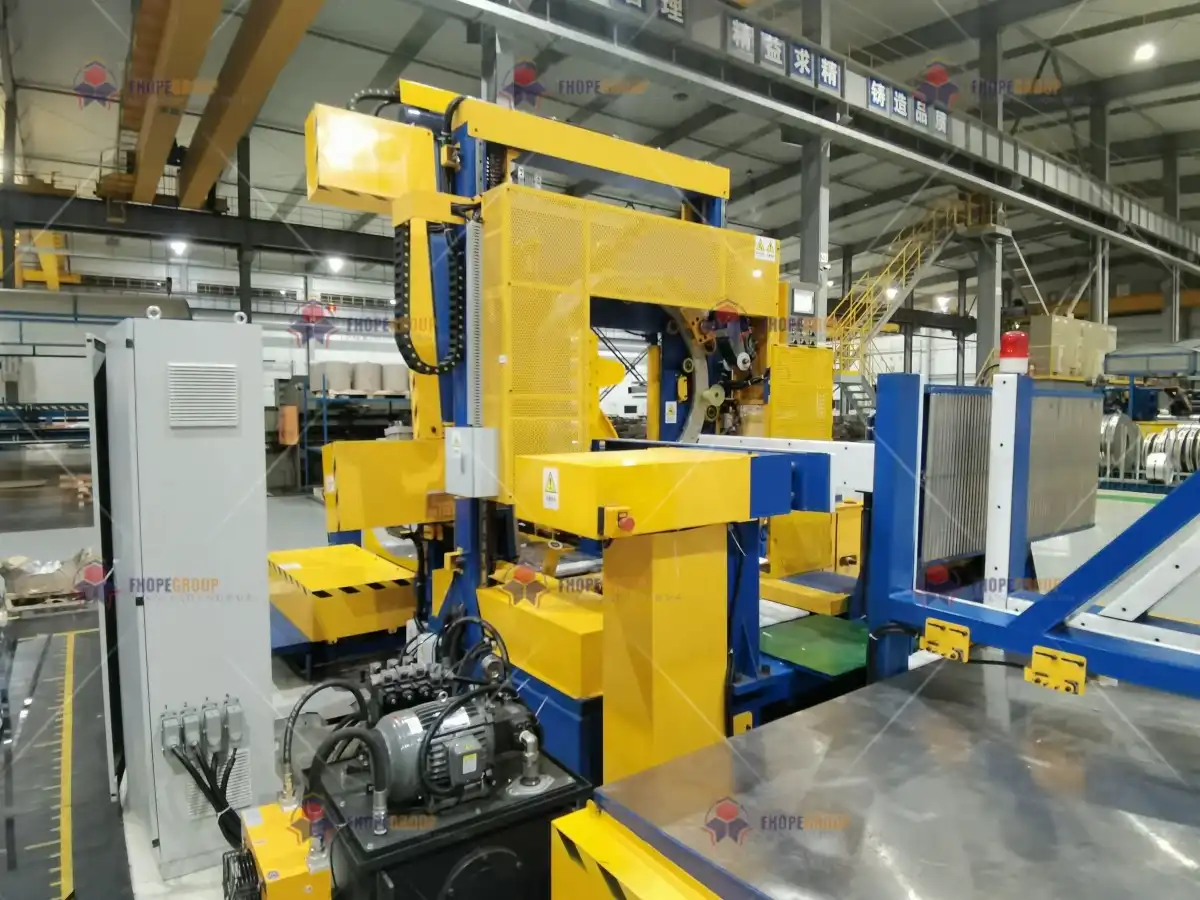
I know how important it is for a product to arrive in perfect condition. My success in helping clients grow their businesses often came down to providing packing solutions that kept their products safe. This is especially true for export. The right packing is a silent salesperson for your quality.
1. Superior Product Protection:
Steel coils need strong protection against many things. They need protection from moisture, rust, and physical impact during transit. Automated systems apply wrapping materials like stretch film or VCI paper with precise tension and overlap. This creates an effective barrier against the environment. They can combine different materials, like PET or steel strapping with shrink film. This offers a multi-layer defense. For example, a fully wrapped coil will resist rain and humidity during overseas shipping. This protection extends your product’s shelf life. It also ensures it arrives at the customer’s site in perfect condition.
2. Meeting International Standards:
Exporting steel from Spain means complying with strict international regulations. These include CE marking for European markets and ISO standards for quality management. Modern packing lines can be designed to meet these specific requirements. They ensure packaging materials and methods follow the rules. Automatic labeling systems can apply barcodes or QR codes. These provide full traceability. This helps with inventory management. It also helps with customs clearance. Meeting these standards is not an option. It is a must for serious players in the global steel market.
3. Product Diversification and Adaptability:
Many Spanish steel mills produce a variety of coils, like cold-rolled, galvanized, or pre-painted. Each type may need different packing methods. Modern lines are flexible. They can quickly change settings for different coil diameters, weights (1-3 tons), and specific packing requirements. This multi-purpose capability means you do not need separate lines for different products. This saves space and money. It also makes your operations more agile. The ability to switch quickly between PET and steel strapping, or different wrapping patterns, is a huge advantage. It makes your factory ready for any customer order.
Can Investing in Automation Reduce Your Overall Costs and Ensure Long-Term Growth?
Many manufacturers see the initial cost of automation and hesitate. But focusing only on the upfront price misses the bigger picture. Inefficient manual packing costs you much more in the long run. It costs you in wasted materials, lost production time, higher labor expenses, and customer disputes. These hidden costs can really add up.
Investing in a modern steel coil packing line offers significant long-term cost savings for Spanish manufacturers. It achieves this by reducing labor costs, optimizing material usage, cutting down on product damage, and improving overall production continuity. This leads to higher profitability and sustainable growth.
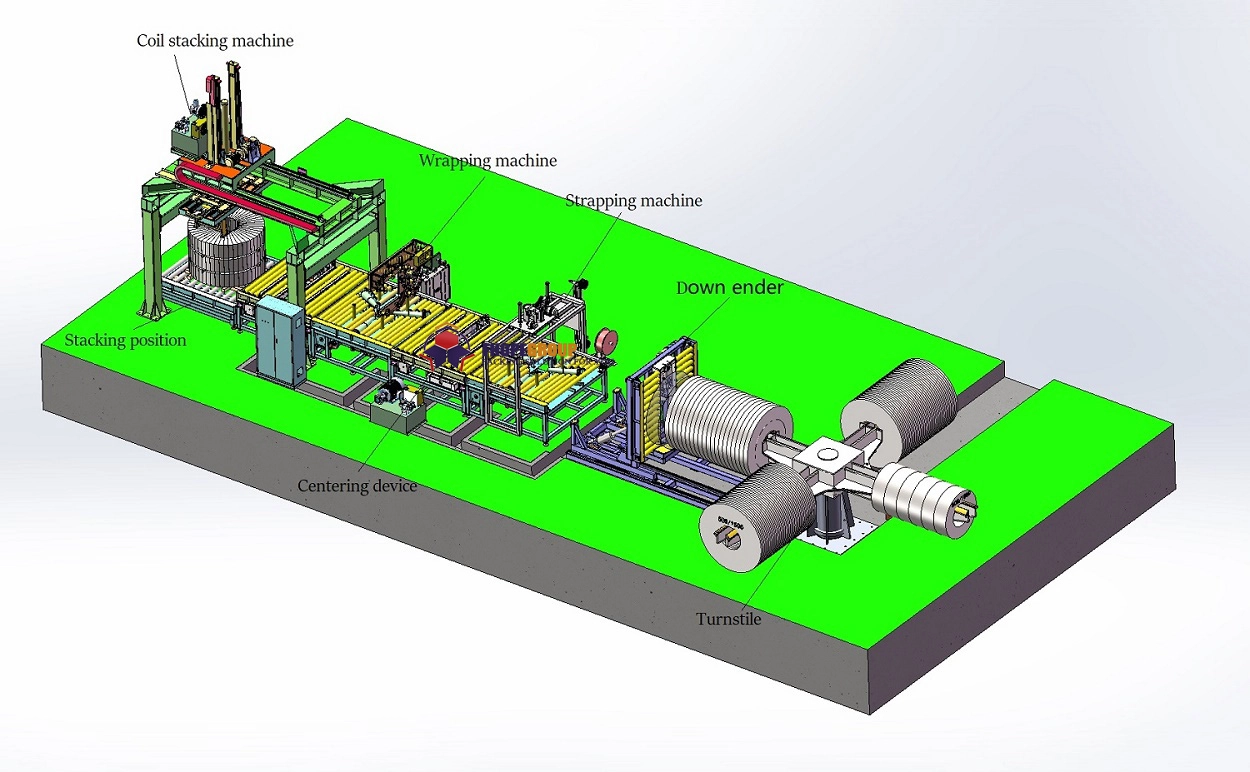
My journey in the packing machine industry has shown me that true financial independence for businesses comes from smart, long-term investments. FHOPEPACK’s mission is to make the best customized packing solutions. I want to help you see how automation is an investment in your future. It is not just an expense.
1. Lower Operating Costs:
Automated packing lines bring down several operating costs.
- Reduced Labor Expenses: As discussed, fewer workers are needed for packing. This lowers your payroll costs.
- Optimized Material Usage: Machines apply wrapping and strapping materials very precisely. This minimizes waste. It means you use less film or less steel strap per coil compared to manual methods. This adds up to significant savings on materials over time.
- Energy Efficiency: Modern machines are often designed to be energy efficient. They use less power than older equipment. This helps cut down utility bills. These savings directly impact your profit margins.
2. Increased Production Uptime and Longevity:
Reliability is key for any production line. Modern packing machines are built for heavy-duty, continuous operation (24/7). They have durable parts. They need less frequent maintenance. This means less downtime for repairs. Increased uptime translates directly into more coils packed and more product shipped. This directly supports your production goals. Choosing a robust system ensures it will serve your factory for many years. It gives a strong return on your investment.
3. Strategic Partnership and After-Sales Support:
When you invest in a complex automated system, you are not just buying a machine. You are entering a partnership with the supplier. A good supplier offers more than just the equipment. They provide a full “turnkey project.” This includes design, installation, training for your staff, and ongoing technical support. They also offer a reliable supply of spare parts. FHOPEPACK always focuses on being a long-term partner. This ensures your line runs smoothly for its entire life. This support is crucial for maximizing your investment. It protects your operations from unexpected issues.
Conclusion
Spanish manufacturers face real challenges. But these also present big opportunities. Investing in a modern coil packing line addresses these issues head-on. It boosts efficiency, ensures safety, and improves product quality. This helps reduce costs and secures your place in a competitive market. Choosing the right partner and the right technology means a stronger, more profitable future for your steel business.








