
Cybersecurity Risks in Smart Coil Packaging Systems
Understanding and preparing for cybersecurity risks in smart coil packaging is pivotal. The packaging industry, propelled by digitalization, now faces significant cybersecurity challenges. Recent reports highlight the increased vulnerability of packaging companies to cyberattacks due to the integration of IoT, automation, and data analytics. This article explores the specific risks within smart coil packaging systems and offers actionable strategies for mitigation. Increasing Attack Surface The adoption of connected devices and smart packaging solutions has expanded the number of potential vulnerabilities. Cybercriminals can exploit these entry points to gain unauthorized access to sensitive data or disrupt operations. This is particularly critical in smart coil packaging, where interconnected systems control the packaging process. Supply Chain Vulnerabilities Supply chain security is paramount. Packaging companies often rely on third-party suppliers and vendors, creating potential weak links. A single compromise in the supply chain can impact the entire system. Ensuring stringent cybersecurity standards across all partners is imperative. Economic Consequences Cyberattacks can result in significant financial repercussions for packaging companies. From production downtime and regulatory fines to reputational damage, the economic impact of a cyber incident can be substantial. The cost of cybercrime to the packaging industry is steadily rising. Regulatory Compliance** Regulatory bodies are increasingly focused on cybersecurity compliance. Packaging companies must adhere to a complex web of regulations to ensure data protection and the security of critical infrastructure. Non-compliance can lead to heavy penalties.
Understanding Smart Coil Packaging Systems
Smart coil packaging systems are an integral part of many manufacturing and distribution processes, offering efficiency and automation. However, their reliance on interconnected networks and digital technologies inherently introduces cybersecurity vulnerabilities. Let’s delve into the components and functionalities of these systems to understand where risks lie.
- Industrial Control Systems (ICS): These systems directly control and monitor the machinery used in packaging operations, including supervisory control and data acquisition (SCADA) and human-machine interface (HMI) panels. Securing these systems is critical, as they are common targets of operational technology (OT) attacks
- Sensors and Actuators: These devices collect and transmit data on various parameters such as temperature, pressure, and coil dimensions. Compromised sensors can provide false readings, leading to defective packaging or operational disruptions.
- Programmable Logic Controllers (PLCs): PLCs automate specific tasks in the packaging process. Securing PLCs is vital, as they are entryways for unauthorized access and control.
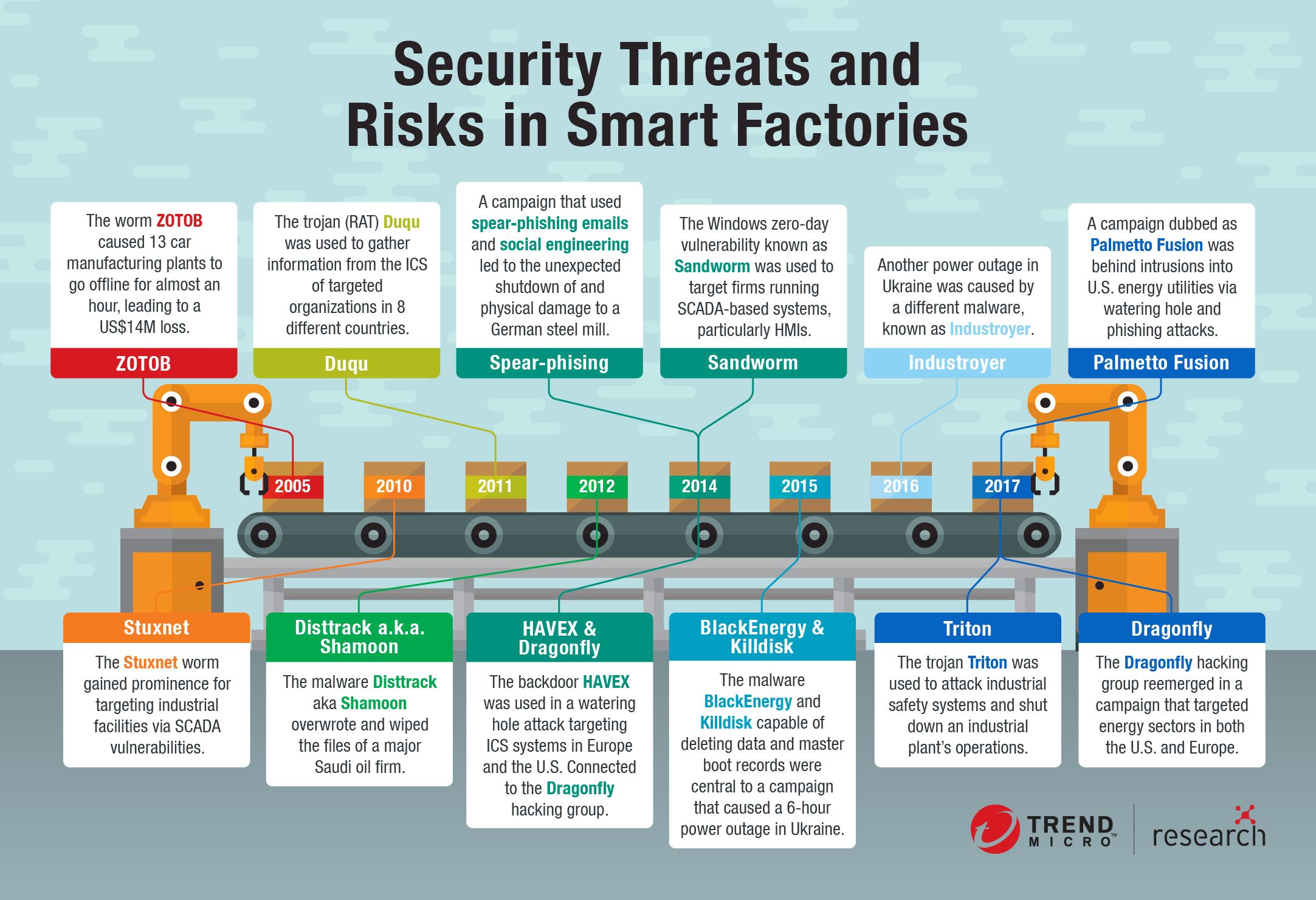
- Data Acquisition Systems: These systems gather, store, and analyze data from PLCs, sensors, and other sources, which provides real-time insights into the packaging process. Protecting these systems from data breaches is essential.
Specific Cybersecurity Threats to Smart Coil Packaging Systems
Given the characteristics of smart coil packaging systems, several cybersecurity threats are particularly alarming:
1. Ransomware Attacks
Ransomware can encrypt critical data and systems, rendering them inaccessible until a ransom is paid. A prolonged shutdown of operations due to a ransomware attack can cripple production and lead to significant financial losses.
2. Malware Infections
Malware can corrupt data, disrupt systems, and provide unauthorized access to sensitive information. This creates operational disruptions and compromises product quality.
3. Man-in-the-Middle (MITM) Attacks
MITM attacks can intercept and manipulate data exchanges between devices and other connected systems. In smart coil packaging, this can compromise operational integrity and data security.
4. Vulnerability Exploitation
Many vulnerabilities like weak authentication, lack of encryption, obsolete software, and insecure network connections exist in almost all interconnected systems, especially in smart factory. These system errors leads to unauthorized access and control over sensitive data.
5. Data Theft
Attackers can exploit vulnerabilities to steal sensitive data such as intellectual property, operational schematics, and customer information. Data theft can lead to competitive disadvantages and significant reputational damage.
Implementing Robust Cybersecurity Measures
To mitigate the risks posed by smart coil packaging systems, packaging companies need to implement a series of robust cybersecurity measures:
1. Cybersecurity Frameworks
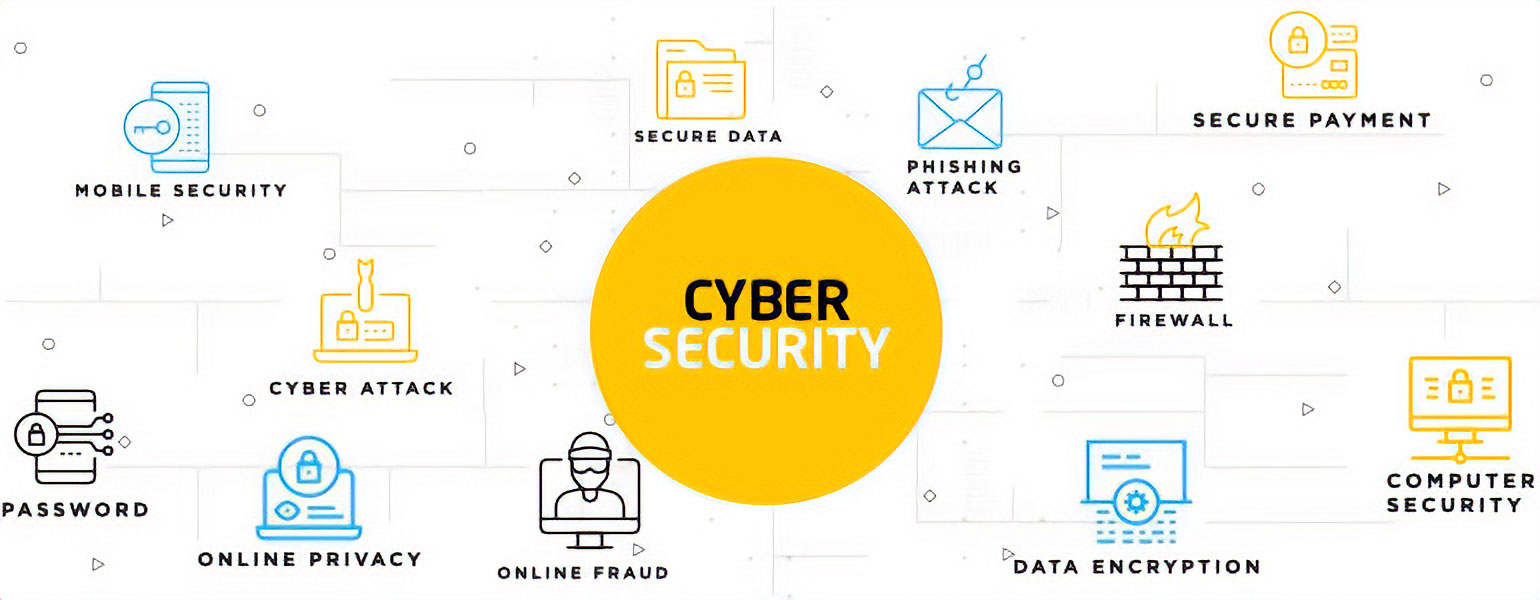
Adopting industry-standard cybersecurity frameworks such as NIST or ISO/IEC 27001 can provide a structured approach to security practices and ensure compliance with regulations.
- NIST Cybersecurity Framework: Widely used and adaptable across industries.
- ISO 27001: An international standard for information security management systems.
2. Risk Assessments
Companies should conduct thorough risk assessments to identify vulnerabilities, the potential impact, and the likelihood that an adverse event will occur. This includes auditing suppliers and partners to ensure compliance with cybersecurity standards.
3. Advanced Technologies
Leverage advanced cybersecurity technologies such as AI-driven threat detection and response systems to identify and neutralize threats before they cause significant damage.
4. Intrusion Detection and Prevention Systems
Deploying robust intrusion detection and prevention systems can help monitor network traffic for malicious activity and prevent unauthorized access.
5. Secure Network Segmentation
Isolate critical systems from the internet, using network segmentation to prevent lateral movement in the event of a breach and also use network segmentation models to deploy passive monitoring solutions with minimal disruption risk.
6. Endpoint Protection
Install and regularly update anti-malware and anti-virus software on all network endpoints to prevent malware infections and data breaches. Ensure all devices on the network are secured from malware attacks.
7. Data Encryption
Implement strong encryption measures to protect sensitive data at rest and in transit, and protect intellectual and other data from cybersecurity breaches, ransomware, and vulnerabilities.
8. Secure Remote Access
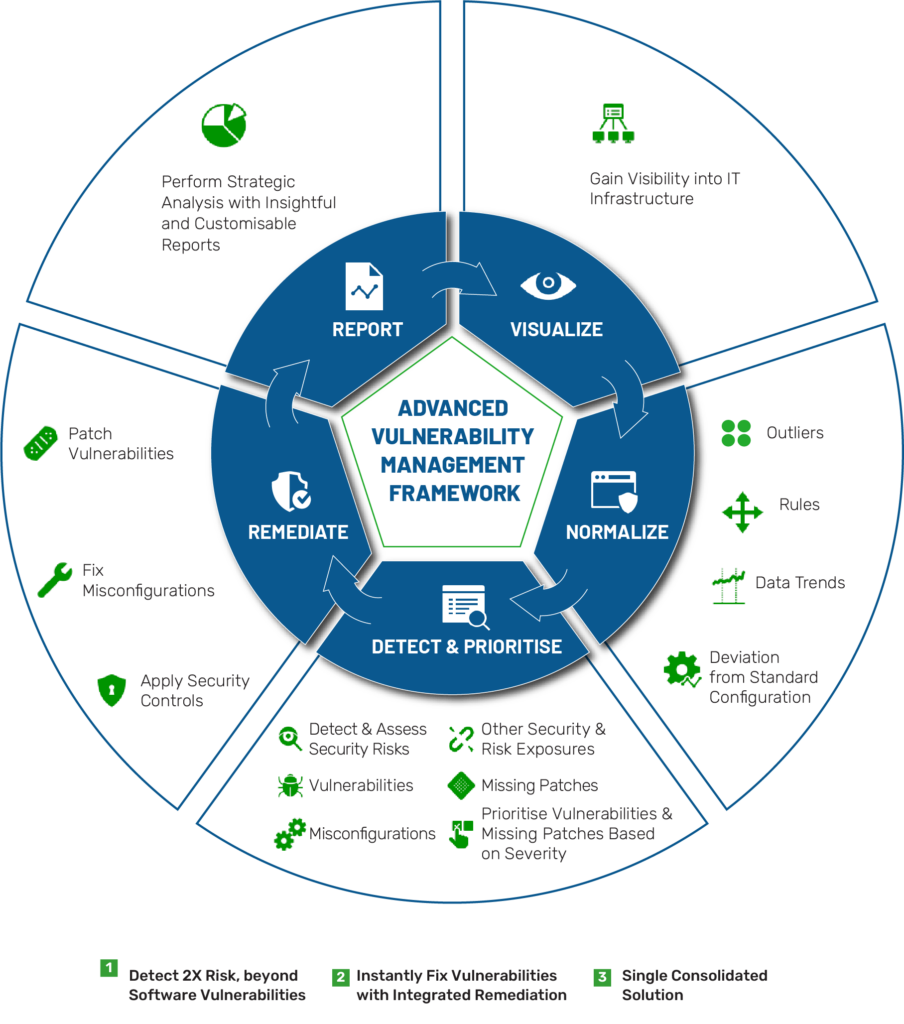
Implement secure remote access protocols with multi-factor authentication to prevent unauthorized access to critical systems by external parties or malicious actors to enhance privileged access management and establish backup procedures for critical system, especially if those systems are connected to a network.
9. Supply Chain Security
Establish stringent cybersecurity standards for all third-party vendors and suppliers. Conduct frequent audits to ensure compliance and address any vulnerabilities.
10. Employee Training
Provide comprehensive cybersecurity training programs for all employees. Educate them on recognizing phishing scams, social engineering tactics, and other cyber threats.
11. Incident Response Plan
Develop a detailed incident response plan to quickly and effectively address cyber incidents, minimizing their impact and facilitating a swift recovery.
The Cost of Cyberattacks in the Packaging Industry
| Factor | Significance |
|---|---|
| Downtime | Production halts can last days or weeks. |
| Financial loss | Ransom payments, regulatory fines, and recovery costs. |
| Reputational Damage | Loss of customer trust and competitive advantage. |
| Intellectual Property Theft | Unrecoverable loss of proprietary information and trade secrets. |
| Compliance Violations | Penalties for failing to meet data protection requirements. |
Data Presented in Table Format

| To illustrate the increasing cybersecurity issues, here’s a compilation of findings from the PMMI (Packaging Machinery Manufacturers Institute) and IBM in the following easy-to-read table format. | Year | Finding | Impact |
|---|---|---|---|
| 2020 | 88% of small packaging businesses felt vulnerable to cyberattacks | Highlighted significant security concerns across all businesses | |
| 2020 | 28% of all cybersecurity breaches occurred at small businesses | Emphasized that all businesses were vulnerable to cybersecurity vulnerabilities | |
| 2020 | 10% of small packaging businesses shut down permanently because of breaches | Revealed the devastating effects it could have, especially on small businesses | |
| 2020 | Time it took on average to identify and resolve an attack | Averaged to 280 days |
Looking Ahead: Future Trends and Challenges
The cybersecurity landscape is constantly evolving. As smart coil packaging systems become more integrated and complex, new threats and challenges will emerge. Staying ahead of these trends requires continuous vigilance and innovation.
- AI and Machine Learning: Utilizing AI and machine learning for threat detection, analysis, and automated response can significantly enhance security.
- Cloud Security: As more packaging companies migrate to cloud-based solutions, securing cloud infrastructure becomes vital.
- IoT Security Standards: The development and adoption of standardized IoT security protocols can simplify and strengthen security practices.
Conclusion
** By understanding the unique cybersecurity challenges presented by smart coil packaging systems and adopting proactive measures, packaging companies can protect their critical assets, maintain operational integrity, and secure their competitive advantage.








