
Why Should Indonesian Factories Choose Coil Wrapping Machines for Wire Coil Packaging?
Indonesian factories often deal with growing demand. Many still use manual methods for wire coil packaging. This can lead to big problems. It slows things down, costs more money, and makes workers tired. Are you facing these issues in your factory today?
Indonesian factories should choose coil wrapping machines for wire coil packaging because these machines offer a powerful solution to common challenges. They boost efficiency, improve worker safety, protect product quality, and significantly reduce operational costs. This investment helps factories meet high demand and stay competitive in the market.
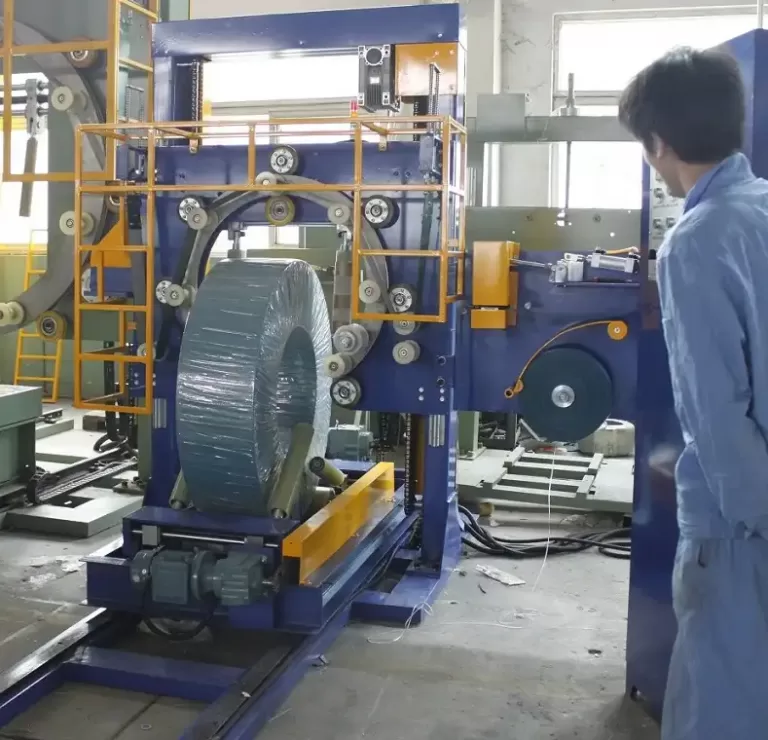
You know the struggle well. I have lived it too. The daily grind of keeping production high, costs low, and workers safe is tough. So, how can a coil wrapping machine truly make a difference for your Indonesian factory? Let’s look closer at why this technology is a must-have for the future.
1. Is Manual Packing Slowing Down Your Indonesian Factory’s Growth?
Are your production lines moving fast, only to hit a wall at the packaging stage? Manual wire coil packing often creates a bottleneck. This slows down your whole operation. It stops you from meeting growing customer demand.
Manual packing methods can severely limit an Indonesian factory’s output and delivery speed. Coil wrapping machines provide automation. This speeds up the packing process many times over. It removes bottlenecks and allows factories to handle more volume. This helps meet market demand and supports business expansion.
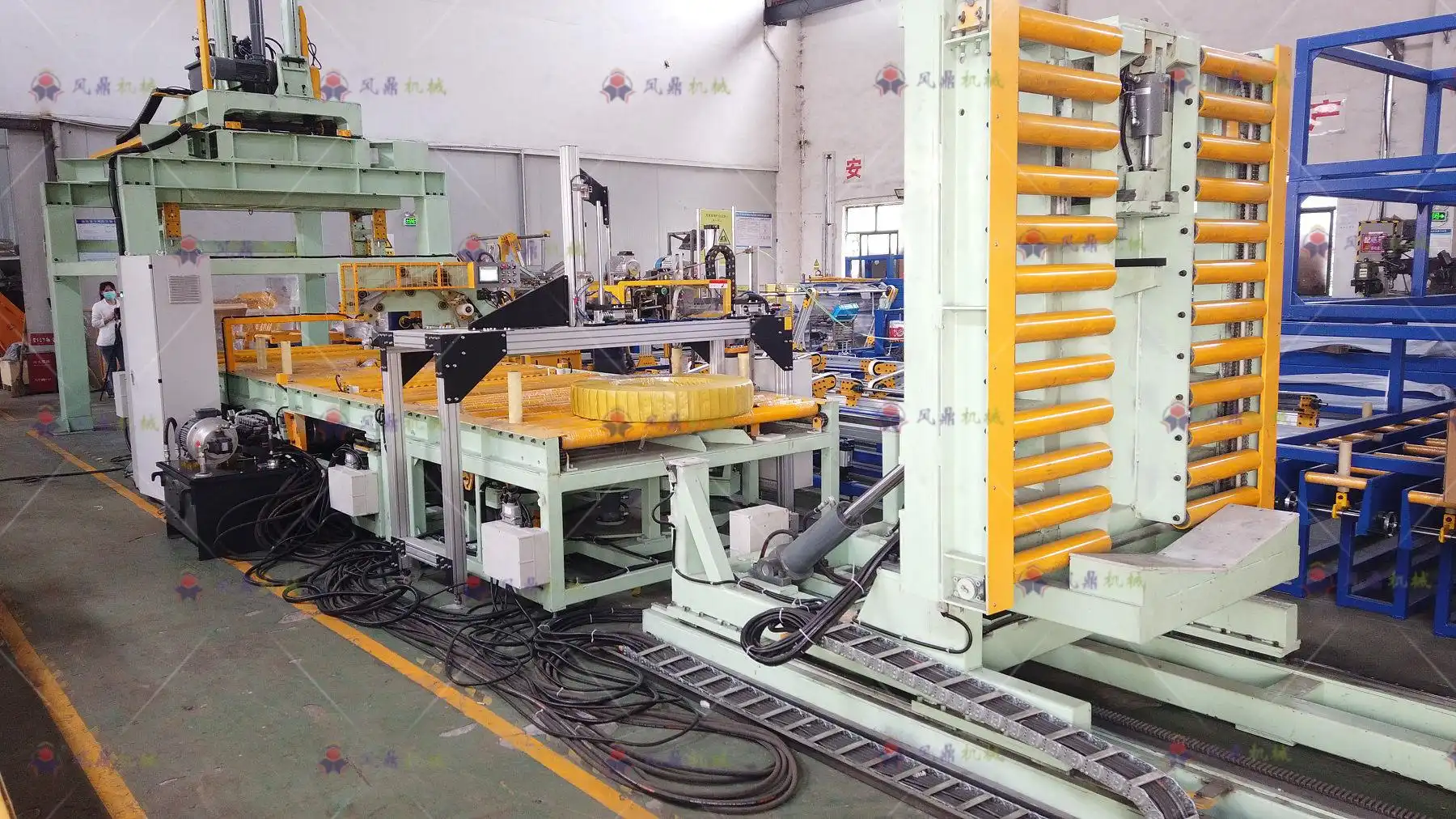
When I first started my factory, I saw this problem firsthand. We worked hard to make products. But then, packing by hand would hold everything back. This was frustrating. It also meant we missed chances to grow. For Indonesian factories, this challenge is even bigger. The market is dynamic. Competition is strong. Slow packing means lost business.
Manual packing takes a long time. It needs many workers. Each coil has to be handled carefully. This process is repetitive. It is also slow. A coil wrapping machine changes this. It can pack coils much faster than any human team. This means more coils go out the door every day. It means faster delivery times for your customers. This boosts your factory’s reputation. It also makes your clients happier.
The Impact of Manual vs. Automated Packing Speed
Let’s compare the typical output.
| Packing Method | Average Coils Per Hour (Estimated) | Labor Required (Per Shift) | Risk of Bottleneck | Consistency |
|---|---|---|---|---|
| Manual Packing | 5-10 | 3-5 workers | High | Low |
| Automated Machine | 30-60+ | 1-2 operators | Low | High |
This table clearly shows the difference. An automated machine significantly increases output. It also reduces the number of workers needed for this specific task. This frees up your workforce for other important jobs. For a factory manager like Michael Chen, these numbers are very important. They show a clear path to better efficiency. They show how to overcome production bottlenecks.
Automated systems work continuously. They do not get tired. They maintain a consistent pace. This leads to predictable output. It helps with production planning. You can promise delivery dates with more confidence. This builds trust with your clients. In a competitive market like Indonesia, trust is a key factor. It helps you stand out. My experience showed me that even small improvements in efficiency add up. Over time, they lead to huge gains. These gains lead to real business growth.
2. How Can Coil Wrapping Machines Make Your Indonesian Workplace Safer?
Manual handling of heavy wire coils is dangerous. Workers can suffer serious injuries. These might include back strains, sprains, or worse. Such accidents increase insurance costs. They also lead to lost work days. This hurts employee morale. It creates a stressful work environment.
Coil wrapping machines make Indonesian workplaces much safer by greatly reducing the need for manual handling of heavy coils. Workers no longer lift or move large, heavy items by hand. This lowers the risk of accidents, injuries, and long-term health problems. Automation creates a safer environment for your team.

I remember seeing workers struggle with heavy coils. It worried me. Their safety was always a top concern. As a factory owner, you have a responsibility. You must protect your team. Beyond that, injuries cost money. They disrupt production. They can lead to a high turnover of skilled staff. This is a problem no factory wants.
Coil wrapping machines automate the wrapping process. They often integrate with conveyor systems. This means coils move automatically to the machine. The machine then performs the wrapping. Workers only monitor the process. They load the wrapping material. They ensure smooth operation. They do not need to lift, push, or pull heavy coils. This removes the main cause of many workplace injuries. It creates a much safer place to work.
Reducing Workplace Hazards with Automation
Look at how automation directly tackles common safety issues:
- Manual Lifting Injuries:
- Old Way: Workers lift heavy coils, leading to back injuries, muscle strains.
- New Way: Machines handle all lifting and movement. Workers guide, no heavy lifting.
- Repetitive Strain Injuries (RSI):
- Old Way: Workers perform repetitive wrapping actions, causing wrist, shoulder pain.
- New Way: Machine does the repetitive work. Operators oversee, reducing physical strain.
- Falling Object Hazards:
- Old Way: Coils can fall during manual transport or stacking, injuring workers.
- New Way: Automated systems secure coils during movement and wrapping. This reduces the risk of accidental drops.
- Pinch Point Accidents:
- Old Way: Workers’ hands can get caught between coils or in tight spaces during manual handling.
- New Way: Machines operate with safety guards and sensors. They keep workers away from dangerous moving parts.








