
Why Should French Manufacturers Upgrade Manual Systems to Packing Lines?
French manufacturers often face tough competition. Many still rely on old, manual packing methods. These methods can create bottlenecks. They slow down production. They also risk product damage and worker safety. Is your packing process holding your business back?
Many French manufacturers should upgrade their manual packing systems to automated packing lines because these new systems boost efficiency, improve product quality, increase worker safety, and cut down long-term operational costs. This makes businesses more competitive in the global market.
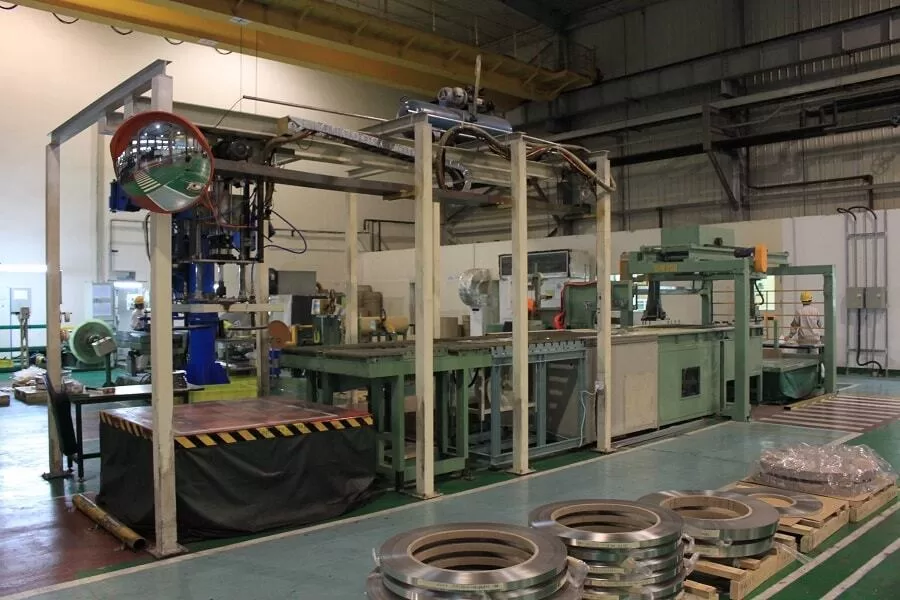
I have seen many companies struggle with these problems. They often do not realize the hidden costs of their manual packing. Upgrading is not just about buying a new machine. It is about making your whole operation better. Let us look at why this change is important for French businesses.
How Do Manual Packing Methods Slow Down French Production?
French factories work hard to produce goods. But often, the packing part causes problems. Manual steps can be slow. They can also create queues. Is your packing line slowing down your entire factory?
Manual packing methods slow down French production by creating bottlenecks, limiting throughput, and reducing the overall speed of the supply chain. This means finished products wait longer before shipping. It wastes valuable production time.
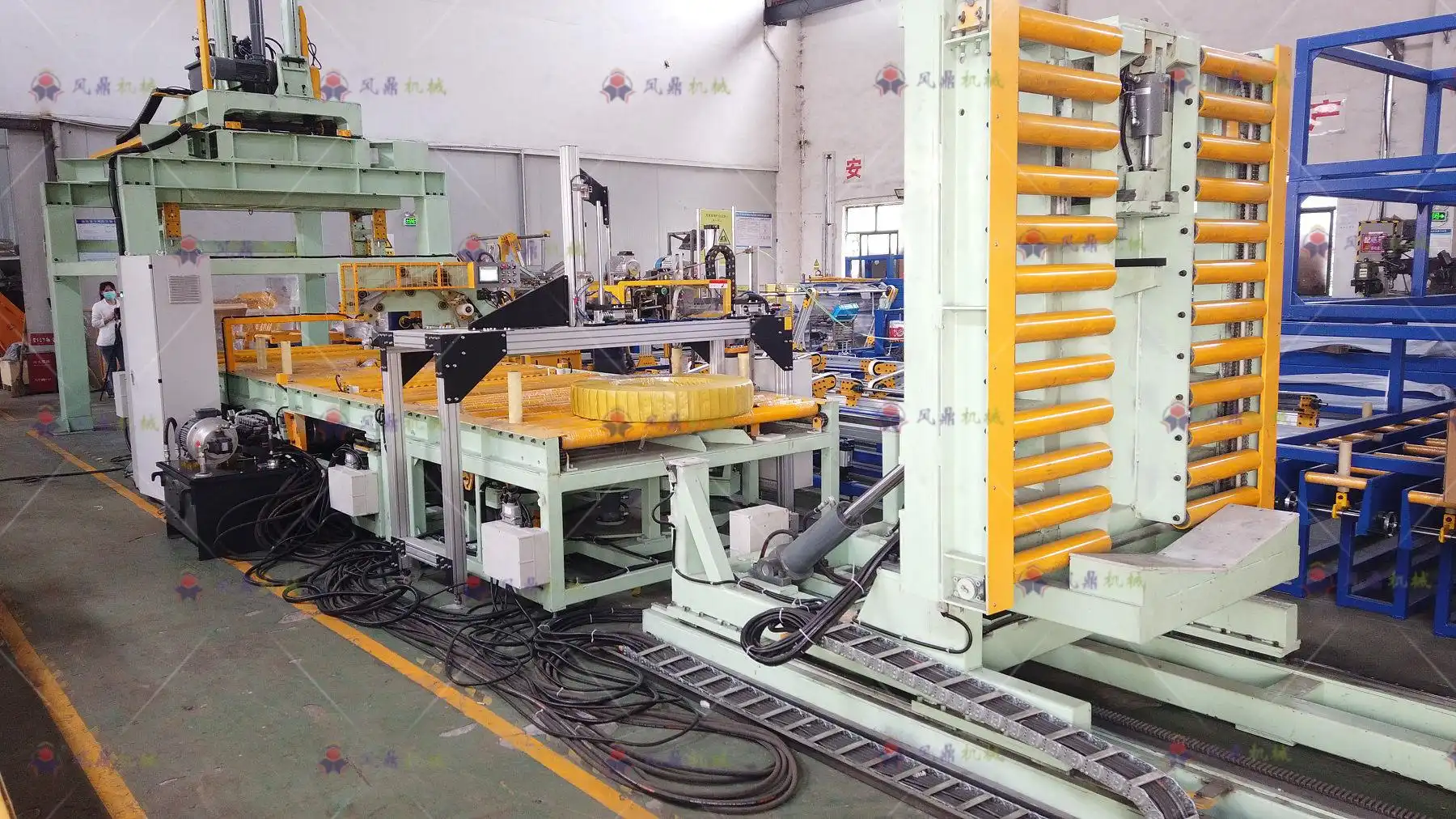
My experience in the packing machine industry taught me a lot. I have seen how manual processes, especially for heavy items like steel coils, can block a whole production line. Workers do not move as fast as machines. They need breaks. Machines can run for a long time without stopping. This difference in speed makes a big impact. When products like cold-rolled coils, galvanized coils, or color-coated coils need specific wrapping and strapping, manual methods take too long. Each step, from turning a coil to applying film, adds to the delay. Factories in France often produce large volumes. They need systems that keep up. A slow packing process means fewer products leave the factory each day. This hurts profit. It also makes customers wait. French manufacturers aiming for global markets need speed and reliability. Manual packing just cannot deliver this in the long run.
- Bottlenecks and Delays ⏳:
- Manual packing often happens at the end of the production line. This is a critical point. If packing is slow, products pile up. This creates a bottleneck.
- Think about a steel mill. Finished coils come off the slitting line fast. If manual workers cannot pack them quickly, the coils sit and wait. This stops the whole process.
- Automated systems move products through the packing stage without delay. They ensure a steady flow. This prevents products from stopping.
- Inconsistent Cycle Times ⏱️:
- People do not work at the same speed all day. They get tired. Their speed changes. This means packing times vary.
- One coil might take 5 minutes. The next might take 8 minutes. This inconsistency makes planning hard.
- Machines perform tasks at a constant speed. This gives predictable cycle times. Factories can plan their shipments better. They can meet deadlines more easily.
- Limited Throughput Capacity 📦:
- Manual teams have a maximum amount of work they can do. This limit is often lower than what the production line can produce.
- If a French factory wants to increase output, manual packing becomes a problem. They cannot pack more without hiring many more people.
- Automated packing lines can handle much higher volumes. They work faster. They allow factories to produce more. This helps businesses grow.
- Complex Product Handling 🏗️:
- Many products, like steel coils, are heavy and large. Moving them manually is hard and slow. Special equipment is needed.
- Manual flipping or turning of coils takes time. It needs many workers. It also needs precise coordination.
- Packing lines include automatic handling systems. These systems turn, lift, and move products fast. They do it safely. This removes manual struggle and speeds up the entire process.
Are Manual Packing Jobs Safe or Sustainable for French Workers?
Working in packing, especially with heavy industrial goods, can be risky. Workers lift heavy items. They make repetitive movements. They also face dangerous machinery. Is this kind of work safe enough? Can French businesses keep finding people to do these jobs?
Manual packing jobs are often not safe or sustainable for French workers due to risks of injuries, high physical demands, and repetitive tasks. These issues lead to low worker morale, high turnover rates, and increased costs for businesses from accidents and training new staff.
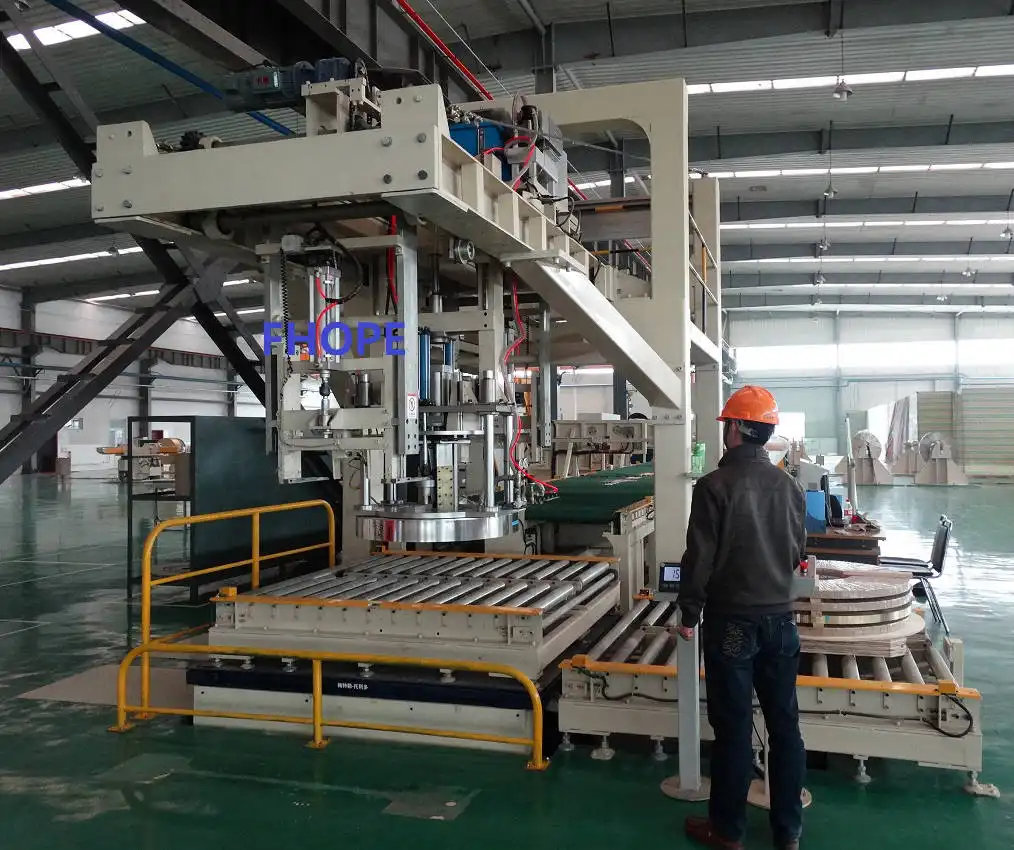
When I started my journey in the packing machine factory, I saw many workers getting hurt. Lifting heavy tools, bending over to strap a coil, or wrestling with thick wrapping film can cause back pain, muscle strains, and other long-term health issues. In France, worker safety standards are high. Companies must protect their employees. But manual packing makes this hard. Young workers often do not want these jobs. The work is physically demanding. It is also repetitive. This leads to a shrinking workforce for these tasks. Companies struggle to fill positions. This makes the labor shortage even worse. It also costs a lot of money to hire and train new people constantly. An automated system removes people from dangerous tasks. It moves heavy items. It applies straps and films. This makes the workplace much safer. It also makes jobs more appealing, as workers can then oversee machines instead of doing hard labor.
- High Risk of Injury 🩹:
- Manual packing often involves lifting, bending, and stretching. This can cause sprains, strains, and chronic pain. Back injuries are common.
- Working with heavy steel coils means risks of crushing injuries. Fingers or limbs can get caught. Moving parts of manual tools also pose risks.
- Automated lines move dangerous tasks away from people. Machines handle heavy objects. They apply tension. This lowers the chance of worker injury.
- Labor Shortage and Turnover 📉:
- Physically demanding jobs are not attractive to many workers today. Especially younger generations. They look for less strenuous work.
- French manufacturers often find it hard to recruit and keep staff for manual packing. This leads to high turnover.
- When workers leave, companies lose their skills. They spend money and time hiring and training new staff. This cycle is expensive and inefficient.
- Ergonomic Challenges 🚶:
- Many manual packing tasks require workers to maintain awkward postures. They might squat or reach. They do this for long periods.
- Repetitive motions can lead to overuse injuries. Carpal tunnel syndrome or tendonitis are examples.
- Automated machines perform these repetitive tasks. They work without tiring. This frees human workers from stressful physical work.
- Reduced Worker Morale and Engagement 😊:
- When jobs are dangerous or physically exhausting, worker morale can drop. People feel less valued.
- High stress and physical strain can lead to absenteeism. Workers take more sick days.
- Moving to automation creates new, safer roles. Workers can become machine operators or maintenance staff. These jobs often require more skill. They feel more rewarding. This boosts morale.
Can Manual Packing Meet Today’s High Customer and Export Standards in France?
Customers today expect perfect products. They want consistent packing. For export, rules are even stricter. Things like moisture protection, specific strapping, and clear labels are a must. Can manual packing keep up with these tough demands?
Manual packing often fails to meet today’s high customer and export standards in France because it struggles with inconsistent quality, inadequate protection against damage, and difficulty in achieving precise labeling or compliance requirements. This leads to customer complaints, returns, and lost business opportunities.

I remember a client years ago who lost a big export contract. His manual packing for steel coils was not consistent. Some coils had loose straps. Others had uneven moisture-proof wrapping. The overseas customer rejected the shipment. It cost the client a lot of money and trust. French manufacturers who export need to meet global standards like CE or ISO. They also need specific barcode placement and robust moisture control. Manual workers, even good ones, cannot achieve perfect consistency every time. Film tension varies. Strap placement might be off. Labels can be crooked. These small errors become big problems for high-value products like specialized steel coils. Automated packing lines deliver the same quality every time. They apply the right tension. They place straps perfectly. They put labels exactly where they need to go. This level of precision is not possible with human hands.
- Inconsistent Packing Quality 🌟:
- Manual packing quality changes from person to person. It changes from shift to shift. Film tension might be too loose or too tight. Straps might not be centered.
- This inconsistency leads to problems during transit. Products can shift. They can get damaged. This affects customer satisfaction.
- Automated systems provide consistent, repeatable packing. They apply uniform tension. They place materials precisely. This ensures every product is packed the same way.
- Insufficient Product Protection 🛡️:
- Many products, like steel coils, need protection from moisture, rust, and scratches. Manual application of wrapping film can be uneven. It can leave gaps.
- During shipping, these gaps let in moisture. This can ruin the product. It costs the manufacturer money.
- Automated wrapping and strapping lines create a tight, secure package. They seal products from the elements. This protects goods from damage. It also reduces returns.
- Difficulty with Compliance and Traceability 📝:
- Export markets have strict rules. Products need specific certifications. They need precise labeling. Barcodes must be readable.
- Manually applying labels or ensuring every package meets specific standards is prone to error. It is also slow.
- Automated systems can integrate labeling and data collection. They print and apply barcodes correctly. They ensure compliance with standards like CE/ISO. This is vital for international trade.
- Negative Brand Perception 🤝:
- When customers receive poorly packed goods, they may lose trust in the brand. It shows a lack of care.
- A damaged product or a late shipment can harm a company’s reputation. This is hard to fix.
- High-quality, consistent packing shows professionalism. It protects the product. It reinforces a good brand image. This helps French manufacturers build strong customer relationships.
Does Sticking to Manual Packing Really Save French Manufacturers Money?
Many businesses think manual packing is cheaper. They do not see the big upfront cost of new machines. But what about the hidden costs? Are you really saving money in the long run? Or is manual packing costing you more than you think?
Sticking to manual packing does not save French manufacturers money in the long term. It leads to higher labor costs, increased material waste, higher risks of product damage, and lower production efficiency. These hidden expenses often outweigh any initial savings from not investing in automation.

Early in my career, I visited a small factory that insisted on manual packing. They thought they were being smart with their money. But I watched them. They bought too much wrapping film. Workers sometimes dropped small coils. Straps broke because they were not applied right. Then came the constant need to hire and train new staff. This factory paid a lot in overtime. They also paid for damaged goods. They could not grow because their packing was a bottleneck. It was clear to me: the initial price of a machine can look big, but the continuous drain of manual packing is much worse. An automated packing line cuts labor costs. It uses materials efficiently. It reduces damage. It makes the whole operation more cost-effective. These savings quickly add up. They pay back the initial investment. This helps French manufacturers become more profitable and competitive.
- High Labor Costs and Overhead 💲:
- Manual packing needs many workers. French labor costs, including wages, benefits, and taxes, are significant. Overtime costs add up.
- When workers are absent, other staff must cover. This also increases costs.
- Automated systems need fewer people. One or two operators can manage an entire line. This greatly reduces direct labor expenses.
- Increased Material Waste ♻️:
- Manual packing can lead to wasted materials. Workers might use too much film. They might incorrectly apply straps that need to be re-done.
- Damaged products from poor packing also mean wasted materials that cannot be sold.
- Automated machines use materials precisely. They cut film to the exact length. They apply straps with correct tension. This minimizes waste and saves money on consumables.
- Higher Costs from Damage and Returns 🚫:
- As discussed, inconsistent manual packing increases the risk of product damage during transit.
- Damaged products mean customer complaints. They mean returns. They mean rework. Each of these costs money.
- Automated packing lines provide consistent, secure packaging. This reduces damage. It lowers return rates. This protects profit margins.
- Lost Production and Growth Opportunities 📈:
- Manual packing limits how much a factory can produce. It acts as a cap on growth.
- If a French company gets a big order, manual packing might not handle it. This means they cannot take on new business.
- Automated packing allows factories to increase output without adding many staff. It means they can grow their business. This also improves their market position.
Conclusion
Upgrading manual packing to automated packing lines offers clear benefits for French manufacturers. It boosts efficiency, ensures worker safety, delivers consistent quality for high standards, and cuts long-term costs. Investing in a coil packing line means making a smart choice for better growth and competitiveness.








