
Steel Coil Packing Line in France: Is Automation the Future of Efficiency?
Manual steel coil packing is a big challenge for many factories. It often leads to slow work, high costs, and safety risks. Companies face problems like damaged products, unhappy customers, and lost money. This puts a lot of pressure on production managers to find better ways. I know this from my own time working in factories and then building FHOPEPACK. I saw firsthand how these problems hurt businesses.
Yes, automation is absolutely the future of efficiency for steel coil packing lines in France and globally. It offers a clear path to faster operations, consistent quality, and much safer workplaces. This helps companies meet today’s tough market demands and keep customers happy.

The move to automated packing is not just a trend. It is a necessary step for modern steel mills. They need to stay competitive and grow. Let us explore why many businesses, including those in France, are looking at smart automation solutions for their coil packing needs.
Why are French Steel Mills Rethinking Coil Packing?
Many steel mills face increasing pressure. They must produce more and deliver faster. Their old packing methods often cannot keep up. This creates real problems for their business. I have seen this many times in my career, from when I was an engineer to now with FHOPEPACK.
French steel mills, like many others around the world, are rethinking coil packing because they need to overcome issues like labor shortages, inconsistent packaging quality, and growing customer demands for perfect products. Manual processes simply cannot meet these modern challenges effectively.

The decision to look at new packing systems comes from several key issues. These problems directly impact a company’s bottom line and its reputation.
-
Manual Labor is Costly and Risky 💰
Relying on people for heavy lifting and repetitive tasks is not sustainable. Steel coils are very heavy. Moving them creates a high risk of injury. This leads to higher insurance costs and lost work time. Finding enough skilled workers for these tough jobs is also hard. Younger workers often do not want these types of roles. This creates a labor shortage. When I started in this industry, factories often had many people doing these tasks. Now, those numbers are much smaller. We must think about the safety of our workers first. Automation takes away the dangerous parts of the job. It moves workers to roles that are safer and need more skill. This means better use of human talent. It also helps companies keep their workers. They offer a better work environment. This is a big win for everyone. Companies save money on wages and injury claims. Workers get safer jobs.
-
Inconsistent Quality Leads to Customer Complaints 📉
Manual packing depends on the worker’s skill. This means packing quality can vary a lot. One coil might be wrapped perfectly. The next one might have loose straps or uneven film tension. This becomes a big problem during transport. Loose packing can cause damage to the steel coil. It can also lead to rust or scratches. Customers expect perfect products. They do not want damaged goods. Damaged goods lead to complaints, returns, and even contract penalties. For export markets, like those demanding CE/ISO certification, quality is even more important. A small flaw in packing can stop an entire shipment. This hurts the company’s reputation and its future sales. Automation ensures every coil gets the same high-quality packing. It uses precise controls for tension and placement. This removes human error. It makes sure every product meets the highest standards.
-
High Customer Demands and Diversified Products 🌍
Today’s customers have higher expectations. They want specific packing for different products. Cold-rolled coils need different protection than galvanized or color-coated coils. Some need PET straps, others need steel straps. Many require strong moisture protection and automatic labeling with barcodes. Managing all these different requirements manually is very complex. It slows down the packing process. Switching between different packing types takes time and can lead to mistakes. When I work with clients, they tell me about the specific needs of their export customers. These needs are often very detailed. Automation can handle this complexity with ease. It can switch between different packing programs quickly. This ensures each coil gets the right protection for its destination. It also helps mills meet strict international standards, opening up new markets for their products. This versatility is key for staying competitive.
How Does Automation Transform Steel Coil Packing Operations?
Many plant managers ask me how an automatic packing line truly changes their daily work. They want to know the real impact. It goes beyond just replacing a few workers. It redefines the entire process. I tell them it is about creating a smart, connected system.
Automation transforms steel coil packing operations by integrating multiple steps into one seamless process, reducing manual intervention, and significantly increasing throughput. It replaces a series of separate, labor-intensive tasks with a fast, precise, and highly repeatable automated sequence.
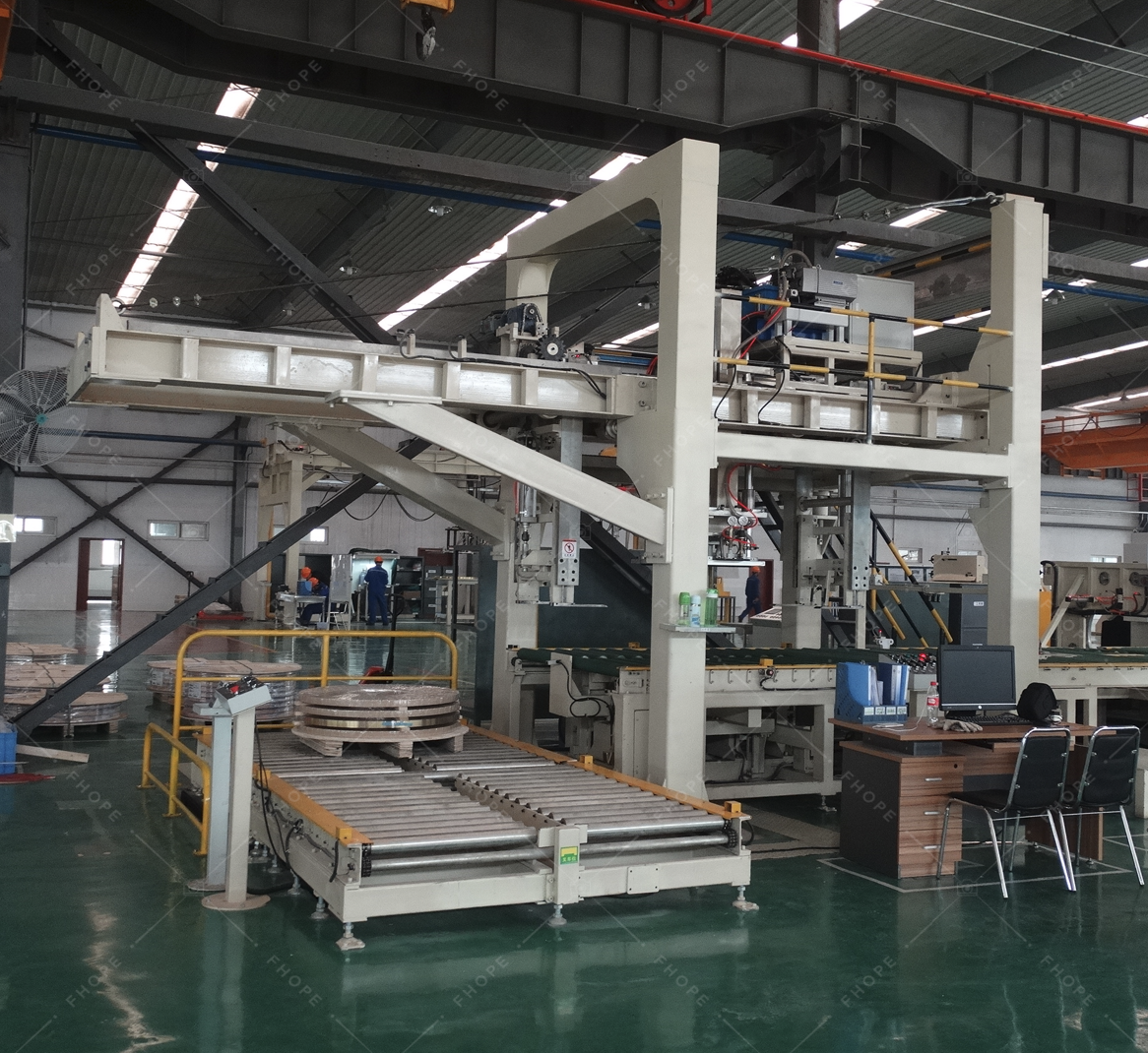
When we talk about automation, we mean a complete system. This system works together to handle coils from the production line right up to shipping.
-
Seamless Integration from Production to Dispatch 🔄
A fully automated packing line is more than just one machine. It is a system of machines that work together. This system starts where the slitting or rolling line finishes. It takes the coil directly. There is no need for manual cranes or forklifts to move coils between stages. This seamless flow reduces bottlenecks. It also removes points where errors can happen. My experience has taught me that integration is key. When all parts talk to each other, the whole system runs smoothly. This can include conveyors, coil up-enders, strapping machines, wrapping machines, and labeling systems. Each part performs its task automatically. The system knows the coil’s weight and dimensions. It knows the required packing style. This allows it to adjust settings on its own. This level of integration ensures that coils move quickly and safely through the packing area. It also makes sure they arrive at the shipping dock ready to go.
-
Increased Speed and Throughput 🚀
Manual packing methods are slow. Each step needs a person to do it. This limits how many coils a factory can pack in a day. An automated line works much faster. It does not get tired. It does not take breaks. It can run 24 hours a day, seven days a week, if needed. This dramatically increases the number of coils a mill can process. For a large steel mill shipping hundreds of tons daily, this speed is critical. It means fewer delays and faster customer delivery times. I have seen factories struggle to meet tight deadlines. Their packing line was the bottleneck. With automation, that bottleneck disappears. The machines work together at optimal speeds. This keeps the production flow constant. This also means factories can handle bigger orders. They can meet peak demand without adding more shifts or overtime.
-
Enhanced Safety and Reduced Labor Intensity 👷
Safety is a major concern in steel mills. Handling heavy coils is dangerous. Workers can get injured during strapping, wrapping, or moving coils. Automation greatly reduces these risks. Machines take over the heavy and dangerous tasks. For example, automatic coil up-enders safely flip coils from horizontal to vertical. Strapping machines apply bands without human hands being near moving parts. This protects workers from accidents. It also reduces the physical strain on employees. This leads to a healthier and safer work environment. Factories with automation report fewer accidents. They also report higher worker morale. People prefer jobs that are safer and less physically demanding. This helps address the problem of worker retention. It also shows a company cares about its employees. This is something I always prioritize when designing solutions for FHOPEPACK.
What are the Real Benefits of an Automated Coil Packing Line?
When a company invests in automation, they want to see real returns. They want to know what improvements they can expect. For steel coil packing, the benefits are clear. They touch every part of the operation. From what I have learned over many years, these benefits make a strong business case.
Automated coil packing lines deliver tangible benefits, including significant cost reductions through decreased labor and material waste, superior product protection that prevents damage, and enhanced production continuity. These improvements directly lead to increased profitability and stronger customer relationships.
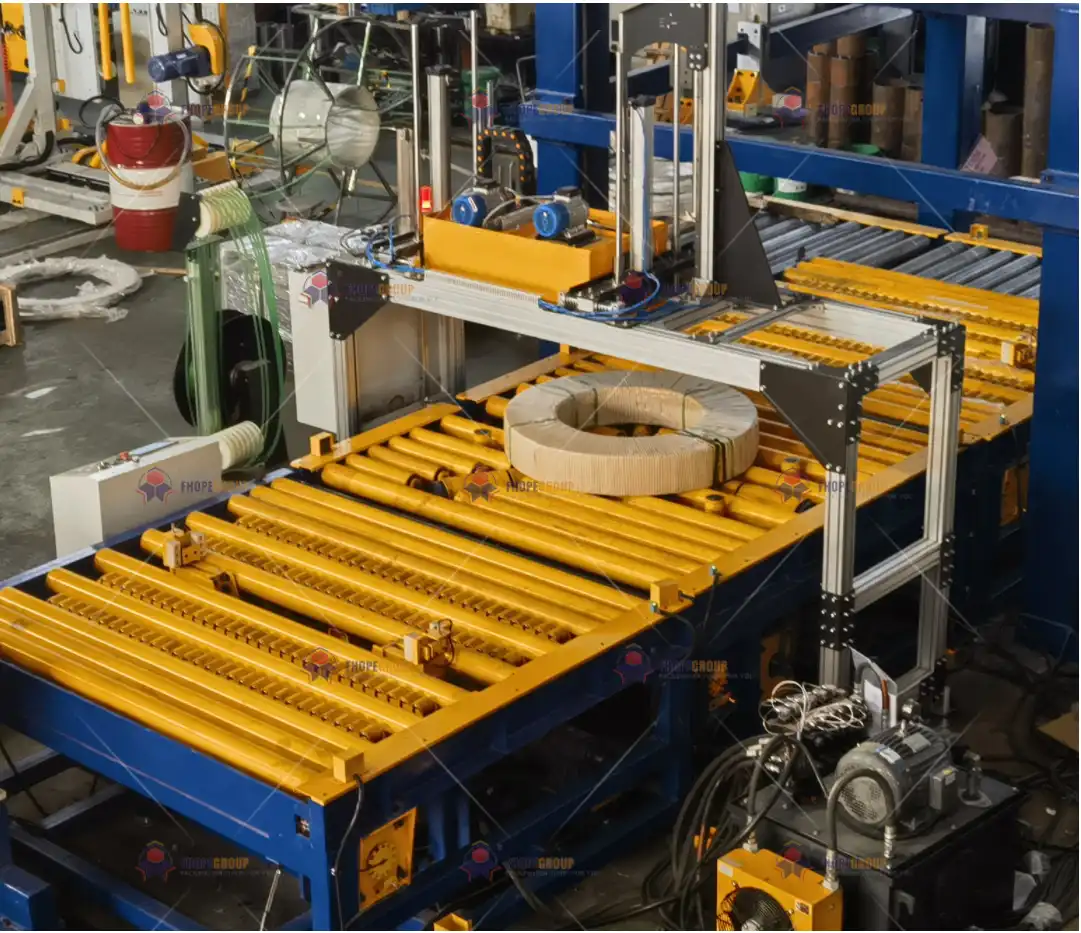
These benefits are not just theoretical. They are seen in the daily operations of modern steel mills around the world, including those that are considering or have adopted FHOPEPACK solutions.
-
Lower Operating Costs and Reduced Waste 💰
One of the biggest benefits is cost savings. Automation reduces the need for many workers on the packing line. This cuts labor costs significantly. Machines also use packing materials more efficiently. They apply film or straps with exact tension and length. This means less material waste. For example, manual wrapping often uses more film than needed. Machines measure and apply the correct amount every time. This saves money on materials. Also, better packing quality means fewer damaged products. Fewer damaged products mean fewer returns or reworks. This saves even more money. When I analyze a customer’s current process, I often find many hidden costs in their manual methods. Automation helps bring these costs down. It makes the entire operation leaner and more profitable.
-
Superior Product Protection and Quality Assurance ✨
The main job of packing is to protect the product. Automated systems do this much better than manual methods. They apply precise tension to wrapping film. They tightly secure straps. This ensures the packing is consistent and strong. This protects steel coils from moisture, rust, scratches, and shifting during transport. For export, this is vital. Customers in other countries need perfect products upon arrival. Automated systems can also add features like automatic barcode labeling. This improves tracking and inventory management. It also meets specific customer requirements. My mission at FHOPEPACK is to help clients get the best customized packing solutions. This always includes top-notch quality and protection. When products arrive in perfect condition, customers are happy. Happy customers mean repeat business and a good reputation.
-
Enhanced Production Continuity and Reliability ⚙️
Manual packing lines can stop or slow down for many reasons. Workers might be sick, or make mistakes. This breaks the flow of production. Automated systems are designed for continuous operation. They are built to run 24/7. They have fewer unplanned stops. This ensures a steady output from the steel mill. High reliability is crucial for factories that operate two shifts or more. Any downtime in packing means downtime for the entire production line. This costs a lot of money. Automated machines also have built-in diagnostics. These systems can warn operators about potential problems before they cause a breakdown. This allows for planned maintenance. It reduces unexpected interruptions. This high level of reliability helps mills meet their production targets consistently.
Choosing the Right Partner for Your Automated Packing Future?
Deciding to automate is a big step. It is an investment in your future. But choosing the right partner to help you is just as important as the technology itself. You need a company that understands your needs. They must provide more than just machines. I started FHOPEPACK because I saw this need.
Choosing the right partner for your automated packing future means looking for a supplier that offers comprehensive, turnkey solutions, deep industry expertise, robust after-sales support, and a commitment to long-term collaboration. It is about finding a true partner, not just a vendor.
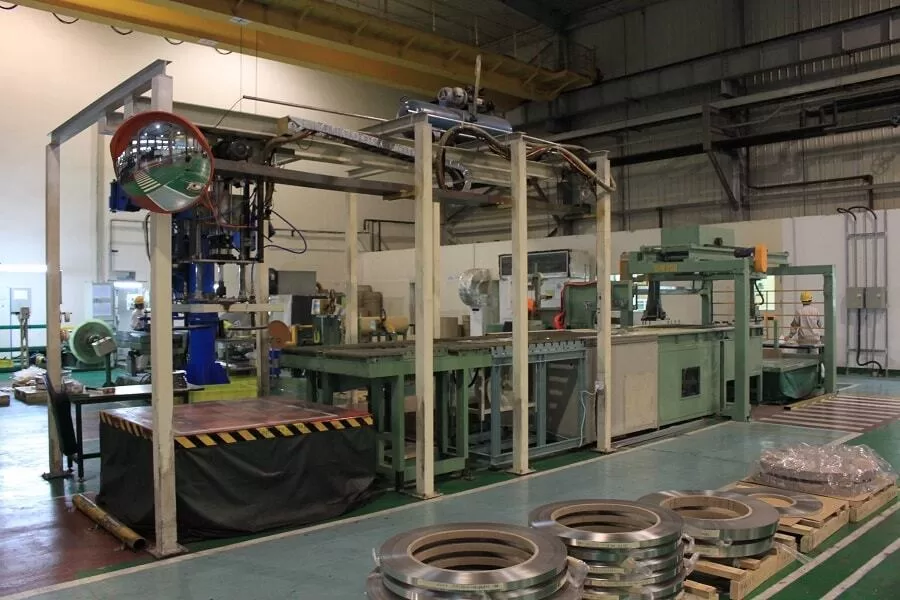
When you think about bringing advanced automation into your steel mill, the supplier relationship becomes very important. This is what I always stress to my clients.
-
Expertise in Customized Solutions and Turnkey Projects 🔑
Every steel mill is different. They have different layouts, different coil sizes, and different production rates. A good partner does not offer a one-size-fits-all solution. They work with you to design a system that fits your specific needs. This means a customized packing line. It can handle your coil diameters, weights, and varying packing requirements. This is what we do at FHOPEPACK. I bring my engineering background and factory experience to every project. We offer turnkey solutions. This means we handle everything. From design and manufacturing to installation and commissioning. This removes the burden from your team. You get a complete system that works from day one. This approach ensures the solution is perfectly integrated into your existing operations. It also gives you peace of mind.
-
Robust After-Sales Support and Training 🤝
A packing machine is a complex piece of equipment. You need to know that support is available after you buy it. This includes training for your staff. Your team needs to know how to operate and maintain the new system. A good partner provides thorough training. They also offer quick support when issues arise. This might be remote troubleshooting or on-site visits. Access to spare parts is also critical. You cannot afford long downtimes waiting for parts. When I started my own factory, I learned the importance of reliable machines and good support. This is why FHOPEPACK focuses on building strong relationships with clients. We aim to be a long-term partner. We make sure your investment keeps running smoothly for many years. This commitment helps you maximize the lifespan and efficiency of your automated line.
-
A Track Record of Reliability and Innovation 🏆
Look for a partner with a proven history. They should have experience with similar projects. This shows they can deliver what they promise. Check their past installations and customer testimonials. A reliable partner also stays updated with the latest technology. They offer innovative solutions that can further improve your operations. At FHOPEPACK, we are always pushing the boundaries of packing machine technology. We aim to make our machines even more efficient, safer, and user-friendly. My passion for packing machines drives this innovation. We want to bring the best solutions to our clients. This means a partner who can help you not just today, but also as your business grows and technology changes.
Conclusion
Automation is not just an option for steel coil packing lines in France; it is the path to greater efficiency and competitiveness. It helps factories overcome labor issues, ensure top-quality products, and meet tough customer demands. Investing in an automated coil packing line means lower costs, improved safety, and continuous production. It allows steel mills to secure their future and stay ahead in the global market.








