
Why Should British Furniture and Door Manufacturers Invest in Orbital Wrapping Machines?
Are you a British furniture or door manufacturer constantly battling with slow packing lines, high labor costs, and the frustrating sight of damaged goods? I know these challenges well. The pressure to deliver high-quality products on time, while keeping an eye on your budget, is immense. Manual packing, for all its perceived flexibility, can often be a silent drain on your resources, creating bottlenecks and risking both your products and your people.
British furniture and door manufacturers should invest in orbital wrapping machines to significantly improve packing efficiency, reduce labor costs, enhance product protection against transit damage, and create a safer working environment for their employees. These machines are a strategic asset that can transform your end-of-line operations, allowing you to meet market demands with greater speed and reliability.

This is not just about buying a new piece of equipment. It is about investing in a solution that can streamline your entire operation, protect your valuable products, and secure your competitive edge. Let’s look closer at why this investment makes real sense for your business.
Are Manual Packing Methods Hurting Your British Furniture and Door Business?
Think about your current packing process. Are teams of workers struggling to wrap large, heavy, or awkwardly shaped items like doors, panels, or flat-pack furniture components by hand? This reliance on manual labor often creates a significant bottleneck at the end of your production line, slowing down overall output and delaying customer deliveries. The costs associated with wages, overtime, and the inefficiency of slow manual work add up fast, impacting your profit margins.
Manual packing methods often hurt British furniture and door businesses through slow processing speeds, high labor costs, inconsistent packaging quality, and bottlenecks that delay overall production and delivery times. This traditional approach not only consumes valuable time and resources but also introduces variability in how well products are protected, which can lead to further issues down the line.
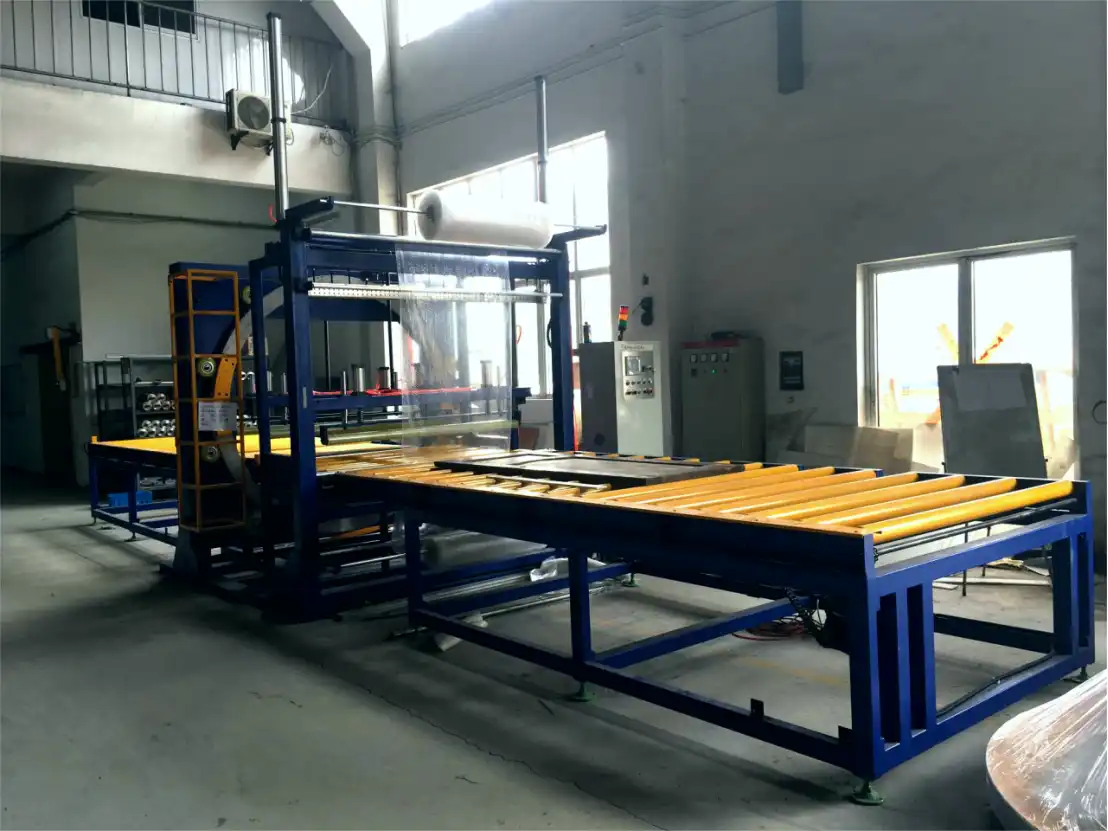
Manual packing, while seemingly straightforward, carries a hidden cost that can be quite substantial for British furniture and door manufacturers. I have seen it many times in factories, including my own earlier days. The time it takes for workers to meticulously wrap each item, especially large or irregular ones, means fewer products get out the door each hour. This directly limits your production capacity. For a business looking to scale, this is a major problem. Furthermore, the cost of labor in the UK is a significant factor. Relying heavily on manual labor for repetitive packing tasks means a large portion of your budget goes into wages for a process that could be automated. This does not even account for the cost of errors or inconsistencies. When humans pack, the quality of the wrap can vary from one worker to another, or even from one shift to the next. This inconsistency can lead to inadequate protection, which brings us to the next point.
The Hidden Costs of Manual Packing
- Labor Expense: High hourly wages for repetitive, low-value tasks.
- Slow Throughput: Limited by human speed and endurance, creating production bottlenecks.
- Inconsistent Quality: Varied wrapping tension, overlap, and coverage, leading to potential product damage.
- Material Waste: Manual applicators often use more film than needed, or wrap inefficiently.
| Aspect | Manual Packing | Orbital Wrapping Machine |
|---|---|---|
| Speed | Slow, dependent on worker speed and item complexity. | Fast, consistent, high-volume output. |
| Labor Cost | High, requires multiple workers per shift. | Low, typically one operator to monitor and load. |
| Consistency | Variable, subject to human error and fatigue. | High, precise and uniform wrap every time. |
| Material Usage | Often wasteful, difficult to optimize film tension. | Efficient, optimized film tension and overlap. |
| Bottleneck Risk | High, can slow down entire production line. | Low, keeps pace with or exceeds production speed. |
From my own experience building FHOPEPACK, I learned early on that efficiency is king. Every minute saved on the production floor adds up to more products, more sales, and better margins. Automating the packing process is not about replacing people; it is about redeploying your skilled workers to more valuable tasks, letting machines handle the repetitive, high-volume work. This move helps you boost your output without needing an endless increase in your workforce, directly addressing the efficiency bottlenecks that can plague even the best-run factories.
Can Orbital Wrappers Really Protect Your Valuable Products Better?
Your finely crafted furniture pieces and sturdy doors represent significant value, both in material cost and the skilled labor that went into them. The last thing you want is for these products to arrive at their destination scratched, dented, or with damaged corners. Are you currently battling with customer complaints and costly returns due to insufficient packaging? This problem not only impacts your profit but also chips away at your brand reputation, something I always stressed with my own clients.
Yes, orbital wrappers can significantly protect valuable furniture and door products better by providing a tight, secure, and all-around stretch film wrap that shields against dust, moisture, scratches, and impacts during handling and shipping. These machines create a robust, layered barrier that adapts perfectly to the unique dimensions of each item, ensuring comprehensive protection that manual methods struggle to match.

The journey from your British factory to a customer’s home or a retail store can be tough on products. Packages go through various stages: loading, unloading, warehousing, and transportation, often in vans, trucks, or ships exposed to the varied British weather. For furniture and doors, which can be heavy, oddly shaped, or have delicate finishes, consistent protection is absolutely vital. Manual wrapping, no matter how carefully done, often leaves gaps or provides uneven tension. This can result in film that is too loose in some areas and too tight in others, making the product vulnerable. A loose wrap can let in dust or moisture, or allow parts to shift and rub during transit. A tight wrap can sometimes damage delicate edges.
Superior Protection for Delicate Items
- Comprehensive Coverage: Orbital wrappers apply stretch film uniformly around all sides of the product, including corners and edges, which are most prone to damage.
- Dust and Moisture Barrier: The tight, multi-layered film acts as an effective shield against environmental elements, protecting wooden surfaces and finishes.
- Impact Resistance: Multiple layers of stretch film add a degree of cushioning, helping to absorb minor impacts and prevent scuffs or scratches.
- Load Stability: The wrap secures individual components or entire items, preventing movement and damage caused by shifting during transit.
When I started my own factory and later FHOPEPACK, I quickly learned that protecting the product is not just about the item itself; it is about protecting your brand’s reputation and your bottom line. Every damaged product means a reorder, a return, or a dissatisfied customer. These issues cost money and goodwill. Orbital wrapping machines use advanced tension control to apply film with consistent force, ensuring every inch of your furniture or door is wrapped exactly as it should be. This precision reduces the risk of in-transit damage significantly. Imagine your products arriving at their destination in perfect condition, every single time. That level of reliability not only reduces your costs but also builds immense customer trust. For manufacturers of high-value items, this superior protection is not just a benefit; it is a necessity.
How Do These Machines Make Your Workplace Safer for Everyone?
In many British factories, the process of packing large and heavy furniture or doors still involves a lot of manual handling. This means workers are regularly lifting, turning, and manipulating bulky items, often leading to awkward postures and significant physical strain. Are your employees facing a high risk of back injuries, sprains, or other accidents that lead to lost workdays, increased insurance premiums, and high employee turnover? Such incidents are not just costly; they also impact morale and create a less stable workforce.
Orbital wrapping machines make workplaces safer by drastically reducing the need for manual lifting, turning, and maneuvering of heavy or irregularly shaped furniture and door components, thereby minimizing the risk of strain injuries, drops, and other accidents. By automating the wrapping process, these machines remove workers from hazardous tasks, creating a much safer environment that complies with stringent health and safety regulations.
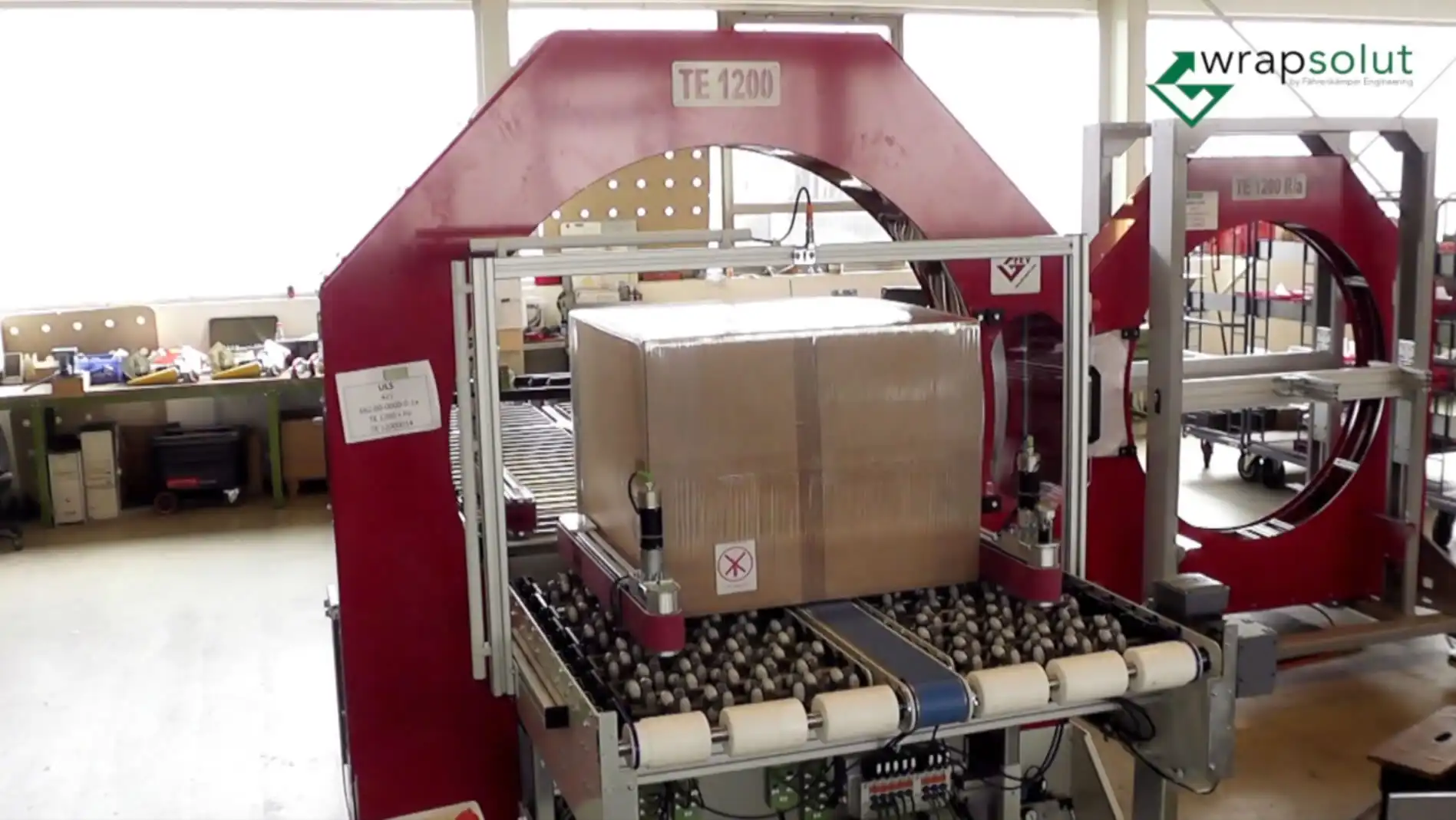
Worker safety was always a top priority for me when I ran my packing machine factory. It is not just a moral obligation; it is a smart business decision. An injured worker means a loss of productivity, potential fines, and increased costs for healthcare and insurance. Manual handling of heavy or oversized items is consistently one of the biggest causes of workplace injuries, especially musculoskeletal disorders. When workers have to bend, twist, and lift large doors or furniture panels, the risk of injury is very high. They might drop an item, trapping a limb, or strain their back, leading to long-term health problems. These injuries can also create a stressful work environment, making it harder to retain experienced staff. The UK has strict health and safety regulations, and compliance is non-negotiable.
Reducing Workplace Hazards
- Eliminates Manual Lifting: The machine takes over the task of lifting and positioning products for wrapping, removing strain from workers.
- Reduces Repetitive Strain: Repetitive motions involved in manual wrapping are replaced by automated processes, preventing common ergonomic injuries.
- Fewer Accidents: Automated handling reduces the chance of products being dropped or colliding with workers.
- Improved Morale: A safer workplace leads to happier, more productive employees who feel valued and protected.
From my personal journey, I always believed that investing in safety equipment was not just an expense; it was an investment in my team and the future of my business. When I saw my employees struggling with heavy lifting or risky tasks, I knew I had to find a better way. Orbital wrapping machines address this directly. Products are typically fed into the machine via conveyors or forklifts, and the machine’s rotating arm then applies the film. This means human interaction with the heavy item is dramatically reduced during the actual wrapping process. Workers can stand at a safe distance, monitor the operation, and focus on quality control rather than risking their bodies. This shift not only prevents injuries but also significantly improves overall employee morale and retention. A safer environment is a more productive environment, allowing your British furniture and door factory to run smoothly without the constant worry of accidents.
What Real ROI Can British Manufacturers Expect From This Investment?
Making a significant capital investment in new machinery can feel daunting. You are likely asking yourself, “Will this truly pay off? How quickly will I see a return, and what are the long-term benefits for my British furniture or door manufacturing business?” It is right to be cautious, as every investment must demonstrably contribute to your company’s growth and profitability. Without a clear path to return, even the best technology remains just a cost.
British manufacturers can expect a real return on investment (ROI) from orbital wrapping machines through significant savings in labor costs, reduced material waste, fewer product damage claims, increased throughput, and improved customer satisfaction, often leading to payback periods within 12-24 months. This financial benefit stems from operational efficiencies and reduced losses, directly impacting your bottom line.

When I was building my own packing machine factory and helping clients expand theirs, I always focused on the numbers. Every piece of equipment, every process change, had to show a clear financial benefit. Investing in an orbital wrapping machine is no different. The initial cost might seem high, but the savings it generates can quickly offset that expense. One of the most immediate and significant savings comes from reduced labor. By automating the packing process, you can free up multiple workers who were previously engaged in strenuous manual wrapping. These employees can then be redeployed to other, more skilled tasks within your factory, or their numbers can be reduced over time, leading to substantial wage savings.
Key Drivers of Orbital Wrapper ROI
- Reduced Labor Costs: Less reliance on manual labor for packing tasks allows for staff redeployment or reduction.
- Material Savings: Machines use film more efficiently, with optimized stretch and consistent overlap, reducing waste compared to manual methods.
- Lower Damage Claims: Superior product protection means fewer damaged goods, resulting in fewer returns, reworks, and compensation payouts.
- Increased Throughput: Faster and more consistent packing speeds lead to higher overall production capacity.
- Enhanced Customer Satisfaction: Products arrive in perfect condition, boosting customer loyalty and repeat business.
From my personal journey, where I saw my factory achieve financial independence, I learned that smart investments are the backbone of growth. When I looked at new equipment, I always calculated the potential ROI. For orbital wrappers, you are looking at tangible savings. Think about the cost of just one damaged door that needs to be replaced, manufactured again, and reshipped. These incidents add up quickly. By minimizing damage, you save on material, labor for rework, and shipping costs. Plus, the efficiency gains mean you can process more orders faster, directly increasing your sales capacity without necessarily expanding your physical footprint or workforce dramatically. This combination of cost reduction and increased capacity creates a powerful financial argument for British furniture and door manufacturers. It is an investment that truly pays for itself, often much sooner than many realize.
Why Trust FHOPEPACK with Your Packing Machine Needs?
Finding the right equipment supplier can be a minefield. Many companies are good at selling machines, but do they truly understand the intricate operational challenges of a busy British furniture or door manufacturing plant? Do they offer long-term partnership or just a one-time transaction? I know from experience that factory managers like you need a partner who can provide deep industry insight and reliable solutions, not just a product. You need someone who has walked in your shoes, someone who understands the daily pressures of maintaining efficiency and profitability.
British manufacturers should trust FHOPEPACK with their packing machine needs because we offer deep industry expertise stemming from Randal Liu’s journey as a factory owner, a commitment to understanding client challenges, and a proven track record of delivering reliable solutions that drive business growth. We are not just a supplier; we are a knowledge-sharing platform dedicated to helping you master your packing processes and achieve your business goals.
My journey in the packing machine industry started from the ground up. I began as an employee, working hands-on in a packing machine factory. This gave me an intimate understanding of the machines, the processes, and most importantly, the daily struggles faced by factory workers and managers. I later took that knowledge and built my own successful packing machine factory. This experience taught me invaluable lessons about efficiency, reliability, cost control, and how to scale a business. I achieved financial independence thanks to the opportunities the coil packing and steel wire packing industries gave me. Now, through FHOPEPACK, I am dedicated to giving back. I share my expertise and insights, hoping to help others avoid the pitfalls I encountered and achieve their own success. This is not just a business for me; it is a mission to empower manufacturers with the right knowledge and tools.
The FHOPEPACK Difference
- Founder’s Practical Experience: My background as both an employee and a factory owner means I understand real-world manufacturing challenges.
- Client-Centric Approach: We focus on understanding your specific production bottlenecks and goals, not just selling a machine.
- Proven Solutions: Our machines are built on years of industry experience, designed for durability, efficiency, and reliability in demanding environments.
- Long-Term Partnership: We aim to be more than a supplier, offering ongoing support, customization, and expert advice to ensure your investment pays off.
- Commitment to Growth: My personal mission is to help clients grow their businesses, just as I grew my own.
When you partner with FHOPEPACK, you are not just getting a machine. You are gaining access to years of practical experience and a partner who genuinely cares about your success. I remember when I was starting out; finding reliable suppliers who truly understood my needs was crucial. This is the ethos I have built FHOPEPACK on. We offer expert guidance to ensure the equipment you invest in truly solves your problems and helps your business thrive. We can customize solutions to fit the specific dimensions of your furniture and doors and integrate them seamlessly into your existing production line. Our commitment extends beyond the sale, with robust after-sales support ensuring your machines operate efficiently for years to come. For British furniture and door manufacturers, choosing FHOPEPACK means choosing a partner dedicated to your operational excellence and long-term business growth.
Conclusion
Investing in orbital wrapping machines is a strategic move for British furniture and door manufacturers. It boosts efficiency, enhances product protection, improves worker safety, and delivers a clear ROI.








