
Why are Russian Exporters Adopting Coil Wrapping Machines for Safer Metal Coil Transport?
Have you ever worried about your valuable metal coils reaching their destination damaged? Many factory managers, just like Michael Chen from Mexico, face this challenge daily. The pressure to increase output, cut costs, and ensure product safety is immense. When I started FHOPEPACK, my goal was to share knowledge about packing machines. I wanted to help businesses like yours overcome these exact problems. Today, we will look at how modern packing solutions are changing the game for exporters, especially in demanding markets like Russia.
Russian exporters adopt coil wrapping machines to protect products from damage, increase worker safety, and speed up logistics. This makes transport more reliable and cost-effective across long distances. It ensures that valuable metal coils arrive in perfect condition, which is crucial for client satisfaction and business growth.
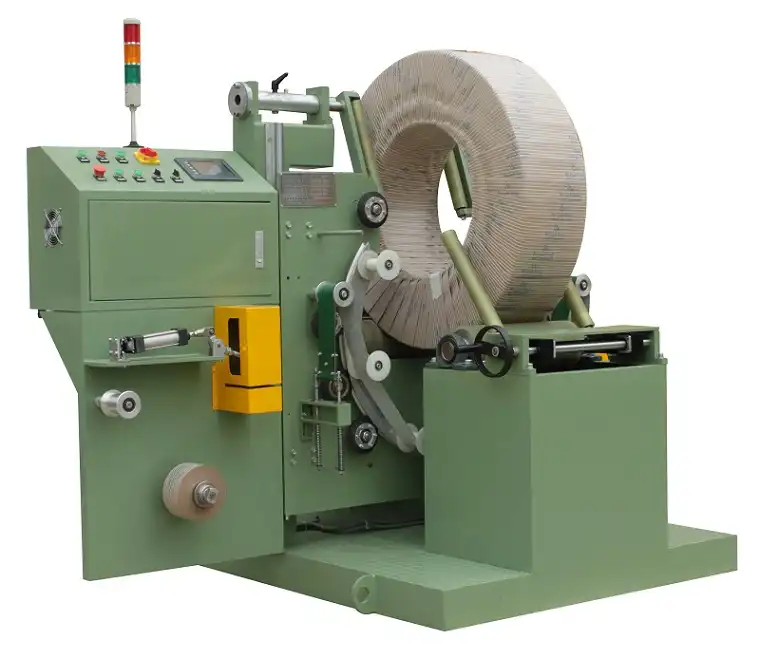
The challenges of shipping heavy metal coils across vast distances are real. They impact both your bottom line and your reputation. As an engineer who built my own packing machine factory, I know firsthand what delays and damaged goods can mean. It is not just about a single shipment. It is about your business’s future. Let’s explore why more and more Russian exporters are turning to advanced coil wrapping technology. They see it as a smart move, not just an expense.
1. What challenges do Russian metal exporters face in coil transport?
Imagine you are shipping heavy metal coils across a continent. The journey is long. The conditions can be harsh. This is the reality for many Russian metal exporters. Their products must travel thousands of kilometers. They go through different climates and handling points.
Russian metal exporters deal with long distances, extreme weather, and strict customer demands. These factors make manual coil packing risky and inefficient. This leads to a high potential for product damage and delivery delays. These issues directly impact their profits and standing in the global market.

In my years in the packing machine industry, I have seen many companies struggle with these exact issues. They invest heavily in production, but then their products get damaged in transit. This leads to customer complaints and financial losses. It is a frustrating cycle. Michael Chen, a factory manager in Mexico, told me about similar problems. He is always looking for ways to protect his products during internal transfers and external shipping. For Russian exporters, these challenges are even bigger due to the scale and conditions of their operations.
The Harsh Realities of Long-Distance Shipping
Long-distance shipping, especially from Russia, involves many risks. First, the weather can be extreme. Coils travel through freezing temperatures and humid environments. This causes condensation, which leads to rust. They also face rough roads and bumpy rail journeys. These movements can shift loads. This can cause coils to rub against each other or against the transport vehicle. This leads to surface scratches, dents, and edge damage. For example, a steel coil’s edges are very vulnerable. Even a small impact can make it unusable for some high-precision applications. This type of damage is not always visible at first. It often becomes apparent only when the customer receives the goods. This makes claims difficult and time-consuming. My own factory once shipped coils across vast distances. We used old packing methods. We saw these problems firsthand. The rate of damaged goods was simply too high. We had to find a better way.
Market Pressure and Customer Expectations
Today’s global market demands perfection. Customers expect their metal coils to arrive in pristine condition. Any damage, no matter how small, can lead to rejection. It can also lead to renegotiated prices. This directly impacts profit margins. Many industries, like automotive or construction, rely on just-in-time delivery. They also require high-quality materials. If coils are damaged, it creates delays in their production lines. This causes them to lose money. They then lose trust in their supplier. This is why a damaged shipment can hurt a company’s reputation. It can also lead to losing valuable contracts. Russian exporters compete in this tough market. They must meet these high standards. This means ensuring their products are perfectly protected from the moment they leave the factory.
Economic Factors and Logistical Complexities
Transporting metal coils is expensive. This includes fuel, labor, and insurance. Any damage means added costs. There are costs for return shipments, reprocessing, or even disposal. Then there are customs procedures and multiple transfers. Each transfer point is another opportunity for damage. This is especially true if handling equipment is not specialized. Companies try to reduce these costs. But cutting corners on packing is often a false economy. It usually leads to bigger losses later. These economic pressures force exporters to find solutions that offer both protection and efficiency. They need packing that can withstand the entire logistical chain. They also need packing that is cost-effective over the long run.
| Challenge Category | Specific Problem | Impact on Exporter |
|---|---|---|
| Environmental | Extreme temperatures, humidity, condensation | Rust, material degradation |
| Physical Handling | Bumps, vibrations, impacts during transit | Surface damage, dents, edge deformation |
| Logistics | Multiple transfers, varied handling equipment | Increased risk of mishandling, delays |
| Market Demands | Strict quality requirements, just-in-time delivery | Customer complaints, rejections, loss of contracts |
| Financial | High transport and insurance costs | Reduced profit margins, claims processing |
2. How does manual coil packing endanger both workers and products?
Using human labor to pack heavy metal coils is a practice rooted in the past. But it comes with significant downsides. It puts people at risk. It also puts the product at risk. This method is slow and often inconsistent.
Manual coil packing creates high risks for workers. It causes injuries from heavy lifting and awkward movements. It also makes products prone to damage during handling and transport. This leads to financial losses and unhappy customers. Such methods are not sustainable for modern export operations.

From my own experience working in a packing machine factory, I saw these dangers every day. Workers had to strain to maneuver heavy coils. They used tools that were not always ideal. I remember seeing colleagues suffer from back injuries. I also saw repetitive strain injuries. These incidents are not just unfortunate. They are costly. They lead to higher insurance premiums. They also cause worker absenteeism and turnover. Michael Chen’s challenges in Mexico are a good example. He faces high injury risks from manual handling. He wants to reduce this to improve worker safety. This is a common story in our industry.
Significant Safety Risks for Employees
Manual handling of metal coils is inherently dangerous. Coils are heavy. They can weigh hundreds or even thousands of kilograms. Workers use chains, hooks, and sometimes forklifts. They often have to position packing materials manually. This involves bending, lifting, and stretching in awkward positions. These actions put immense strain on their bodies. Common injuries include back sprains, muscle strains, and crushed limbs if a coil shifts. There is also the risk of cuts from sharp edges. Falling objects are another concern. These injuries lead to medical expenses, lost workdays, and potential lawsuits. Beyond physical harm, there is also the mental stress. Workers constantly worry about accidents. A high rate of incidents creates a poor safety culture. It makes it harder to attract and keep skilled workers. This directly impacts a factory’s productivity and its overall reputation as an employer.
Unacceptable Product Damage and Quality Issues
Manual packing also greatly increases the risk of product damage. When workers handle coils, they might drop them or bump them against other objects. Even slight impacts can cause dents or deformities. The packing material itself might be applied unevenly. This leaves parts of the coil exposed. Or it might not provide enough protection against moisture or impact. For instance, the edges of a steel coil are very sensitive. If they get bent or scratched during manual wrapping or handling, the entire coil might be deemed defective. This is especially true for precision industries. In my early days, we often found coils with rust spots or minor dents after shipping. These were problems caused by inconsistent manual packing. This resulted in rejections and a lot of wasted material. These quality issues directly harm a company’s brand image. They make it harder to build customer loyalty.
Hidden Costs of Manual Packing
The costs of manual packing go beyond wages. First, there are the direct costs of injuries. These include medical bills, workers’ compensation, and lost productivity. Second, product damage leads to rejections, rework, and waste. This means lost revenue. Third, manual processes are slow. They create bottlenecks in the production line. This slows down delivery times. This can result in penalties or even lost business. My factory learned this the hard way. We saw how much time was spent on re-packing. We saw how much material was wasted. We also calculated the cost of dealing with customer complaints. These hidden costs often exceed the perceived savings of not investing in automation. Companies like Michael Chen’s, which are focused on cost control, must consider these long-term expenses. They show that manual packing is not just a safety risk. It is a major financial drain.
| Aspect | Manual Coil Packing Risks |
|---|---|
| Worker Safety | Muscle strains, back injuries, crushed limbs, cuts, falls |
| Product Quality | Dents, scratches, rust, uneven wrapping, exposed areas |
| Efficiency | Slow process, production bottlenecks, inconsistent quality |
| Costs | High insurance, worker compensation, rework, waste, claims |
| Reputation | Customer dissatisfaction, loss of trust, brand damage |
3. Can automation truly make coil transport safer and more efficient?
When we talk about automation in packing, some people might think it is only for huge, impersonal factories. But my experience shows that it is a powerful tool for any business. It helps solve real problems that manual processes cannot.
Automation, especially with coil wrapping machines, drastically improves safety by removing workers from dangerous tasks. It also increases efficiency by speeding up the packing process. This ensures consistent quality for metal coils. It provides a reliable and cost-effective solution for secure transport.

At FHOPEPACK, we believe that smart technology should simplify operations, not complicate them. When I first started my factory, I knew we needed to move beyond old methods. We invested in automated packing solutions. The change was remarkable. Not only did our output increase, but our workers were also safer and happier. This is the kind of transformation Michael Chen is looking for. He wants solutions that truly work.
Enhancing Worker Safety Through Machine Operation
Automated coil wrapping machines remove the need for manual heavy lifting. They also remove the need for manual wrapping. This greatly reduces the risk of injuries. Workers no longer have to handle heavy coils. They no longer have to apply packing materials in awkward positions. Instead, they operate machines from a safe distance. They oversee the process. The machine does the dangerous work. This means fewer accidents. It means lower insurance costs. It also means a safer work environment for everyone. For example, a coil wrapping machine uses a rotating arm to apply stretch film or other materials around the coil. Workers only load the coil onto a conveyor or turntable. Then they push a button. This simple change can prevent countless injuries. It creates a much more positive and productive workplace.
Boosting Operational Efficiency and Speed
Automation dramatically speeds up the packing process. A machine can wrap a coil much faster and more consistently than a human. It works without breaks. It also maintains a steady pace. This eliminates bottlenecks at the end of the production line. This means coils are packed and ready for shipment quicker. This improves overall delivery times. For instance, a manual process might take 10-15 minutes per coil. An automated machine can finish in just 1-3 minutes. This increase in speed directly translates to higher throughput. This supports increased production targets. It also allows factories to meet tight deadlines. This efficiency also extends to material usage. Machines can optimize film tension and overlap. This reduces waste. This saves on packing material costs over time.
Guaranteeing Product Integrity and Protection
Automated wrapping machines apply packing materials with precision and consistency. They ensure every part of the coil is covered uniformly. This provides maximum protection against dust, moisture, and impact. The film tension is consistent. This holds the coil securely. It prevents shifting during transit. This reduces the risk of surface damage or edge deformation. Modern machines can also apply multiple layers of different materials. This includes anti-corrosion film or heavy-duty stretch film. This offers customized protection based on the coil type and transport conditions. This level of consistent, high-quality packing is impossible to achieve with manual methods. It gives Russian exporters confidence. They know their products will arrive in the best possible condition. This protects their investment. It also strengthens their reputation for quality.
Comparing Manual vs. Automated Packing
| Feature | Manual Coil Packing | Automated Coil Wrapping Machine |
|---|---|---|
| Worker Safety | High risk of injuries (back, crushed limbs) | Low risk, workers operate from safe distance |
| Speed/Efficiency | Slow, inconsistent, creates bottlenecks | Fast, consistent, high throughput, no bottlenecks |
| Product Quality | Prone to damage, inconsistent wrapping, rust | Consistent, tight wrap, maximum protection, no rust |
| Material Use | Often wasteful, inconsistent tension | Optimized use, consistent tension, reduced waste |
| Operating Cost | High labor, injury, damage, rework costs | Lower labor, minimal injury/damage costs |
4. What long-term advantages does investing in advanced packing offer?
Choosing to invest in new equipment can feel like a big step. Many business owners, like Michael Chen, carefully weigh the costs against the benefits. But looking only at the upfront price misses the bigger picture.
Investing in advanced coil packing machines offers significant long-term benefits. These include reduced operating costs, fewer product losses, improved customer satisfaction, and a stronger market position. This ensures a high return on investment. It also provides a competitive edge for years to come.
My journey in the packing machine industry taught me this truth early on. I saw companies that were hesitant to upgrade. They ended up falling behind. The ones that embraced automation grew faster. They became more profitable. This is not just about buying a machine. It is about making a strategic decision for the future of your business. It is about becoming a “Master Packing Machine” user, just like our slogan at FHOPEPACK suggests.
Quantifiable Cost Reductions and ROI
The initial investment in an automated coil wrapping machine pays for itself over time. First, labor costs decrease. You need fewer workers for the packing process. The workers you do have can focus on more skilled tasks. Second, product damage drops significantly. This means fewer rejected shipments and fewer returns. This saves money on materials, shipping, and reprocessing. Third, insurance costs for worker injuries can go down. A safer workplace means fewer claims. For example, if a company saves $5,000 per month on labor and another $3,000 on damage claims, that is $96,000 in savings per year. Over a few years, these savings quickly add up. They show a clear return on the initial investment. This financial benefit is a strong reason for Russian exporters to adopt these machines.
Strengthening Brand Reputation and Customer Loyalty
Reliable and safe product delivery builds trust. When customers consistently receive their metal coils in perfect condition, they gain confidence in their supplier. This leads to repeat business. It also leads to positive word-of-mouth. This is critical in competitive markets. A strong reputation for quality and reliability attracts new clients. It also allows companies to charge premium prices for their products. In my career, I have seen how a company’s ability to consistently deliver high-quality goods, protected by superior packing, sets them apart. This makes them a preferred partner. For Russian exporters, this means standing out globally. It means securing long-term contracts. It also means building a brand that customers can depend on.
Future-Proofing Your Export Operations
The global market is always changing. Customer expectations evolve. Regulations become stricter. Investing in advanced packing technology prepares your business for these changes. It makes your operations more flexible and scalable. You can handle higher volumes if demand increases. You can adapt to new packing material requirements. This type of investment is not just for today. It is for tomorrow. It gives you a competitive edge. It shows that you are committed to innovation and quality. For companies like Michael Chen’s, which are looking for long-term growth and stability, this is essential. It ensures that your packing processes are robust enough to support business expansion. It also ensures they can meet future challenges head-on.
ROI Factors for Automated Coil Wrapping Machine:
- Reduced Labor Costs: Less manual intervention needed.
- Minimized Product Damage: Fewer rejections, less waste, improved yield.
- Lower Insurance Premiums: Due to fewer workplace injuries.
- Increased Throughput: Faster packing process, higher production capacity.
- Enhanced Customer Satisfaction: Consistent quality, reliable delivery.
- Improved Brand Reputation: Position as a reliable, quality supplier.
- Future Scalability: Ability to handle increased demand.
Conclusion
Russian exporters are adopting coil wrapping machines for clear reasons. They need to protect products, ensure worker safety, and boost efficiency. This technology provides a strong return on investment and secures a competitive future.








