
How Russia Steel Mills Use Coil Wrapping Machines to Protect Heavy Steel Coils?
The steel industry moves fast. Production lines run at full speed. But what happens at the very end? Do you see piles of heavy steel coils, waiting for slow, manual packing? This creates bottlenecks. It also leads to huge safety risks. Many Russian steel mills face this exact challenge every day. They struggle to keep up with demand while also protecting their valuable products. This problem hits their profits and also puts their workers in danger.
Russian steel mills use advanced coil wrapping machines to protect heavy steel coils. These machines automate the packing process. They apply protective layers around coils quickly and safely. This prevents damage during transport and storage. It also boosts operational efficiency and reduces labor costs.
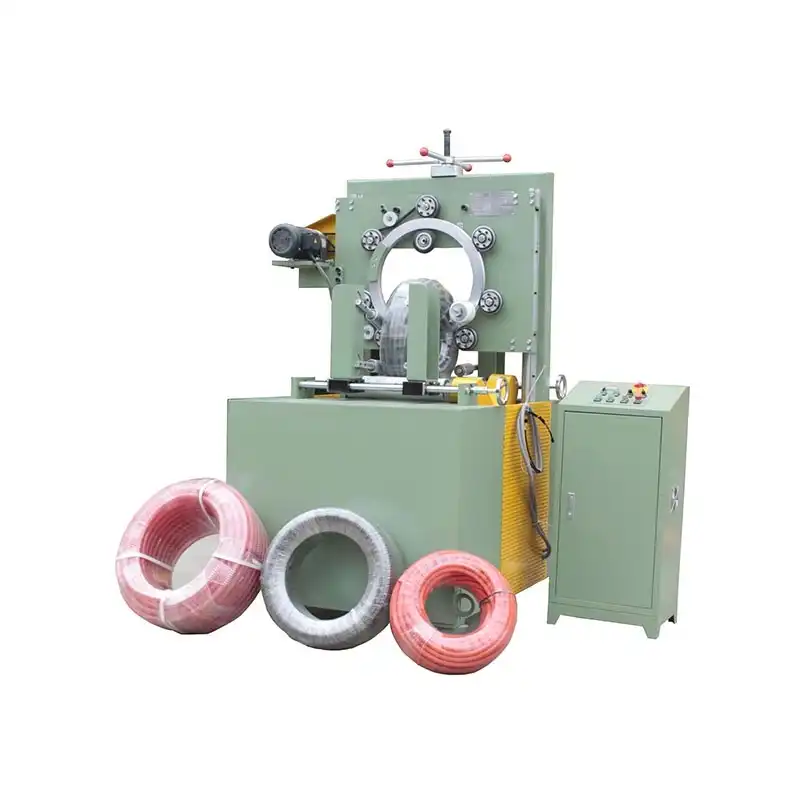
I have seen this problem many times. From my early days as an engineer to running my own factory, the packing stage is often overlooked. But it is vital for any steel business. This is why understanding modern packing solutions is so important. Let’s look closer at how coil wrapping machines change the game for steel mills, especially in places like Russia.
1. Why Is Protecting Heavy Steel Coils Crucial for Russian Steel Mills?
You work hard to produce high-quality steel. You invest a lot in raw materials and processes. But then, poor packing lets it all down. This is a common story in many steel mills. It leads to damaged goods and unhappy customers. Russian steel mills, with their large-scale operations, cannot afford these losses.
Protecting heavy steel coils is crucial for Russian steel mills because it prevents product damage, ensures worker safety, and maintains operational efficiency. Unprotected coils can suffer scratches or dents. These issues lead to customer rejections and financial losses. Manual handling of heavy coils also poses significant injury risks to workers.
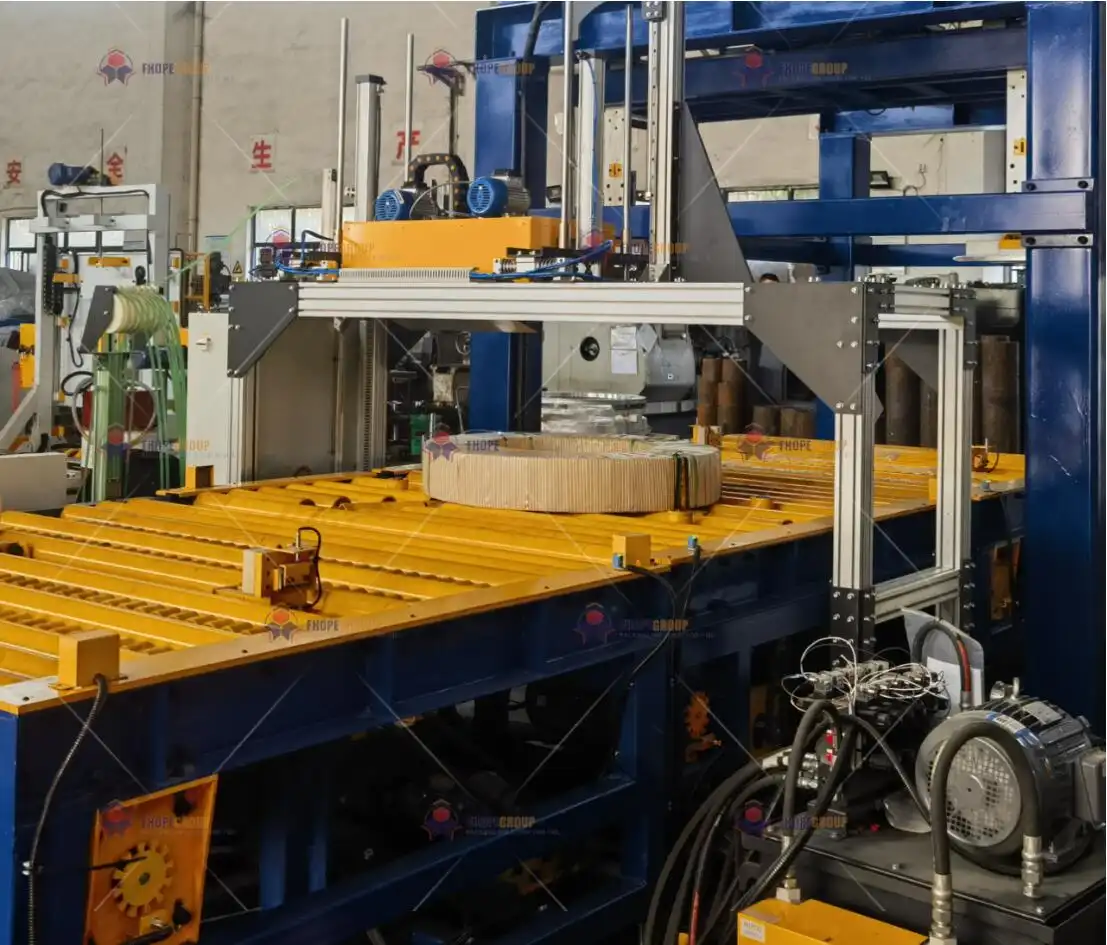
I remember when I first started in the packing machine industry. Many factories used old, slow methods. They thought packing was just a final step. They did not see it as a critical part of their value chain. This mindset often resulted in big problems. For heavy steel coils, the stakes are even higher. Each coil can weigh tons. Moving and packing them by hand is a recipe for disaster. This leads to high insurance costs and staff turnover. It also hurts the company’s reputation. Let’s break down the main reasons why this protection is not just good, but essential.
1.1 Preventing Costly Product Damage During Transit and Storage
Heavy steel coils are valuable. They are also sensitive. Any impact or scratch can lower their quality. This means lost money. When coils travel from the mill to a customer, they pass through different stages. Each stage is a chance for damage.
- Internal Transfer: Moving coils within the factory can cause problems. Forklifts might bump them. Improper stacking can lead to deformation.
- Loading and Unloading: These are high-risk moments. Heavy lifting equipment can be rough. If the coil is not wrapped well, its edges are exposed.
- Long-Distance Transport: Vibrations and shifts during shipping are dangerous. A good wrap holds the coil together. It stops it from moving too much. It also protects against moisture and dirt.
- Storage: Even in storage, coils need protection. Dust, humidity, and accidental bumps can degrade the product. A robust wrap acts as a shield.
Damage is not just about a scratch. It can mean a whole coil is rejected. This affects the bottom line. It also harms the trust with customers. No business wants to deliver damaged goods. Good protection keeps products in perfect condition. It ensures customers get what they paid for. This builds strong business relationships.
1.2 Enhancing Worker Safety and Reducing Accident Rates
Safety is paramount. Manual handling of heavy steel coils is one of the most dangerous tasks in a steel mill. Workers can suffer severe injuries. These range from back strains to crushing accidents. My experience taught me that employee safety must always come first. Happy and safe employees are productive employees.
- Risk of Crushing Injuries: Heavy coils can easily shift or fall. This puts workers at extreme risk. Automated systems remove people from these danger zones.
- Ergonomic Issues: Repetitive manual tasks lead to long-term health problems. Workers often strain themselves when trying to secure heavy loads. This results in high medical costs and lost workdays.
- Fatigue-Related Accidents: Long shifts and physically demanding work increase fatigue. Tired workers make more mistakes. These mistakes can be deadly in a steel mill setting. Automation reduces physical strain, making the workplace safer.
- Insurance Costs: High accident rates mean higher insurance premiums. Companies pay more for worker compensation. They also lose skilled staff due to injuries. Investing in safety equipment pays off in the long run. It protects people and also the company’s finances.
Automated coil wrapping machines take over the heavy lifting. They manage the wrapping process with precision. This keeps workers away from danger. It creates a much safer work environment for everyone.
1.3 Boosting Operational Efficiency and Throughput
Time is money. In a busy steel mill, every minute counts. Slow packing processes create bottlenecks. This delays delivery. It also impacts the entire production schedule.
- Slow Manual Packing: Workers take a long time to manually wrap large coils. This is not efficient. It ties up valuable labor that could do other tasks.
- Inconsistent Packing Quality: Manual packing can be inconsistent. Some coils might be wrapped better than others. This leads to varied protection levels. Automated machines ensure uniform quality every time.
- Increased Labor Costs: Relying heavily on manual labor means higher payroll expenses. Overtime costs can quickly add up. Investing in machines reduces the need for many workers on the packing line.
- Delayed Shipments: When packing is slow, products pile up. This delays shipments to customers. It can lead to penalties or even lost orders. Fast, automated packing keeps products moving.
Automated coil wrapping machines work fast. They can process many coils in an hour. This speeds up the entire end-of-line process. It ensures a smooth flow of products. This improved efficiency directly translates to higher throughput and better profits for the steel mill.
2. How Do Coil Wrapping Machines Revolutionize Efficiency and Safety in Steel Mills?
I have seen factories go from struggling to thriving. Often, the change comes from smart investments in automation. Coil wrapping machines are a perfect example. They do not just solve problems. They transform the way steel mills operate. For places like Russian steel mills, facing high demand and strict quality needs, this transformation is crucial. They are looking for ways to produce more, faster, and safer.
Coil wrapping machines revolutionize efficiency and safety in steel mills by automating the packing process. They drastically reduce manual labor, which speeds up operations and removes workers from dangerous heavy-lifting tasks. These machines provide consistent, high-quality wraps, improving product protection and overall throughput.

When I was setting up my own factory, I knew efficiency was key. Every part of the production line had to be optimized. The packing stage was no different. Manual methods were simply too slow and too risky. Modern coil wrapping machines offer solutions that were unthinkable decades ago. They bring a new level of precision and speed to the packing floor. Let’s dive into the core ways these machines make a real difference.
2.1 Automating the Packing Process for Unprecedented Speed
Automation is the engine of modern manufacturing. Coil wrapping machines embody this perfectly. They take a complex, time-consuming manual task and make it automatic.
- Reduced Cycle Times: A machine can wrap a coil in minutes. Manual wrapping can take much longer. This means more coils are ready for shipment each hour. The increase in speed is significant.
- Continuous Operation: Machines can run for long periods. They do not get tired. They do not need breaks. This allows for continuous packing, even during multiple shifts. This boosts overall output.
- Integration with Production Lines: Modern wrapping machines can link directly to existing production lines. This creates a seamless flow. Coils move from the production floor straight to packing without manual intervention. This eliminates waiting times and bottlenecks.
- Programmable Settings: Operators can program the machines for different coil sizes and wrapping needs. This ensures the correct tension and number of layers every time. It saves time from manual adjustments. This precision improves packing quality and speed.
This shift to automated packing directly increases the factory’s capacity. It means Russian steel mills can meet higher demand. They can also deliver products faster to their clients. This competitive edge is invaluable in today’s market.
2.2 Eliminating Manual Heavy Lifting and Enhancing Worker Protection
Safety is not just a goal; it is a necessity. Coil wrapping machines greatly improve safety by removing workers from dangerous situations.
- No More Manual Wrapping Around Heavy Coils: Before, workers had to walk around heavy, unstable coils. They would pull and stretch wrapping material. This was very dangerous. Machines do this automatically. Workers operate the machine from a safe distance.
- Reduced Risk of Crushing or Pinching: The movement of heavy coils is always a risk. Machines use conveyors and clamps to hold coils securely. This removes the need for workers to be near moving parts. It greatly reduces the risk of crushing or pinching injuries.
- Less Physical Strain and Fatigue: Manual packing involves a lot of bending, lifting, and repetitive motions. This leads to muscle strain and fatigue. These issues cause long-term health problems and increase accident risks. Machines eliminate this physical strain for workers.
- Consistent Safety Protocols: Machines follow predefined safety protocols. They operate predictably. This reduces human error, which is a common cause of accidents. Safety sensors can also stop the machine if an obstruction is detected.
Investing in these machines shows a commitment to worker welfare. It leads to a healthier and more productive workforce. This is a win-win for both the employees and the steel mill. My personal experience taught me that happy, safe workers are the foundation of a successful operation.
2.3 Delivering Consistent and High-Quality Packing
Quality is about consistency. Manual packing varies from person to person. Machines do not. They provide the same high-quality wrap every time.
- Uniform Tension and Overlap: A machine applies wrapping material with consistent tension. It also ensures even overlap. This creates a strong, protective barrier. Manual methods often lead to loose spots or gaps.
- Precise Material Usage: Machines use the exact amount of wrapping material needed. This minimizes waste. It also ensures optimal protection without overuse. This saves on material costs.
- Protection Against Elements: The tight, uniform wrap protects coils from dust, moisture, and corrosion. This is especially important for long-term storage or sea transport. A good wrap maintains the coil’s integrity.
- Professional Appearance: A consistently wrapped coil looks professional. This reflects well on the steel mill. It shows attention to detail and quality control. This can enhance customer perception and brand image.
High-quality packing means fewer damaged goods. It means fewer customer complaints. It means a better reputation. This leads to repeat business and stronger client relationships. This kind of consistency is a cornerstone of operational excellence.
3. What Specific Benefits Do Advanced Coil Wrapping Solutions Offer to Ensure Product Integrity?
Product integrity is everything in the steel industry. A tiny scratch can turn a valuable coil into scrap. For Russian steel mills handling massive volumes, ensuring every coil leaves the factory in perfect condition is a top priority. They need solutions that go beyond basic protection. They need advanced features that address every potential threat to their product. This is where modern coil wrapping solutions shine. They offer a layered defense, ensuring that product quality, built into the manufacturing process, is maintained right through to the customer.
Advanced coil wrapping solutions offer specific benefits to ensure product integrity, including superior protection against corrosion and impact, customizability for different coil types, and integration of durable packing materials. They use specialized film and strapping to create a robust, weather-resistant barrier, minimizing damage during handling, storage, and transit.
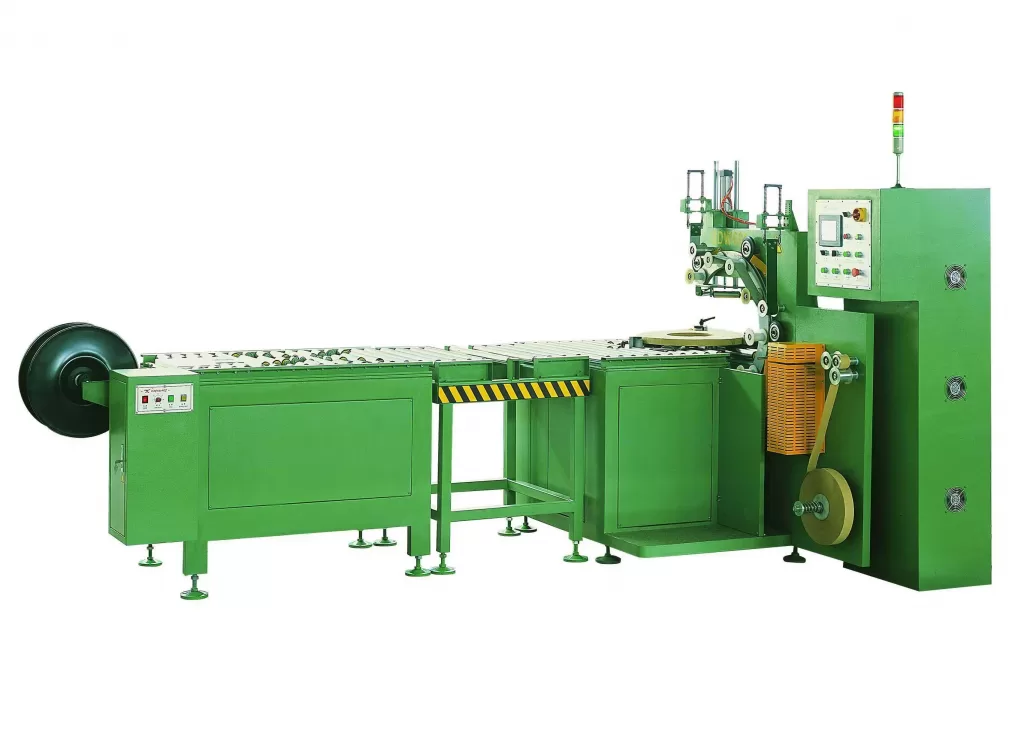
In my journey from an employee to factory owner, I always focused on finding solutions that truly solve problems. It is not enough to just wrap a coil. You must wrap it right. The materials you use, the way the machine applies them, and the ability to adapt to different products – these are all critical. Let’s look at the specific advantages that advanced coil wrapping systems bring to the table for maintaining product integrity.
3.1 Superior Protection Against Corrosion, Dust, and Moisture
Steel is strong, but it is also vulnerable to its environment. Corrosion, dust, and moisture are constant threats. They can degrade product quality quickly.
- Multi-Layered Film Application: Advanced machines can apply multiple layers of specialized stretch film. This creates a thick, durable barrier. This barrier is resistant to punctures and tears. It offers excellent protection against physical damage.
- VCI Film Integration: Some solutions incorporate Volatile Corrosion Inhibitor (VCI) films. These films release protective chemicals. These chemicals form a molecular layer on the steel surface. This layer actively prevents rust and corrosion. This is crucial for long-term storage or shipment in humid conditions.
- Dust and Dirt Barrier: The tight wrapping prevents dust, dirt, and other contaminants from reaching the coil surface. Clean coils mean less cleaning for the customer. It also means less chance of surface defects from abrasive particles.
- Moisture Resistance: A well-sealed wrap creates a waterproof barrier. This protects the coil from rain, humidity, and condensation. This is vital for coils stored outdoors or shipped overseas. Moisture is a primary cause of rust.
This comprehensive protection ensures that coils maintain their pristine condition. It guarantees that the customer receives a product that meets their exact specifications. This enhances customer satisfaction and reduces warranty claims.
3.2 Customizable Wrapping for Diverse Coil Types and Sizes
Not all steel coils are the same. They vary in size, weight, and material. A good wrapping solution must be flexible. It needs to adapt to these differences.
- Adjustable Ring Diameter: Modern wrapping machines have adjustable ring diameters. This allows them to handle a wide range of coil widths. From narrow slit coils to wide master coils, the machine can adapt.
- Variable Tension Control: Different films and coil types require different wrapping tensions. Advanced machines allow precise control over film tension. This ensures a tight, secure wrap for every coil. It also prevents film breakage.
- Programmable Wrap Cycles: Operators can program specific wrap patterns and layer counts. This means a heavy-duty coil might get more layers. A lighter coil might need fewer. This customization optimizes material use and protection.
- Integration with Conveyor Systems: Machines can integrate with automated conveyor systems. This allows for seamless handling of coils of various sizes. The system identifies the coil type. It then applies the correct wrapping program.
This adaptability means steel mills do not need multiple specialized machines. One advanced coil wrapper can handle their diverse product range. This saves space and investment costs. It also streamlines operations.
3.3 Integration of Durable Packing Materials and Strapping
The wrapping film is one part of the protection. Strapping and other materials complete the package. They add strength and security.
- High-Strength Stretch Film: The base of the wrap is often a multi-layer, high-performance stretch film. This film offers superior puncture resistance and elasticity. It holds the coil together firmly.
- PET or Steel Strapping: After wrapping, many coils receive additional strapping. PET (polyester) strapping is strong and flexible. Steel strapping offers maximum strength for very heavy coils. These straps secure the wrap. They also prevent the coil from expanding or unraveling.
- Edge Protection: For very sensitive coil edges, corner protectors can be applied before wrapping. These prevent damage from impacts or tight strapping. This ensures the most vulnerable parts of the coil are safe.
- Labeling and Identification: Packing often includes automated labeling. This ensures clear identification of the coil’s contents and destination. This prevents errors during shipping and receiving.
Combining these elements creates a truly robust packing solution. It ensures that the steel coils reach their destination in perfect condition. This comprehensive approach is essential for high-value products like steel. It gives confidence to both the supplier and the customer.
4. Choosing the Right Partner: What Should Russian Steel Mills Look For in a Coil Wrapping Machine Supplier?
Choosing a coil wrapping machine is a big decision. It is not just about buying a piece of equipment. It is about investing in your factory’s future. For Russian steel mills, with their specific operational demands and high stakes, finding the right supplier is critical. They need a partner who understands their challenges. They need someone who can provide more than just a machine. They need expert guidance and reliable support. I know this firsthand. Building my own factory taught me that a good partner is invaluable.
Russian steel mills should look for a coil wrapping machine supplier that offers deep industry expertise, proven equipment reliability, comprehensive after-sales support, and a commitment to long-term partnership. The right supplier understands their specific production bottlenecks and safety concerns, providing tailored solutions rather than just selling a product.
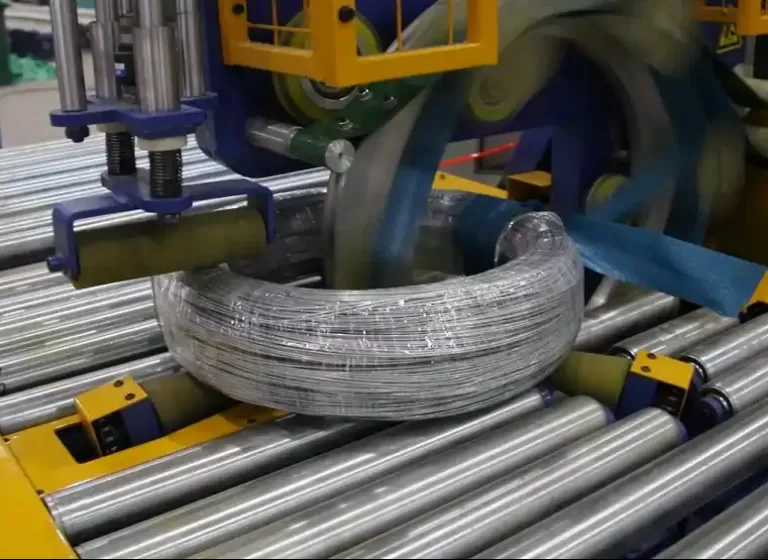
I started FHOPEPACK because I saw a need for true partnership in this industry. Many suppliers focus only on sales. They disappear after the deal is done. This leaves factories struggling with installations, breakdowns, and questions. I believe in giving back. I want to share my knowledge. I want to help others succeed, just as I did. So, what should Russian steel mills really look for in a supplier?
4.1 Proven Industry Expertise and Understanding of Specific Challenges
A supplier must understand your world. They should know the steel industry inside out. This means more than just knowing about packing.
- Deep Market Knowledge: They should understand the unique demands of the Russian steel market. This includes logistics, environmental factors, and regulatory requirements.
- Application-Specific Experience: Has the supplier worked with heavy steel coils before? Do they understand the nuances of packing different grades of steel? Their past projects should reflect this.
- Problem-Solving Approach: A good partner listens to your problems. They ask about your efficiency bottlenecks, safety risks, and product damage issues. They then offer solutions, not just products.
- Technical Know-How: The supplier’s team should include experienced engineers. These engineers can assess your current setup. They can recommend the best machine and integration strategy.
This expertise ensures you get a solution that truly fits your needs. It means the supplier is not just selling a machine, but solving your problems. My journey from an employee to a factory owner taught me that practical, real-world knowledge is priceless.
4.2 Equipment Reliability and Durability for Harsh Environments
Steel mills are tough places. Equipment must withstand heavy use, dust, and continuous operation. Reliability is not a luxury; it is a necessity.
- Robust Construction: The machine should be built with high-quality, durable materials. It must handle the weight and demands of heavy steel coils day after day.
- High Uptime Record: Ask for references or case studies. How often do their machines break down? What is their average uptime? High uptime means less downtime for your factory.
- Quality Components: The internal components (motors, sensors, PLCs) should be from reputable manufacturers. This ensures longevity and performance.
- Designed for Industrial Use: The machine should be specifically designed for a heavy industrial environment. It needs features like dust protection and overload safeguards.
Investing in reliable equipment prevents costly breakdowns. It ensures your production line runs smoothly. This directly impacts your bottom line. It reduces stress for managers like Michael Chen, who dread production stops.
4.3 Comprehensive After-Sales Support and Maintenance
What happens after you buy the machine? This is where many suppliers fail. A true partner provides ongoing support.
- Installation and Commissioning: The supplier should offer professional installation. They should also handle commissioning. This ensures the machine works perfectly from day one.
- Operator Training: Your team needs proper training. They must know how to operate and troubleshoot the machine safely and efficiently. The supplier should provide this.
- Technical Support: What if something goes wrong? A reliable supplier offers fast technical support. This can be remote or on-site. Quick problem-solving is crucial.
- Spare Parts Availability: Easy access to spare parts is vital. Delays in getting parts can lead to long downtimes. The supplier should have a well-stocked inventory.
- Preventative Maintenance Programs: Many suppliers offer maintenance contracts. These programs help prevent issues before they occur. This keeps the machine running at peak performance.
Good after-sales support protects your investment. It ensures maximum lifespan and efficiency for your machine. This builds trust and a long-term relationship.
4.4 Commitment to Long-Term Partnership and ROI
A supplier should be a partner, not just a vendor. They should care about your success.
- Focus on ROI: The supplier should help you understand the return on investment. They should show you how the machine will save money and increase profits. This makes the business case clear.
- Future-Proof Solutions: Are their machines adaptable to future needs? Can they be upgraded? A good partner helps you plan for the long term.
- Honest and Transparent Communication: Trust is built on honesty. The supplier should be open about costs, timelines, and machine capabilities.
- Customer Testimonials and Success Stories: Look at their track record. What do other clients say about them? Successful past projects are a good indicator of future success.
Choosing the right partner means choosing a company that will help you grow. It means finding someone who shares your vision for efficiency, safety, and profitability. This is the FHOPEPACK way. It is what I strived for when I built my own factory.
Conclusion
Coil wrapping machines are transformative for Russian steel mills. They boost efficiency, enhance safety, and protect product integrity. Choosing a reliable supplier with strong expertise and support ensures long-term success and a solid return on investment.








