
Why Panel Product Engineers Choose Horizontal Orbital Wrappers for Consistent Packaging?
Think about a busy factory, like a metal processing plant in Mexico. They move and pack large, heavy items like steel coils or panels every day. Consistency in their packaging is often a big struggle. When packaging is not consistent, it leads to damaged products, slow processes, and unhappy customers. But there is a specific type of machine that helps solve this problem and brings true consistency to their operations.
Horizontal orbital wrappers are key because they provide stable, secure, and uniform packaging for long or panel-shaped items. They wrap around the product while it moves through a horizontal ring. This method ensures every item gets the same protection, reducing damage and boosting efficiency. This is vital for consistent quality and safe transit.
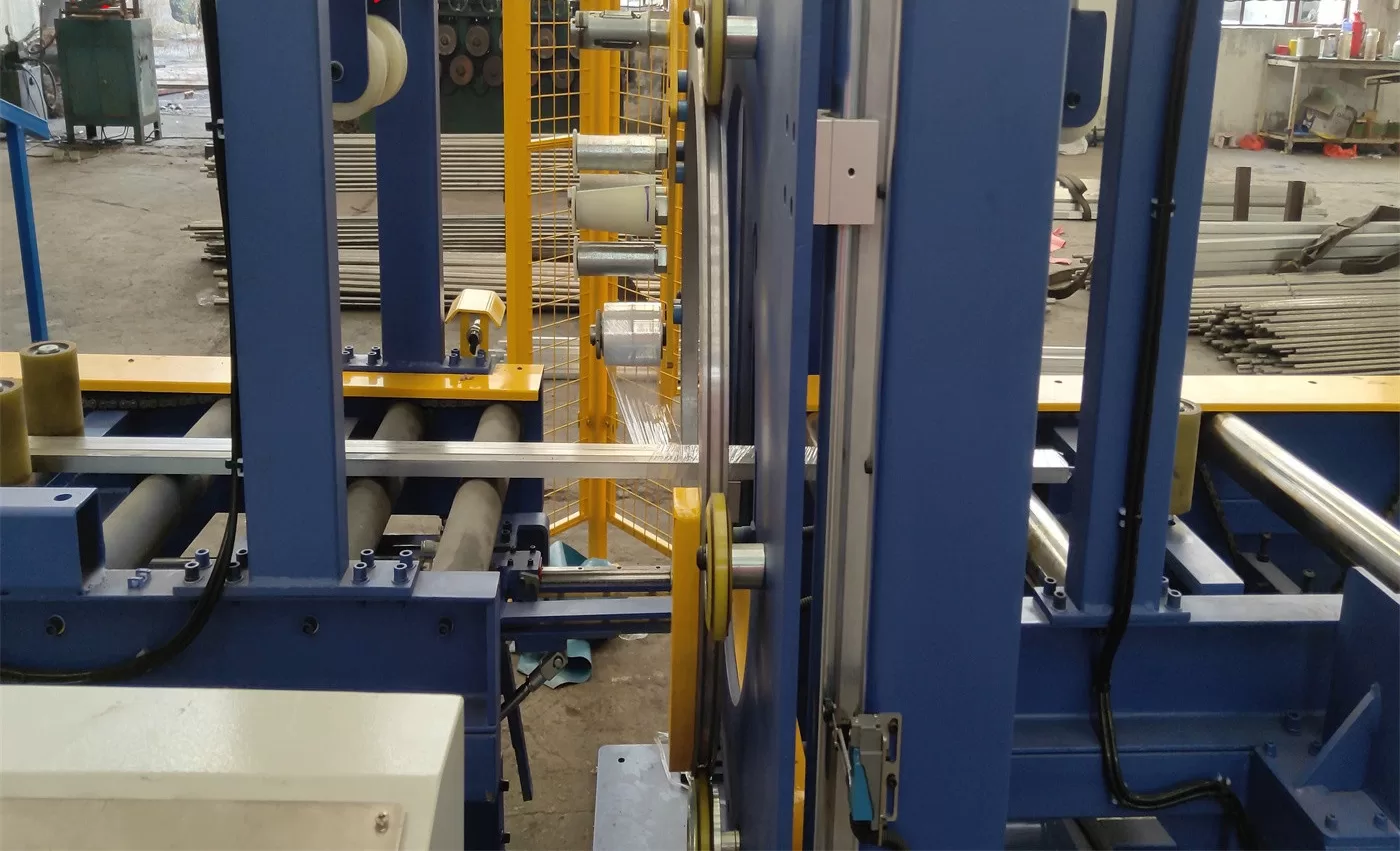
Many engineers and factory managers, like Michael in Mexico, find themselves asking how they can achieve this level of consistency. I have seen firsthand how these machines solve common issues. I started as an employee in a packing machine factory. Then I built my own successful factory. My journey showed me what works and what does not. So, let’s look deeper into why horizontal orbital wrappers are becoming the go-to solution for modern factories.
How Do Horizontal Orbital Wrappers Tackle Efficiency Bottlenecks?
Imagine a production line slowing down right at the very end. This often happens because of manual packaging processes. For a factory like Michael’s, which handles heavy steel coils and wires, slow packing means delays, missed deadlines, and lost money. This creates a huge bottleneck that hurts the entire operation. But there is a clear solution to this. Automated horizontal wrappers can change this whole picture.
Horizontal orbital wrappers significantly boost efficiency by automating the packaging process for elongated or flat products. They replace slow, labor-intensive manual methods with high-speed, continuous wrapping. This automation frees up workers, speeds up throughput, and cuts down on the time products spend in the packaging area. It directly addresses bottlenecks by making packaging faster and more reliable.
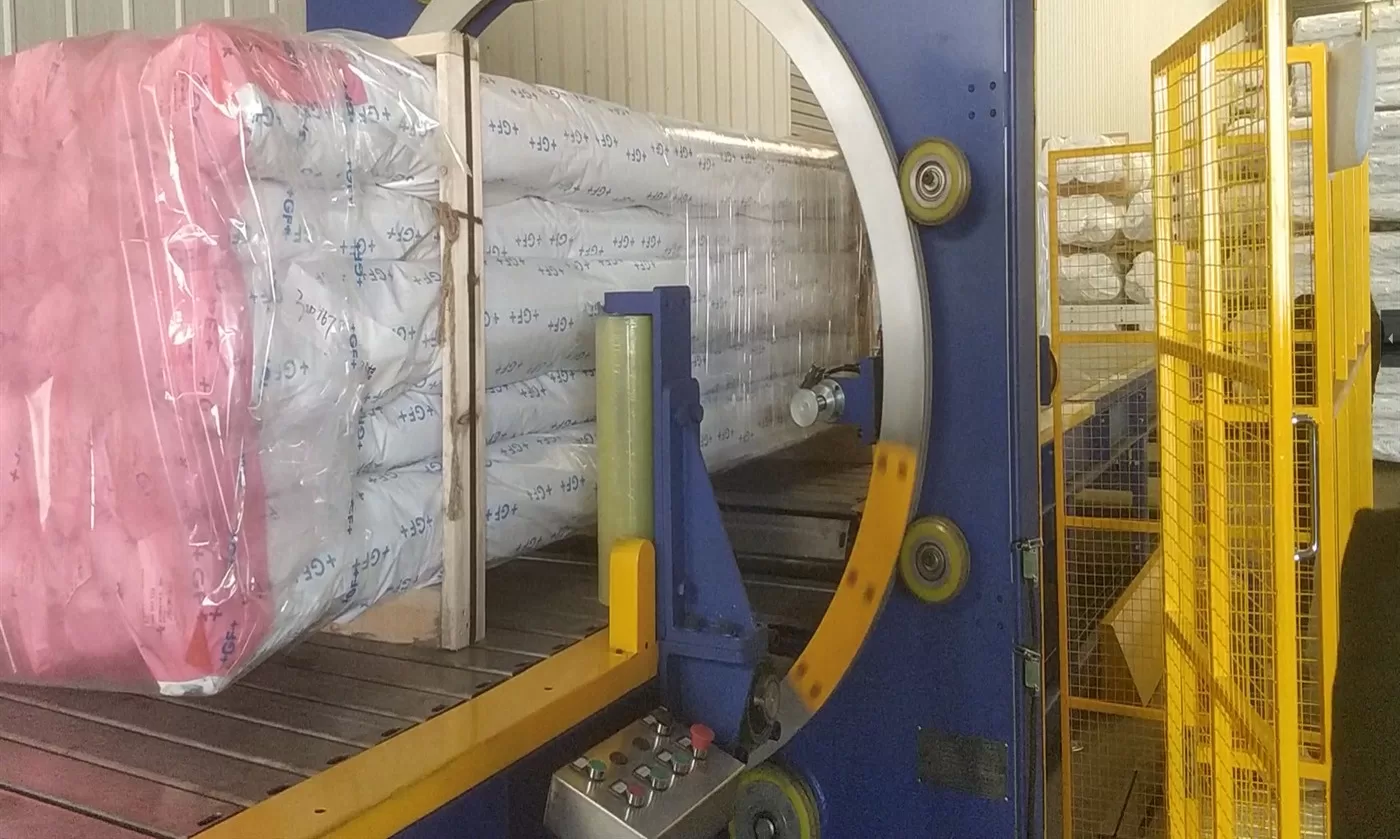
Many factories still depend on people to manually wrap heavy items. This seems cheap at first, but it creates huge hidden costs. Workers must struggle to wrap large steel coils or panels. This takes a lot of time and effort. Also, the quality of the wrap can be different from one worker to another. One package might be tight, another might be loose. This makes it hard to manage overall production speed and quality. This manual process slows down the entire factory. It holds back new orders. It means less profit. I have seen this problem many times. When I was setting up my own packing machine factory, I knew we had to focus on building machines that directly solved these speed problems. We wanted to help businesses, just like Michael’s, move products out the door faster.
Moving Beyond Manual Labor
Manual labor for wrapping heavy items is inefficient. Workers must physically move around the product, sometimes struggling with the film. This is slow. It takes many people to keep up with production. Michael’s factory has heavy coils and wire. Moving and wrapping these by hand is very slow. It also ties up many workers who could be doing other tasks. This means the factory cannot produce as much as it could. It costs more money in labor.
The Speed of Automation
An orbital wrapper works much faster. The machine has a ring that spins around the product. It wraps film as the product moves through it on a conveyor. This is a continuous process. It does not stop. The machine can apply film at very high speeds. It can also be set to wrap in specific patterns. This means every product is wrapped the same way. It is consistent. The machine works without breaks. It can run all day, every day. This dramatically speeds up the packaging line. It makes the entire production process smoother. It lets factories handle more orders.
| Feature | Manual Packaging | Automated Horizontal Wrapper |
|---|---|---|
| Speed | Slow, dependent on worker pace | Fast, continuous, high throughput |
| Labor | High labor costs, many workers needed | Low labor costs, few operators needed |
| Consistency | Variable, depends on worker skill | Highly consistent, uniform wrap |
| Downtime | Frequent breaks, fatigue, slower over time | Minimal, only for film changes or maintenance |
| Cost | High ongoing labor costs, hidden inefficiencies | Higher initial investment, lower operating costs |
Investing in automation is not just about buying a machine. It is about investing in a faster, more reliable production line. My experience showed me that factory owners need solutions that genuinely make their operations better. Orbital wrappers give them that. They help factories like Michael’s move more products. They help them meet deadlines. They help them grow.
Can Horizontal Wrappers Truly Improve Workplace Safety?
Handling heavy items manually is very dangerous. In factories like Michael’s in Mexico, workers often lift and move heavy steel coils or panels. They might also flip large trays. This puts them at high risk for injuries. These injuries lead to high insurance costs for the company. They also cause employees to leave their jobs, which means the factory must train new workers. This creates constant problems. But there is a much safer way to pack these heavy products.
Horizontal orbital wrappers drastically improve workplace safety by minimizing human interaction with heavy or awkward items during packaging. The machine handles the wrapping automatically, removing the need for workers to lift, rotate, or manually secure large products. This directly reduces the risk of strains, crushes, and other common industrial accidents. It creates a much safer working environment for factory employees.

I have seen too many injuries during my time in the packing industry. From my early days as an employee to running my own factory, worker safety was always a big concern. When I started FHOPEPACK, worker safety became a core design principle for our machines. We knew that a safe factory is a productive factory. Michael’s factory is dealing with significant safety risks right now. Workers handle very heavy items. This often causes muscle strains, back injuries, or even more severe accidents if an item falls. These injuries are costly. They cost money in medical bills, lost workdays, and higher insurance premiums. They also hurt employee morale. Workers feel more secure when their employer invests in their safety.
Reducing Direct Contact Risks
Horizontal orbital wrappers take the worker out of the direct danger zone. Workers do not need to lift, move, or hold the heavy products while they are being wrapped. The product simply moves onto a conveyor. The machine then performs the entire wrapping process. This means no manual lifting of heavy items. No dangerous twisting or bending. This greatly reduces the chance of injuries from direct contact with heavy, awkward products. It makes the job much safer for everyone on the floor.
Mitigating Repetitive Strain Injuries
Manual wrapping often involves many repetitive movements. Workers might bend, twist, and reach over and over again. Over time, these actions can lead to repetitive strain injuries (RSIs). These are painful conditions that can make it hard for workers to do their jobs. Automation with an orbital wrapper eliminates these repetitive tasks. The machine does the repetitive work. This protects workers from long-term health problems. It helps keep them healthy and productive for longer.
Ensuring a Safer Work Environment
Modern horizontal orbital wrappers have many safety features. They often have emergency stop buttons that can immediately halt the machine. They might have safety barriers or light curtains that prevent workers from entering the machine’s operating area when it is running. These features help Michael meet safety regulations. They also reduce the number of accidents. A safer workplace means fewer insurance claims. It also means happier employees. When employees feel safe, they are more productive and stay with the company longer. This helps reduce employee turnover and the costs related to hiring and training new staff.
What Role Do Orbital Wrappers Play in Reducing Product Damage?
Product damage during packaging is a big problem for many factories. Michael’s factory loses profits when steel coil edges get damaged. This can happen during internal transfers or when the products are being packed. Damaged goods lead to unhappy customers. They also mean financial losses for the factory. This happens because of returns, rework, or even discounted sales. But there is a clear way to stop this from happening. Better packaging prevents this damage.
Orbital wrappers significantly reduce product damage by providing consistent, secure, and uniform packaging. They apply stretch film tightly around the entire product surface. This protects vulnerable areas like edges and corners from scratches, dents, or abrasion during handling, storage, and transit. The machine’s precise wrapping also eliminates loose packaging that can lead to shifting and damage. This ensures products arrive in perfect condition.

I remember one client, much like Michael, who had constant issues with damaged goods. They thought the problem was in transport. But after we looked closely at their packing process, we found the real issue was inconsistent wrapping. Manual wrapping often leaves parts of the product exposed or with uneven film tension. This allows products to shift or get scuffed. A horizontal orbital wrapper solved it quickly. This experience showed me how critical proper packaging is, not just for protection, but for customer satisfaction and the company’s bottom line.
Uniform Protection for Vulnerable Products
Manual wrapping means the film might not cover every part evenly. Some areas could be too loose, others too tight. Or, parts might be left unwrapped. This is especially true for awkward shapes or large items like steel coils. Their edges are very vulnerable. They can easily get scratched or dented. An orbital wrapper spins the film around the product in a consistent way. It applies the film evenly across the entire surface. This means all parts, even the edges of steel coils, get full protection. The machine ensures uniform tension. This tight, even wrap shields the product from outside impacts. It also prevents damage from friction during movement.
Preventing Shifting and Abrasion
If a product is not wrapped tightly, it can move inside its packaging. This happens during handling, storage, or transport. When products shift, they can rub against each other or against the packaging itself. This causes abrasions, scratches, or dents. A consistent, tight wrap from an orbital wrapper prevents this movement. The product is held firmly in place. This means less internal damage. It also stops external abrasions. Products stay in their original condition. This is very important for industries like metal processing where surface quality matters a lot.
Impact on Customer Satisfaction and Returns
Reduced product damage directly leads to fewer customer complaints. Customers receive their products in perfect condition. This makes them happy. Happy customers are more likely to order again. It also means fewer returns. Dealing with returns costs money and time. It involves paperwork, shipping, and handling. By minimizing damage, factories save money on these hidden costs. They also build a stronger reputation for quality. This helps them attract new clients and keep current ones. For Michael, reducing damage means more profit and a better relationship with his customers.
Why Is Choosing the Right Partner Crucial for Packaging Automation?
Not all suppliers are reliable. Michael, the factory manager in Mexico, has dealt with vendors who only care about making a sale. They offer poor after-sales support. This makes him very careful about investing in new equipment. He does not want to buy an expensive machine only to find out he cannot get help if it breaks down. This trust crisis is real for many factory owners. But finding a true partner, not just a seller, makes all the difference for long-term success.
Choosing the right partner for packaging automation is crucial because it ensures long-term support, expert guidance, and a truly tailored solution. A good partner, unlike a mere seller, understands your specific factory challenges, offers professional insights, and provides reliable after-sales service and parts. This partnership approach leads to successful integration, optimal machine performance, and a strong return on investment. It builds trust and supports ongoing growth.
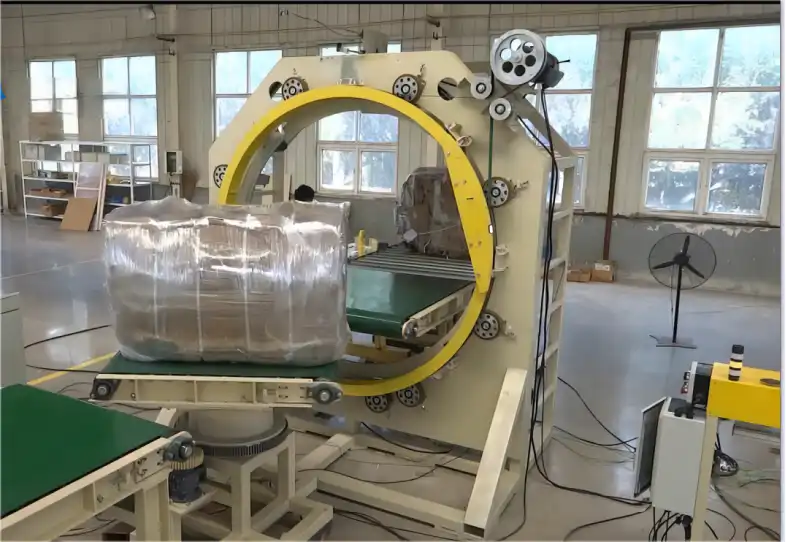
When I was building FHOPEPACK, I knew we had to be more than just a factory that built machines. I wanted us to be a real partner to our clients. I had walked in their shoes. I started as an employee. Then I became a factory owner myself. So, I understood their pressures, their daily problems, and their goals. We always focused on providing real insights and solutions, not just selling equipment. Michael’s desire for a knowledgeable partner resonates deeply with my mission and the values of FHOPEPACK. This is because a successful investment in automation depends heavily on who you partner with.
Beyond the Sale: The Importance of After-Sales Service
A machine is a big investment. It needs maintenance. It might need spare parts over time. If the machine breaks down, you need fast help. A seller who just cares about the sale will often disappear after the payment. This leaves the factory alone to deal with problems. This means costly downtime. Michael has experienced this. A true partner, however, provides strong after-sales support. They have technical teams ready to help. They stock spare parts. This ensures the machine keeps running with minimal interruptions. This support protects Michael’s investment. It also keeps his production line moving.
Understanding Your Unique Challenges
Every factory is different. What works for one might not work for another. A good partner does not just push a standard product. They take the time to understand your specific needs. They ask about your production bottlenecks. They ask about your safety concerns. They want to know what kind of products you pack, like Michael’s steel coils and wires. They look at your entire process. Then, they recommend a solution that fits. They do not just sell a machine. They sell a customized solution to your problems. This deep understanding makes the investment truly effective.
Long-Term Growth and Expert Guidance
A true partner thinks about your future. They provide advice for future upgrades. They suggest ways to improve your processes over time. They are a resource for continuous improvement. This kind of relationship helps Michael not just solve his current problems but also plan for his factory’s growth. My goal at FHOPEPACK is to share my expertise. I want to help others succeed in the packing machine field, just as I did. So, partnering with an expert who has built and run factories means you get practical, proven advice. This guidance ensures that your investment in automation truly supports your business growth.
Conclusion
Horizontal orbital wrappers bring vital consistency, safety, and efficiency to panel product packaging. Partnering with experts like FHOPEPACK ensures your investment truly solves problems and helps your business grow.








