
Why New Zealand factories need coil wrapping machines for aluminum and copper?
Do your New Zealand factory operations feel like they are stuck in slow motion? Are you struggling with bottlenecks at the end of your production line, especially when packing valuable aluminum and copper coils? Many factory managers I talk to face this problem. Manual packing methods not only slow things down, but they also bring hidden costs and risks that can eat into your profits.
New Zealand factories need coil wrapping machines for aluminum and copper to boost efficiency, enhance worker safety, reduce product damage, and secure their investment with reliable equipment. These machines automate a critical process, moving away from slow, risky manual methods to fast, consistent, and protective packaging solutions.
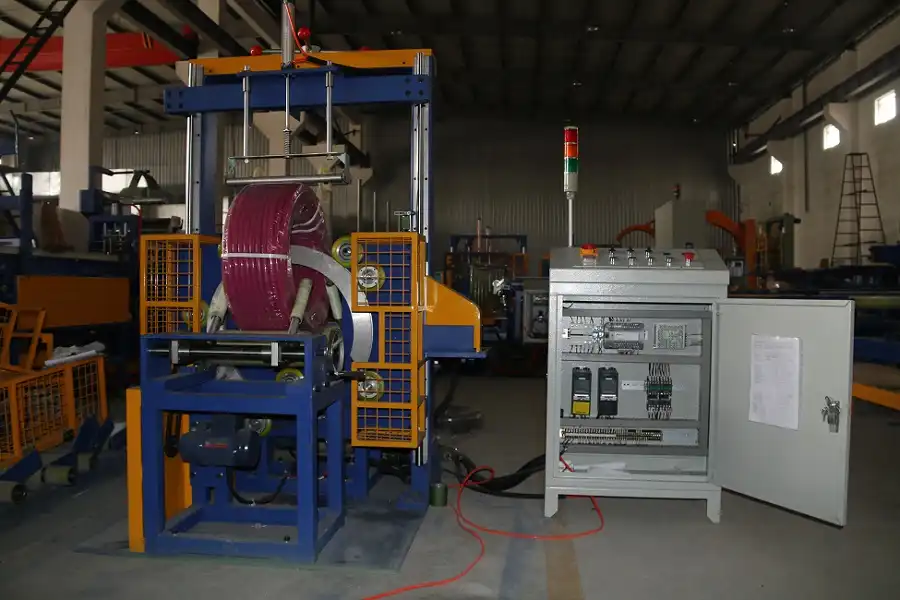
This is more than just buying a new piece of equipment. It is about transforming your entire end-of-line process. Let us look at why modern coil wrapping technology is not just an option, but a necessity for New Zealand’s thriving aluminum and copper industries.
1. Are manual packing methods slowing down New Zealand’s aluminum and copper production?
Do you ever feel like your production line surges forward, only to grind to a halt at the packing stage? This is a common issue I have seen in many factories, including those dealing with aluminum and copper coils. Manual packing, while seeming cost-effective at first, can become a major bottleneck. It simply cannot keep up with high-volume output.
Manual packing methods significantly slow down New Zealand’s aluminum and copper production due to their inherent inefficiency, high labor dependency, and inconsistent speed, creating bottlenecks that delay overall output and increase lead times.
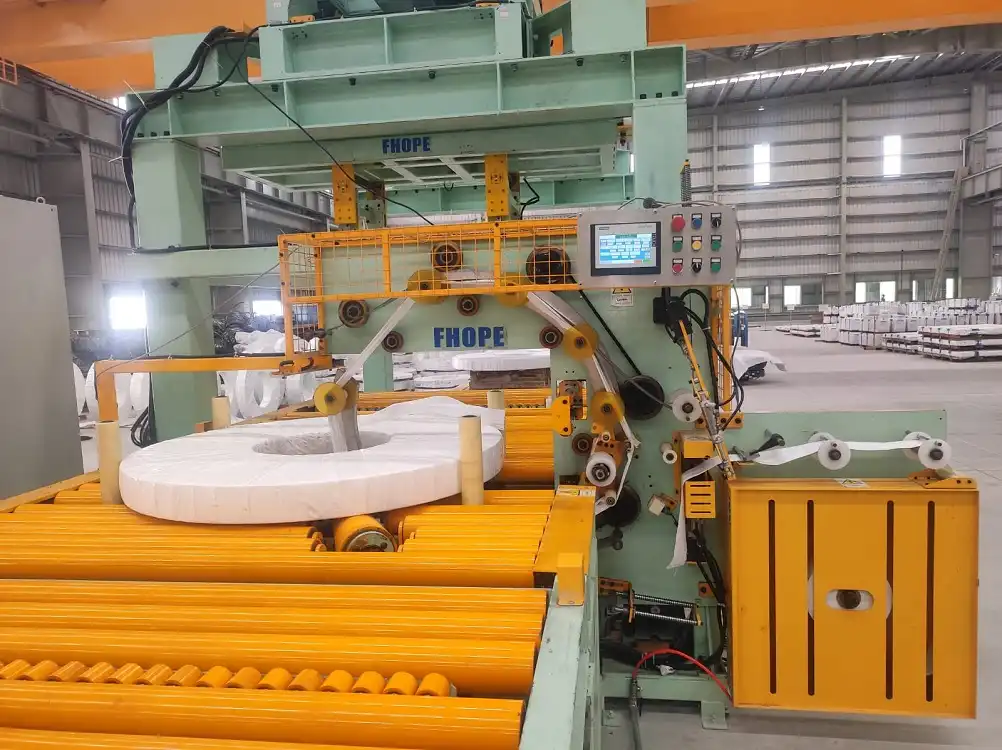
When I first started in the packing machine industry, I saw many factories struggling with this. They invested heavily in new production equipment, only to have their finished goods sit idle, waiting for someone to manually wrap them. This slows down everything. It means delayed shipments, unhappy customers, and lost business opportunities. Manual packing is not only slow, but its speed also varies a lot depending on the worker, their fatigue, and even the time of day. This inconsistency makes it hard to plan production accurately. This is why adopting automated solutions becomes crucial.
Manual Packing: The Silent Efficiency Killer
Manual packing seems like a simple task. Yet, it hides many efficiency problems. For New Zealand factories producing aluminum and copper, these problems translate into real financial losses.
-
Labor Intensive:
- Requires multiple workers to handle heavy coils.
- Workers perform repetitive, often strenuous tasks.
- High labor costs due to wages and overtime.
- Difficulty finding and retaining skilled packing staff.
-
Inconsistent Speed & Quality:
- Packing speed varies from worker to worker.
- Quality of wrapping depends on individual skill and attention.
- Tired workers make more mistakes, leading to reworks.
- Does not offer the consistent tension or overlap of machine wrapping.
-
Bottleneck Creation:
- The packing station becomes the slowest point in the production line.
- Finished products accumulate, waiting for wrapping.
- Delays impact subsequent processes, like warehousing and shipping.
- Extends lead times, potentially losing competitive edge.
Let us look at a simple comparison:
| Feature | Manual Packing | Automated Coil Wrapping Machine |
|---|---|---|
| Speed | Slow, varies by worker | Fast, consistent, high output |
| Labor Needed | High (multiple workers) | Low (one operator or less) |
| Consistency | Low, prone to human error | High, uniform wrapping every time |
| Safety | High risk of injury | Low risk, workers operate safely |
| Cost (Long-term) | High (wages, insurance, reworks) | Lower (initial investment, then savings) |
| ROI | Negative (hidden costs, lost opportunities) | Positive (efficiency, safety, quality) |
Automated coil wrapping machines deliver consistent performance, cycle after cycle. They work at a steady, high speed, freeing up your valuable workforce for more complex tasks. This means faster throughput, less overtime, and a more streamlined operation. In a competitive market like New Zealand, these gains are vital for factory success. They help you meet demand and deliver on time.
2. How can coil wrapping machines boost worker safety and reduce risks in NZ factories?
Are your workers constantly lifting, turning, or securing heavy coils by hand? If so, you are likely facing significant safety concerns. In industries handling materials like aluminum and copper, manual handling of large coils presents serious risks. This is a problem many factories, including those in New Zealand, need to address urgently.
Coil wrapping machines boost worker safety and reduce risks in NZ factories by eliminating the need for manual lifting and handling of heavy coils, preventing common workplace injuries like strains, sprains, and crush incidents, and creating a safer, more ergonomic work environment.
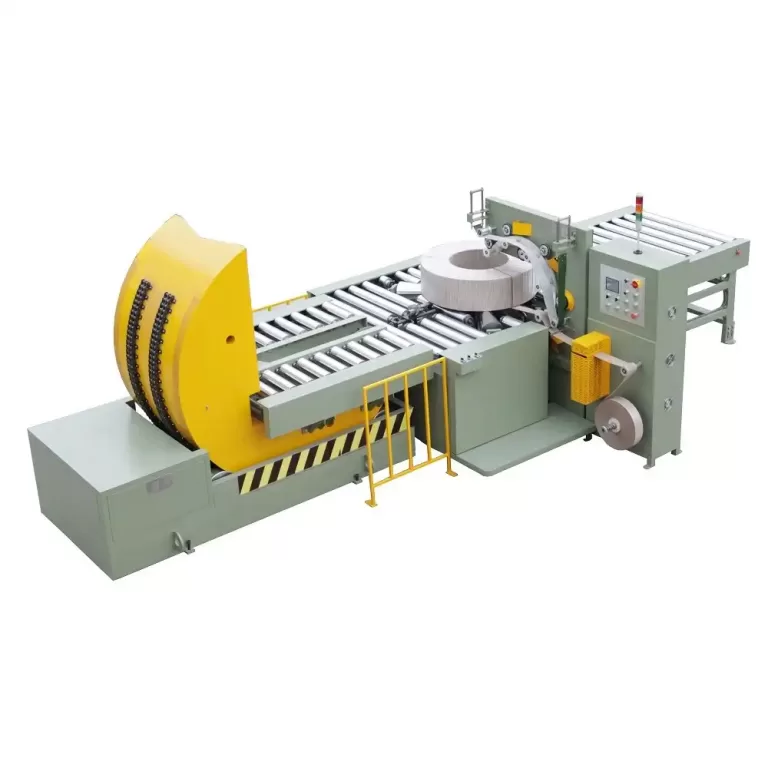
My experience has shown me the high cost of workplace injuries. I have seen the impact on employees and businesses alike. From increased insurance premiums to lost productivity and low morale, the ripple effects are significant. A factory manager like Michael Chen understands this well. He knows worker safety is not just a moral obligation; it is also a business imperative. He told me that manual tasks like handling heavy molds or flipping pallets lead to very high injury risks. This drives up insurance costs and worker turnover. Automated coil wrapping machines directly tackle this problem. They remove workers from dangerous situations.
Reducing Injury Risks with Automation
Safety is paramount in any manufacturing environment. For New Zealand factories dealing with heavy aluminum and copper coils, automation offers a clear path to a safer workplace.
-
Eliminates Manual Handling:
- Workers no longer lift, rotate, or secure heavy coils by hand.
- Machine does the heavy lifting, preventing back injuries, strains, and sprains.
- Reduces exposure to crushing hazards associated with moving large metal objects.
-
Ergonomic Benefits:
- Tasks become less physically demanding.
- Reduces repetitive motion injuries (RMIs).
- Workers operate machines from a safe distance or control panel.
-
Consistent Operation:
- Machines operate with predictable movements.
- Less chance of accidents caused by human error or fatigue.
- Clear safety protocols are built into the machine’s design and operation.
Consider the common hazards in manual coil packing:
| Hazard | Manual Packing Solution | Automated Coil Wrapping Machine Solution |
|---|---|---|
| Heavy Lifting | Multiple workers, hoists, high injury risk | Machine lifts and positions coils automatically |
| Repetitive Motion | Constant wrapping, stretching, bending | Machine performs wrapping, minimal worker input |
| Falling Objects | Risk during manual stacking or securing | Coils secured on conveyors/rollers, stable process |
| Pinch Points | Workers close to moving coils and materials | Safety guards, controlled machine movements |
| Fatigue-Related Errors | Increased risk as workers tire | Machine operates consistently, no fatigue |
By automating the coil wrapping process, New Zealand factories can significantly reduce the potential for accidents. This means fewer workers’ compensation claims, lower insurance costs, and a more stable, happier workforce. It is an investment in your employees and in the long-term health of your business. This helps meet safety regulations and builds a strong, positive company culture. It shows your commitment to protecting your people, a value that resonates deeply with experienced managers like Michael.
3. Is product damage during transit costing New Zealand manufacturers too much?
Have you ever had a customer return a shipment of aluminum or copper coils due to damage? Or worse, had to scrap valuable product because it got scratched or dented during internal movement or packing? This is a frustrating problem. Product damage is not just an inconvenience; it is a direct hit to your bottom line.
Product damage during transit is costing New Zealand manufacturers too much by leading to customer complaints, rejected shipments, rework expenses, and lost profits, often caused by inadequate or inconsistent manual packing that leaves valuable aluminum and copper coils vulnerable to harm.

From my own journey in the packing machine industry, I have seen how even small imperfections can lead to big problems. Especially with high-value materials like aluminum and copper. Their surfaces need protection. Michael Chen mentioned that his factory suffers product damage, like steel coil edges, during internal transfer and packing. This results in customer complaints and lost profits. Manual packing often cannot provide the consistent, comprehensive protection needed for these sensitive materials. Gaps in wrapping, uneven tension, or insufficient layers leave products exposed. This increases the risk of scuffs, dents, and corrosion. Investing in a coil wrapping machine helps fix this.
The True Cost of Damaged Goods
Product damage goes beyond the cost of the damaged item itself. It affects customer relationships and your company’s reputation. For New Zealand manufacturers, this impact can be substantial.
-
Direct Financial Losses:
- Cost of materials and labor for damaged coils.
- Expense of re-processing or re-manufacturing.
- Shipping costs for returns and replacements.
- Loss of revenue from rejected or discounted products.
-
Reputation & Customer Trust:
- Damaged goods lead to customer dissatisfaction.
- Can result in lost future orders and business.
- Harm to brand image and market standing.
- Negative reviews or word-of-mouth.
-
Hidden Costs:
- Administrative time spent on handling complaints and claims.
- Impact on employee morale from quality issues.
- Increased insurance premiums due to higher claim rates.
- Reduced operational efficiency from reworks.
How Coil Wrapping Machines Prevent Damage:
A coil wrapping machine provides a complete and secure wrap. It creates a protective barrier around the coil. This machine applies stretch film or other protective materials with consistent tension and overlap. This means no weak spots.
- 🔄 Uniform Wrapping: The machine ensures even film application across the entire coil surface. This gives complete coverage.
- 💪 Consistent Tension: Film is applied with precise tension. This holds layers tightly, preventing movement and abrasion.
- 🛡️ Multi-Layer Protection: Machines can apply multiple layers of film. This increases resistance to impacts and punctures.
- 🌧️ Moisture & Dust Barrier: A tight, consistent wrap protects coils from moisture, dust, and other contaminants. This is crucial for corrosion prevention.
- 🚚 Secure for Transport: The tightly wrapped coil is more stable. It resists shifting during transit, minimizing damage from vibration or handling.
By reducing product damage, New Zealand factories can improve customer satisfaction. They can also safeguard their profits and reputation. This allows them to deliver high-quality aluminum and copper products to market, enhancing their competitiveness. It ensures that the product leaving your factory arrives at the customer in perfect condition, just as Michael would want.
4. Why is choosing a trusted packing machine partner crucial for NZ businesses?
Have you ever invested in new equipment, only to find the supplier disappears when you need support? Or maybe the machine did not quite solve your problems, and you felt alone trying to make it work? This is a frustration I have heard many times. Especially for New Zealand businesses looking to upgrade their packing operations, choosing the right partner is just as important as choosing the right machine.
Choosing a trusted packing machine partner is crucial for NZ businesses because it ensures long-term support, expert guidance, reliable after-sales service, and equipment that truly addresses specific operational challenges, moving beyond a transactional purchase to a lasting, problem-solving relationship.
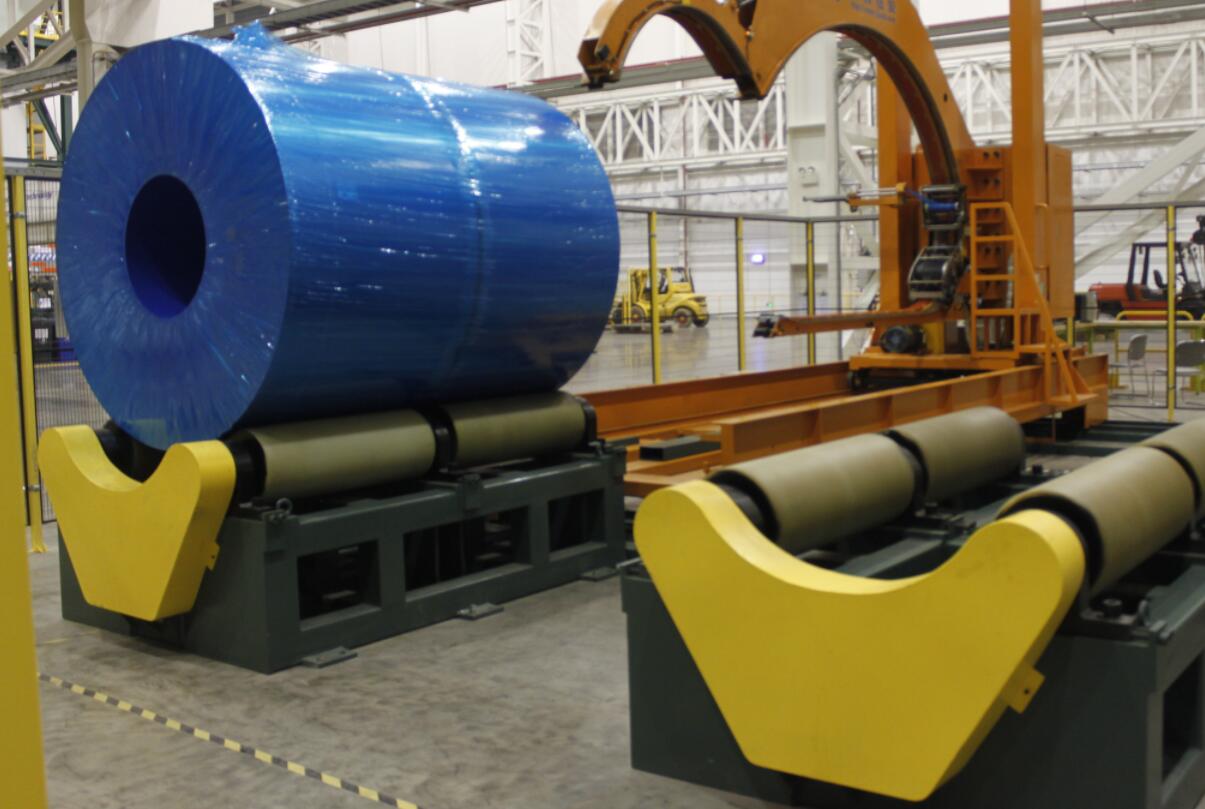
I started FHOPEPACK because I believe in sharing knowledge and building lasting relationships. My own path, from a factory employee to owning a successful packing machine factory, showed me the value of true partnership. I have helped many clients grow their businesses by understanding their unique needs. Michael Chen, a factory manager, told me he has had bad experiences with equipment suppliers who only focused on sales and provided poor after-sales service. This makes him very cautious. He is not just buying a machine. He wants a partner who understands his production bottlenecks, safety issues, and efficiency goals. He wants a partner who can offer professional insights and reliable solutions. This is exactly what a trusted partner provides.
Beyond the Sale: The Value of a True Partner
When you choose a packing machine, you are making a long-term investment. This means the relationship with your supplier should also be long-term.
-
Expert Consultation:
- A good partner understands your specific factory needs, not just generic solutions.
- They offer insights into your unique challenges with aluminum and copper packing.
- They help you select the right machine, not just any machine.
- My background as an engineer and factory owner helps me relate to your operational struggles.
-
Reliable After-Sales Service:
- Quick and effective support for technical issues or breakdowns.
- Availability of spare parts to minimize downtime.
- Regular maintenance advice to extend machine lifespan.
- Training for your staff to ensure proper machine operation.
-
Long-Term Problem Solving:
- They evolve with your business, offering upgrades or new solutions as your needs change.
- They act as a resource for industry best practices and innovations.
- They help you measure ROI and optimize your packing processes.
- This is about solving problems, not just selling products.
Let us illustrate what a good partnership looks like:
| Aspect | Transactional Supplier | Trusted Partner (like FHOPEPACK) |
|---|---|---|
| Focus | Selling a machine | Solving your packing problems, long-term success |
| Knowledge | Product features | Deep industry expertise, operational insights, personal stories |
| Support | Limited, often slow after-sales | Proactive, responsive, dedicated technical support |
| Value Provided | Equipment | Solutions, reliability, efficiency, peace of mind |
| Relationship | One-time sale | Ongoing collaboration, mutual growth |
| Outcome | Potential frustration, unaddressed issues | Optimized operations, sustained growth, clear ROI |
For New Zealand businesses, a trusted packing machine partner means more than just a purchase. It means having an ally who genuinely cares about your success. It means receiving expert guidance from someone who has been where you are, like me, Randal Liu. This ensures your investment in a coil wrapping machine truly pays off, both now and in the future. It gives you confidence that your equipment will perform reliably and that support is always there.
Conclusion
New Zealand factories can greatly improve by using coil wrapping machines for aluminum and copper. They fix efficiency, safety, and damage problems. A trusted partner ensures your investment in a col wrapping machine helps your business grow.








